
The First Spark: How Senses Start
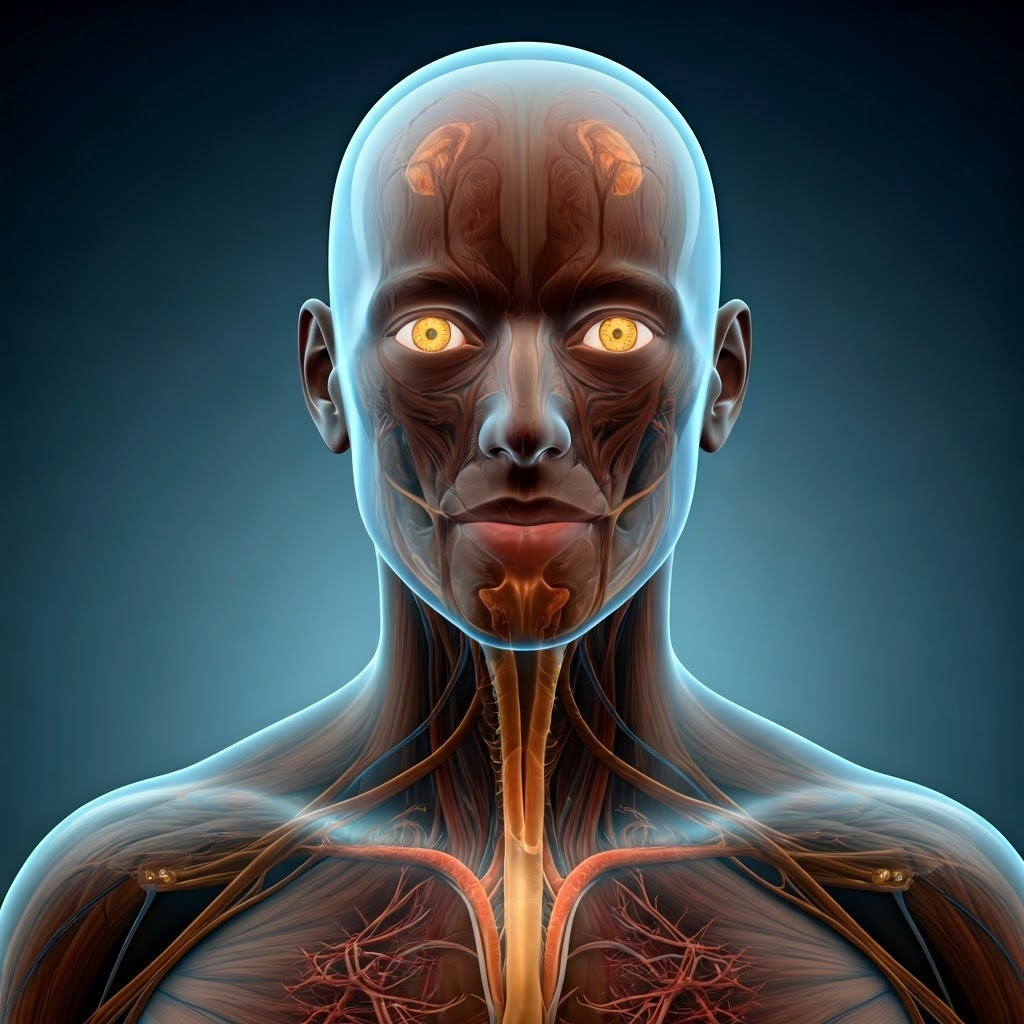
Every sense begins with a sensory receptor—a specialized cell tuned to one form of energy. Picture these receptors as scouts spread across your body, each trained to notice light, touch, chemicals, or sound.
Photoreceptors sit in your eyes and convert light into signals your brain understands. Rods excel in low light, while cones handle color and detail in bright scenes. When sunlight floods a room, these cells shift mode, letting your eyes adjust smoothly.
Hair cells rest deep in the spiral cochlea. Sound waves make their tiny tips sway, and that sway triggers the first step of hearing. Similar cells in the inner ear also guide balance, telling you when you tilt or spin.
Mechanoreceptors cover skin, joints, and muscles. They fire when you tap a screen, feel a breeze, or sense a handshake. Some prefer gentle strokes, others react to sharp pokes, giving touch its rich range.
Chemoreceptors detect airborne or dissolved molecules. Millions line your nose, each matching certain scents—why coffee never smells like bacon. On your tongue, clusters packed into taste buds sort flavors into sweet, salty, sour, bitter, or umami.
Turning Energy Into Signals
Sensing starts with transduction—switching one energy type into another so the brain can listen. Your brain speaks only electricity, so receptors must translate light, sound, pressure, and chemicals into charged pulses.
When a photon hits a photoreceptor, a molecule inside the cell changes shape, opening gates for ions and sparking an electrical pulse. Hair cells and mechanoreceptors do the same when they bend or stretch, while chemoreceptors fire when specific molecules bind.
Those pulses race toward the brain, each burst carrying fresh information—sight, sound, touch, or taste—ready for higher processing.
The Brain’s Delivery Routes
Your body uses labeled lines—dedicated pathways that keep sensory streams separate. Think of a tidy post office: each parcel carries a clear address so nothing gets misplaced.
A touch signal from your right index finger travels its own nerve fiber, while central vision follows a direct route to the primary visual cortex. Laughter rides hearing-only pathways into the auditory cortex.
These labeled lines let the brain know both origin and content. If paths crossed, you might taste music or hear colors—an uncommon mix called synesthesia.
By keeping senses on distinct tracks, the brain builds a crisp internal map. That organized start lays the groundwork for perception, letting you weave separate signals into the rich experience of daily life.
