
When Questions Replaced Gods: The First Spark
From Stories to Questions
Before anyone wondered what the world is made of, people told stories. Lightning meant Zeus was upset. A raging sea showed Poseidon’s mood. Everything had a who, not a what. These tales felt safe, yet they dulled true curiosity.
Most early cultures used mythos—stories of gods, monsters, and heroes—to explain thunder, sunrise, or birth. A child blames a closet monster for strange noises; adults once did the same on a grander scale. The comfort was real, but the questions were missing.

Around the small city of Miletus, something rare happened. A few people asked, What if no god stands behind each event? What if there is something in things you can study, repeat, and understand? This pivot from mythos to logos changed the game.
Instead of “Who made the rainbow?” they asked “What is a rainbow?” The world shifted from a stage for spirits to a puzzle for minds. Belief in gods stayed, yet a thirst to probe the stuff itself took hold—setting up rational inquiry.
These thinkers still honored the gods, but they demanded explanations nature itself could supply. They asked new questions: What is everything made of? Is there a pattern behind change? Their fresh wonder opened space for science.
The Milesian Revolution
In Miletus, three names shine: Thales, Anaximander, and Anaximenes. They looked at sea, land, and sky and searched for clues beyond myth.
Thales earns fame as the first scientist. He claimed everything is water. Near rivers and seas, water seems everywhere. Seeds swell when wet; floods shape soil. Thales saw an underlying unity: perhaps all things share one basic substance.
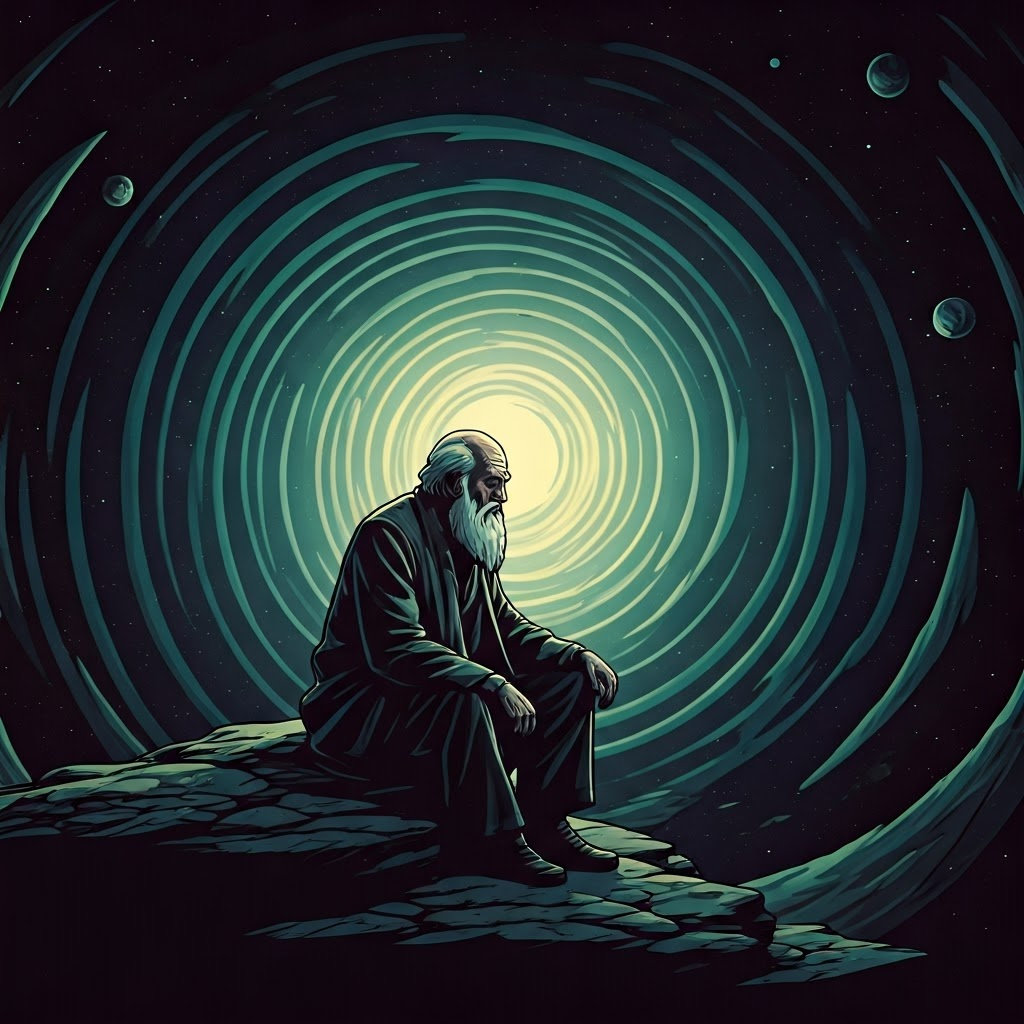
His student Anaximander asked, If all comes from water, where does water come from? He proposed the apeiron—the boundless. Neither fire, water, nor air, this limitless source births everything and receives it back. It was a daringly abstract idea.
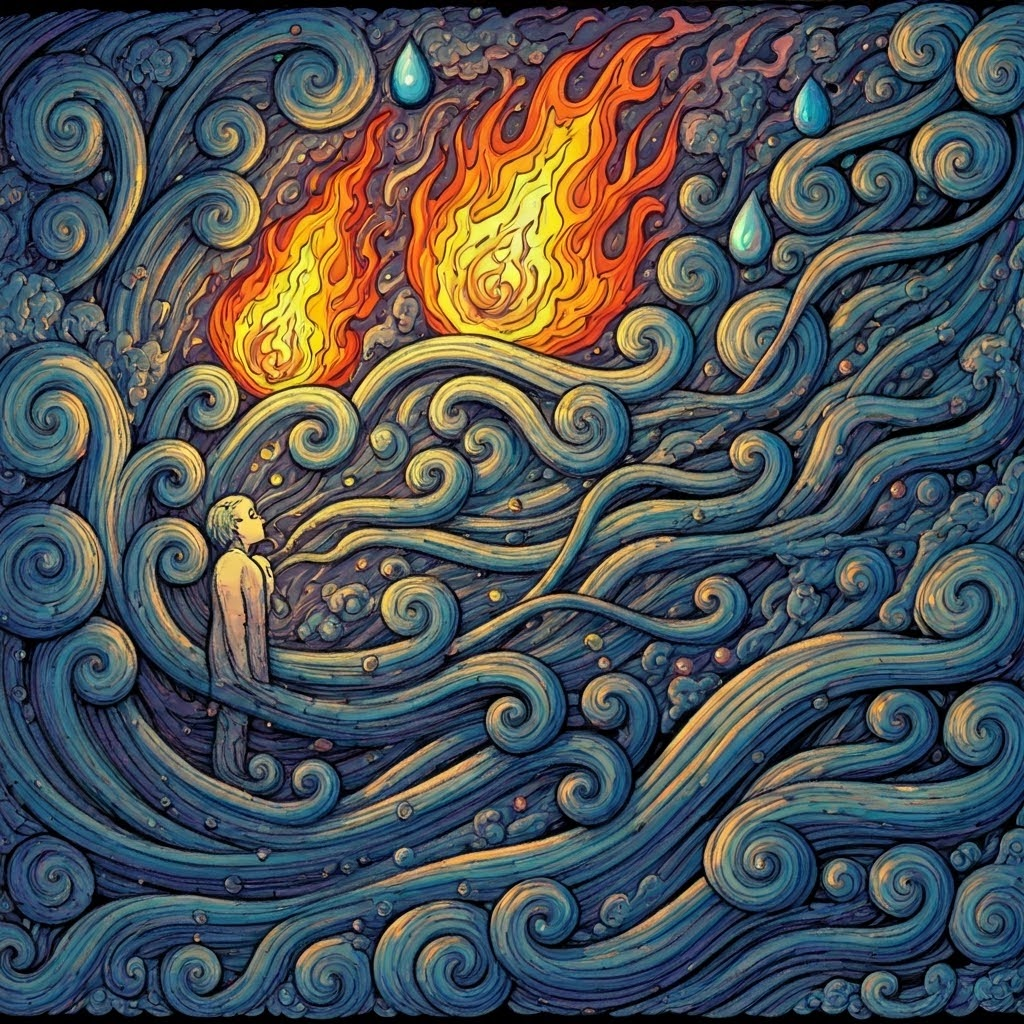
Anaximenes sought a middle path. He chose air as the primal element. Air condenses into clouds and water or thins into fire. Invisible yet ever-present, air’s shifting forms explained change. His view introduced a simple, testable hypothesis.
These three did not spin heroic tales. They offered focused guesses you could challenge. By inviting doubt, they invented the spirit of science.

Why Water? Why Apeiron?
Thales picked water because life depends on it. Rivers flood, seeds sprout, and ice, mist, and liquid show one thing in many forms. Everything might be water in disguise.
Anaximander spotted a problem: if water creates fire, water must end. He needed a deeper, limitless source—the apeiron. This “stuff behind the stuff” explained endless variety. It suggested a hidden order the mind could uncover.
The move from myth to reasoning planted questions only humans could answer. Once that spark of curiosity lit, no god could snuff it out.
