
From Wild Grasses to Settled Lives
Life on the Move
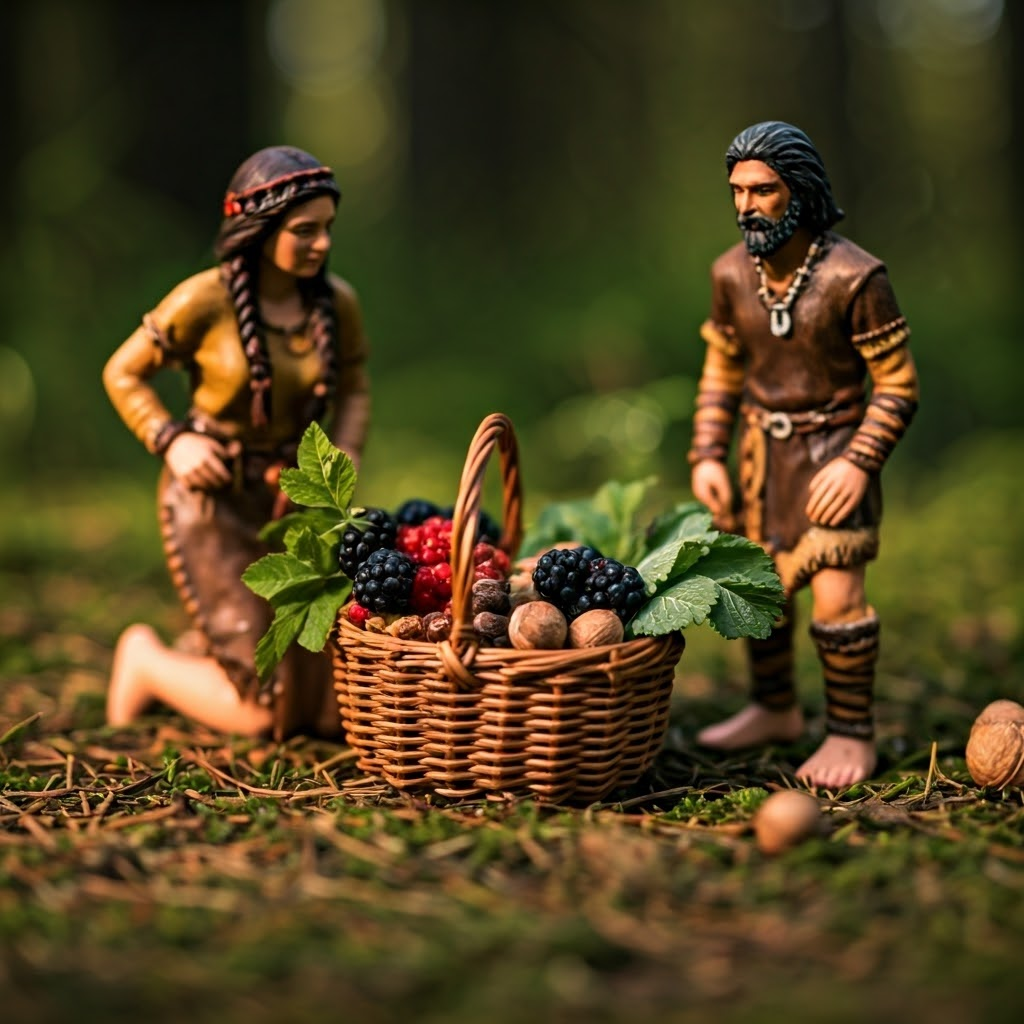
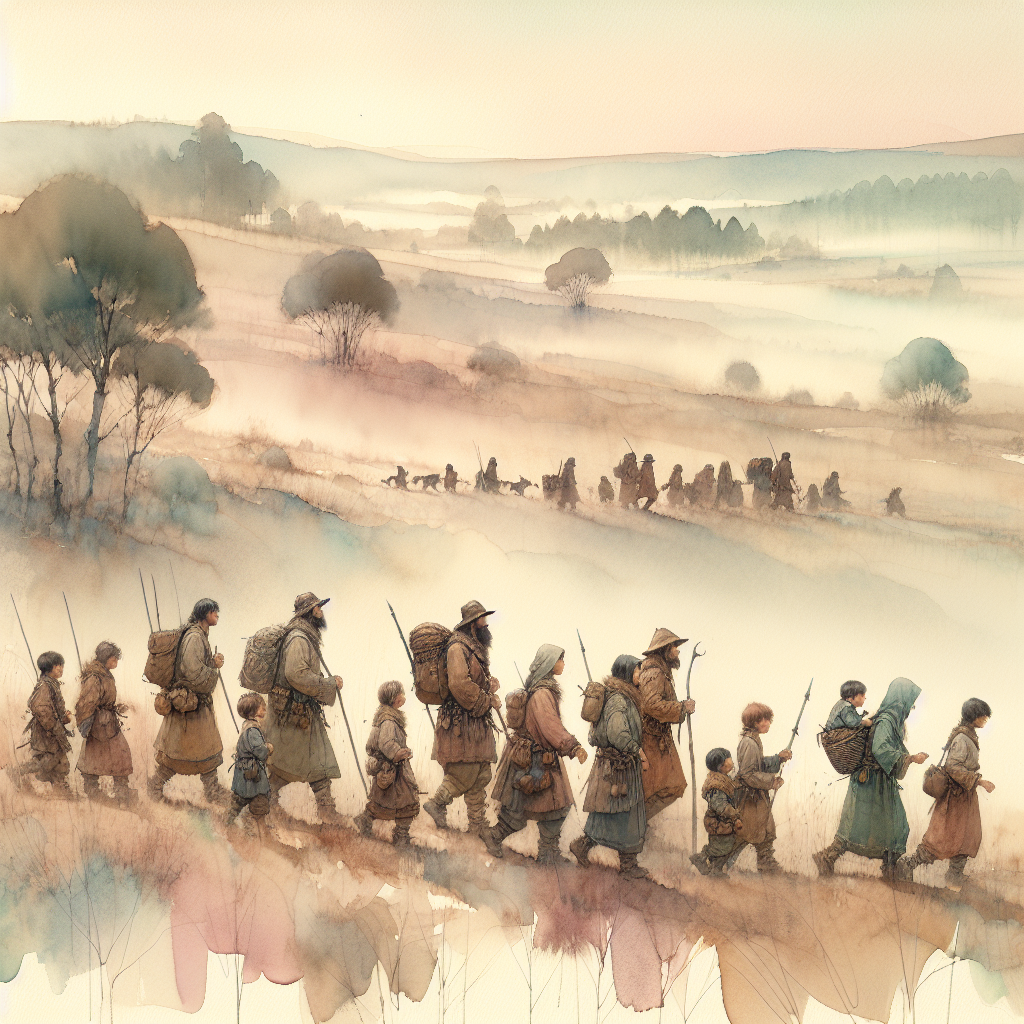
For most of human history people kept moving. Small bands of twenty or thirty walked together and followed fresh food. Each meal depended on the day’s luck—berries, nuts, roots, greens, or a quick catch of meat. Mobility shaped every plan.
Life on the Move
These travelers owned little. Light packs made seasonal shifts easy. When berries vanished on one ridge the group slipped into the next valley. Sharing ruled: a lucky hunt fed all, a poor day left everyone hungry. No kings, only respected elders offered advice.
Wild foods thinned fast, so people rarely stayed put. The scattered camps limited disease, yet storms, predators, or a thin nut year posed danger. Even so, many foragers stayed surprisingly healthy. Varied fresh diets built strong bones and clean teeth.

The Fertile Crescent: Nature’s Gift
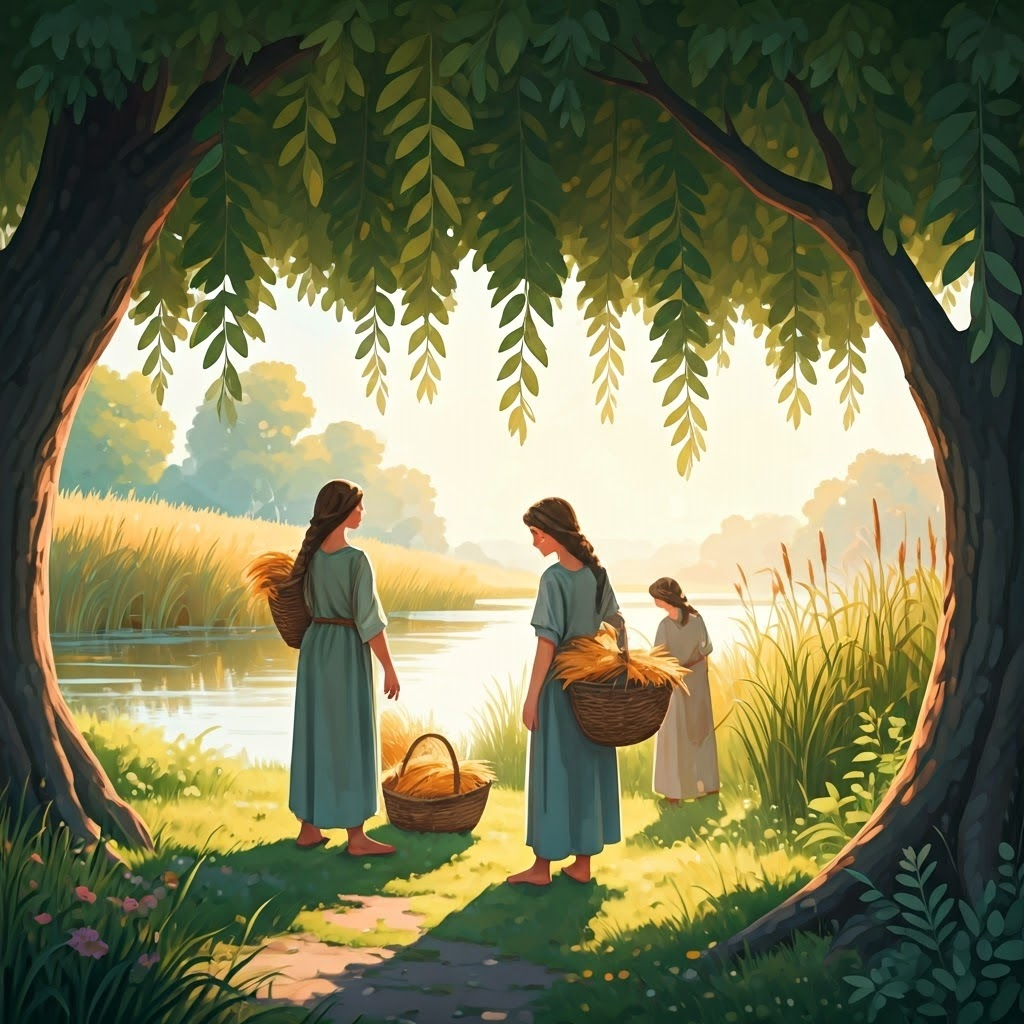
Ten thousand years ago a green arc stretched from today’s Israel through Syria and Turkey into Iraq and Iran. Rivers, marshes, and rolling hills carried wild wheat, barley, peas, and lentils. This rich zone became an early hotspot for change.
The Fertile Crescent: Nature’s Gift
The region mixed useful plants and tamable animals. Big-seed wheat and barley grew thickly. Goats and sheep browsed nearby slopes. Cool wet winters and dry summers ripened grain, while rivers like the Euphrates supplied water. These factors offered a perfect farming laboratory.
The Fertile Crescent: Nature’s Gift
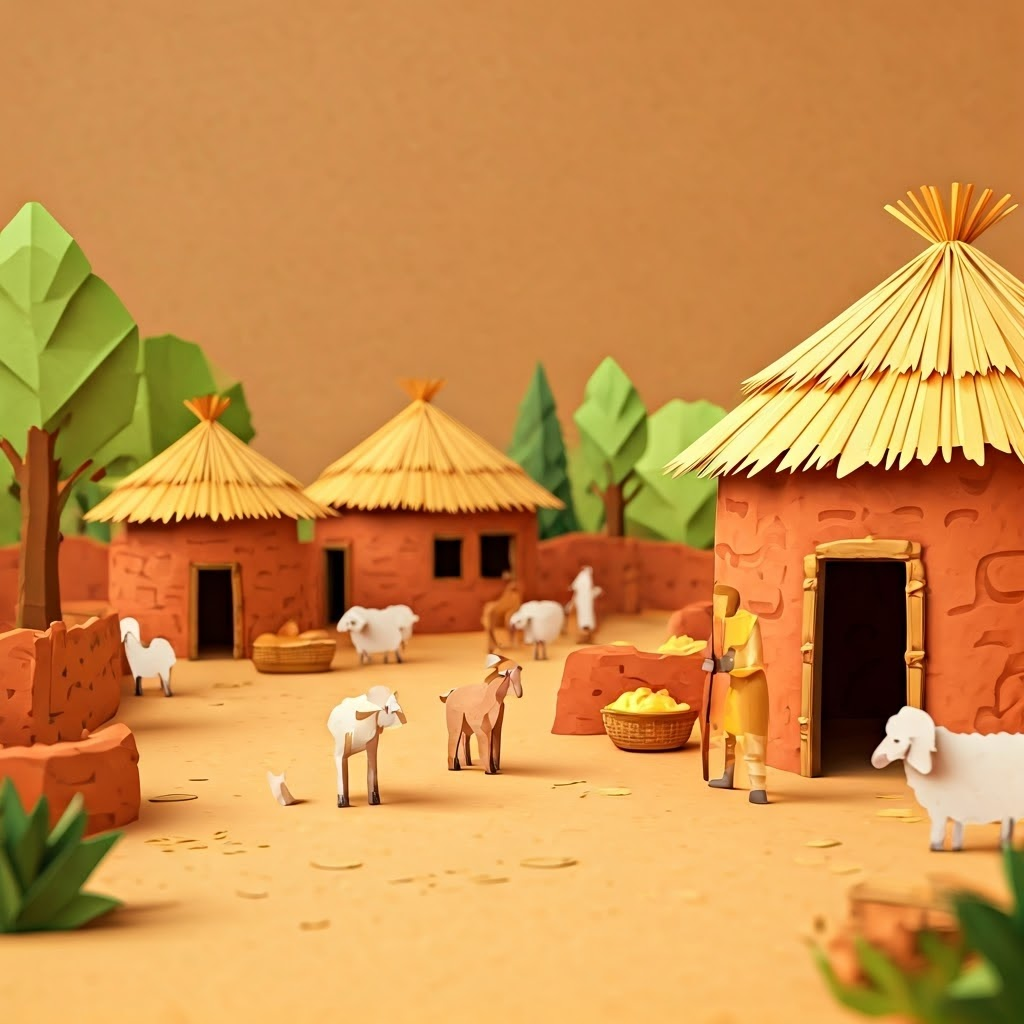
Elsewhere, suitable species were scarce. American corn was tiny, African grains scattered. Only here did a ready set of plants and animals meet a helpful climate. The first permanent villages appeared, rooted in this fortunate mix.

First Experiments: Planting and Herding
Someone dropped spare wheat seeds near camp and later noticed green shoots. The lesson was clear: plants sprout where seeds fall. Early farmers began to pick seeds that stayed on the stalk and tasted best. Small trials led to intentional planting.
First Experiments: Planting and Herding
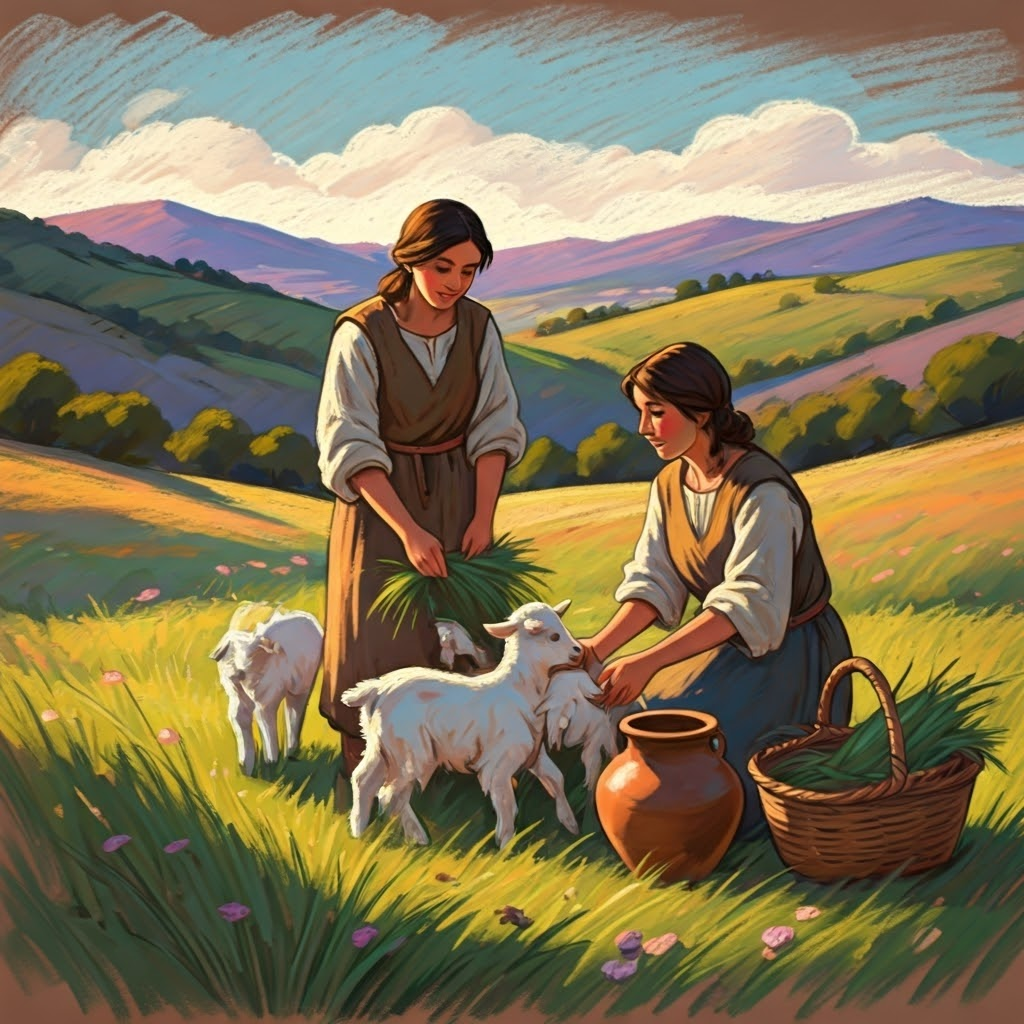
Domestication meant choosing winners. With plants you saved seed from the fullest heads. With animals you kept the calmest kids. Over time wheat grew bigger and goats tamer. Stored grain in baskets, clay jars, or pits kept food safe and ready for lean months.
First Experiments: Planting and Herding
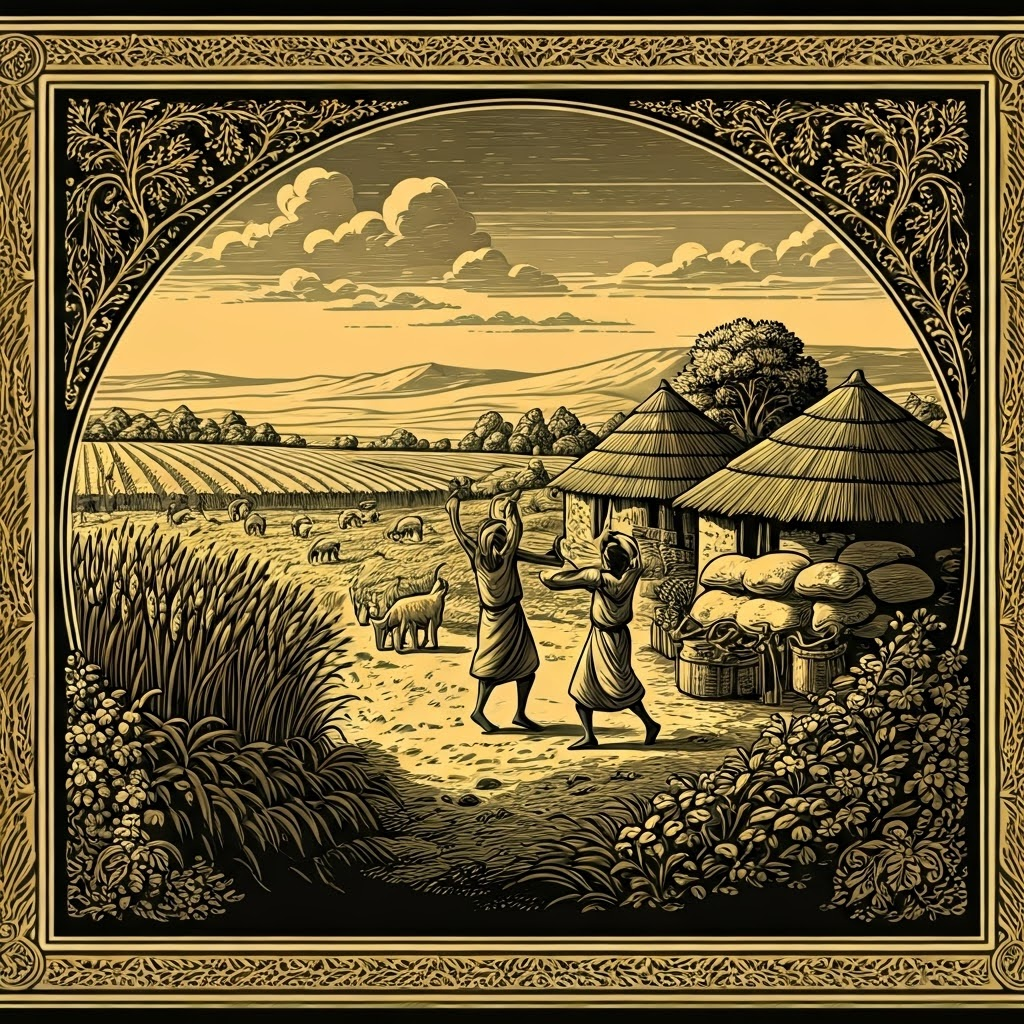
After centuries of practice farms replaced wild grasslands. Goats and sheep lingered near new villages. Settled life emerged—fixed homes, storage, and growing populations. Farming was never one person’s idea; it was a shared, gradual shift that reinvented daily life.
