
How Data Moves: The Internet, Devices, and You

Imagine the internet as a giant road map. Computers sit like houses on every street, and small digital packages speed along the lanes to reach them.
When you enter example.com, your device prepares a request. It splits the message into tidy packets so they travel faster and can dodge traffic jams.
The Internet in Simple Terms (cont.)

Each packet shows its starting IP address and its goal. Routers pick routes on the fly, steering around outages or slow spots. At the server, packets reunite and rebuild your page in an instant—even after crossing oceans.
Meet the Network Devices: Routers, Switches, and Firewalls

Your home router directs traffic like a roundabout, keeping your phone, TV, and laptop on course. Inside the network, switches hand packets to the right device so the printer never sees your movie stream.
Meet the Network Devices: Routers, Switches, and Firewalls (cont.)

A firewall stands guard. It inspects every packet, blocking anything suspicious before trouble reaches your devices. Together, these tools keep traffic smooth and threats away.
The TCP/IP Story: How Data Finds Its Way

The IP part of TCP/IP gives every device a unique number, like a street address. Your packets carry that number so routers know the next stop.
The TCP/IP Story: How Data Finds Its Way (cont.)

TCP checks delivery. If a packet vanishes, TCP calls for a resend. If packets arrive scrambled, it lines them up again before handing them to your app.
The TCP/IP Story: How Data Finds Its Way (summary)

Click a link and TCP/IP handles everything—breaking data apart, labeling, sending, tracking, and rebuilding—so your connection feels seamless.
Where Things Go Wrong: Common Network Risks

Open Wi-Fi leaves packets exposed. Attackers can intercept them, stealing logins or private notes without you noticing.
Where Things Go Wrong: Common Network Risks (cont.)
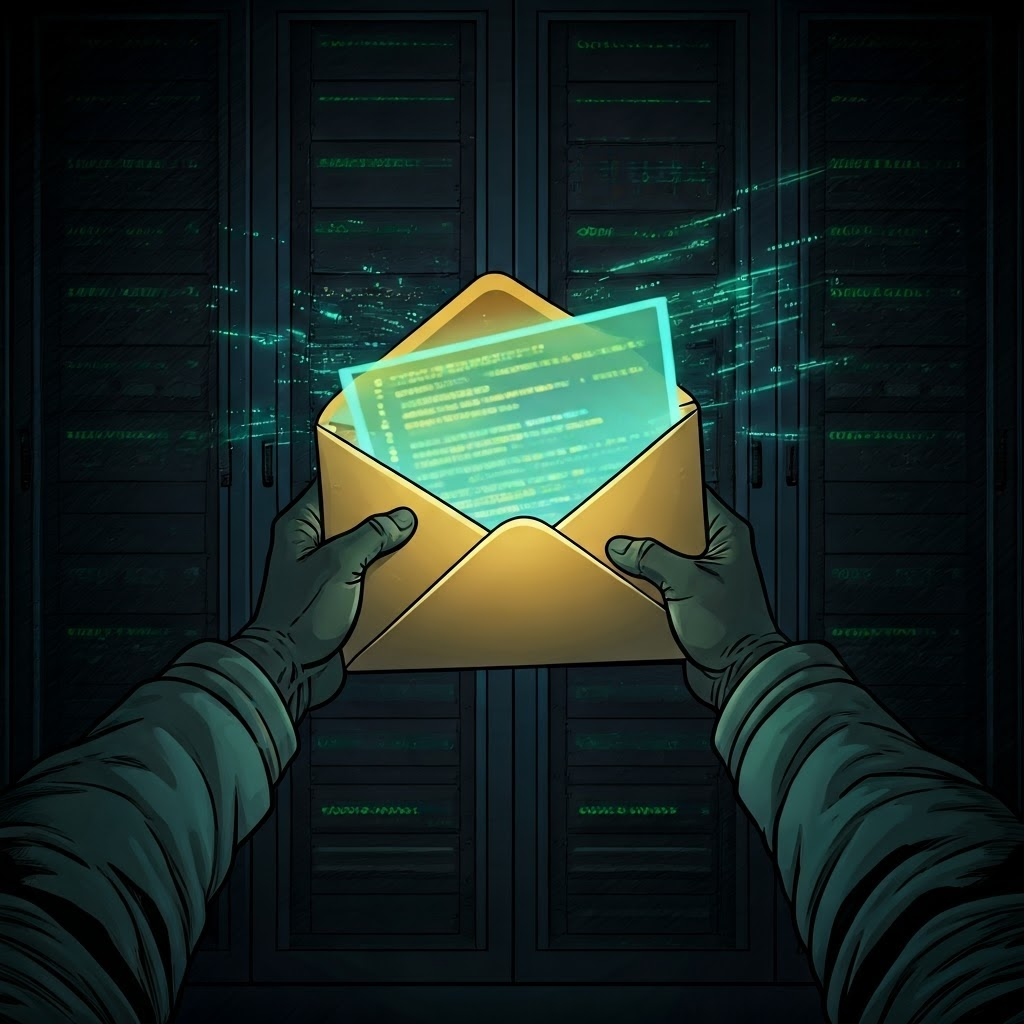
Tampering means altering a packet before sending it on. Eavesdroppers just read the data quietly. Busy hotspots make both tricks easier.
Where Things Go Wrong: Common Network Risks (summary)

Data passes many hands, but knowledge and encryption let you defend it. Use trusted networks, strong passwords, and secure sites to stay safe.
