
The Race for Atomic Power and Beyond
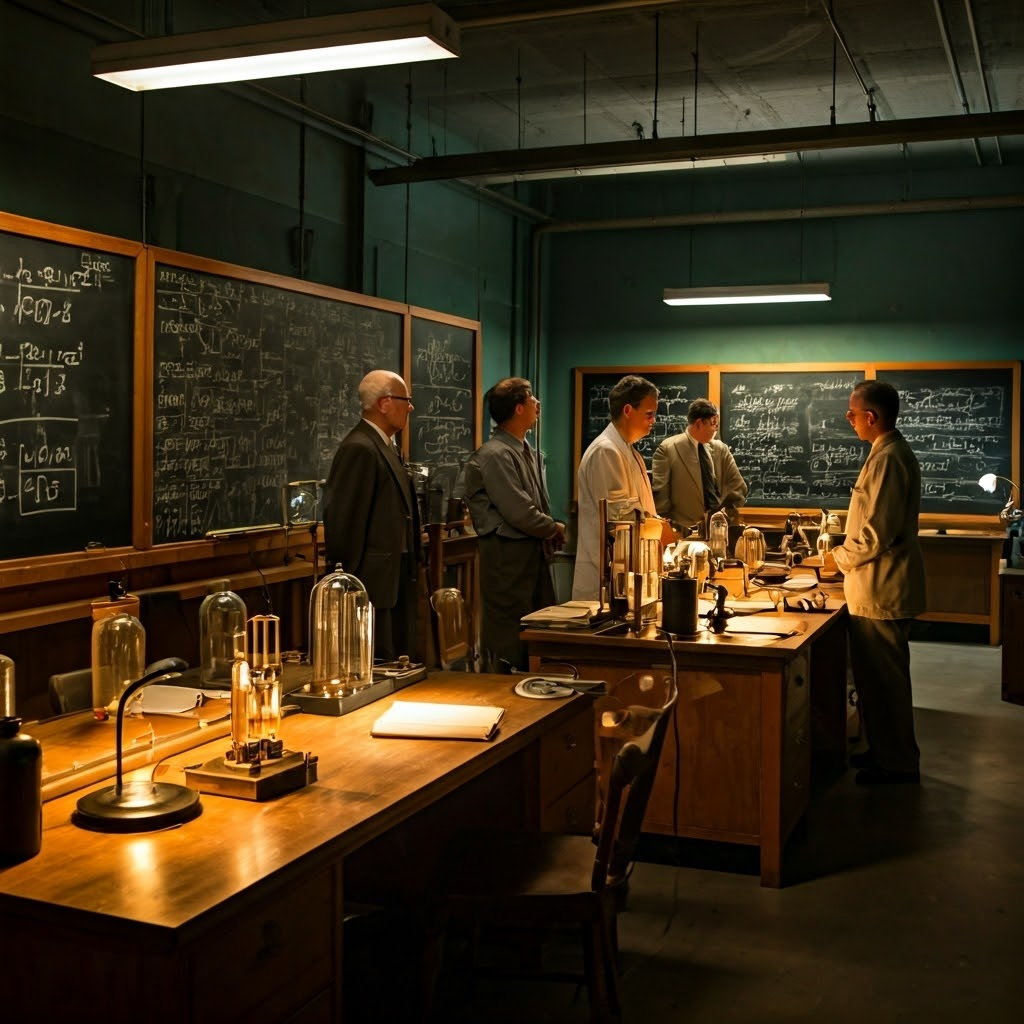
Atomic Secrets: The Manhattan Project
Imagine thinking science is quiet, then learning about the Manhattan Project—a covert race to control atomic energy during World War II. Refugee scientists warned the U.S. that Nazi Germany might build an atomic bomb first. Washington answered with a program so large it rivaled full industries.
Over 130,000 people joined, most unaware of the goal. J. Robert Oppenheimer led the Los Alamos team; Enrico Fermi and Niels Bohr guided key experiments. Their task: gather enough uranium-235 or plutonium-239, shape it precisely, and spark a chain reaction at the right instant.
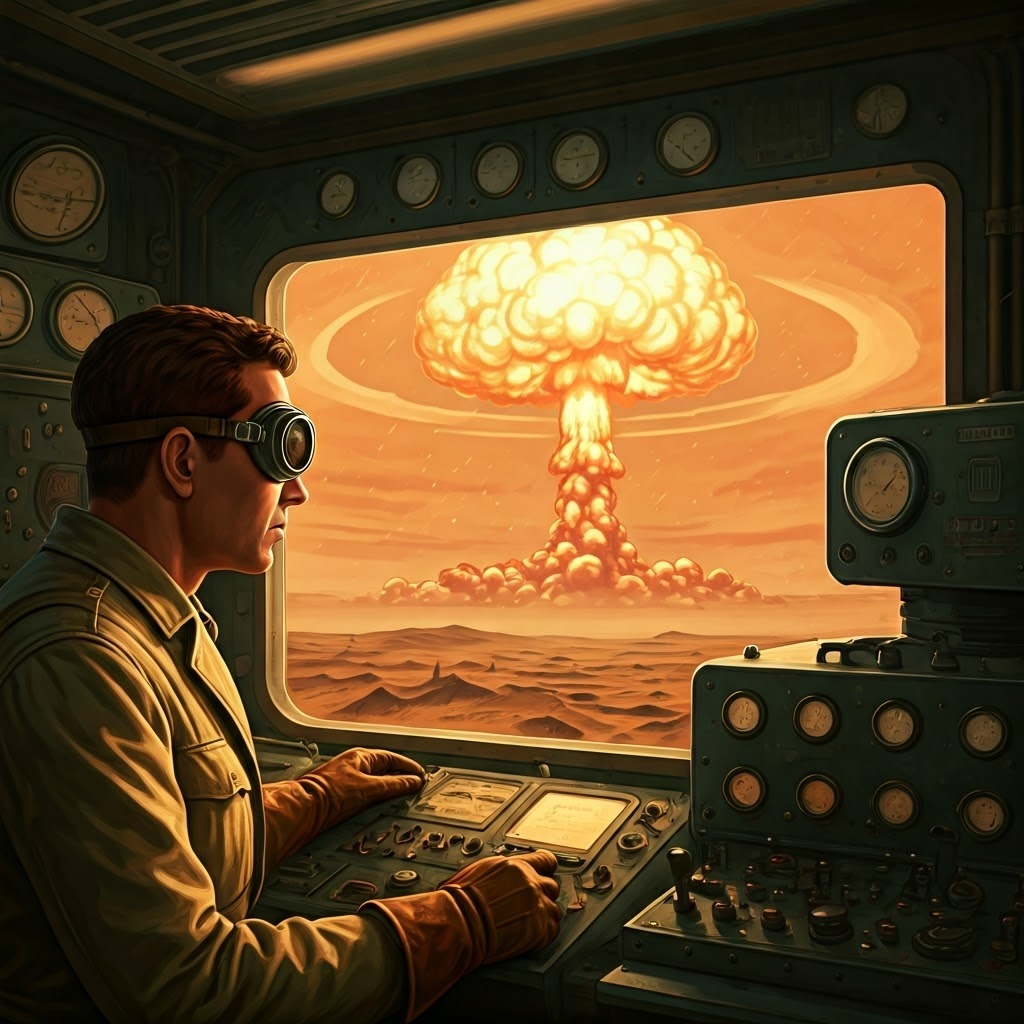
When a neutron hits those special nuclei, they split, release more neutrons, and unleash vast energy. Arrange the fuel correctly, and the reaction feeds itself. The real hurdle was making pure material and assembling it safely, all behind layers of secrecy.

Workers at Oak Ridge and Hanford wore badges yet knew only fragments of the puzzle; no one ever said “bomb.” In August 1945 the devices devastated Hiroshima and Nagasaki, ending the war days later and proving that human hands could now flatten cities in seconds.
Nations quickly split into two camps: those with nuclear knowledge and those racing to obtain it. The new reality reshaped politics, military strategy, and everyday fear.

Invisible Eyes: Radar, Sonar, and Electronic Warfare
While atomic work drew headlines, quieter technologies also shifted the war. Radar sent radio waves into the sky, then timed their echo. Britain’s Chain Home network spotted incoming bombers early, letting fighters scramble before the enemy arrived.
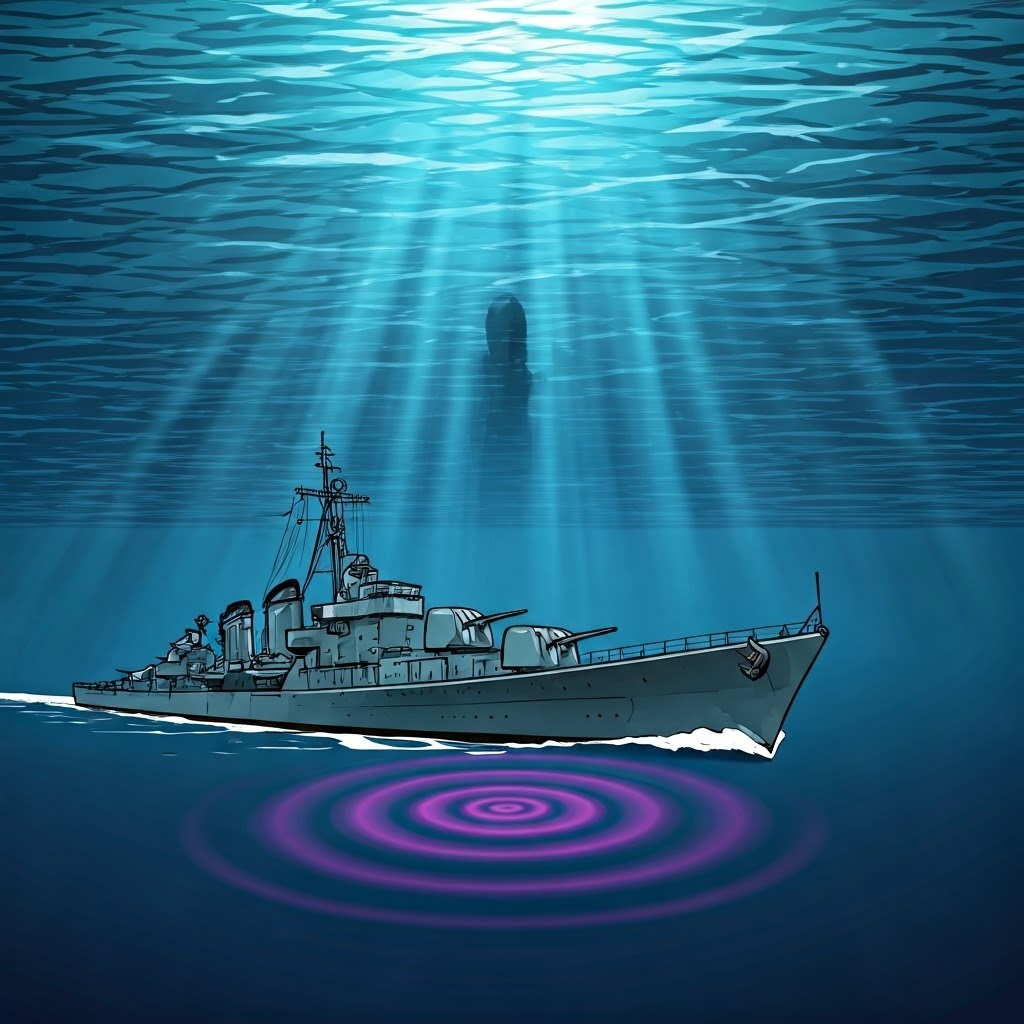
Underwater, sonar pings helped escorts detect U-boats that once hunted unseen. Convoys could now fight back across the Atlantic.
Electronic warfare soon followed. Each side jammed radios, faked signals, and clouded screens. These hidden duels saved lives yet blurred reality on the battlefield and laid groundwork for postwar electronics.
The Ethics of Power: Science in Wartime
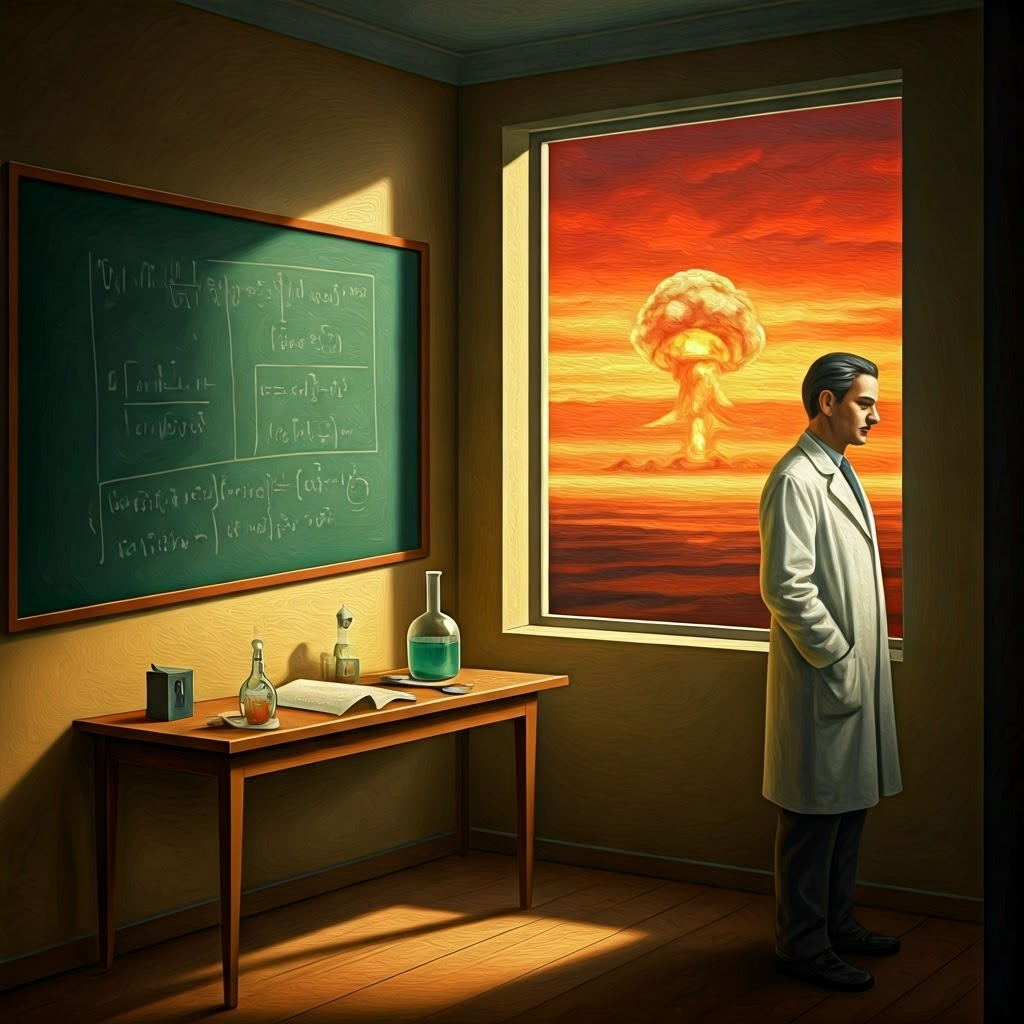
Great power invites hard choices. Oppenheimer quoted the Bhagavad Gita—“Now I am become Death”—after the first test, sensing the weight of what his team had done. Some argued the bomb ended the war swiftly; others felt the human cost was unbearable.

Similar moral puzzles shadowed radar, sonar, and jamming. The Cold War soon stockpiled enough warheads to destroy the planet many times. Peace movements and arms-control talks rose in response, reminding us that secret science always cuts both ways—advancing knowledge while forcing us to weigh its cost.
