17 min read  •  11 min listen

Scalability Showdown

Who Wins the Race to Make Blockchains Fast, Cheap, and Fair?

Scalability Showdown

AI-Generated

April 28, 2025

You’ve heard the hype about blockchains, but what happens when everyone wants in? This tome takes you behind the scenes of the race to make blockchains faster, cheaper, and still true to their roots. Get ready for a friendly tug-of-war between the brightest ideas in the space, and see which ones are winning, which ones are wobbling, and why it all matters.


The Scalability Trilemma: Why Blockchains Can’t Have It All (Yet)

Cyberpunk engineers struggle over glowing pillars labeled decentralization security scalability symbolizing blockchain trilemma

Blockchains chase three goals at once—decentralization, security, and scalability. This hard-to-balance mix is known as the trilemma.

The Three Pillars: Decentralization, Security, and Speed

Diverse participants share a holographic ledger illustrating blockchain decentralization

Decentralization spreads power across many users. Anyone can join, and no single group can twist the rules. This open design made Bitcoin disruptive because it removed central control from money.

Contrast between cryptographic security and high-speed transactions shows need to balance safety and scale

Security keeps funds and data safe. Strong cryptography and consensus rules block fraud and hacks. Users trust the network because breaking it costs more than following the rules.

Scalability measures how many transactions a network handles without slowdown. A city with two-lane roads works until rush hour; a blockchain with low throughput jams under demand.

Global network of miners securing Bitcoin demonstrates strong security but limited throughput

The Trilemma in Action: Why You Can’t Have Everything

Bitcoin nails decentralization and security, yet processes roughly seven transactions per second. Bigger blocks might speed things up, but they would push ordinary node operators out—hurting decentralization.

Side-by-side view of Ethereum’s careful pace and Solana’s rapid throughput highlights trade-offs

Ethereum lets users run smart contracts but still tops out near twenty transactions per second. When demand spikes, fees soar. Solana chases speed—thousands per second—but needs pricey hardware, so fewer people can run nodes. Each system trades one pillar for another.
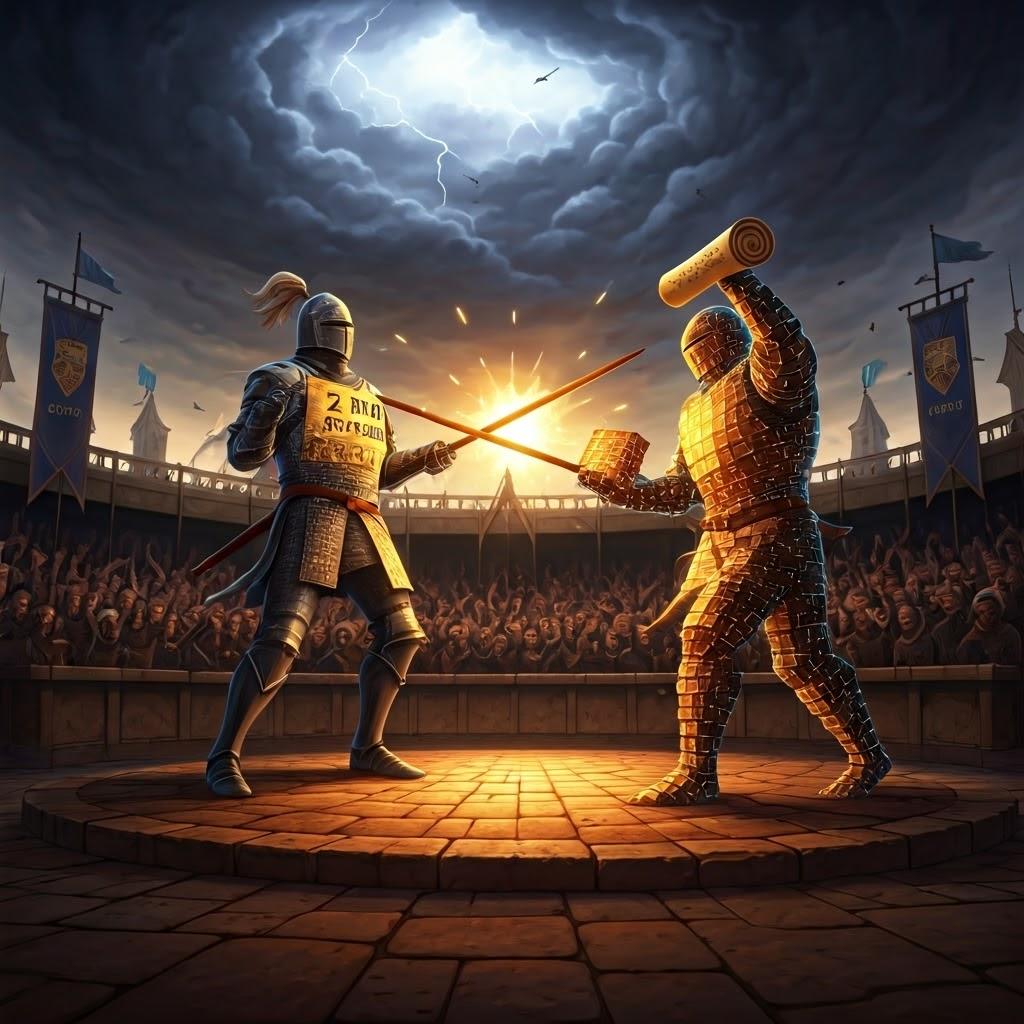
Knight duel over block size reveals conflict between larger blocks and node accessibility

Block Size Battles: The Great Debate

Bitcoin’s 1-megabyte block limit keeps the chain light. As usage grew, some pushed for larger blocks to fit more transactions. Bigger blocks raise throughput but require stronger computers, reducing accessibility and tilting power toward large operators.

Forked tree compares Bitcoin’s small blocks with Bitcoin Cash’s larger blocks and lower decentralization

The dispute split Bitcoin. Bitcoin Cash adopted larger blocks for faster payments. Fewer people, however, can run a full Bitcoin Cash node, so the network is less decentralized. The fork became a clear lesson—every fix creates a new flaw.
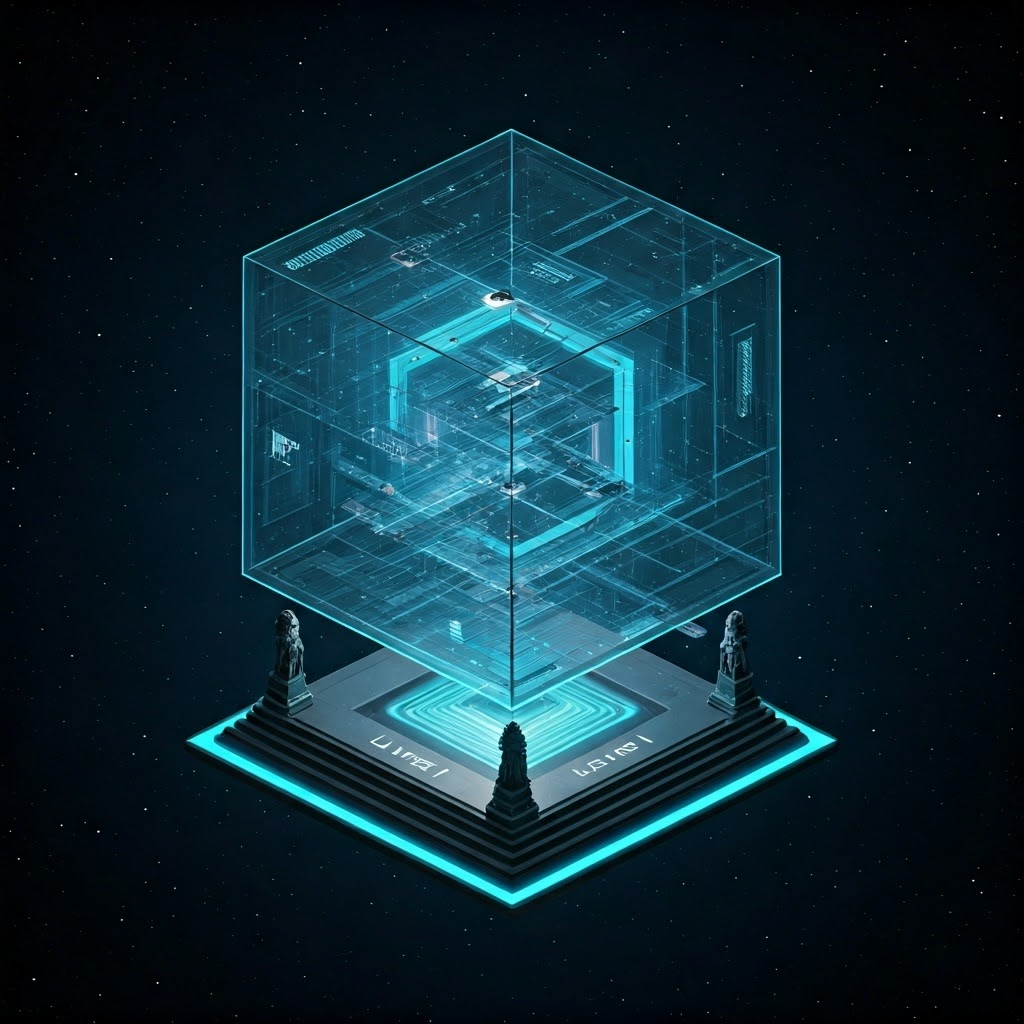
Layered cube visualizes Layer-1 security base with Layer-2 channels for scalability

Finding Balance (and Why It’s So Hard)

Most projects now layer solutions. A slim, secure base chain handles final settlement, while Layer-2 systems add speed. Each upgrade must answer three questions: does it weaken decentralization, compromise safety, or fail to scale? Until someone solves all three, the trilemma remains at blockchain’s core.


Tome Genius

Blockchain & Decentralized Systems

Part 9

Tome Genius

Cookie Consent Preference Center

When you visit any of our websites, it may store or retrieve information on your browser, mostly in the form of cookies. This information might be about you, your preferences, or your device and is mostly used to make the site work as you expect it to. The information does not usually directly identify you, but it can give you a more personalized experience. Because we respect your right to privacy, you can choose not to allow some types of cookies. Click on the different category headings to find out more and manage your preferences. Please note, blocking some types of cookies may impact your experience of the site and the services we are able to offer. Privacy Policy.
Manage consent preferences
Strictly necessary cookies
Performance cookies
Functional cookies
Targeting cookies

By clicking “Accept all cookies”, you agree Tome Genius can store cookies on your device and disclose information in accordance with our Privacy Policy.

00:00