15 min read  •  13 min listen

Sands of Survival

How Life, Water, and Ingenuity Shape the World’s Harshest Places

Sands of Survival

AI-Generated

April 25, 2025

You think you know what a desert is—just sand and sun, right? Think again. Step into a world where life finds a way against all odds, where water is treasure, and where every grain of sand has a story. Get ready to see deserts as you never have before.


Where the Sand Never Sleeps: The Many Faces of Deserts

Most people picture deserts as searing sand seas, yet rainfall—not heat—defines them. Any place that receives under 10 inches (250 mm) of water a year counts as a desert. That’s less than a single bathtub. Some deserts scorch, others freeze—Antarctica holds the title of largest desert.
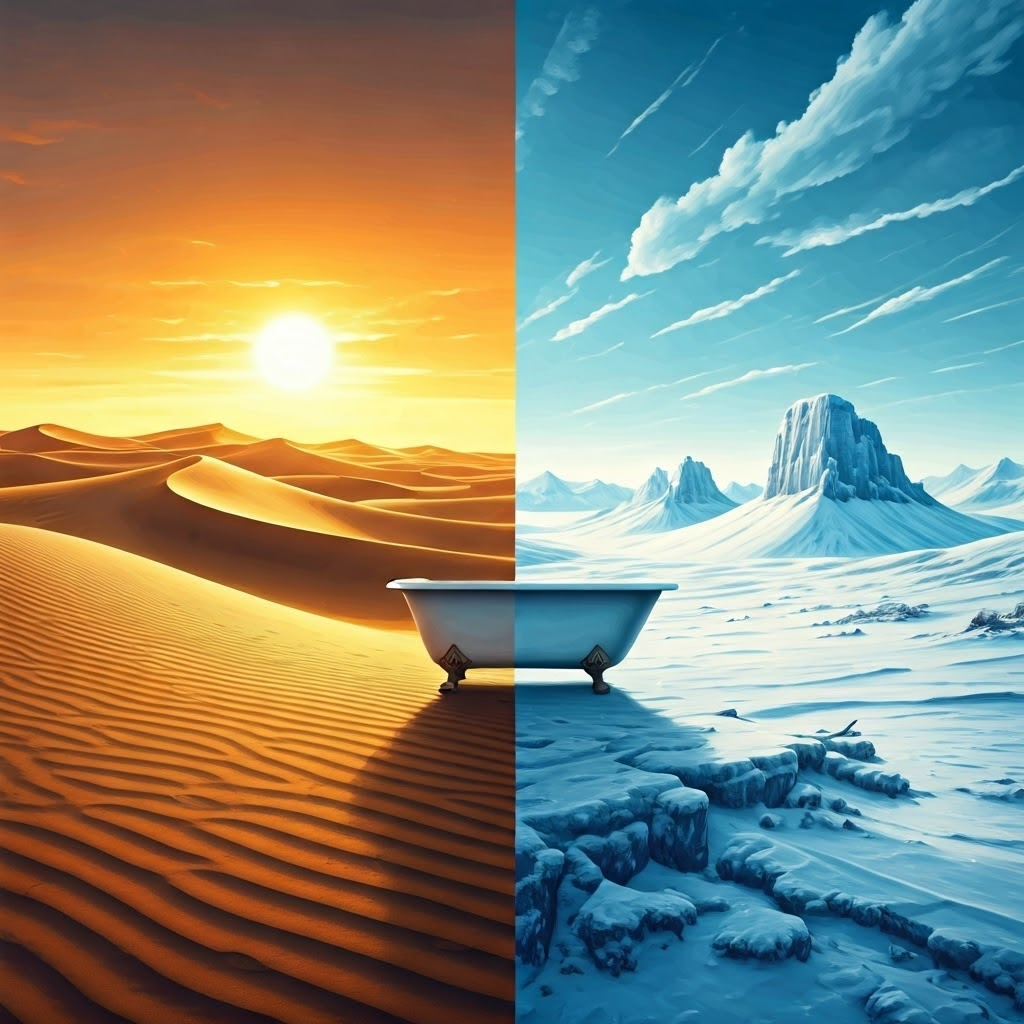
Split-scene illustration contrasts hot sandy dunes with icy tundra, highlighting the 250 mm yearly rainfall limit. A lone bathtub visualizes the tiny amount of water.

What Makes a Desert?

Antarctica gets almost no precipitation; years can pass with clear skies. Together with the Arctic, polar deserts dominate global desert area. Snow piles up, yet fresh moisture seldom arrives, so the landscape stays parched despite the ice.
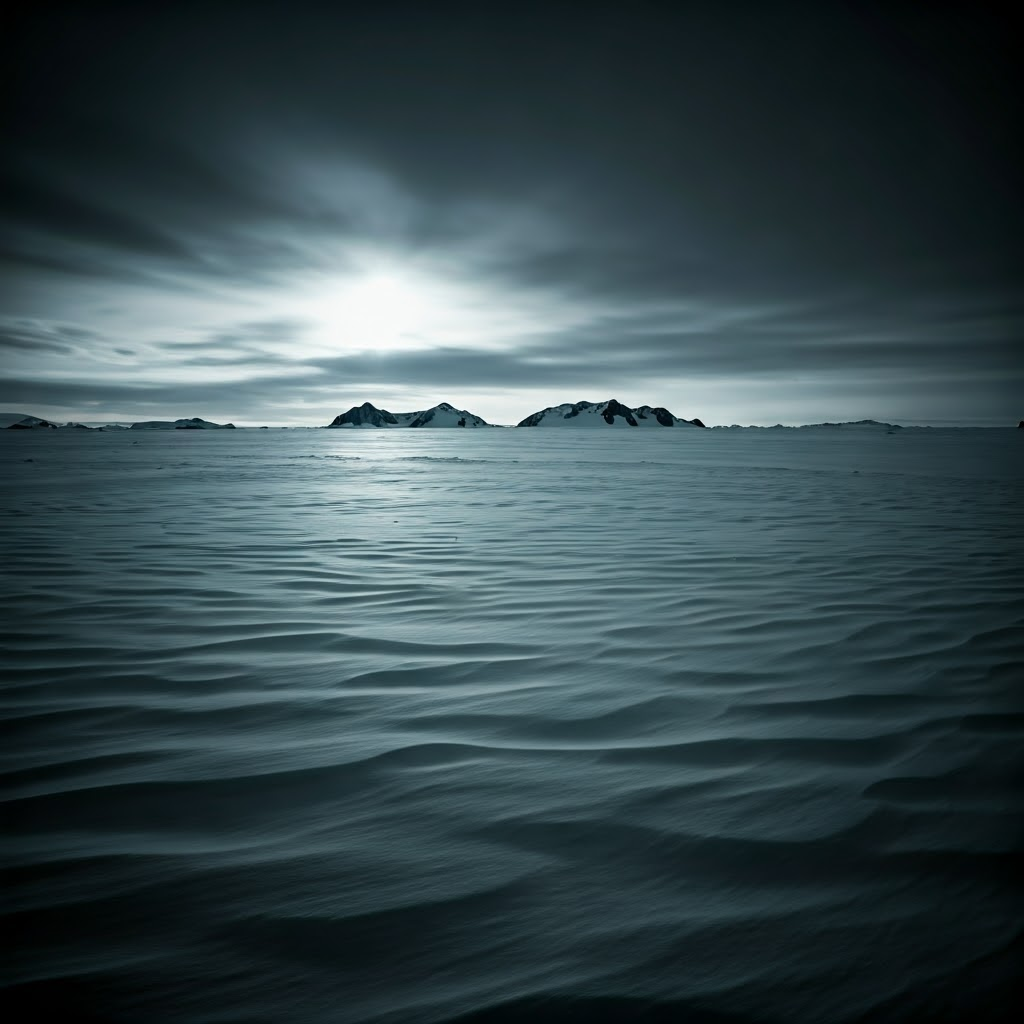
Black-and-white photograph of endless Antarctic ice ridges under brooding clouds, conveying extreme dryness.

Hot, Cold, and Everything In Between

The classic hot desert—think the Sahara or the Arabian Desert—bakes above 120 °F (49 °C). Beyond rolling dunes, you’ll find gravel plains, rocky outcrops, saguaro cacti, and rattlesnakes.
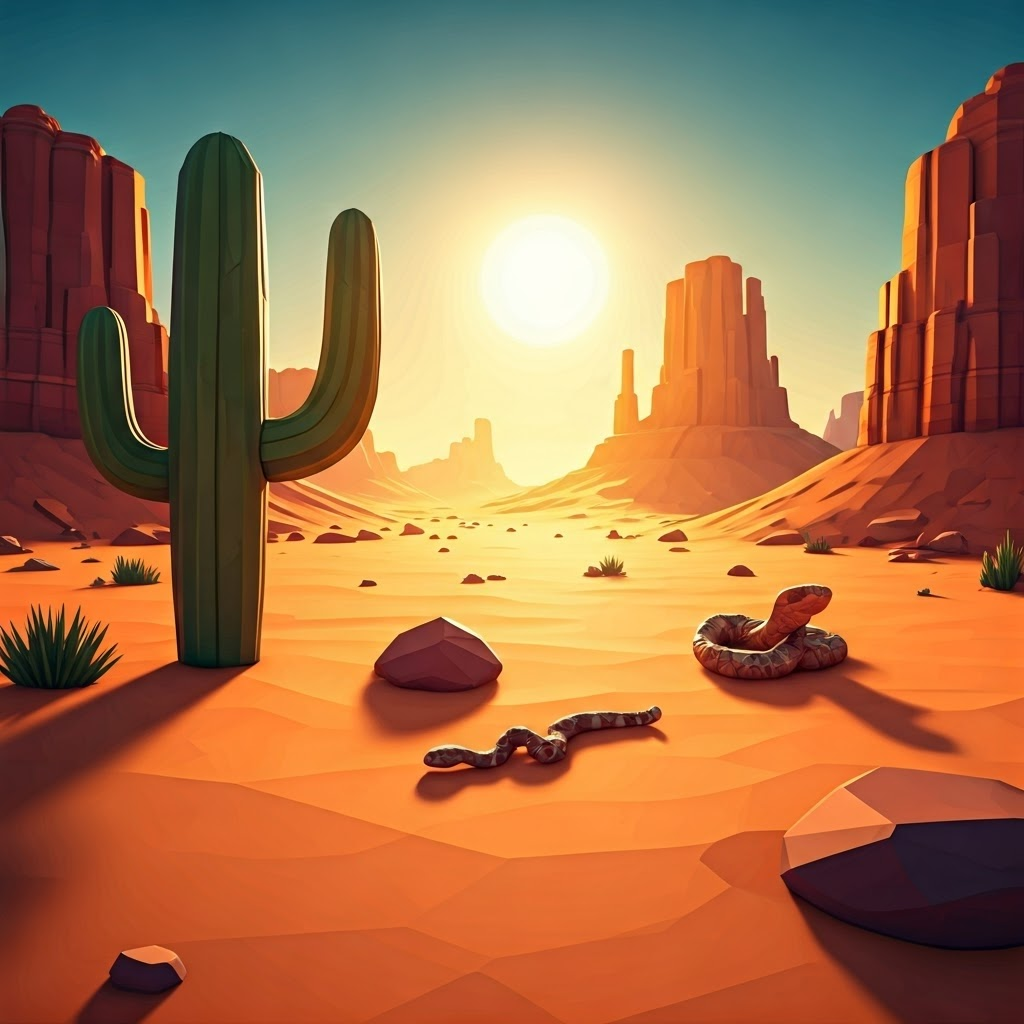
Low-poly render shows sun-baked dunes, rocky plains, and a stylized saguaro with a rattlesnake, symbolizing hot deserts.

Hot, Cold, and Everything In Between

Cold deserts sound odd until you feel them. The Gobi drops below freezing, its ground cracking in winter and chilling even summer nights. In the polar deserts, abandoned food simply mummifies.
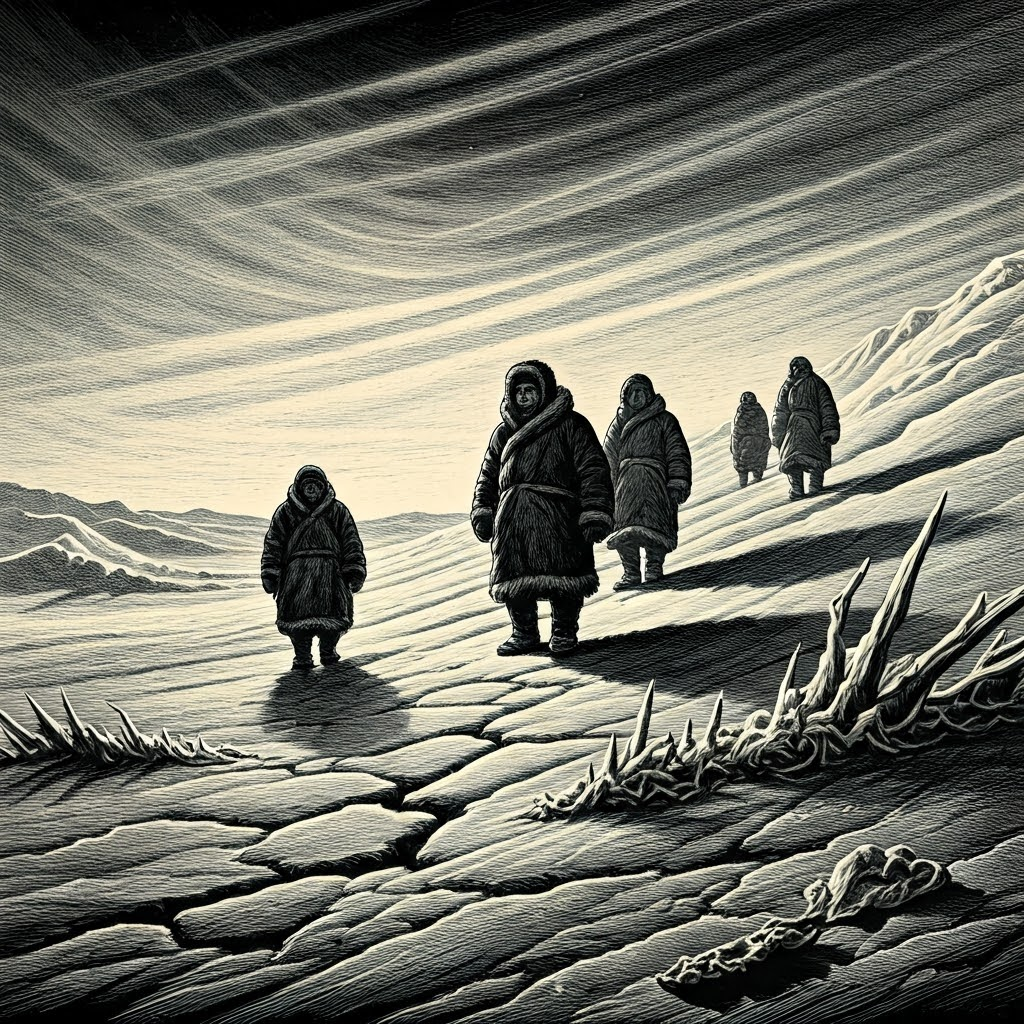
Scratchboard scene of fur-clad travelers crossing the frozen Gobi, highlighting cold desert extremes.

Hot, Cold, and Everything In Between

Coastal deserts form where chilly ocean currents stop clouds from growing. Chile’s Atacama is the driest place on Earth; some gauges have never recorded rain. Residents stretch nets to catch life-giving fog.
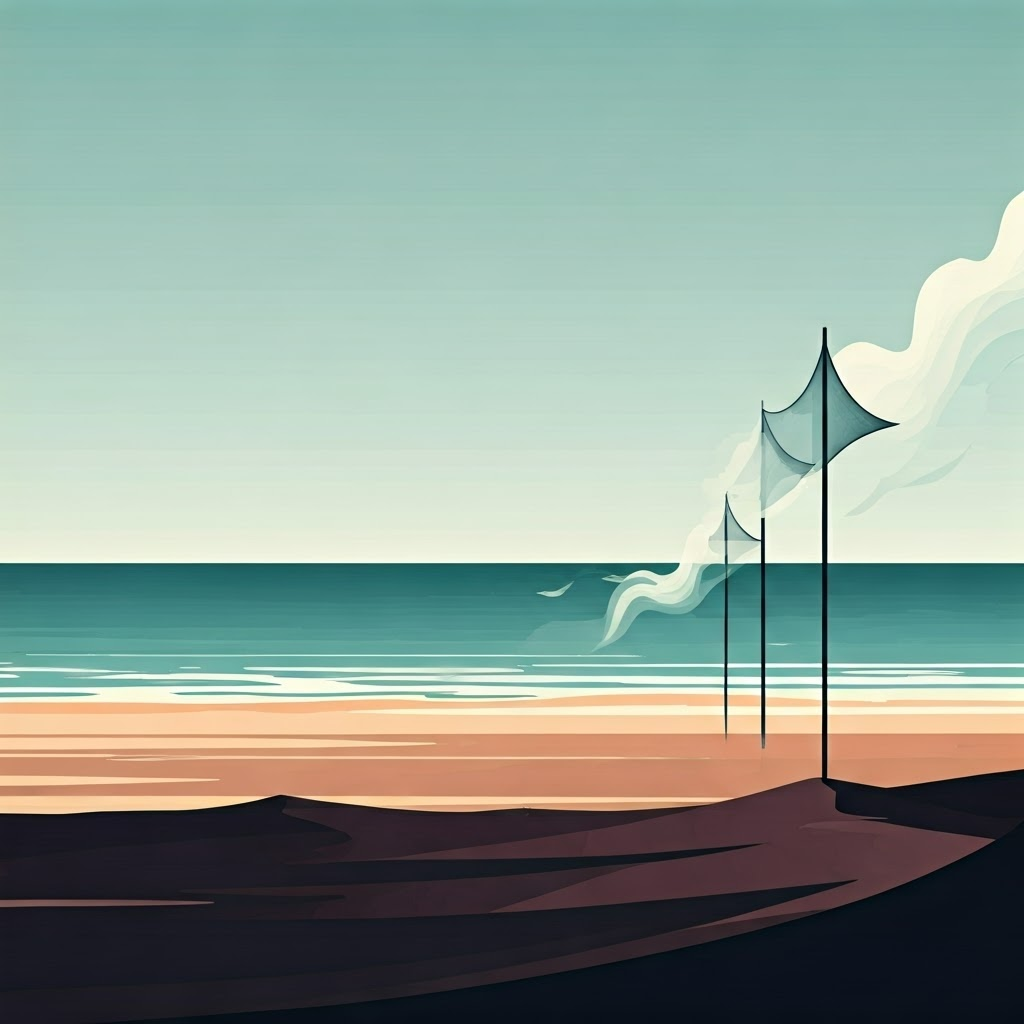
Minimalist vector art shows the Atacama shore with fog-collecting nets against barren sand.

Hot, Cold, and Everything In Between

Mountains can steal moisture, creating rain-shadow deserts. The Great Basin and Patagonian deserts sit in the dry lee of high ranges that act like vast umbrellas.
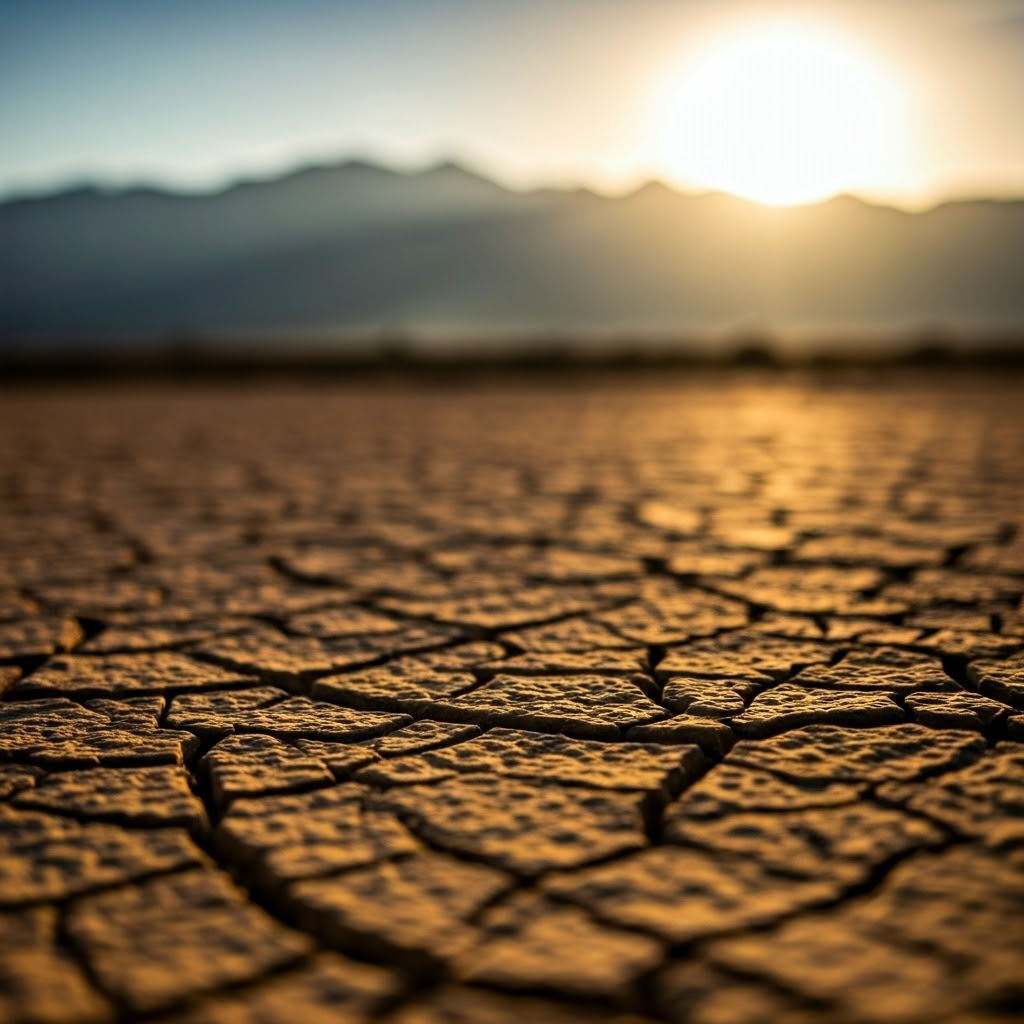
Photorealistic close-up of cracked earth leading to mist-shrouded mountains that block rain, illustrating a rain-shadow desert.

Desert Surprises: Not Just Sand Dunes

Only about 20 % of deserts are dunes; the rest are rocky plateaus, gravel plains, salt flats, or snowfields. Iran’s Dasht-e Kavir gleams white after rare showers leave a salty crust.
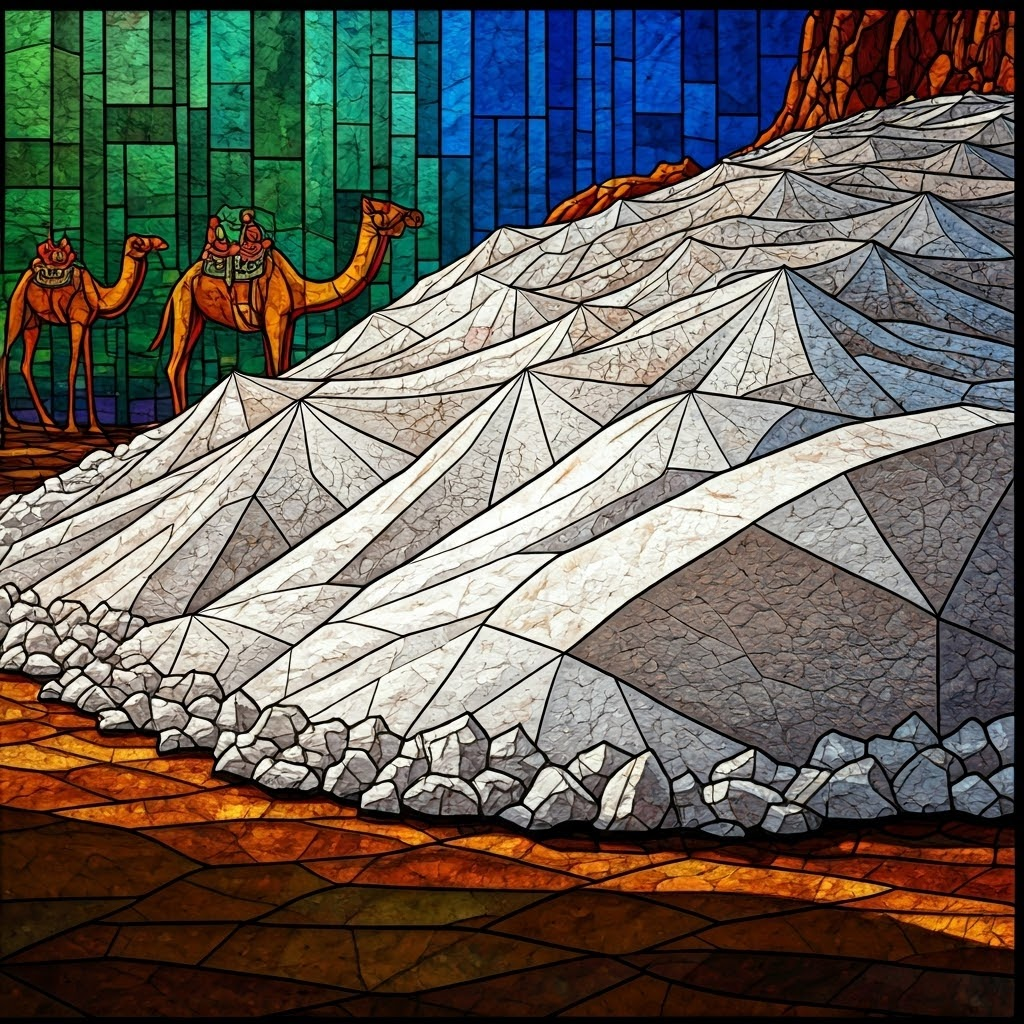
Vibrant mosaic shows shimmering white salt crystals and stylized camels beside jewel-toned oases, revealing a salt desert’s beauty.

Desert Surprises: Not Just Sand Dunes

Snow coats some deserts. The high Colorado Plateau may wear a winter veil that later gives way to spring wildflowers. On Bolivia’s Salar de Uyuni, rain briefly turns the salt flat into a perfect sky mirror.
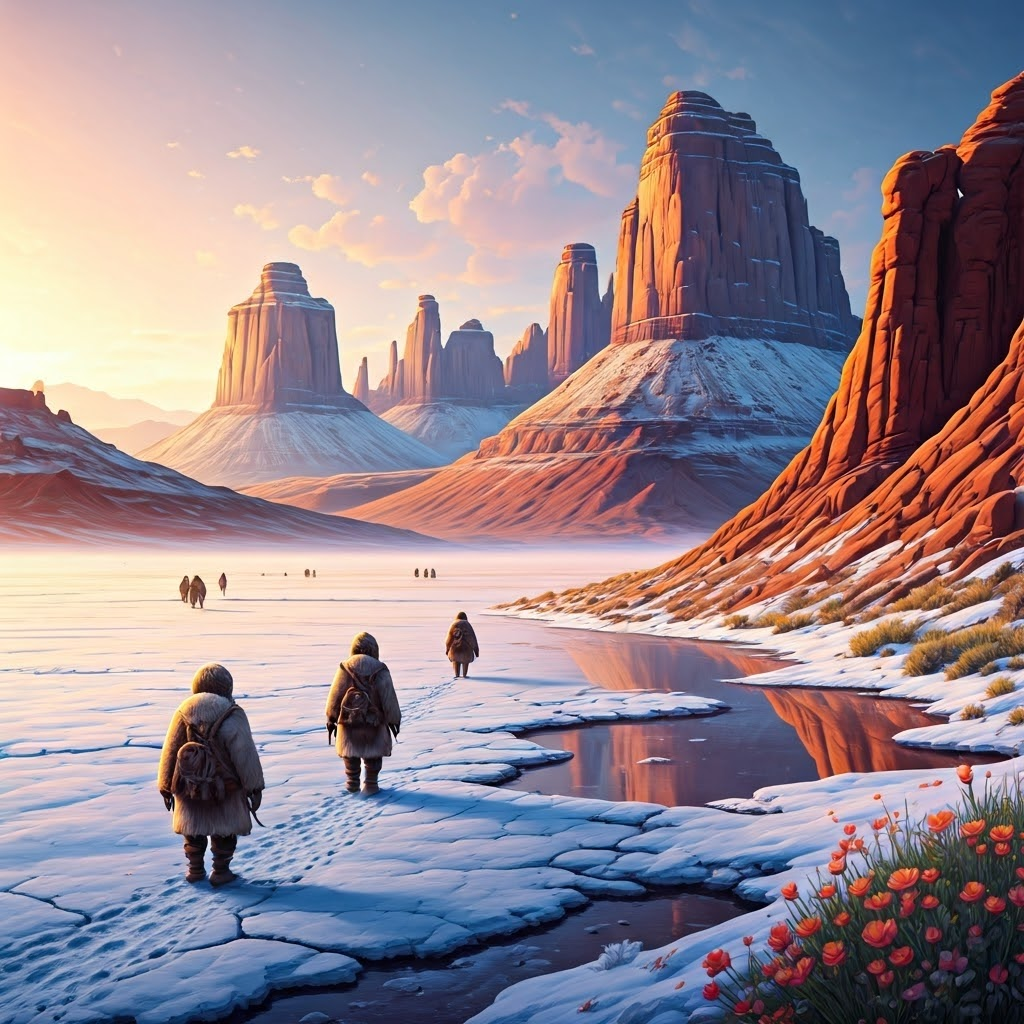
Cinematic painting blends snowy Gobi scenes, red-rock canyons, and a reflective salt flat under pastel skies.

Desert Surprises: Not Just Sand Dunes

From Australia’s stony Outback to Namibia’s dunes that crash into the ocean, deserts constantly rewrite expectations. Think of ice-covered wastelands, fog-drenched coasts, and mirror-like salt flats—a showcase of nature’s creativity with almost no water.
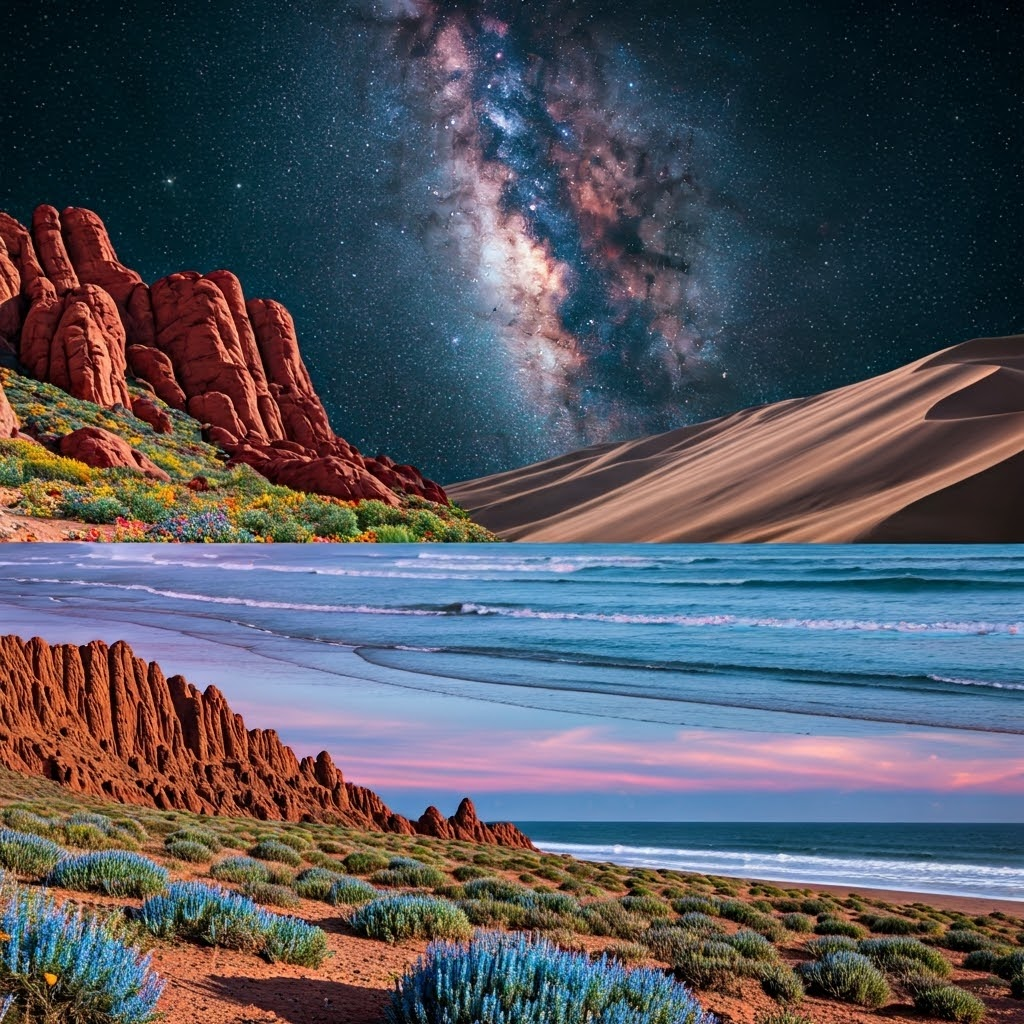

Surreal collage merges red canyons with wildflowers, mirror-smooth salt flats, and towering coastal dunes beside the ocean under a starry sky.


Tome Genius

The Wonders of Nature

Part 4

Tome Genius

Cookie Consent Preference Center

When you visit any of our websites, it may store or retrieve information on your browser, mostly in the form of cookies. This information might be about you, your preferences, or your device and is mostly used to make the site work as you expect it to. The information does not usually directly identify you, but it can give you a more personalized experience. Because we respect your right to privacy, you can choose not to allow some types of cookies. Click on the different category headings to find out more and manage your preferences. Please note, blocking some types of cookies may impact your experience of the site and the services we are able to offer. Privacy Policy.
Manage consent preferences
Strictly necessary cookies
Performance cookies
Functional cookies
Targeting cookies

By clicking “Accept all cookies”, you agree Tome Genius can store cookies on your device and disclose information in accordance with our Privacy Policy.

00:00