
Canals, Coups, and Cairo: The Middle East in the Crosshairs

The Suez Canal is a 120-mile waterway that links the Mediterranean and Red Seas, cutting travel time around Africa. Whoever holds the canal decides who can pass and at what price. After World War II, this shortcut grew even more valuable, yet Britain and France still controlled it.
In 1956 Egypt’s President Gamal Abdel Nasser nationalized the canal to reclaim revenue for his country. Britain, France, and Israel invaded—Israel struck from the east, while European forces claimed they wanted order. The United States and the Soviet Union opposed the attack, so the invaders withdrew, and Egypt kept control.
The crisis exposed the limits of old European power and lifted Egypt as an independent voice in world affairs. For many in the region, the episode signaled the dawn of post-colonial politics and inspired new movements for self-determination.
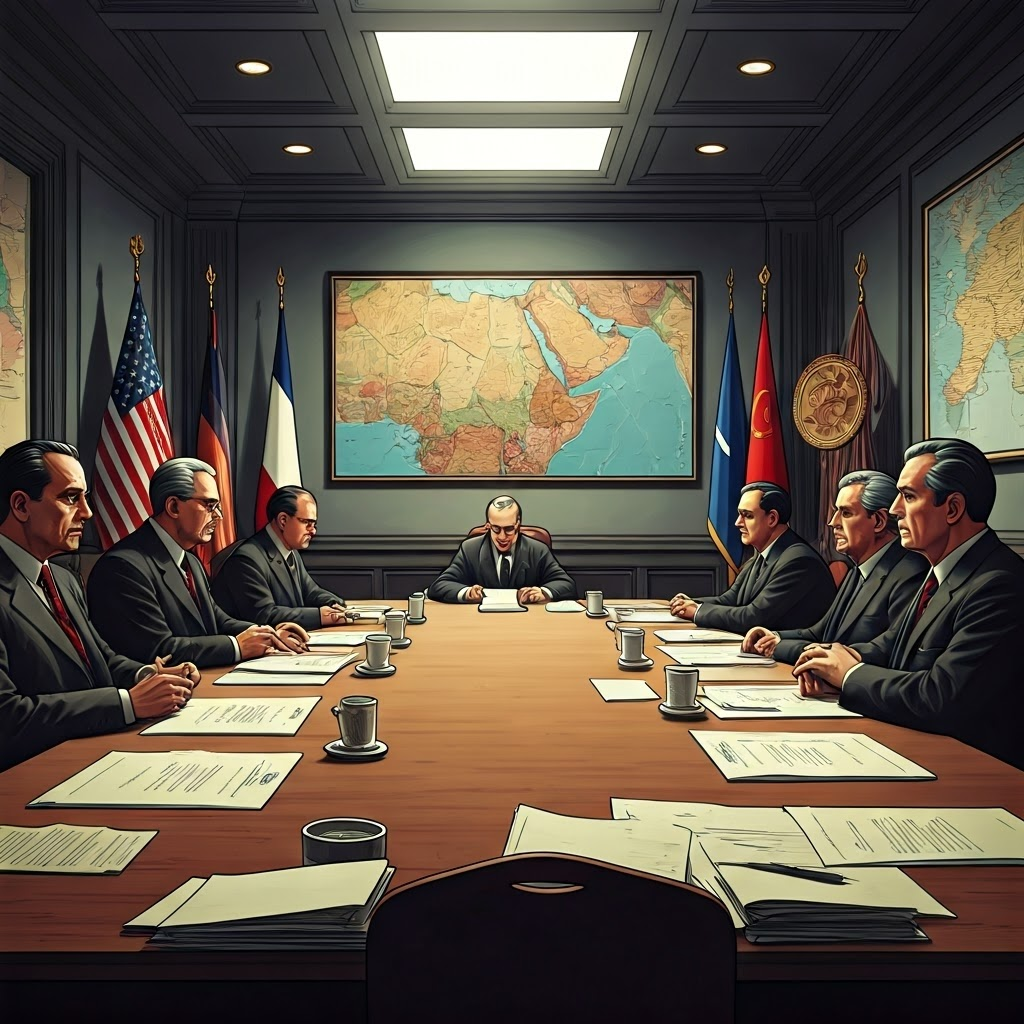
Nasser’s Game: Pan-Arabism and Non-Alignment
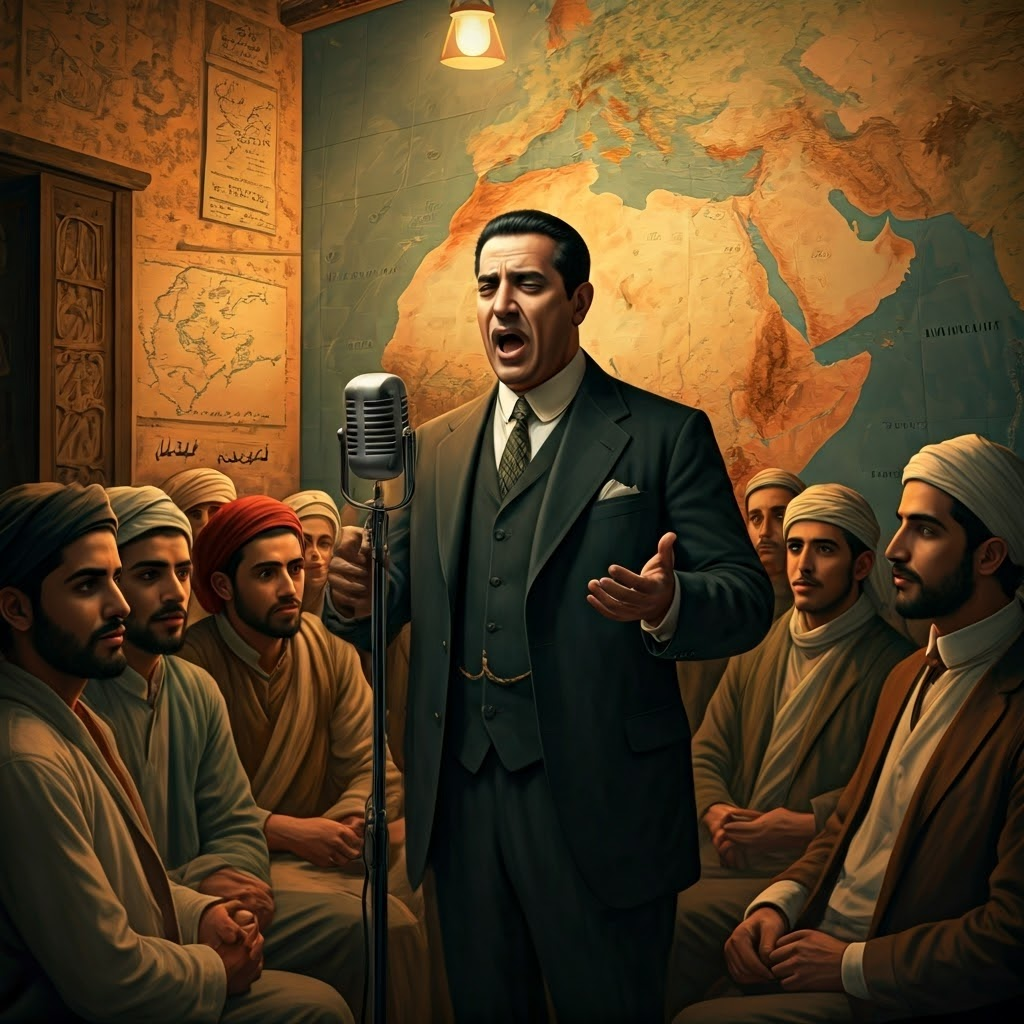
Gamal Abdel Nasser promoted pan-Arabism, urging Arabic-speaking nations from Morocco to Iraq to unite under Egyptian leadership. He believed shared language and culture could shield the region from foreign dominance and boost collective strength.
To avoid choosing sides in the Cold War, Nasser followed non-alignment. He accepted aid and arms from both superpowers without pledging loyalty. The approach gave Egypt flexibility but risked backlash if he leaned too far toward either camp.
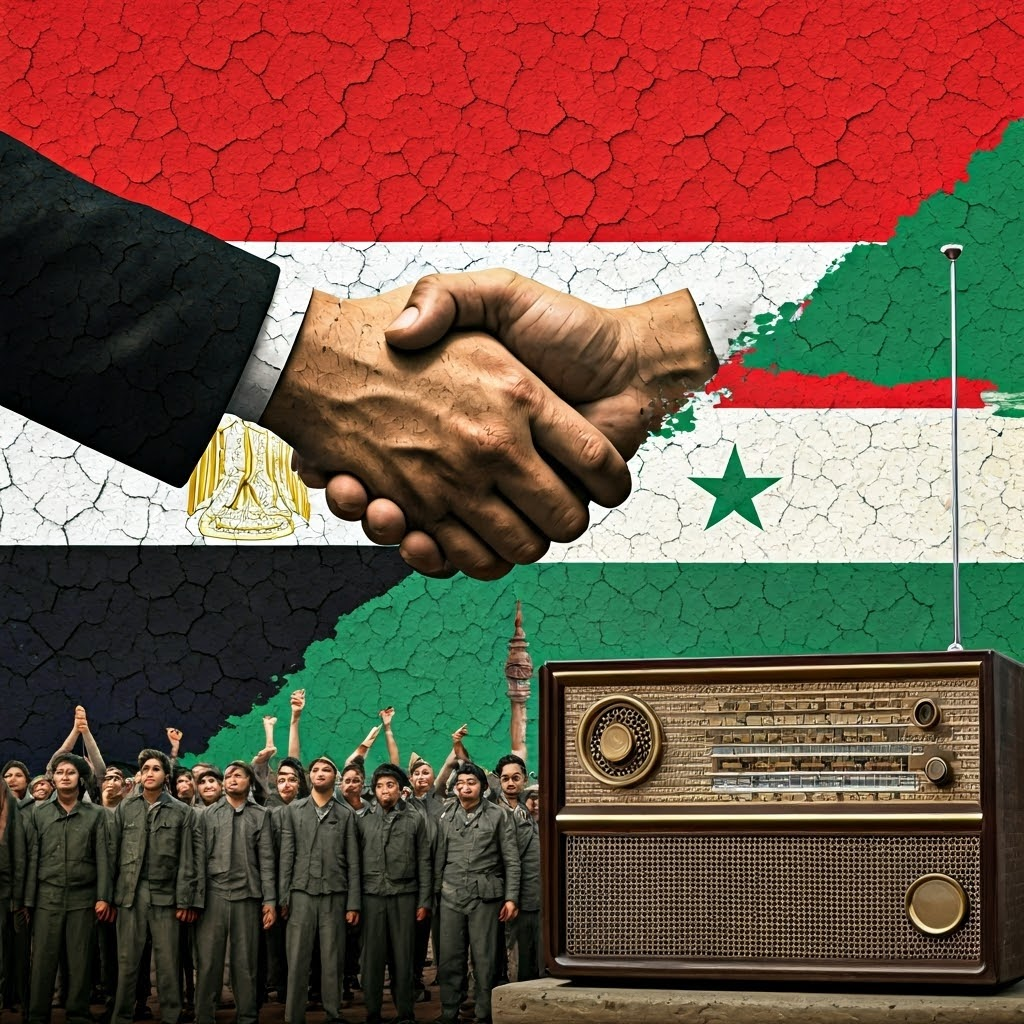
Other Arab leaders watched carefully. Some admired Nasser’s nerve; others feared his bold actions might trigger war with Israel. Egypt and Syria even formed the United Arab Republic in 1958, but Syria left within a few years, proving unity was fragile.
From Cairo, the “Voice of the Arabs” radio spread hopeful slogans, while posters filled streets. Young people flocked to the city, drawn by promises of jobs, poetry, and progress.
Oil, Promises, and the Eisenhower Doctrine

Vast Middle Eastern oil fields held unimaginable riches, yet foreign companies controlled most wells. The Soviet Union offered loans and weapons, so in 1957 the United States issued the Eisenhower Doctrine—aid and arms to any state resisting communism, with an eye on oil routes.
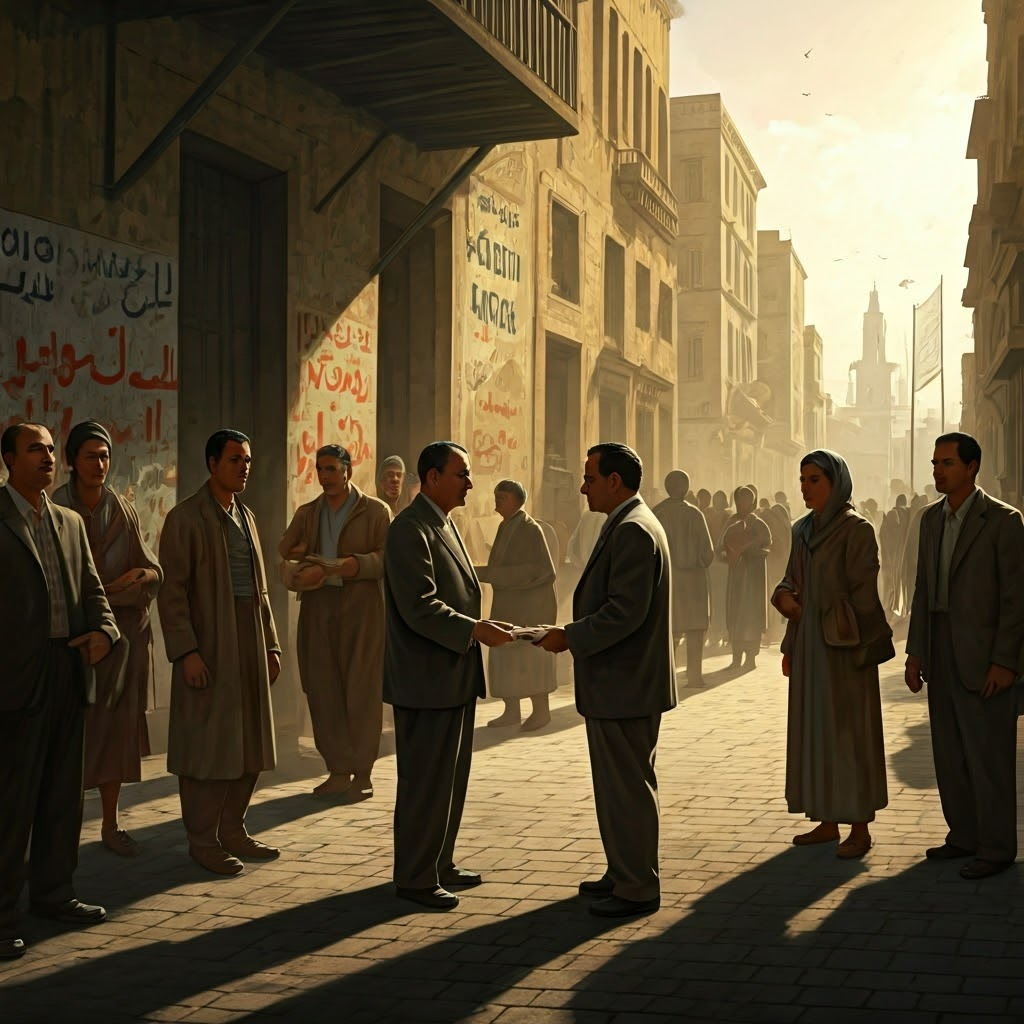
Superpower rivalry bred secret deals, coups, and shifting loyalties. Some rulers leveraged the competition for better terms; others lost power when promises failed. Ordinary citizens felt the squeeze through job uncertainty, foreign troops on streets, and hopes for fair wealth that rarely arrived.
From Iran’s 1953 coup to interventions in Jordan and Lebanon, stability proved elusive. The race for oil and influence often outweighed local needs, leaving lasting scars.
Connections and Consequences

During the Cold War, the Middle East became a global chessboard. Nasser’s canal victory showed foreign control had limits, sparking modern Arab nationalism. Pan-Arab dreams flickered but seldom endured. Oil brought both wealth and risk, fueling interventions and coups. These intertwined themes continue to shape today’s conflicts and alliances.
