
Walking Through Walls: How Sacred Spaces Are Built and Felt
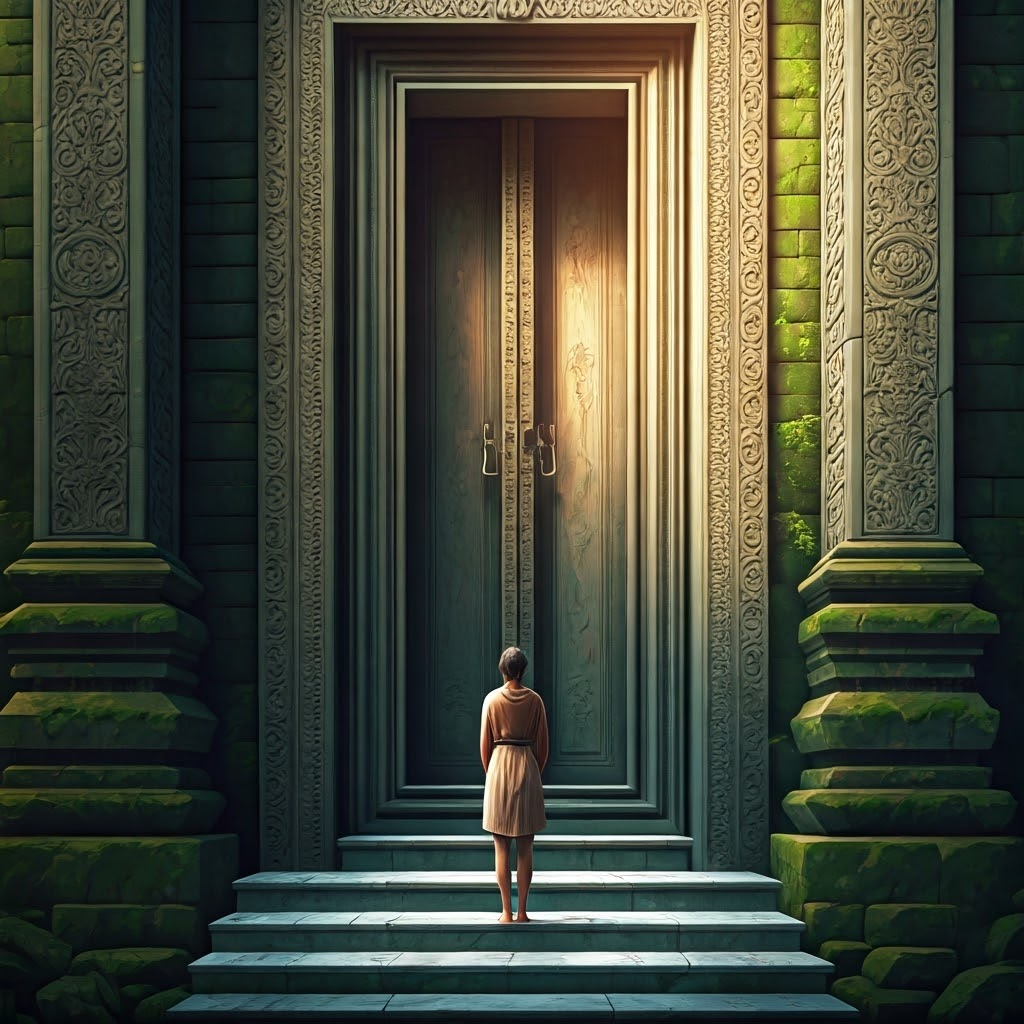
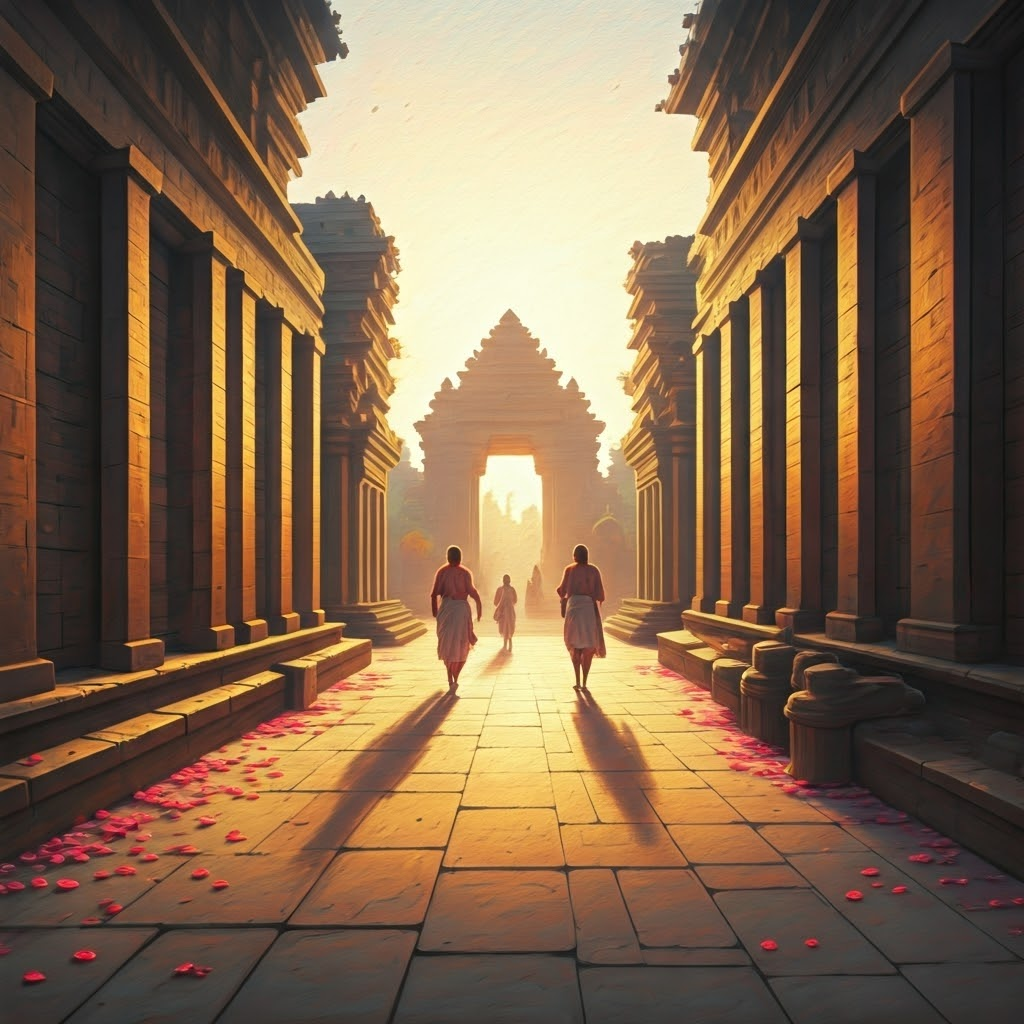
Crossing a sacred threshold feels different from a normal doorway. Your body senses a line between outside and in. Removing shoes on cool marble or bowing at a gate signals respect. Each tradition offers its own cue—one threshold that tells you, “This place is special.”
First Steps: Entering the Sacred
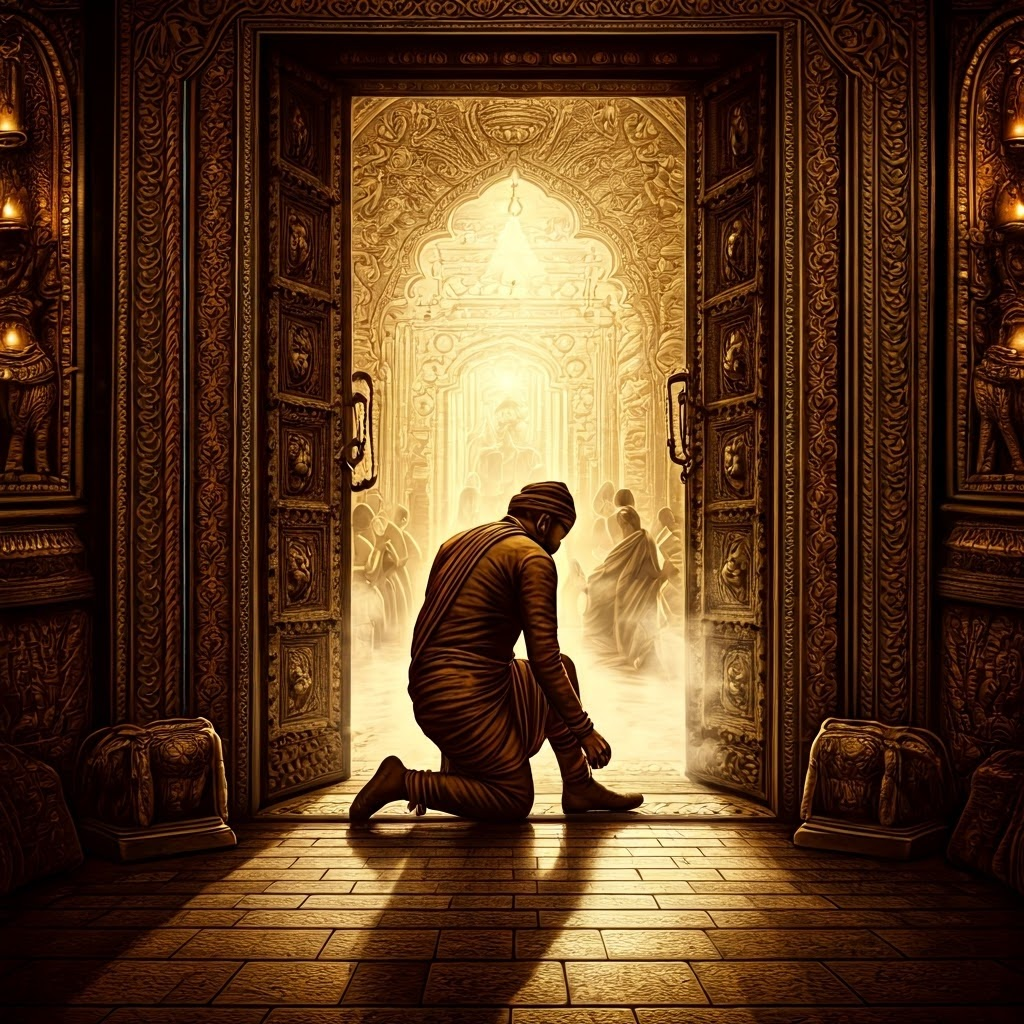
Entry rituals act like a mental reset. They slow you down after a busy day. Gothic portals lift your gaze, while Jerusalem’s gates compress history into stone. Stepping from noisy streets into a mosque courtyard, you hear water and your own footsteps—one transition that shifts your focus.
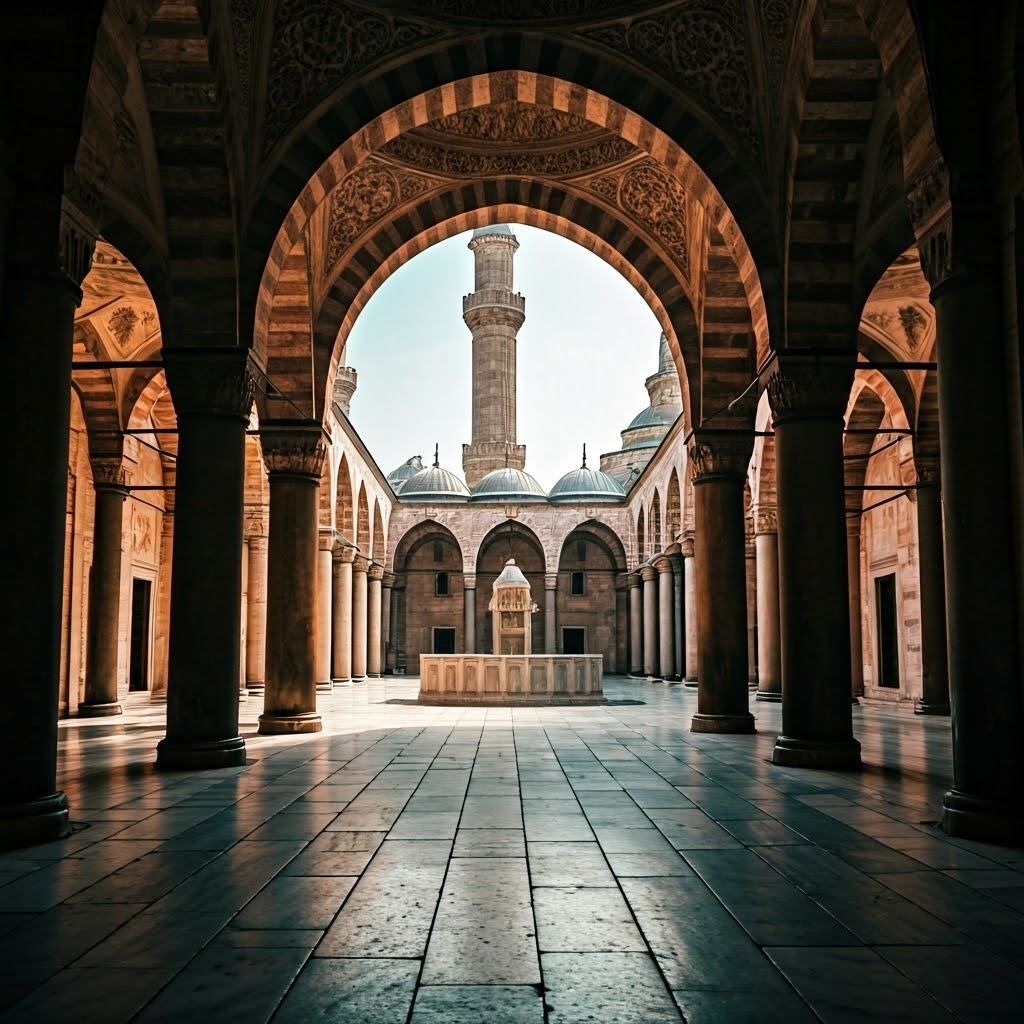
These crossings invite you to leave the ordinary behind. Whether ancient or recent, the choreography guides mind and body. Historian Oleg Grabar notes that Islamic gateways whisper, “Something of another order begins.” The simple act of moving inward becomes a living ritual.
The Heart of the Matter: Central Spaces and Their Meaning
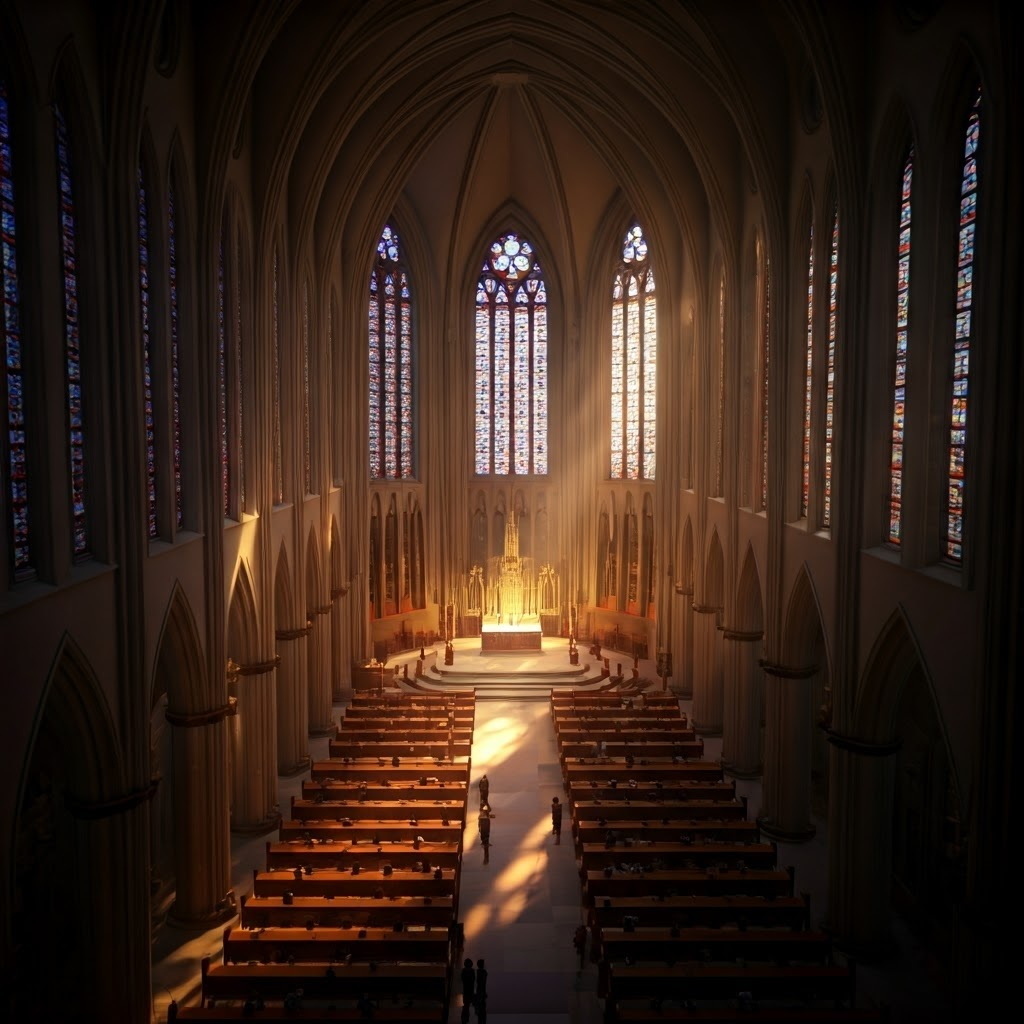
Inside, most sacred buildings center attention. A mandir’s garbhagriha is a small womb-like room for the deity. A cathedral nave stretches like an avenue toward the altar, its light marking the way. The floor plan doubles as a procession, steering movement and emotion.
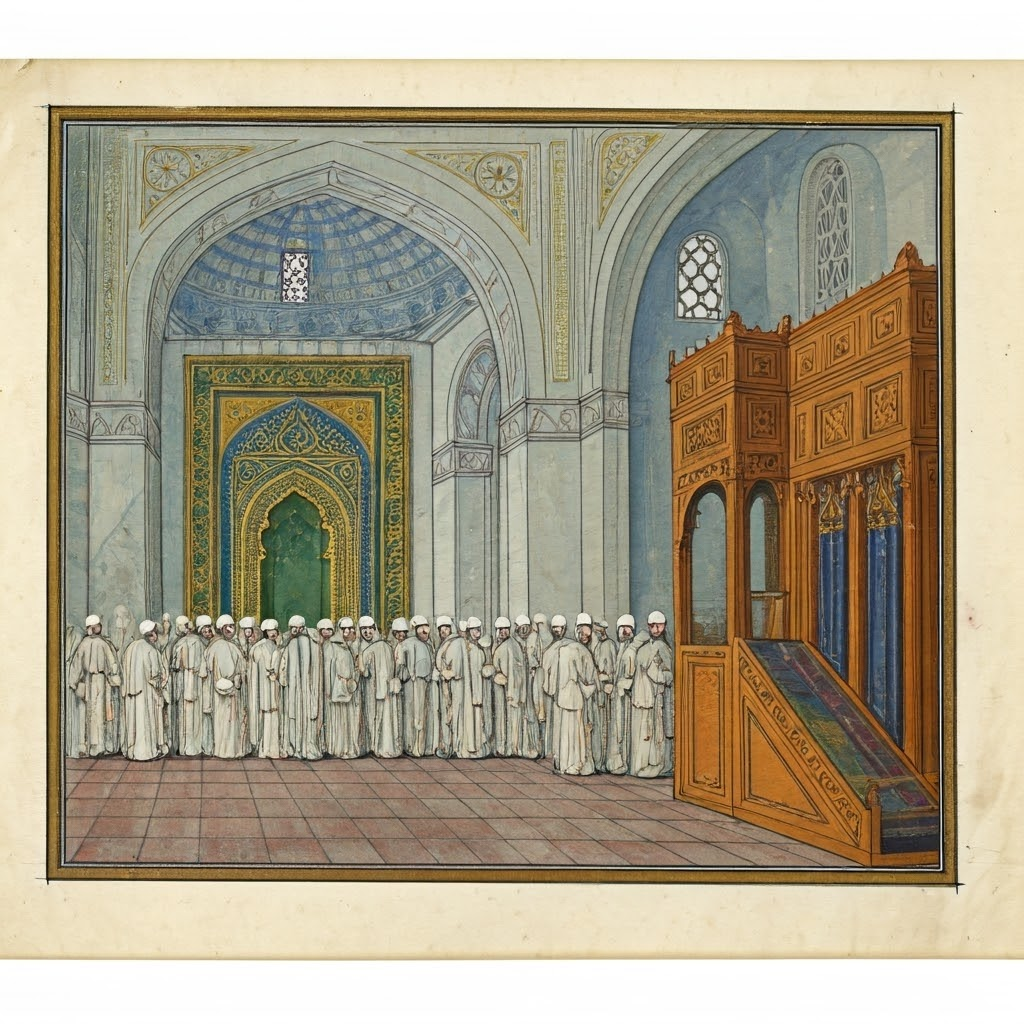
Mosques point to Mecca through the qibla wall and its mihrab. Synagogues highlight the ark and bimah. A gurdwara honors the Guru Granth Sahib while placing the langar hall nearby for shared meals. Each layout shapes a common focus that gathers people together.
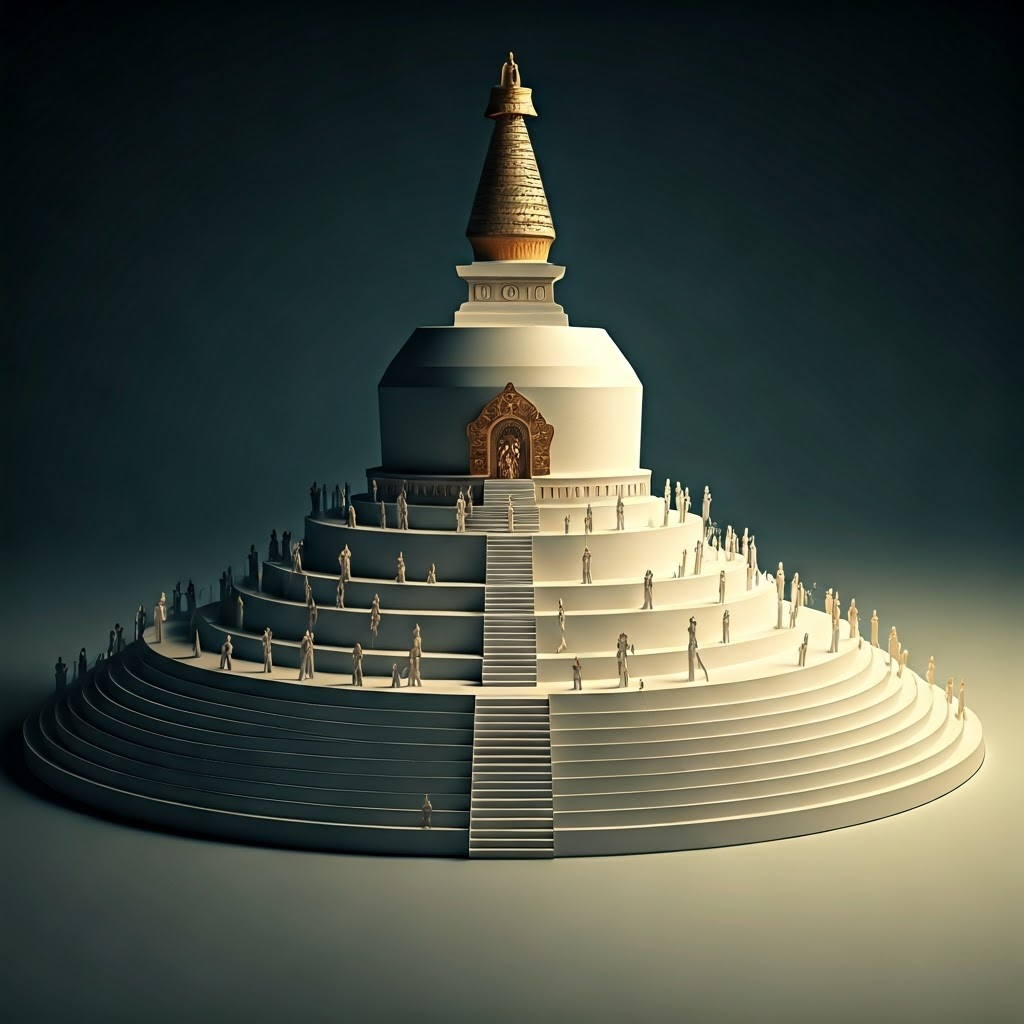
Stupas in Bangkok or Kathmandu invite you to walk around rather than go inside. Spiraling paths let memory and meaning unfold with every turn. The design is a quiet script guiding your body so your mind can follow something larger.
Atmosphere: Open or Closed?
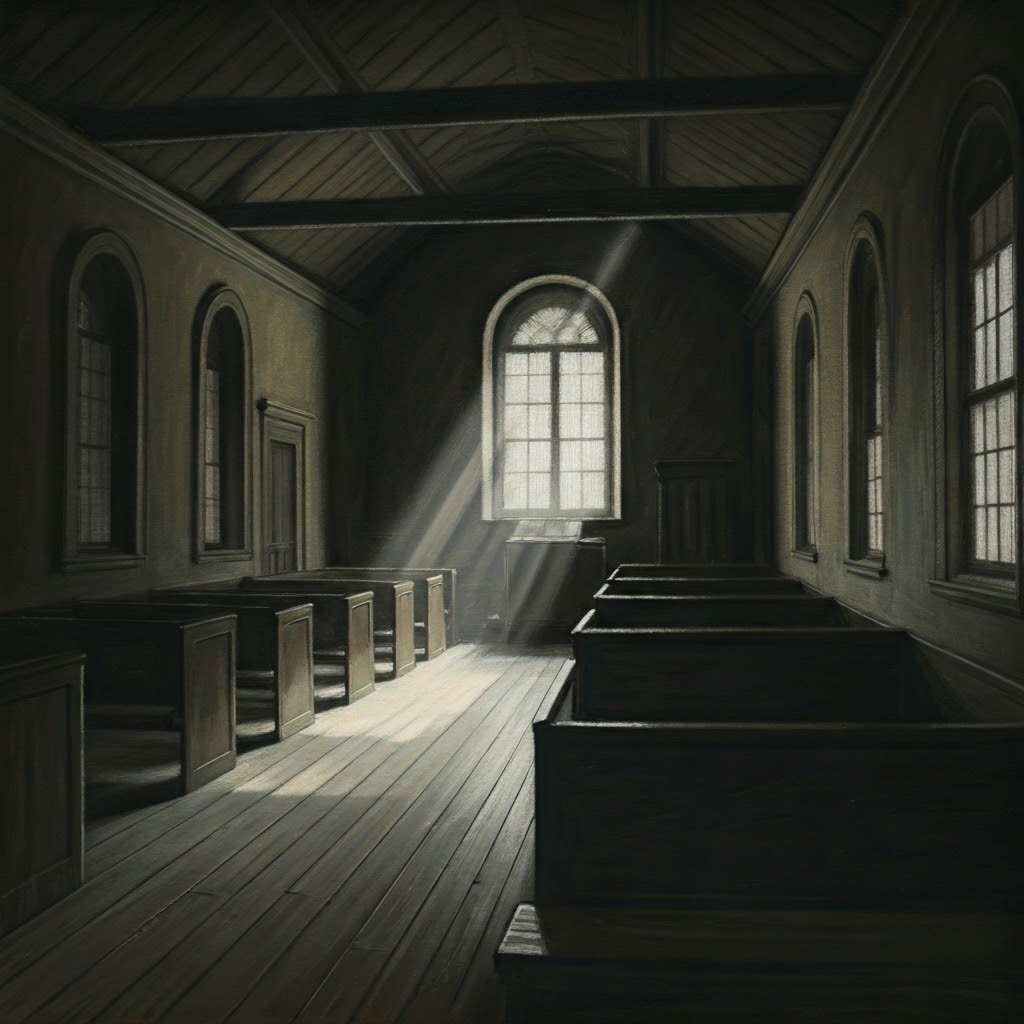
Some sites soar; others enfold. Cathedrals lift you upward, while Zen halls fold you inward. Sufi shrines buzz with music and food, yet Quaker rooms stay plain and still. The arrangement tells you how to behave and how to feel—expansive or intimate.
Walls That Speak: Art, Symbols, and Sound
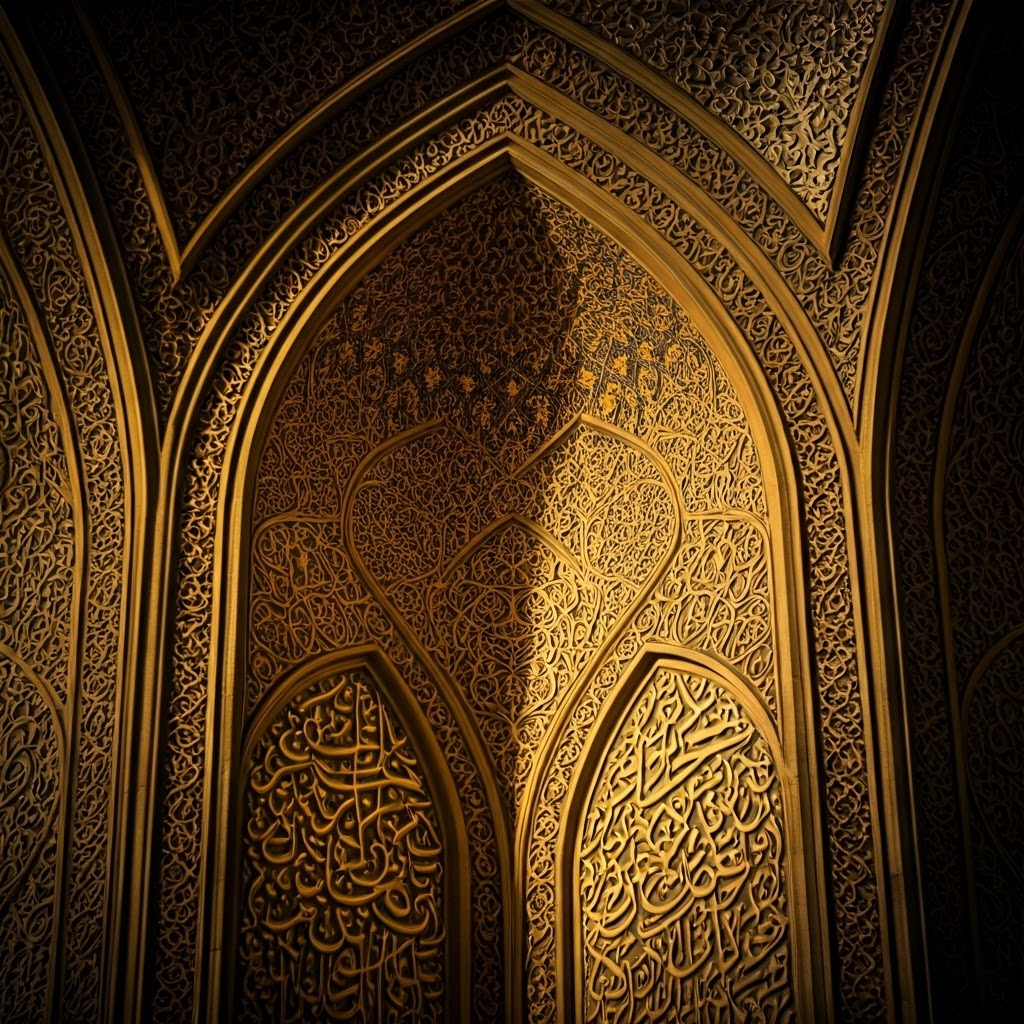
Art inside sacred places teaches and focuses. Islamic patterns and calligraphy avoid images yet hint at infinity. Repetition and variation invite your own path to the divine without a single storyline.
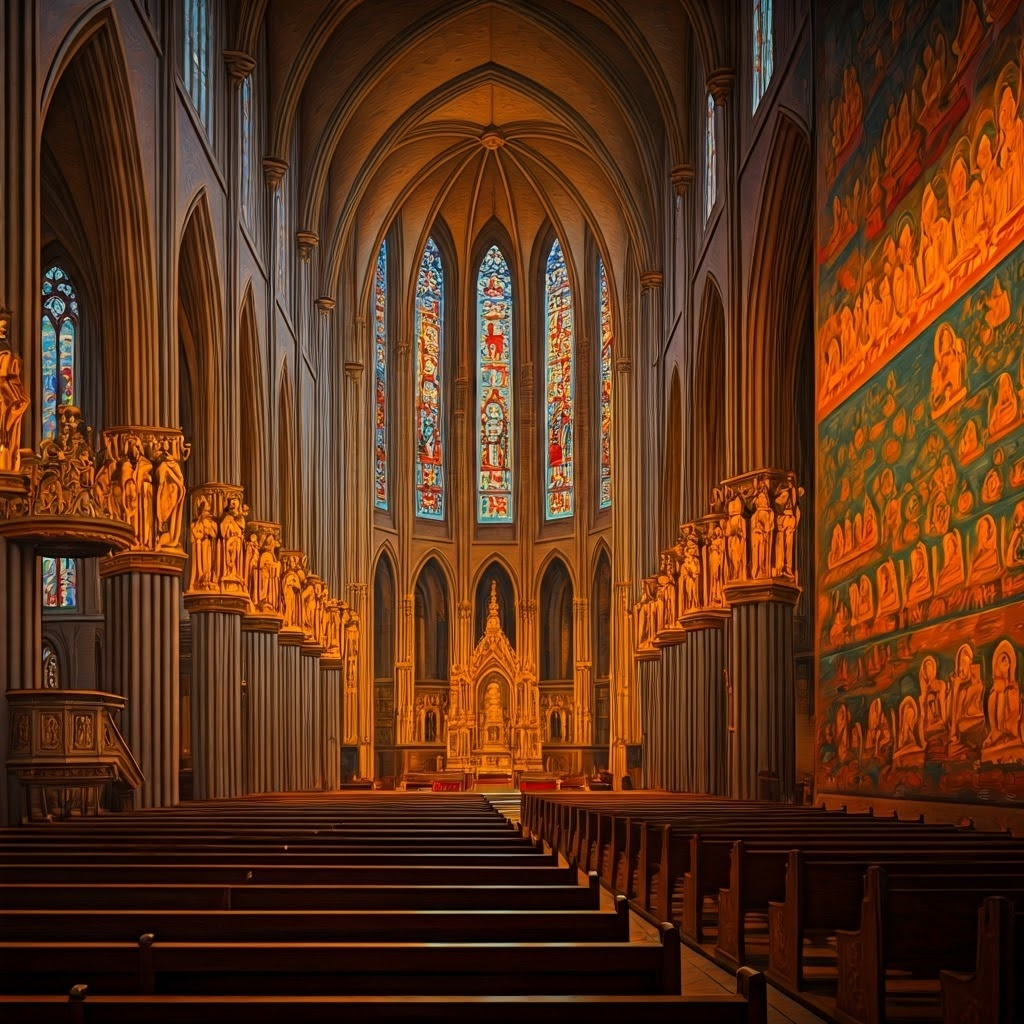
Catholic windows narrate biblical scenes while statues embody virtues. Buddhist murals line temple walls with several Buddhas. In every case, artists become theologians, turning surfaces into visual lessons.
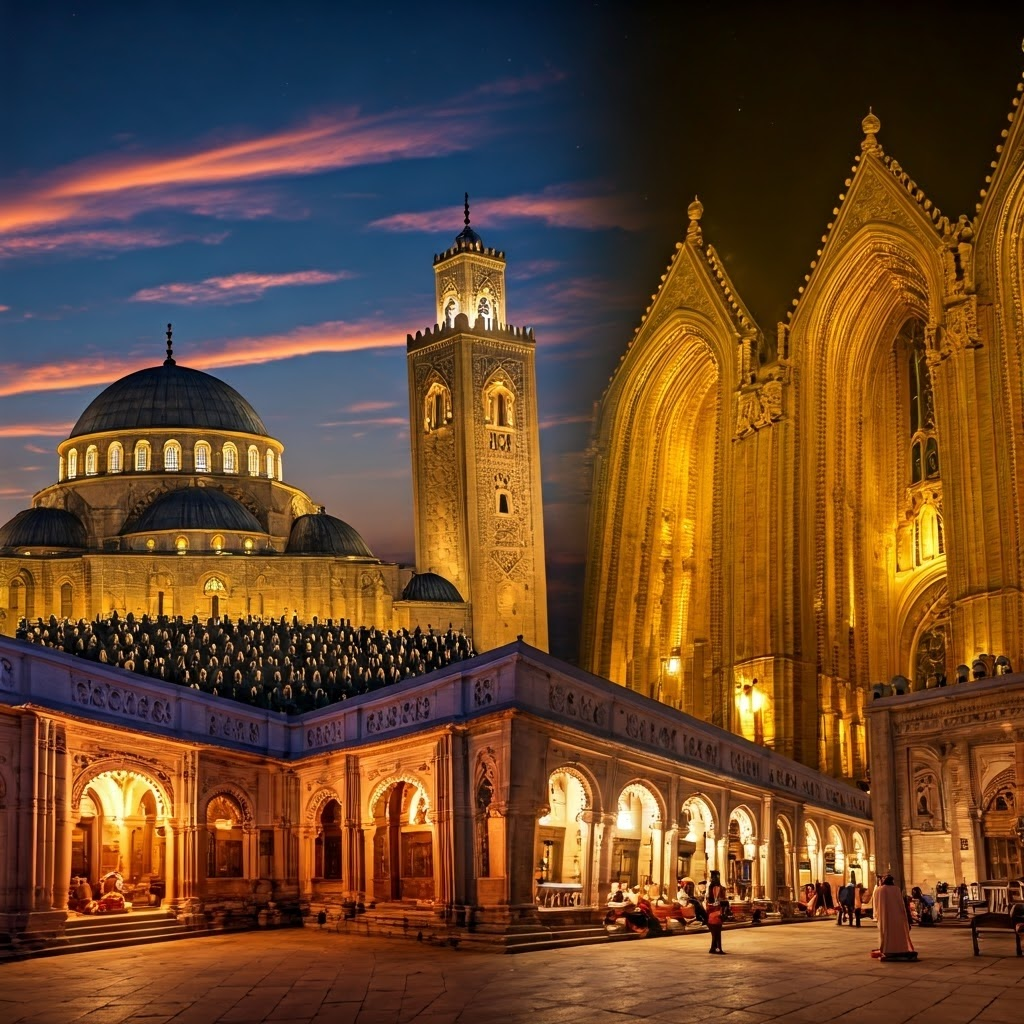
Sound shapes feeling as much as stone. A muezzin’s call, church bells, Torah readings, or gurdwara kirtan vibrate in the air. These waves create a sensory heartbeat that teaches through the ears as well as the eyes.
Why Does It Feel Sacred?
Architecture, art, action, and attention layer together. You need not share every belief to notice how space is made to matter. Each choice—doorway, altar, song—helps people across cultures touch what feels most important, together.
