
Marking Time: How Religions Shape the Year
People have always needed to understand time. Farmers watch the sky for rain. Families circle birthdays. Shopkeepers plan busy seasons. Religious calendars go further. They tell you when the sacred breaks into the everyday.
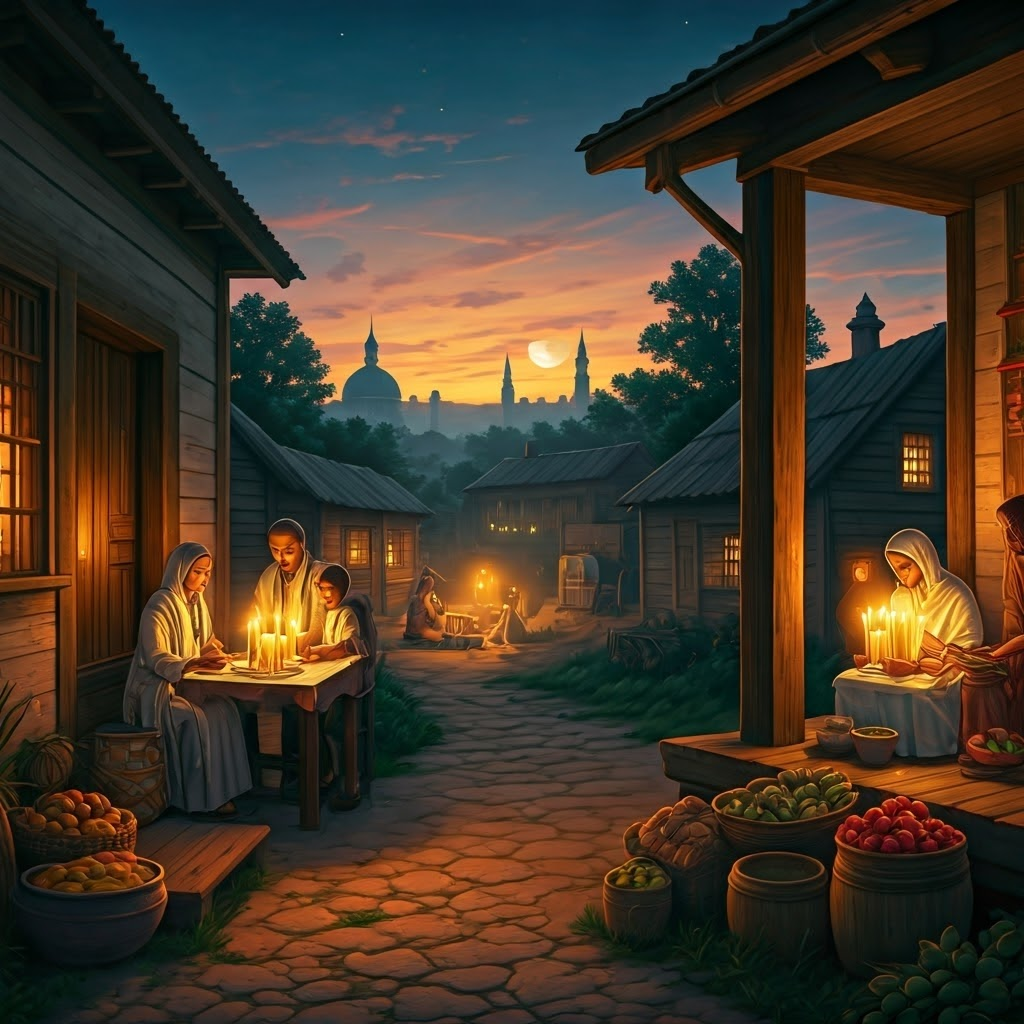
A Jewish family lights Shabbat candles each Friday. Muslims gather for iftar every Ramadan evening. These routines push daily life aside and mark that “this day is different.” The pattern creates order and comfort.
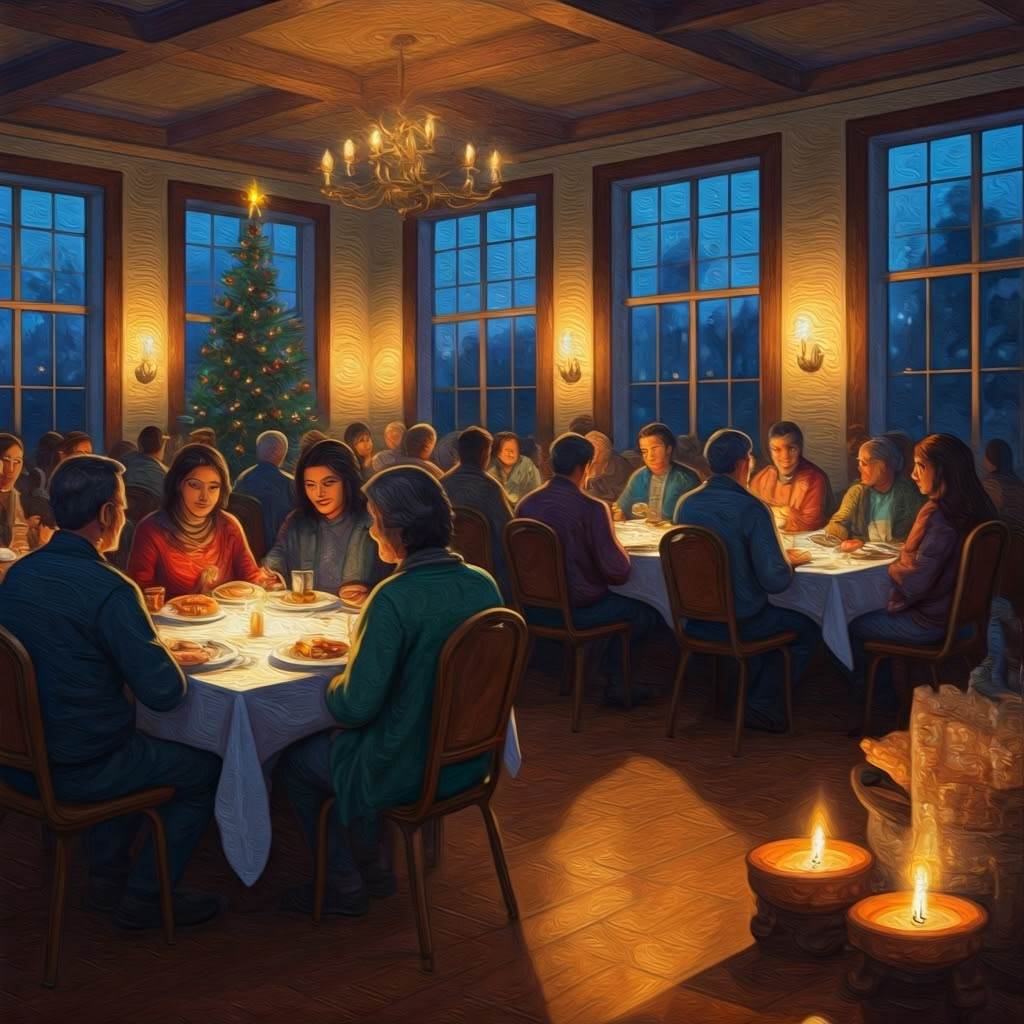
Religious calendars also act as community glue. A Christmas Eve service, a Diwali puja, or a Passover Seder pulls everyone together. Even wavering believers show up. Shared rituals build belonging and bridge generations.
Sociologist Émile Durkheim noted that rituals hold groups together. Each return to a sacred rhythm—whether in a cathedral or a neighborhood hall—reminds people they are not alone.
Lunar, Solar, and Lunisolar: The Big Three
Not all calendars follow the same logic. Most faiths use one of three methods: lunar, solar, or lunisolar.
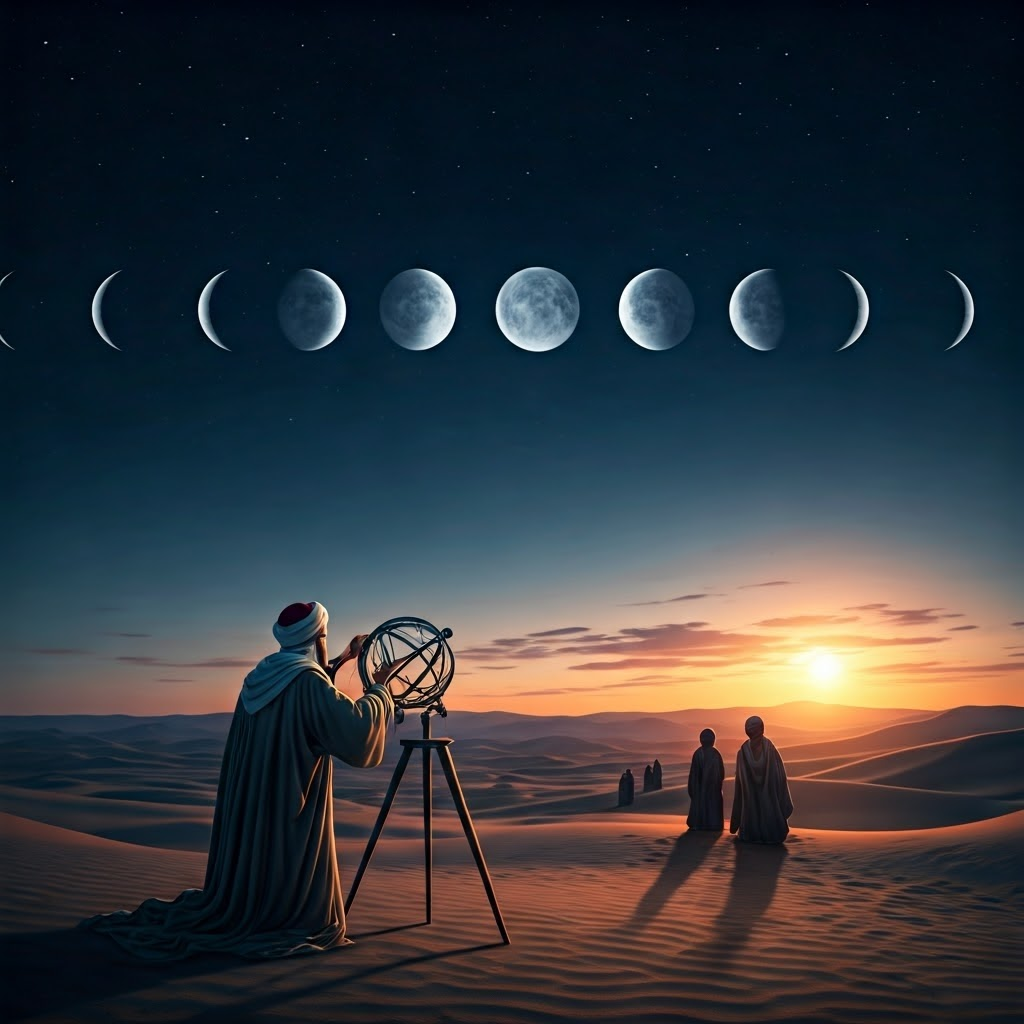
A lunar calendar follows the moon’s phases. The Islamic calendar starts each month with a new crescent. Ramadan shifts about eleven days earlier every year. Over thirty-three years, it cycles through every season.
Twelve lunar months equal roughly 354 days. That drift feels poetic yet practical. People simply look up and see the month change.
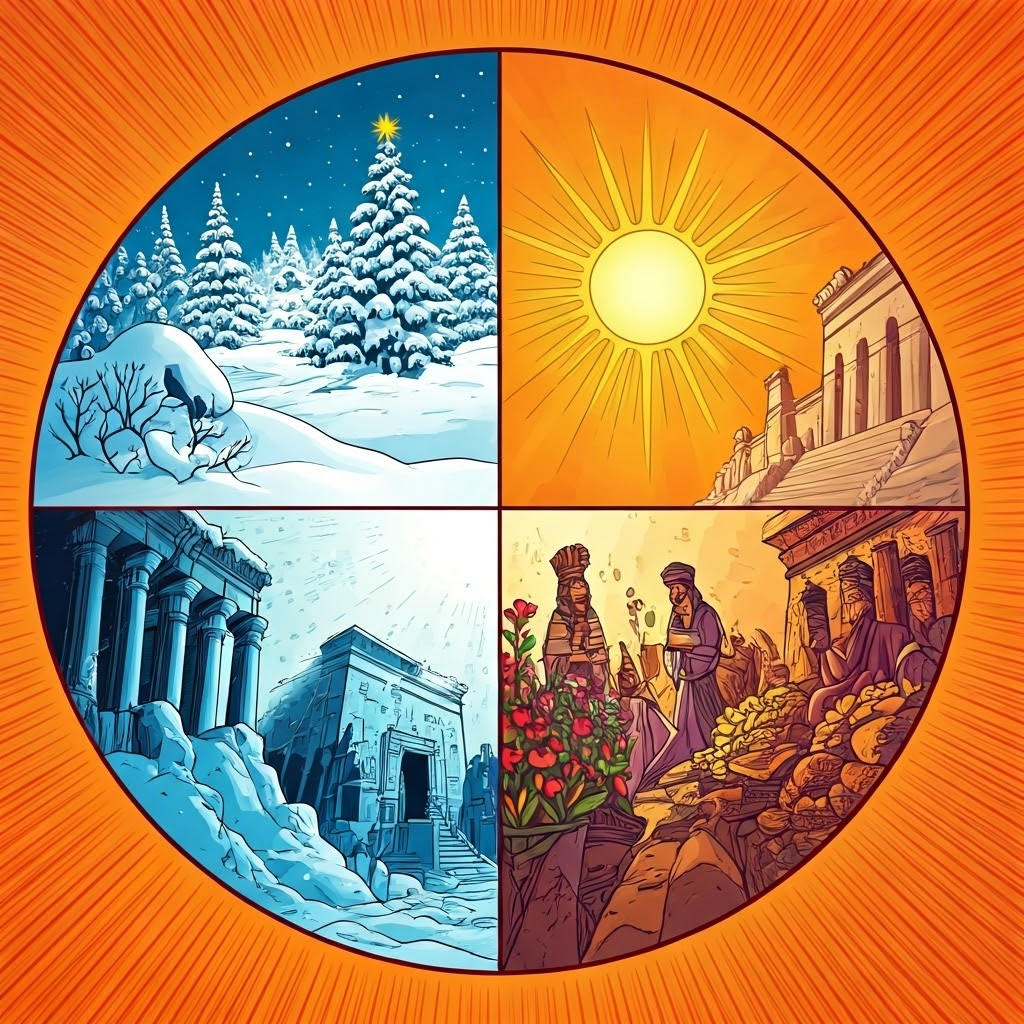
A solar calendar tracks the sun’s journey. The Gregorian calendar is solar, so seasons stay fixed. Christmas always lands on December 25. Ancient Egyptians and Persians timed farm work and festivals to the sun’s return.
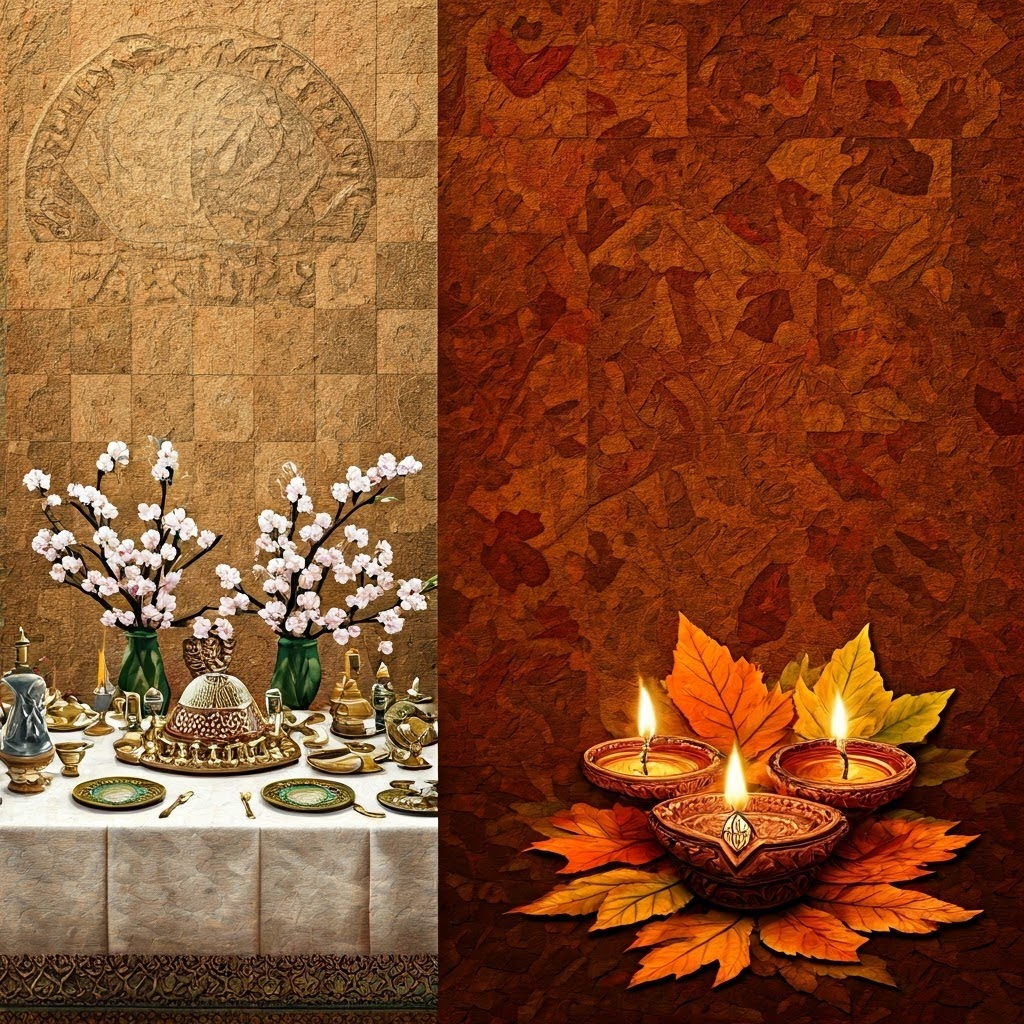
Lunisolar calendars sync moon months with sun seasons. They add a leap month every few years. Jewish and Hindu systems use this trick. Passover stays in spring. Diwali arrives in autumn. The extra month keeps festivals anchored.
Each system shapes how believers feel time. A drifting festival carries different emotions than one tied to the first blossoms. Watching the moon or waiting for a solstice builds anticipation and meaning.
How Dates Get Decided
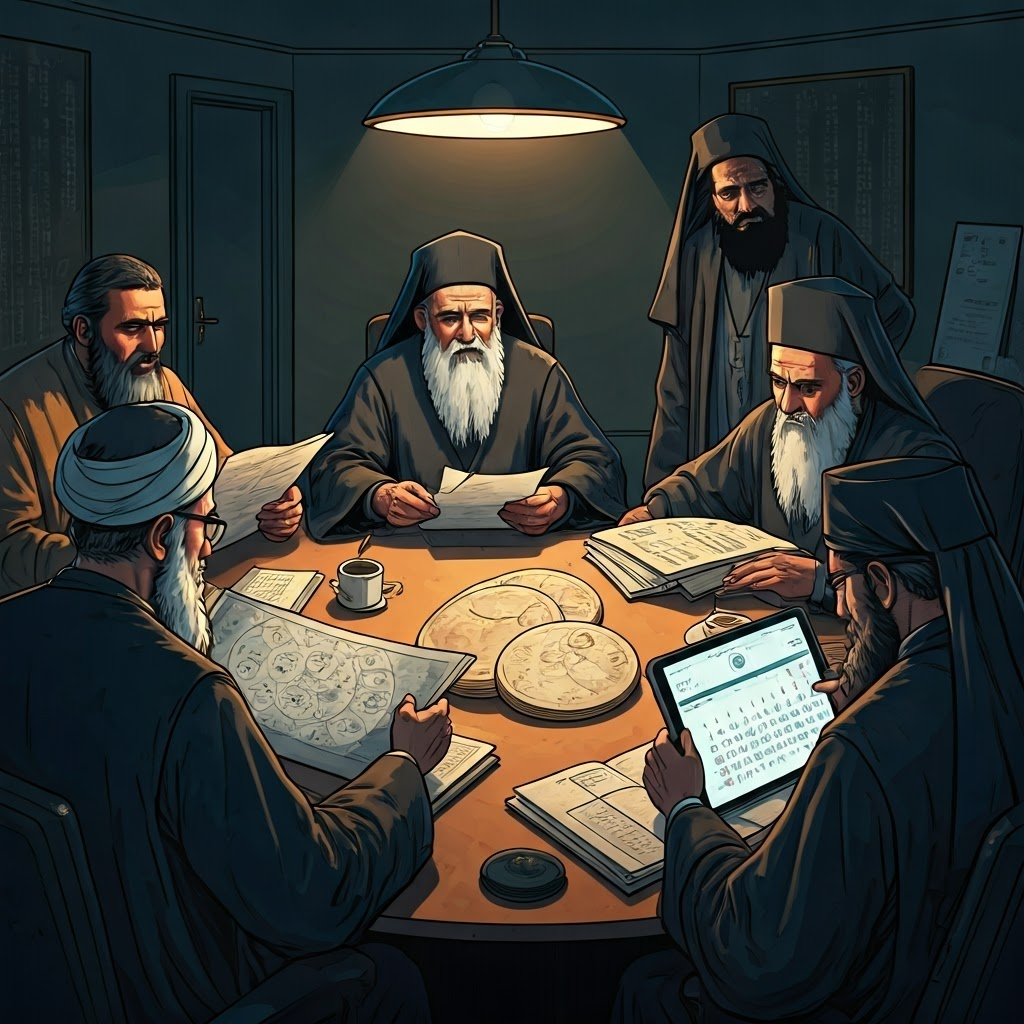
Picking dates is rarely simple. Clerics debate Easter’s timing, and committees chase the moon. Today, phone apps send holiday alerts, yet the core need remains: people must agree when to pause, pray, feast, or fast.
Even the arguments become tradition. They remind us we watch not only the skies but each other for cues.
Sacred Time vs. Ordinary Time
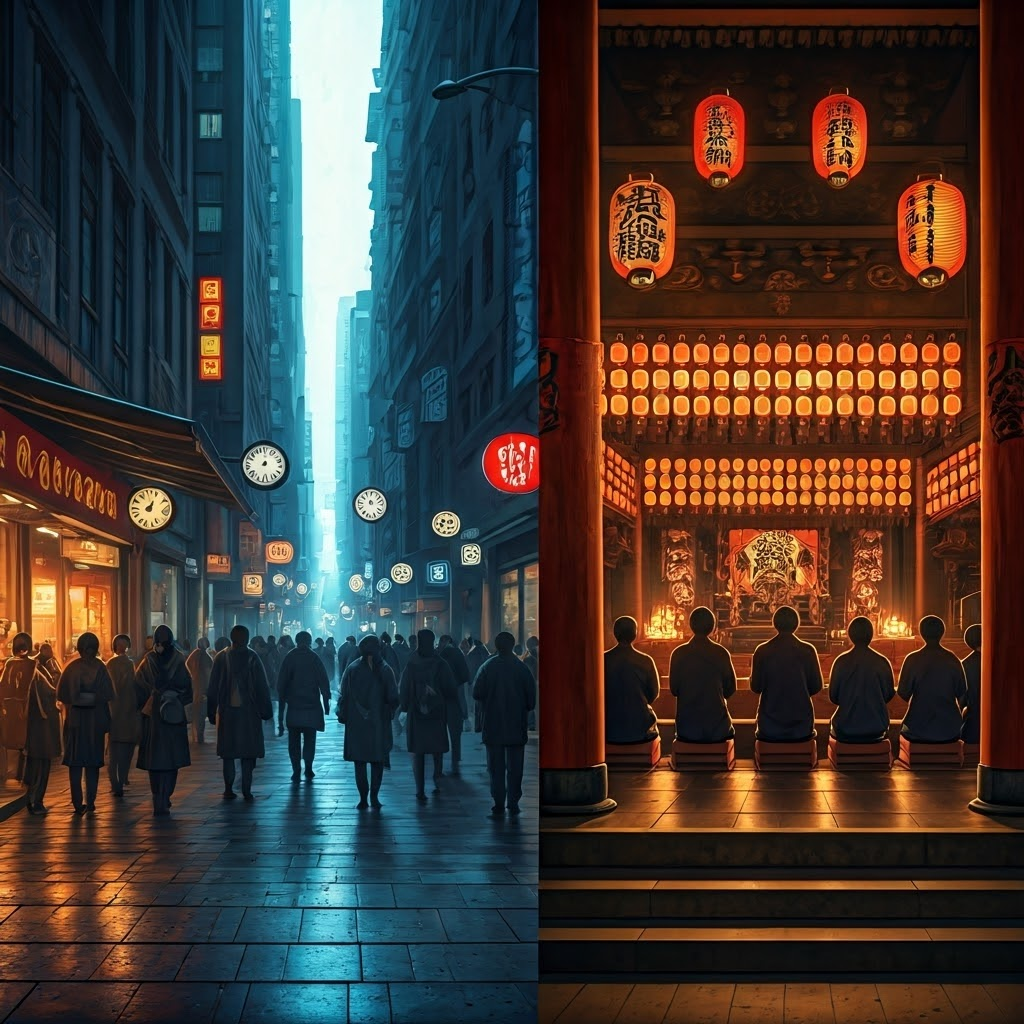
Ordinary time covers work, school, and errands. Sacred time breaks in with music, color, and meaning. Scholar Jonathan Z. Smith said sacred moments are special because people treat them that way.
Streets glow with lanterns at Chinese New Year. Families wear best clothes for Eid. Silence falls for Yom Kippur prayer. Daily rules pause, and a new rhythm begins.
During holy days, life feels paused. You might fast at dawn, tell stories late into the night, or greet sunrise in song. These acts recall past liberations and future hopes. Each practice links neighbors, ancestors, and descendants.
Calendars as Memory and Community
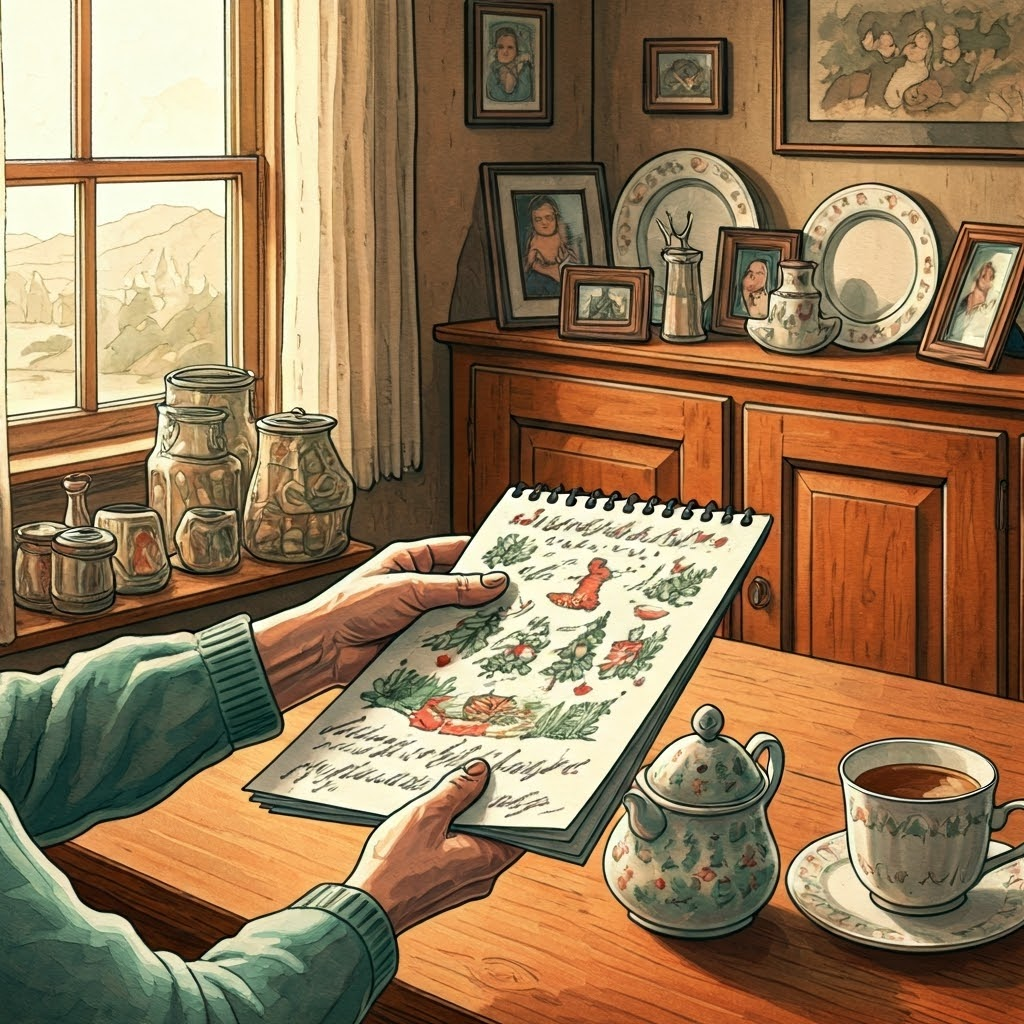
Sacred calendars pierce the ordinary fog with moments of connection and joy. A festival might trigger a grandparent’s recipe or a childhood dance. These memories form a chain through time.
Even far from home, a marked day can ground you. Checking an app or watching the moon, you follow a pattern thousands of years old. Religious calendars are maps of meaning, reminding us to gather, to pause, and to find holiness in time itself.
