
The Last Days of the Old Order
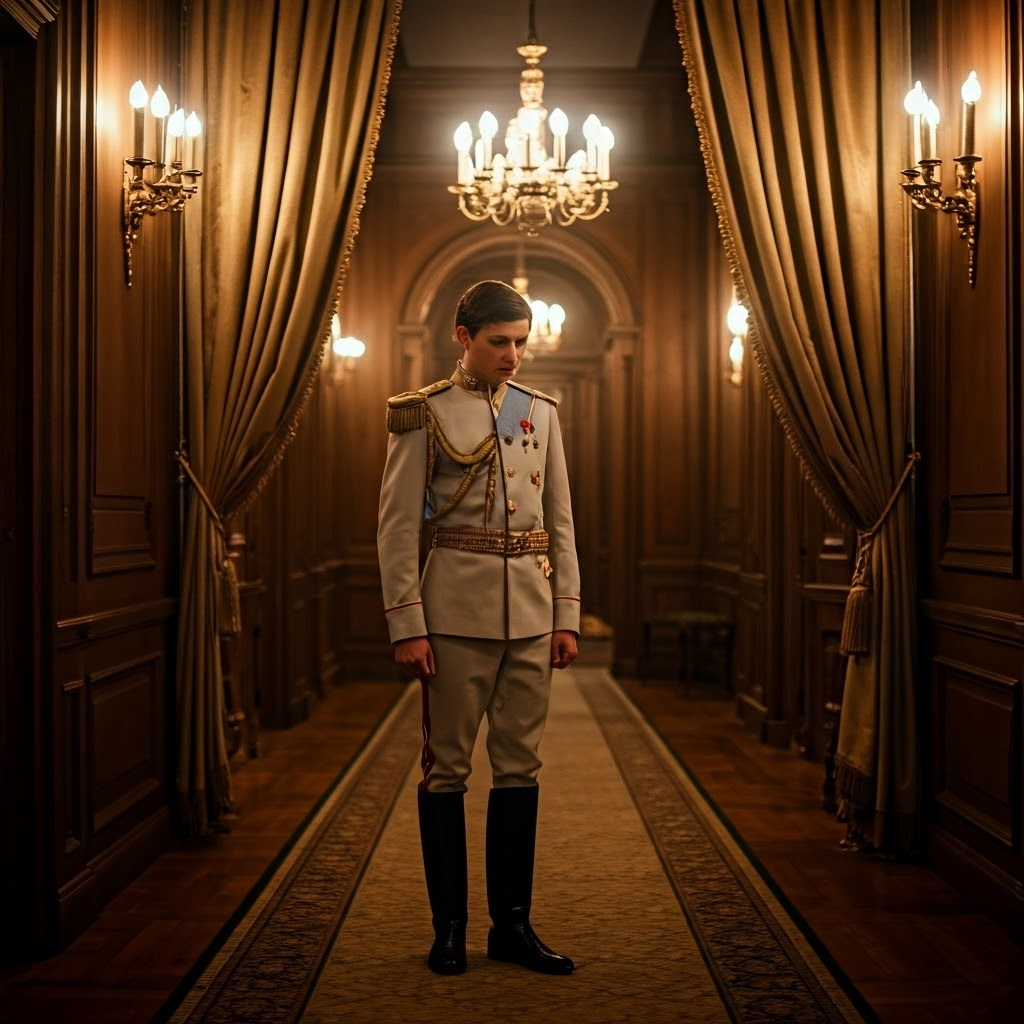
Nicholas II and the Crumbling Throne
Picture a ruler: decisive, wise, maybe ruthless. Nicholas II was the opposite. He loved family dinners and quiet walks. He avoided hard choices and echoed the last voice he heard. His father, Alexander III, had enforced strict autocracy; Nicholas inherited the idea—but lacked the steel.
Nicholas wanted to please his people only if his authority stayed intact. He clung to tradition while Russia rushed toward factories, crowded cities, and fresh political ideas. The throne felt heavy, yet he never loosened his grip.
His private circle worsened things. Alexandra trusted Rasputin, who claimed to heal their son. Ministers came and went like guests at a bad dinner. Nicholas listened to flattery more than expertise, so real reform stalled.
Even loyal officials grew tired. They saw a ruler who felt any change threatened his power. By 1917, Nicholas looked out-of-touch, not just unlucky.
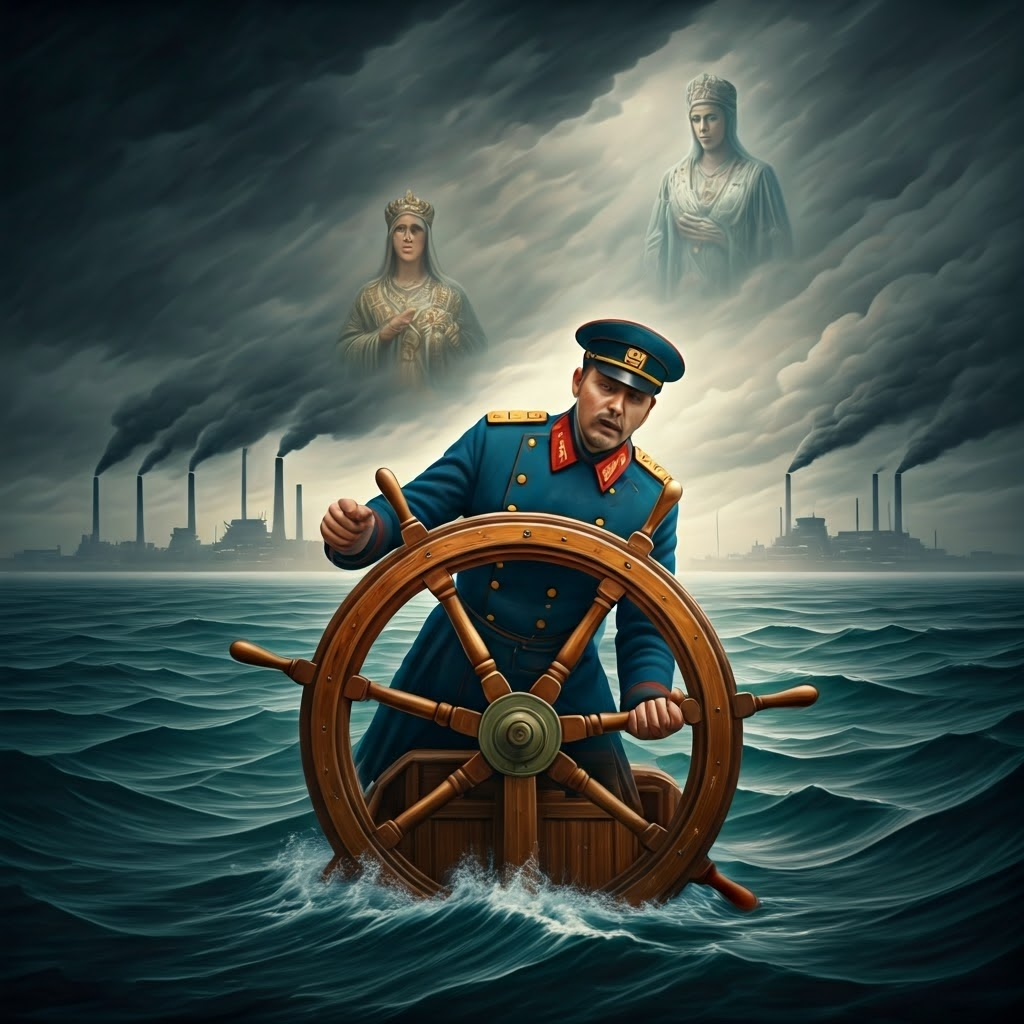
1905: The First Shockwave
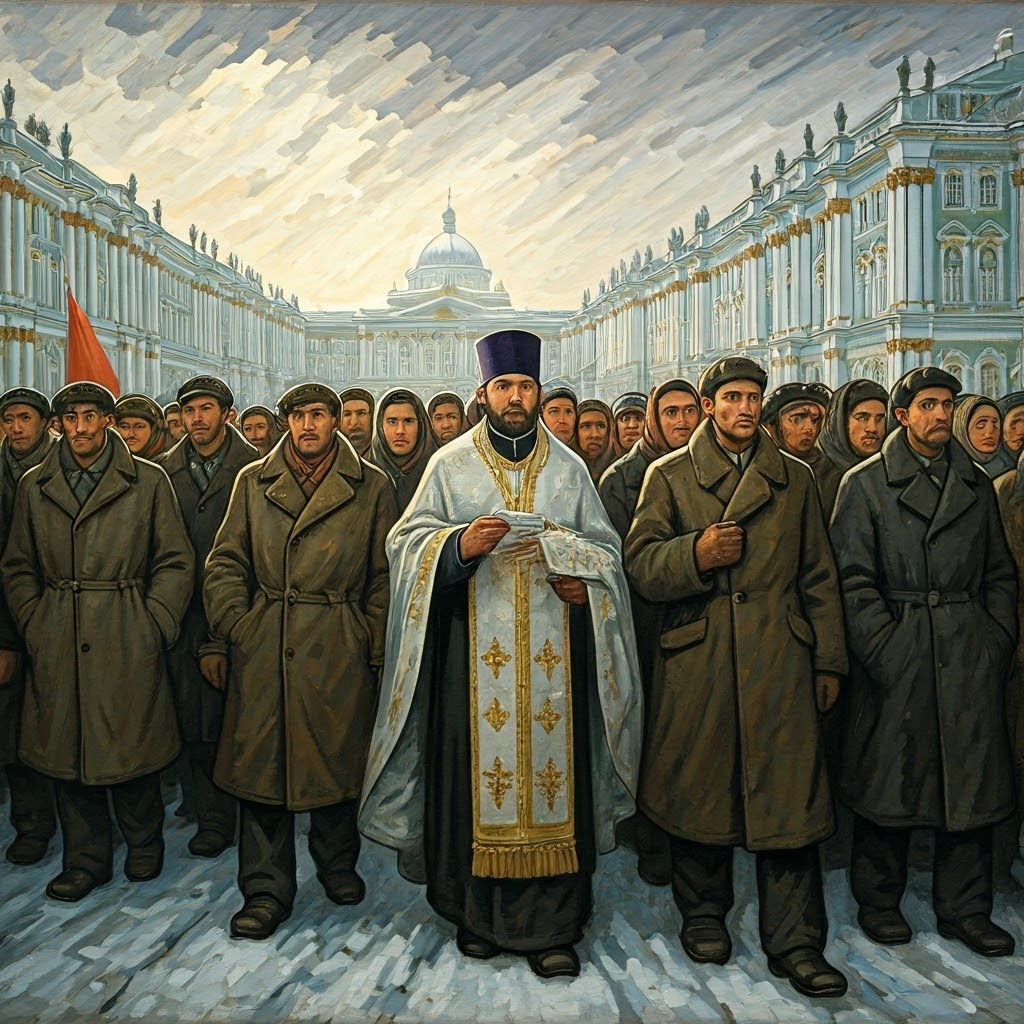
Russia was already straining. Workers packed grim factories, peasants owned scraps of land, and activists whispered about rights. On Bloody Sunday in January 1905, families led by Father Gapon marched to the Winter Palace seeking fair pay, shorter hours, and basic respect.
Riots, strikes, and peasant uprisings exploded. Even sailors on the battleship Potemkin mutinied. Nicholas offered a Duma and promised liberties, yet he kept vetoing laws and dissolving sessions. The Duma spun like a toy wheel that steered nothing, but Russians learned how to protest.
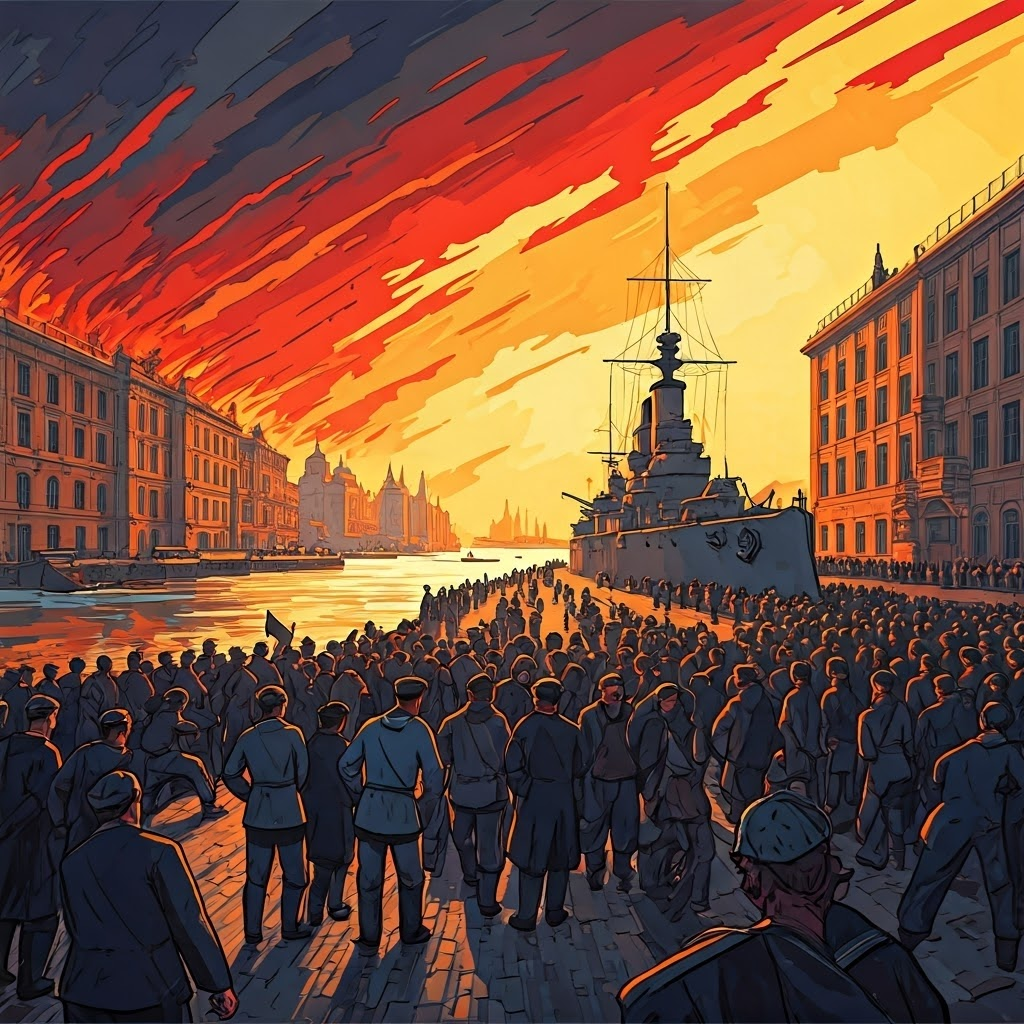
War and Hunger: Russia on the Brink
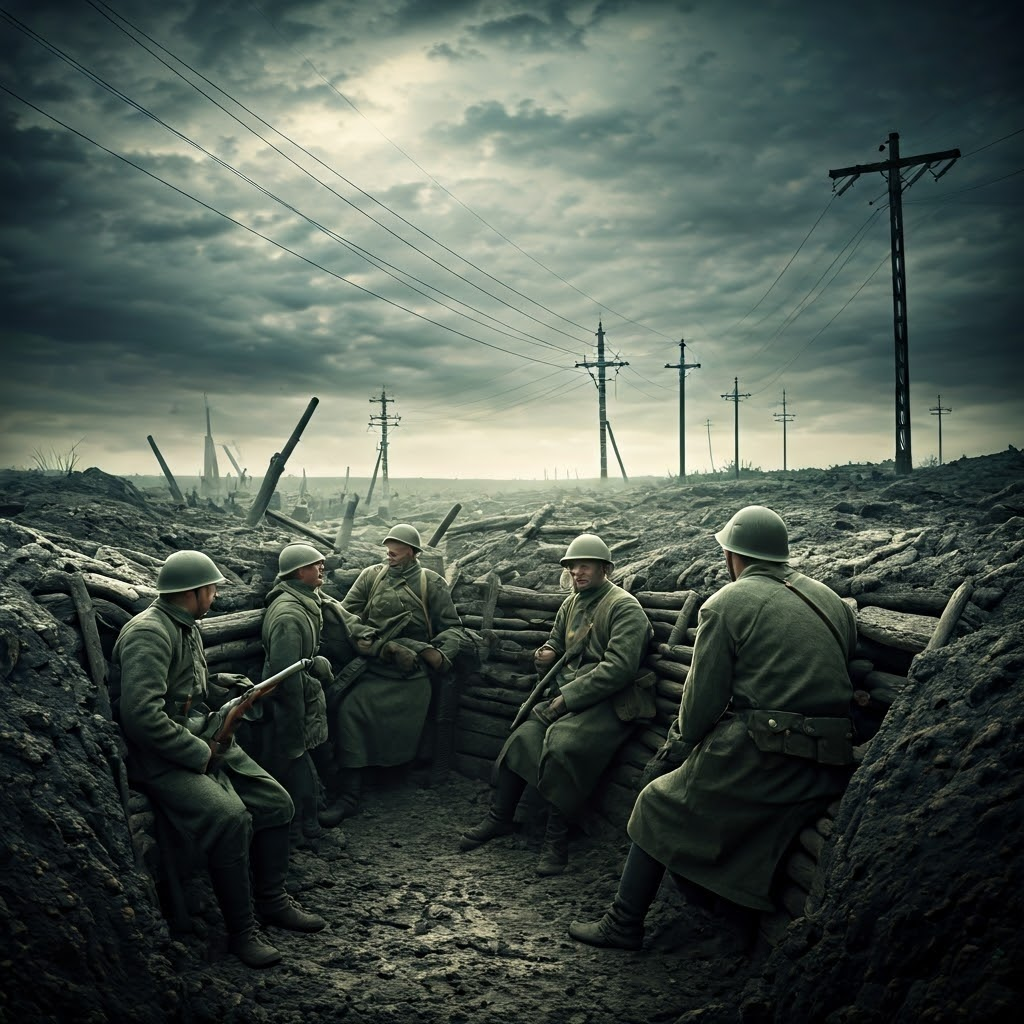
Patriotic fever greeted World War I. Soldiers sang on their way to the front. Hope faded fast as German artillery crushed Russian lines and casualties soared.
Nicholas tried to lift morale by taking command. He knew little strategy, so every defeat landed on him, deepening public anger.
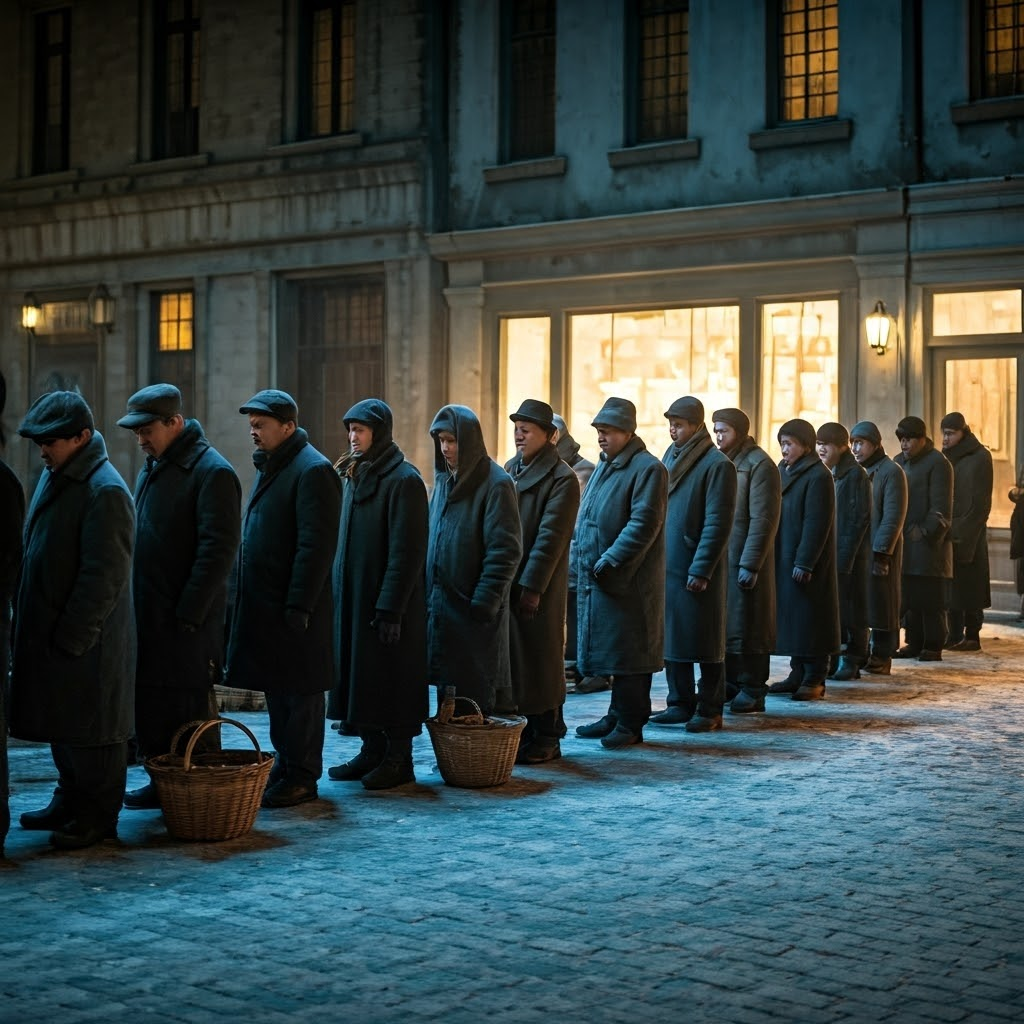
Back home, relentless shortages bit hard. Bread vanished, fuel ran low, and inflation erased wages. People waited for hours in freezing lines, often returning empty-handed.
The secret police, the Okhrana, spied and arrested freely, yet discipline cracked. Some officers doubted the regime, and frontline soldiers deserted to join protests.
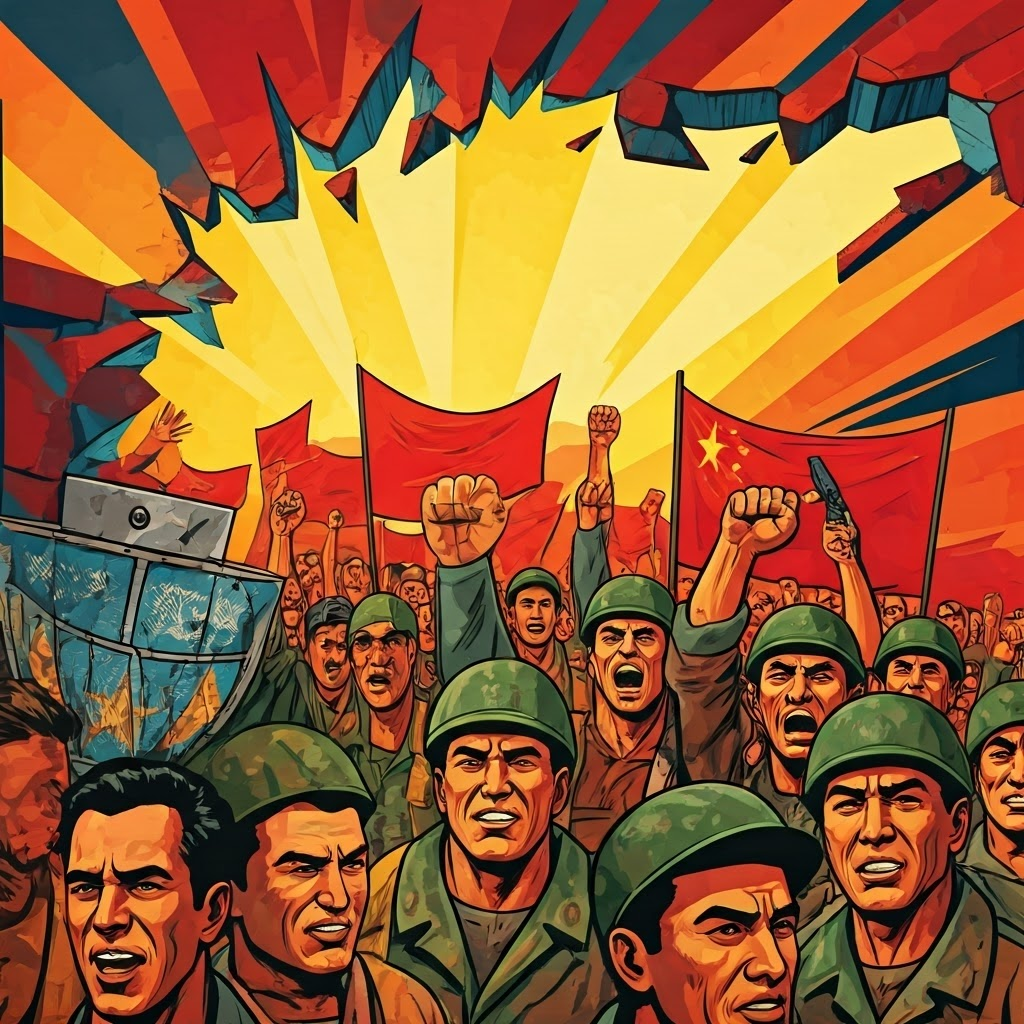
By early 1917, fear filled government halls while rage filled streets. Soldiers, workers, and students reached a breaking point. The monarchy staggered on nostalgia alone. When crowds gathered in February, they sparked a revolution that erased the old order almost overnight—and many Russians finally felt hopeful.
