
From Chaos to Code: The First Rules

Imagine life with no traffic lights, no bell schedule, and no agreed way to end an argument. Early humans lived in that chaos. They needed signals for planting, hunting, and protecting their belongings. Shared rules turned endless quarrels into order and kept small groups from splitting apart.
Why Rules?
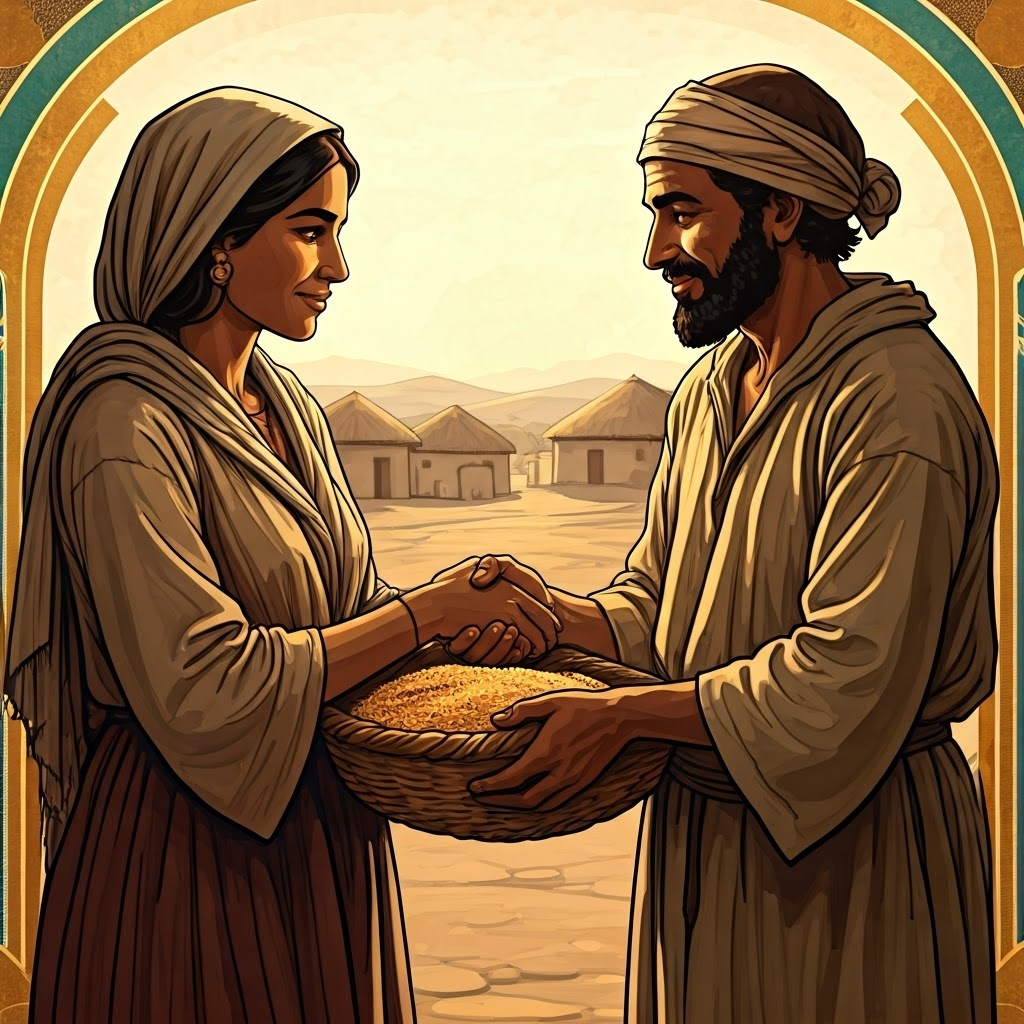
Fairness and predictability feel natural. You trust a neighbor not to steal food, and you expect a fix when promises break. Early rules began with “Don’t hit your brother” or “Share the meat.” As clans grew, everyone—friend or stranger—needed one common code to follow.
Hammurabi’s Stele: Eye for an Eye
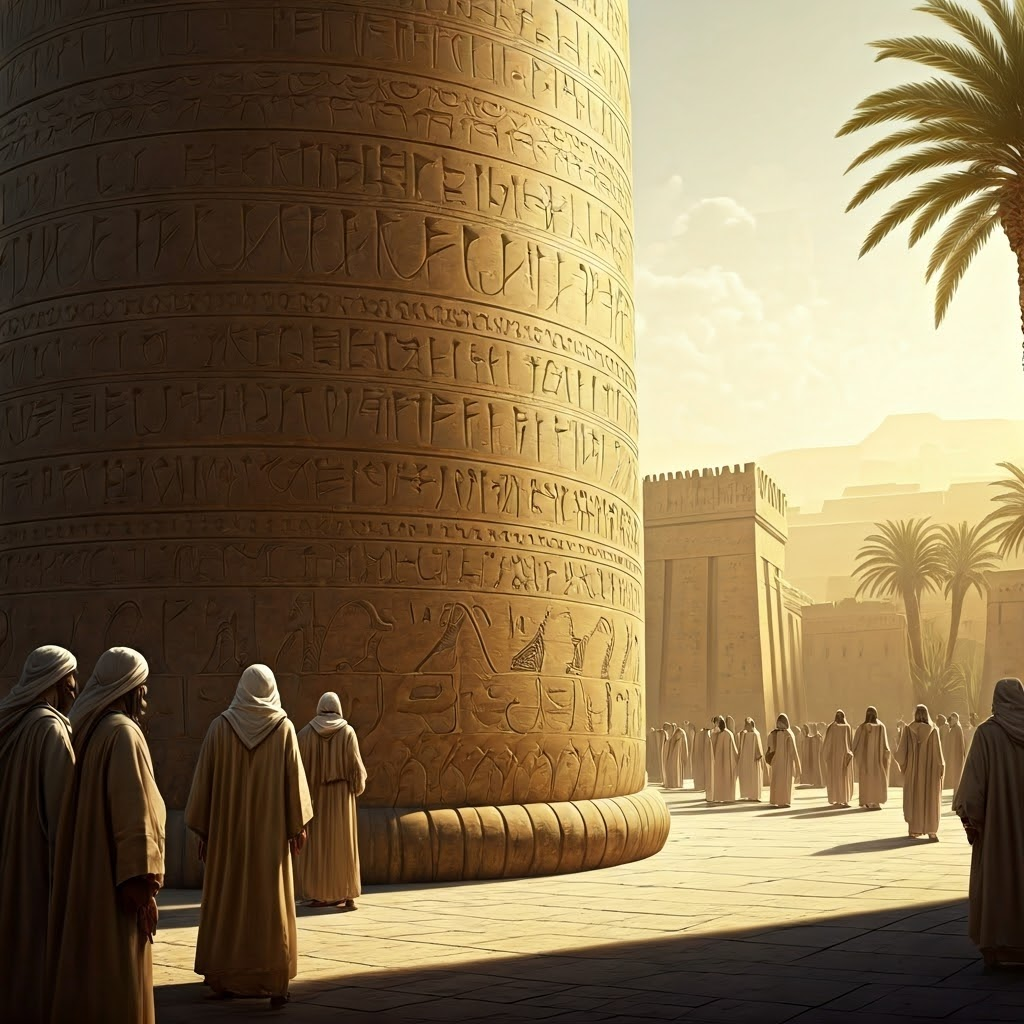
About 4,000 years ago, Babylon’s King Hammurabi carved his laws onto stone. Anyone could read—or hear—this list of crimes and matching penalties. The famous line, “an eye for an eye,” meant punishment equaled the offense. That clear justice discouraged endless revenge.
Daily Life Under the Code
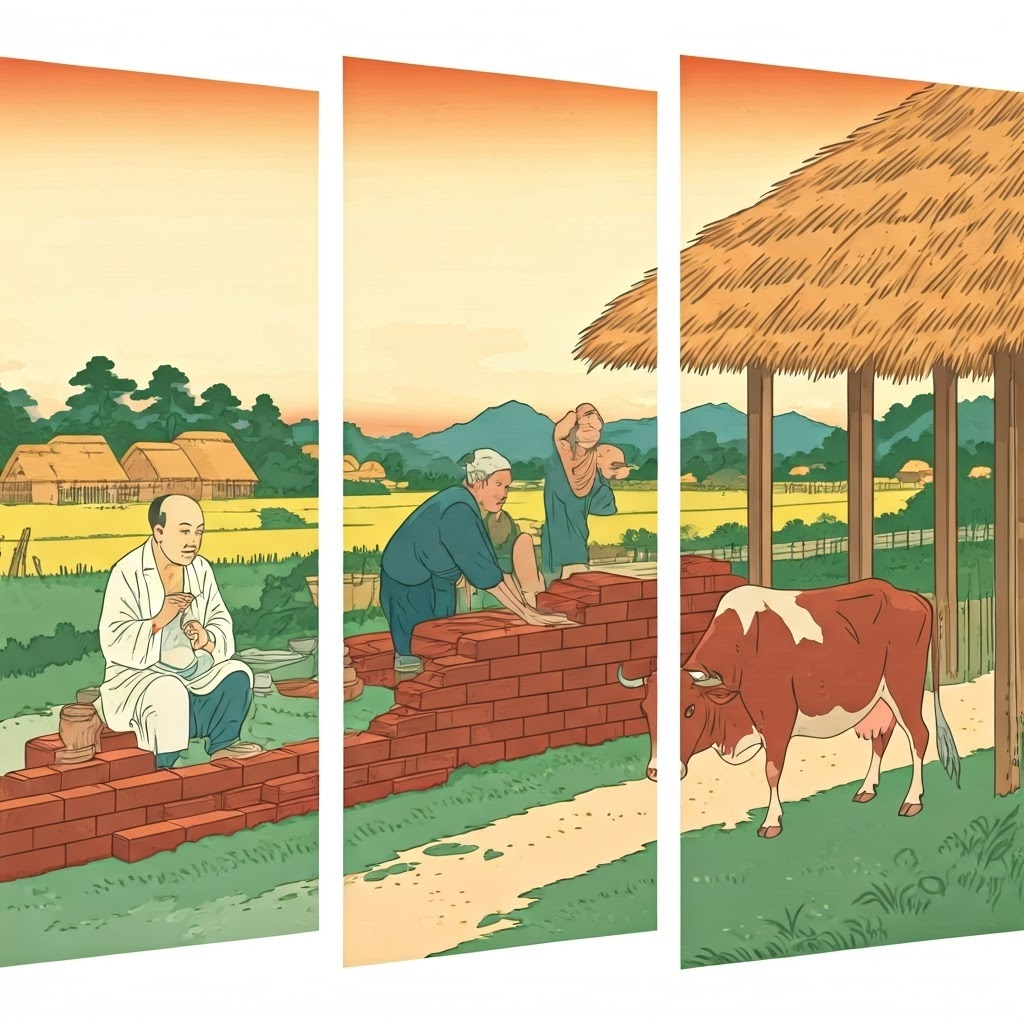
The code priced a doctor’s work, set standards for builders, and fined owners when cows wrecked fences. Some rules sound harsh today, yet they offered predictability. Most people simply wanted to work, rest, and feel safe. Public laws made that routine possible.
Moses and the Mountain: Laws with a Higher Power
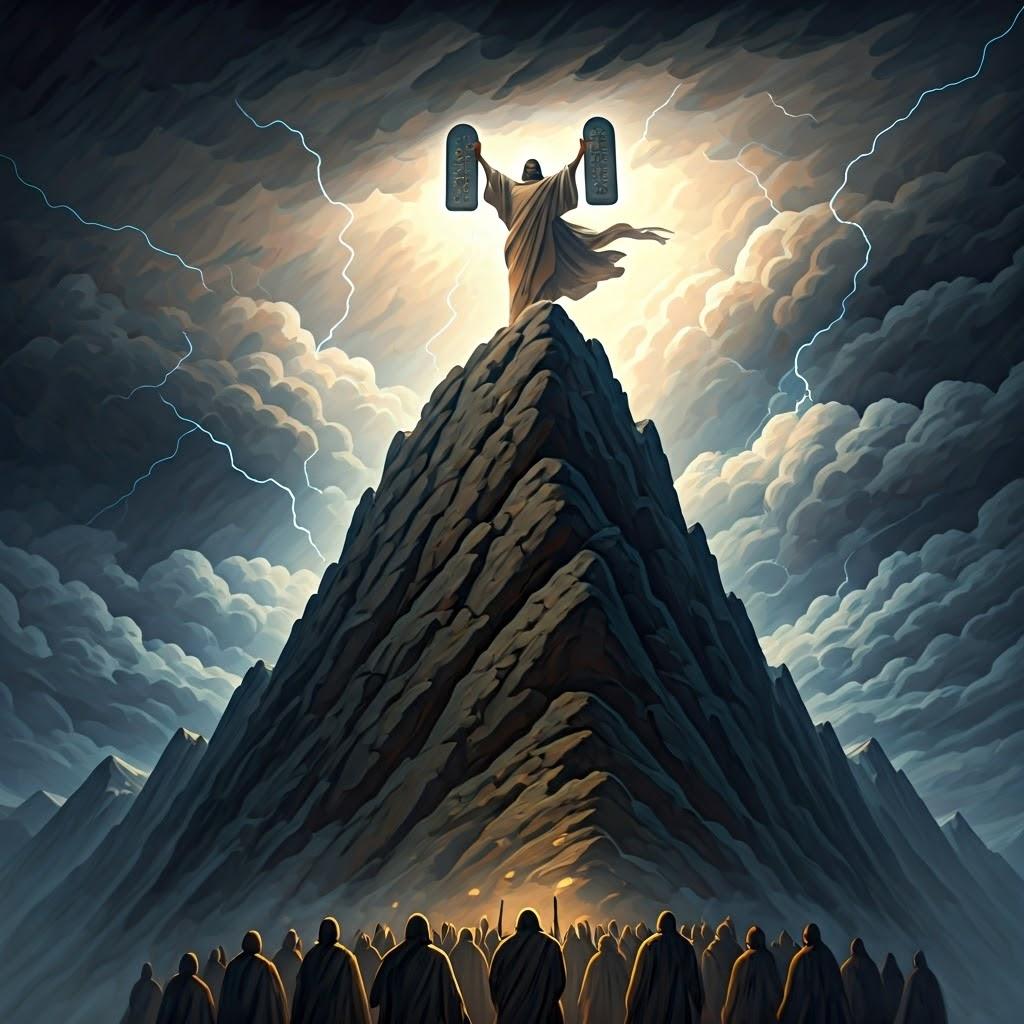
Centuries later, Mosaic law appeared in the Middle East. These rules, written in the Torah, claimed a divine source. Thunder and lightning framed their delivery, adding serious weight. Disobeying became both a crime and a sin, harder to dismiss than any king’s decree.
Living the Mosaic Way
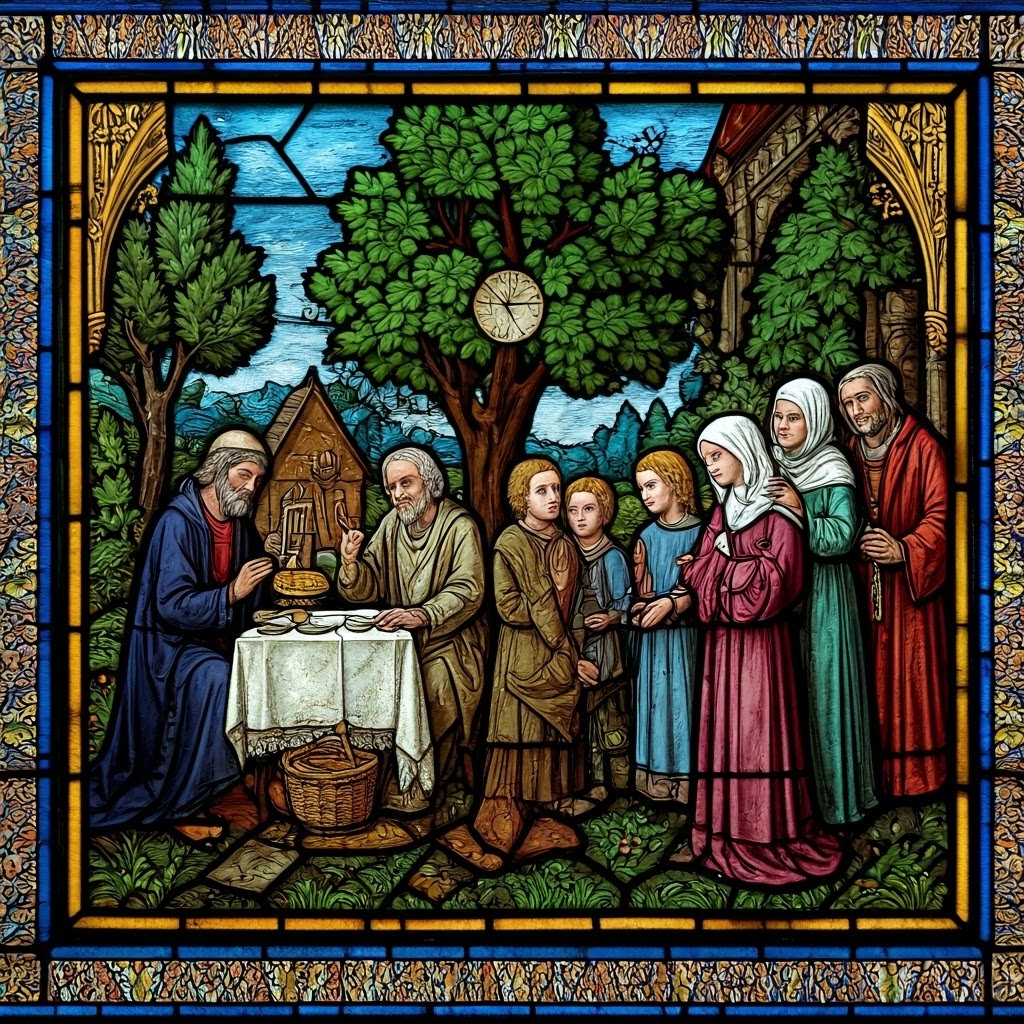
Mosaic rules covered daily kindness, Sabbath rest, and respect for parents. Justice now meant living well together, not just payback. People believed obedience kept the community safe and blessed. This formed a new social contract between humans and something greater.
Athens: Voting for Order
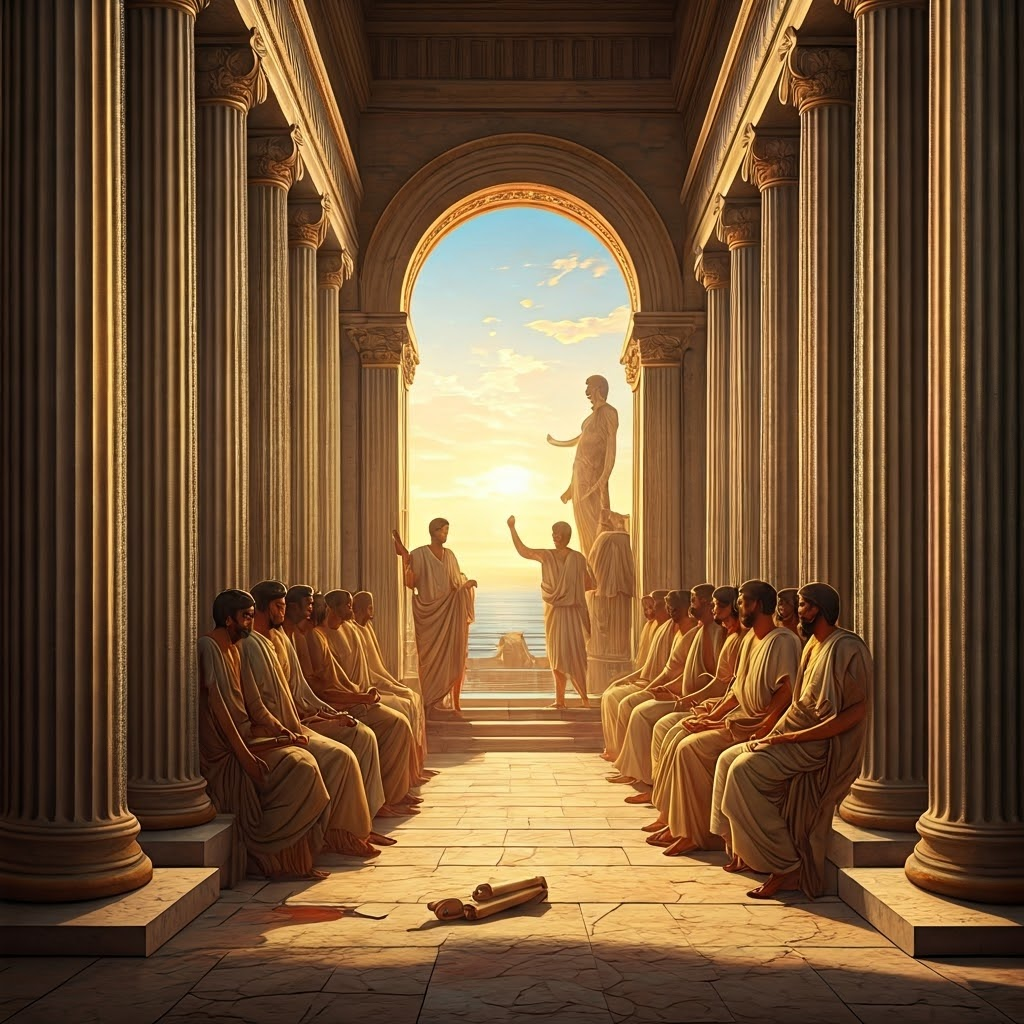
Ancient Athens tried a bold idea—letting citizens vote on laws. Democracy was born. Instead of kings or priests, ordinary men debated in open spaces and raised hands to decide. Though limited to certain citizens, this shift changed how power worked forever.
Democracy in Daily Life
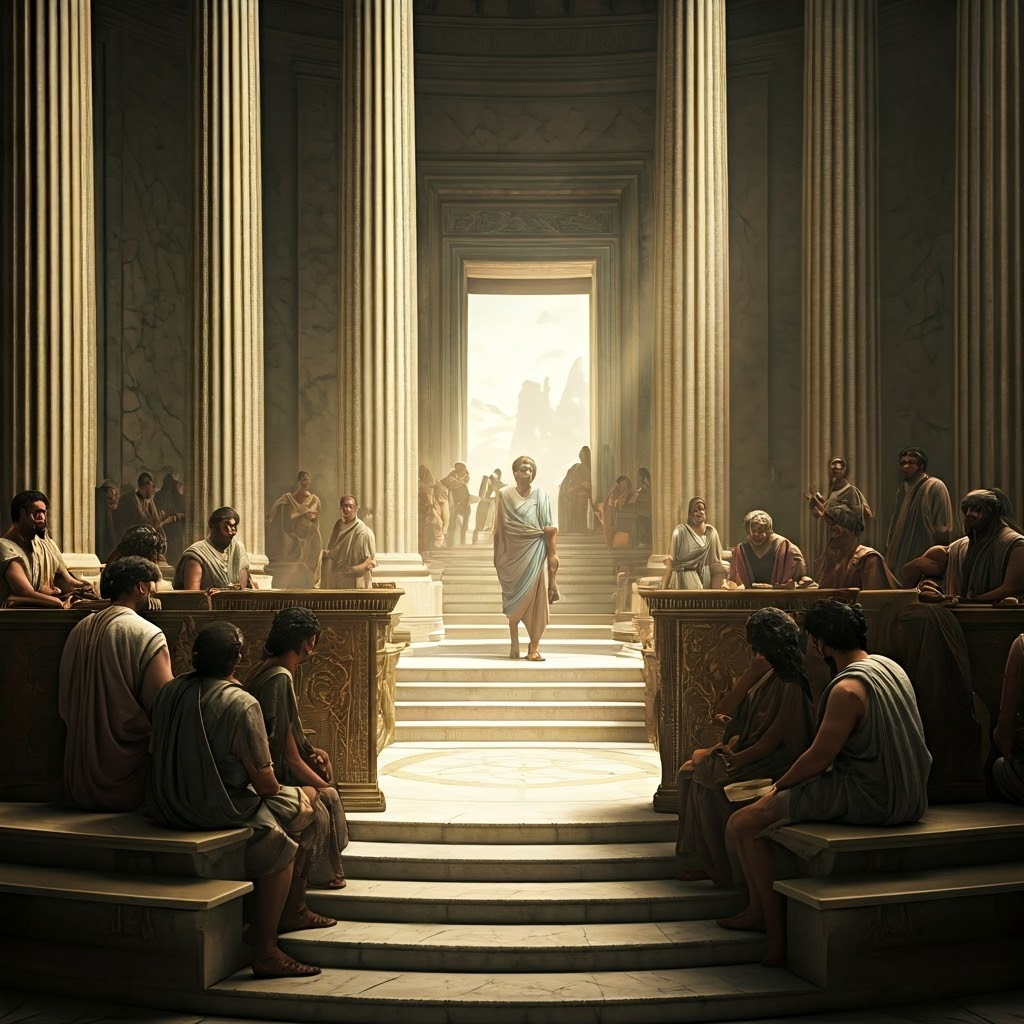
Athenians rotated through juries and councils, much like mandatory civic duty today. The process was messy, sometimes unfair, yet it proved groups could govern themselves. That experiment still shapes rights and responsibilities worldwide.
The Echoes of Ancient Codes

Written laws, fair consequences, and open debate all trace back to Babylon, Sinai, and Athens. School rules, traffic signs, and family chore charts echo those origins. When you ask, “Why this rule?” you join an ancient quest for fairness and peace made together.
