
Who owns the moon? the big treaties and the gaps

The outer space treaty: the first rulebook
When you picture outer space, it feels lawless. Yet the 1967 Outer Space Treaty serves as the first rulebook. It bars any nation from claiming the Moon, limits activities to peaceful purposes, and says space must help all humankind.

The treaty also blocks nuclear weapons and military bases in space. Its promise that exploration should benefit everyone sounds noble but stays vague. Because it says little about private firms or resource sharing, space lawyers find many gray areas.

The moon agreement and artemis accords: new players, new rules
The 1979 Moon Agreement calls lunar resources the common heritage of humanity. Few nations signed it, fearing future rules might force them to give away anything they mine.

The newer Artemis Accords form a cooperative club that focuses on safety zones, data sharing, and resource use. Members may extract resources under national laws—as long as they do not claim territory.

National laws: when countries make their own rules
Facing gaps in global law, some nations wrote space-resource statutes. The 2015 U.S. Act lets Americans own what they mine. Luxembourg and the UAE passed similar laws to attract firms. Supporters say these rules boost investment; critics warn they sidestep the treaty’s shared-benefit ideal.
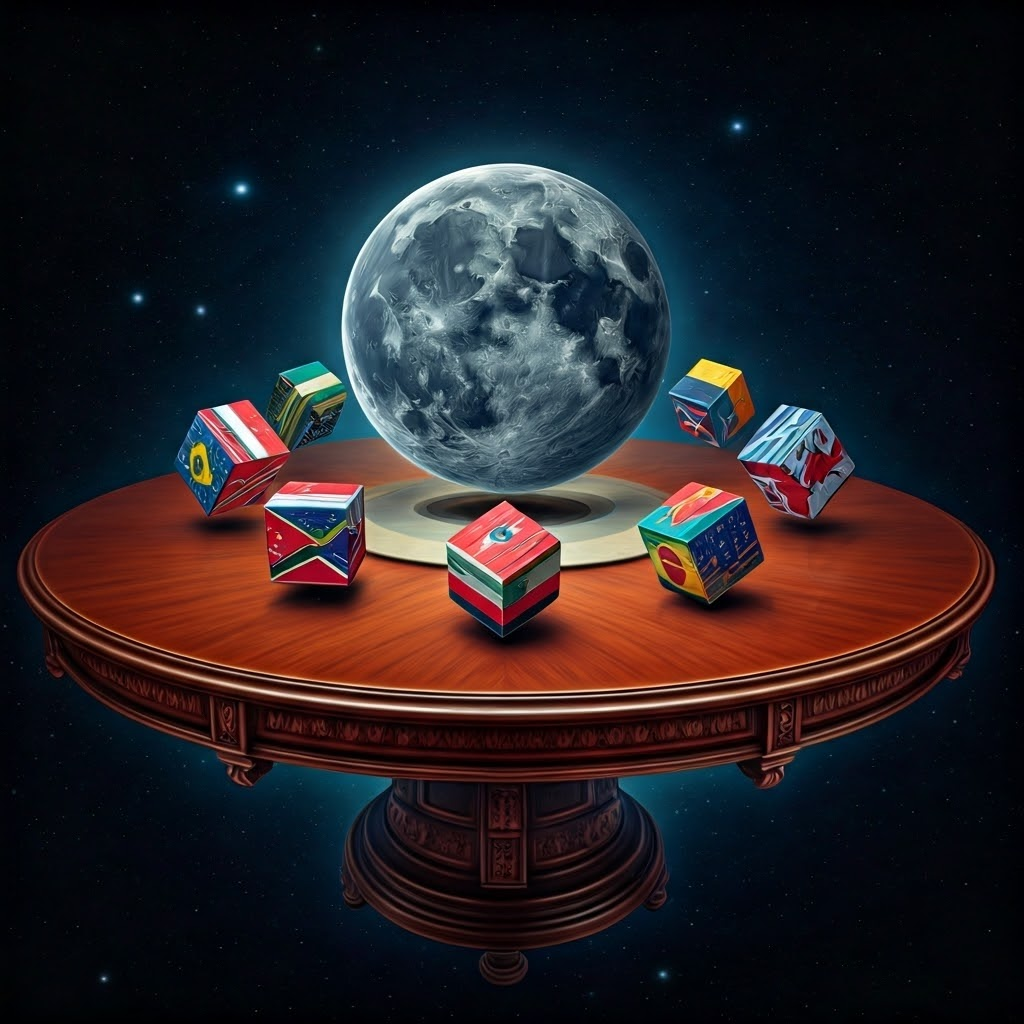
Scholars and dreamers: new ideas for space law
Legal thinkers propose fresh paths. Frans von der Dunk suggests functional jurisdiction—granting rights to operate specific projects without owning land. Others explore rotating governance or new global bodies to keep lunar activities fair.

Lessons from earth: oceans, antarctica, and the seabed
Shared spaces on Earth offer guides. The high seas, Antarctica, and the deep seabed each rely on clear rules and trust. Their success shows cooperation works when enforcement mechanisms exist.
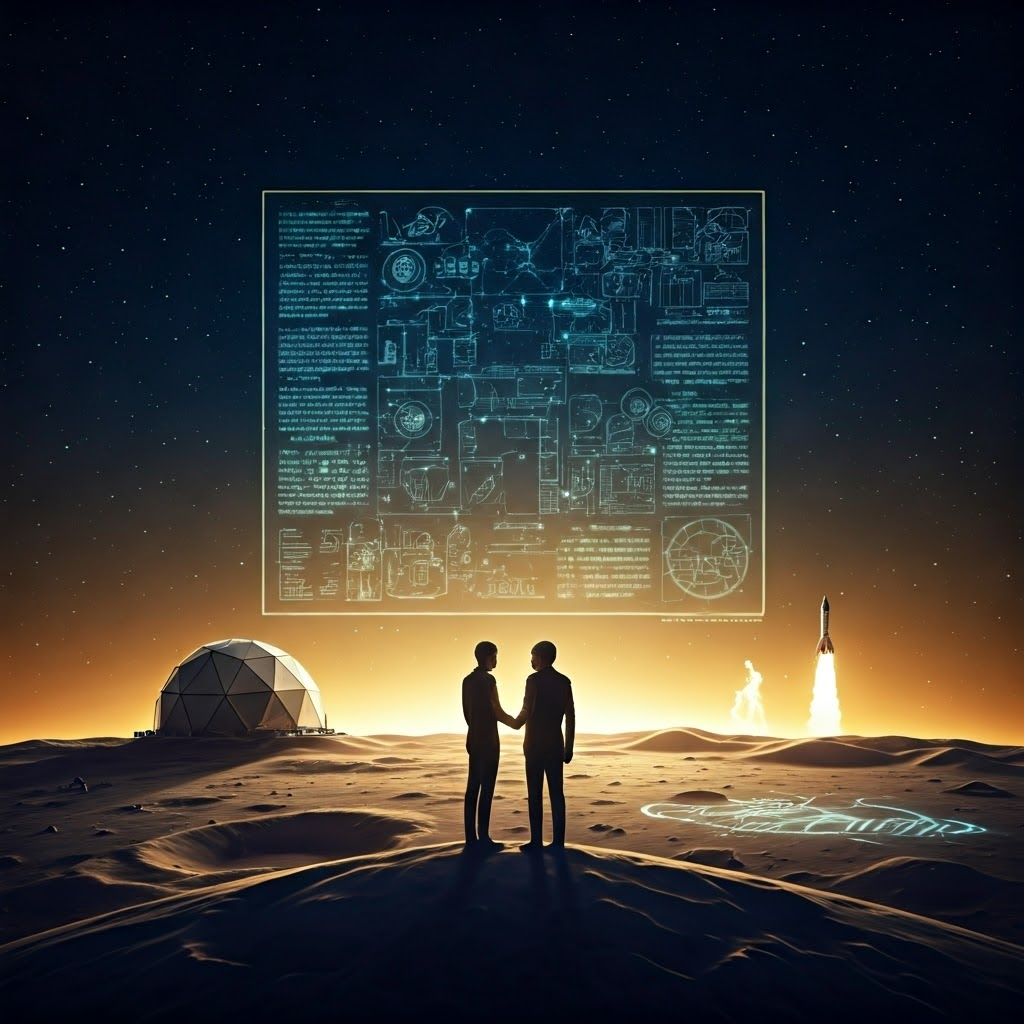
A lasting lunar system will need precise rules, real enforcement, and open doors for newcomers. Without them, valuable resources could spark conflict, and the next space rulebook will shape how humanity shares every frontier beyond Earth.
