14 min read  •  15 min listen

Routes & Riches

How Ancient Trade Routes Built the World You Live In

Routes & Riches

AI-Generated

April 29, 2025

Ever wondered how obsidian from Anatolia or lapis from Afghanistan ended up in the hands of ancient kings? Step into the world where trade was adventure, and every route was a gamble for riches, ideas, and survival. This tome reveals the surprising ways early societies connected, swapped, and shaped the world you know today.


Trails of Stone, Salt, and Ambition

Early Neolithic hunter at dawn in Anatolia, holding a shimmering obsidian blade, rocky landscape and distant volcanoes behind

Sharp black volcanic glass once changed everything. Obsidian blades let Neolithic hunters cut cleaner and carve faster than bone or flint. People prized the material like today’s smartest device.

Obsidian and the First Barter Networks
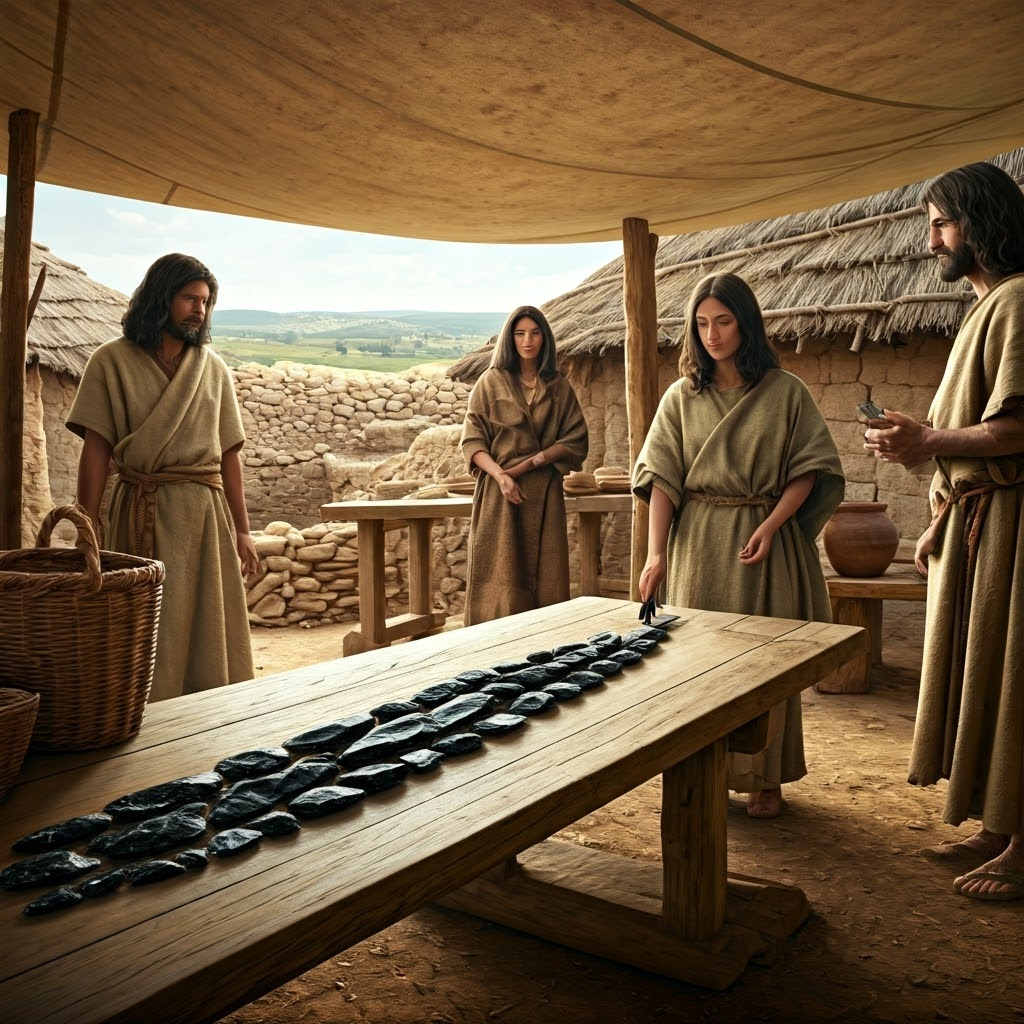
Neolithic traders at Çatalhöyük exchanging skins and baskets for glossy obsidian shards under canvas stalls

Hunters followed volcanoes and river pebbles to find the sleek stone. Soon barter circles formed. In Çatalhöyük, neighbors swapped grain or woven baskets for slivers hauled from Cappadocia—over one hundred miles away.

Archaeologists use chemical fingerprints to match each obsidian flake to its volcano. The same mountain’s glass shows up across the Near East, proving that Stone Age groups already shared a vast trade web.

Obsidian served in knives, rituals, and beads. Its steady flow reveals early ambition—people linked distant villages for both utility and beauty.

Afghan guides lead camels loaded with deep blue lapis lazuli across a snowy mountain pass at sunrise

Lapis Lazuli: Blue Stones, Long Roads

A deep royal blue lured kings and priests. Lapis lazuli came mainly from Afghanistan’s high peaks, forcing caravans through ice-lined passes and bandit paths.
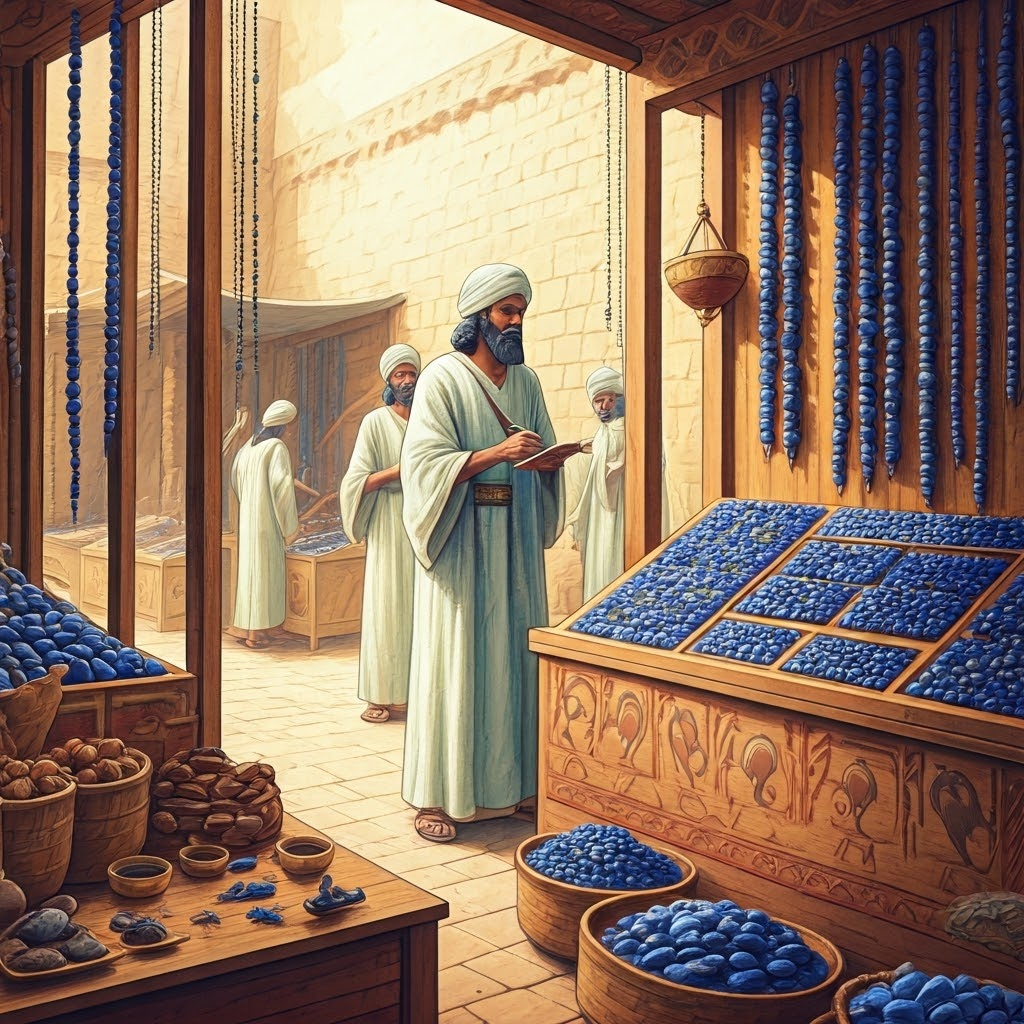
Ancient Mesopotamian market with traders haggling over lapis beads at painted wooden stalls

When a lapis bead appears in Ur or Thebes, it has likely traveled 1,500 miles. Each hand added value—sometimes carving a tiny god—mapping the first long-distance routes.
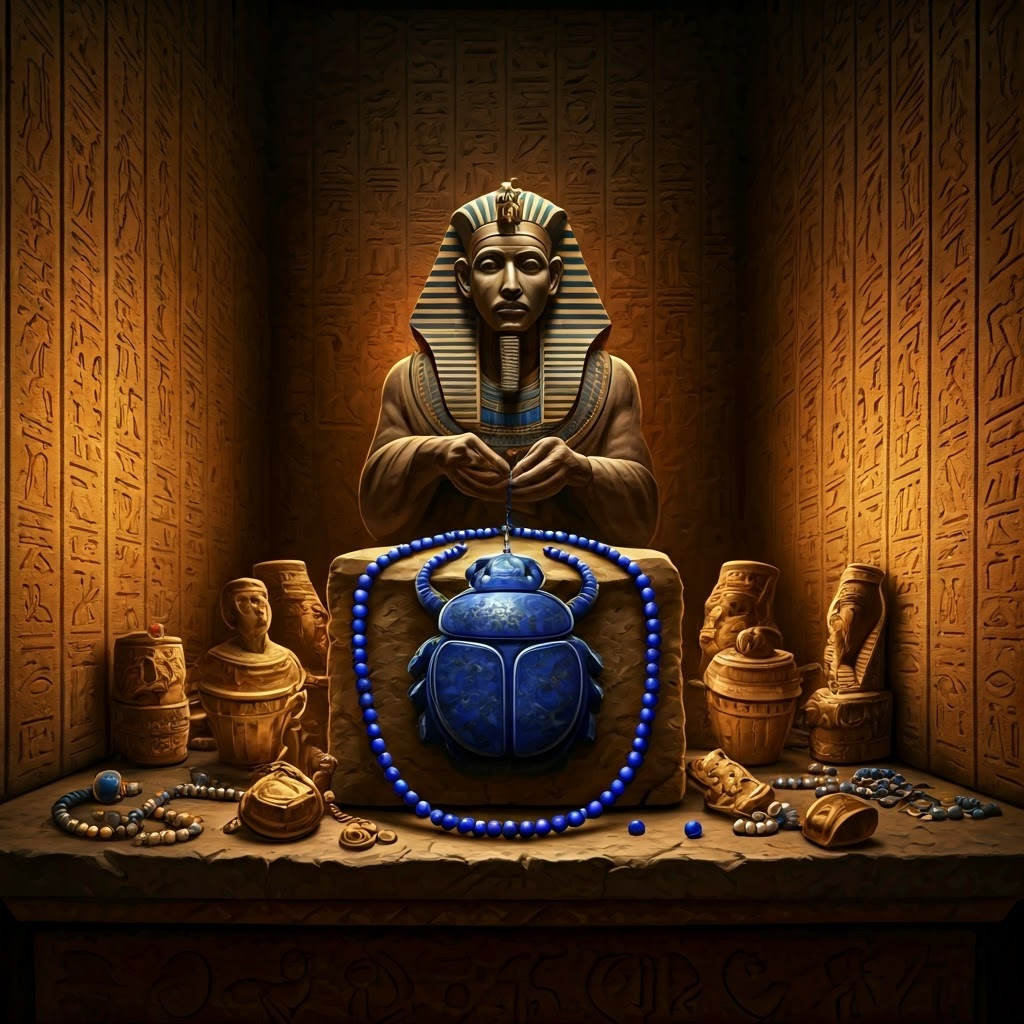
Egyptian tomb chamber where a lapis scarab necklace glints among gold relics

Lapis stayed rare. Its presence in royal graves proves early societies grasped the power of exotic goods and the risks merchants would take to move them.

Camel salt caravan crossing golden dunes under intense desert sun

Salt, Survival, and the Value of Necessity

Obsidian and lapis dazzled, yet salt sustained life. It preserved meat, flavored bland meals, and replaced body salts in heat. Roman “salary” came from this vital mineral.
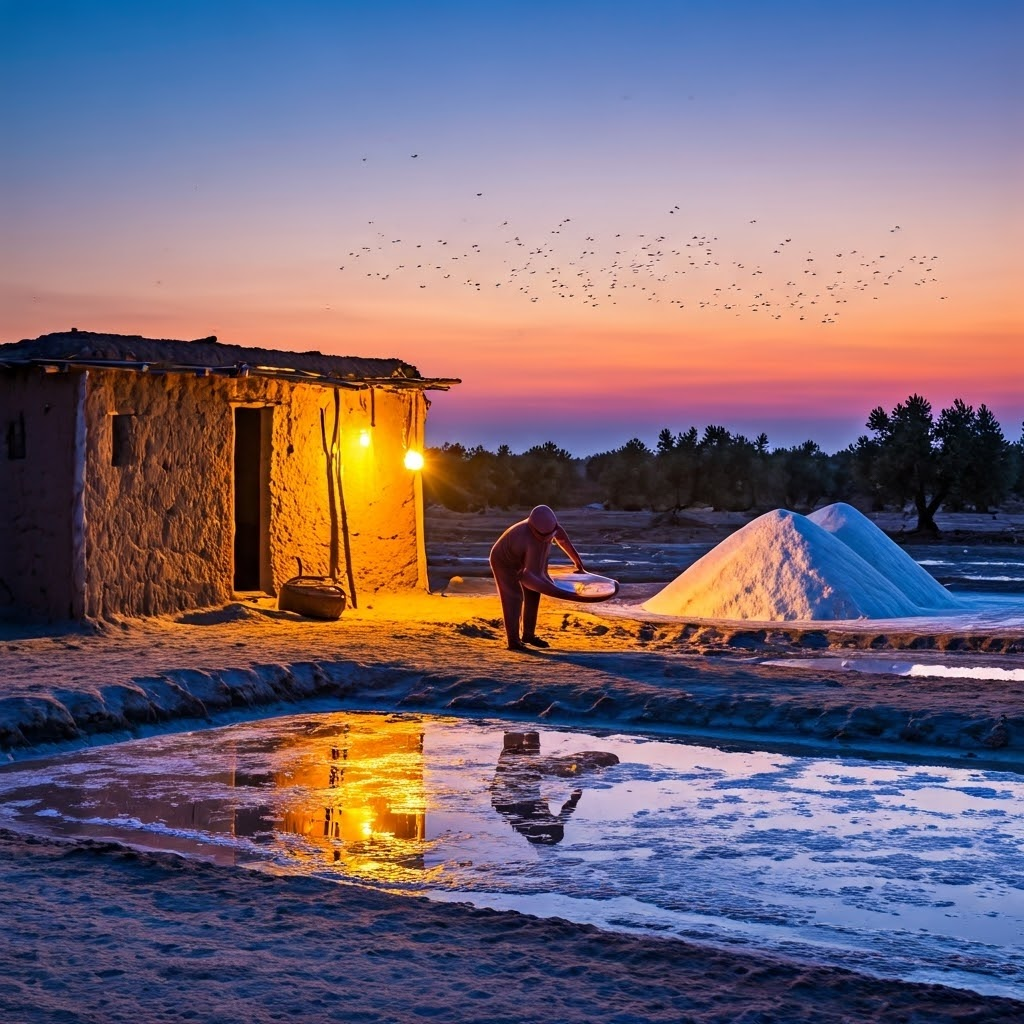
Anatolian villagers at dusk harvesting salt crystals beside a shallow spring

Settlements grew near Tuz Gölü springs or Iranian deserts. Caravans of donkeys and camels hauled white gold over the same dusty tracks for generations.

Night desert camp where traders roast meat beside stacked salt sacks under a starry sky

Control of salt meant power. Chiefs taxed it, armies fought for it, and archaeologists now find salt pans and bone piles—evidence of late-night trades driven by necessity.

Lab scientist scans tiny obsidian flakes with X-ray fluorescence equipment, world map filled with colored pins behind

How Archaeologists Map Ancient Trade

Science meets detective work. Researchers perform provenance tests. X-ray fluorescence reveals an obsidian shard’s volcano. Isotope studies track lapis layers. Pottery, tools, and animal bones trace salt paths.
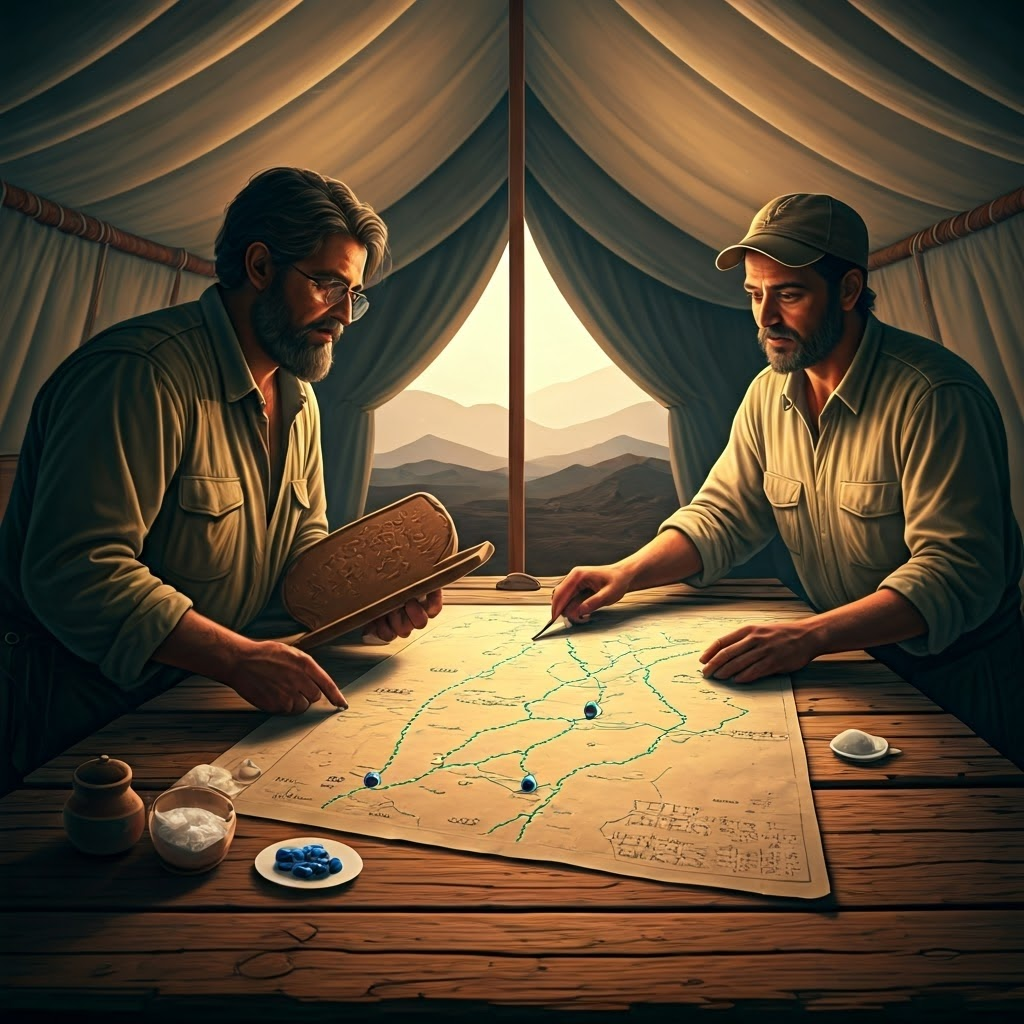
Field archaeologists mark trade routes on a large map dotted with stone and salt icons while a projection glows nearby

Plotting sources against findspots lets scholars redraw forgotten roads. Each artifact is a five-thousand-year-old package label written in chemical code.
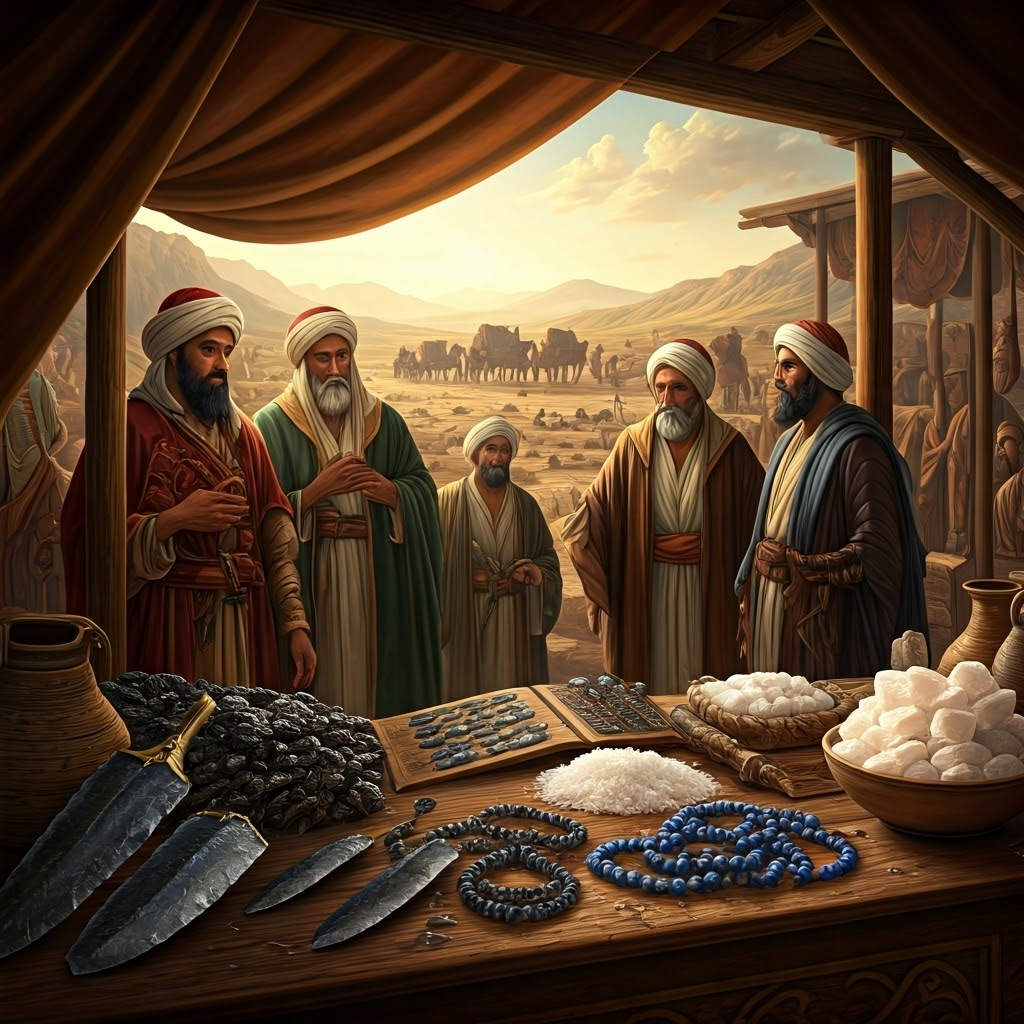
Market stall displaying obsidian blades, lapis beads, and salt nuggets as dawn caravans depart across a valley

Stones, Salt, and the Start of Wealth

Obsidian, lapis lazuli, and salt forged networks linking strangers across plains and deserts. These webs nurtured the first sparks of economics—deciding rarity, price, and worth.

Each pinch of salt or polished stone today echoes ancient journeys of risk, trade, and shared survival.


Tome Genius

Ancient Civilizations: Cradles of Humanity

Part 4

Tome Genius

Cookie Consent Preference Center

When you visit any of our websites, it may store or retrieve information on your browser, mostly in the form of cookies. This information might be about you, your preferences, or your device and is mostly used to make the site work as you expect it to. The information does not usually directly identify you, but it can give you a more personalized experience. Because we respect your right to privacy, you can choose not to allow some types of cookies. Click on the different category headings to find out more and manage your preferences. Please note, blocking some types of cookies may impact your experience of the site and the services we are able to offer. Privacy Policy.
Manage consent preferences
Strictly necessary cookies
Performance cookies
Functional cookies
Targeting cookies

By clicking “Accept all cookies”, you agree Tome Genius can store cookies on your device and disclose information in accordance with our Privacy Policy.

00:00