
How Rockets Really Work: The Basics and Beyond

Rockets seem to push on air, yet they work perfectly in the emptiness of space. They rely on Newton’s third law. When hot gases shoot backward, the rocket moves forward—no air is required.
Why Rockets Don’t Need Air
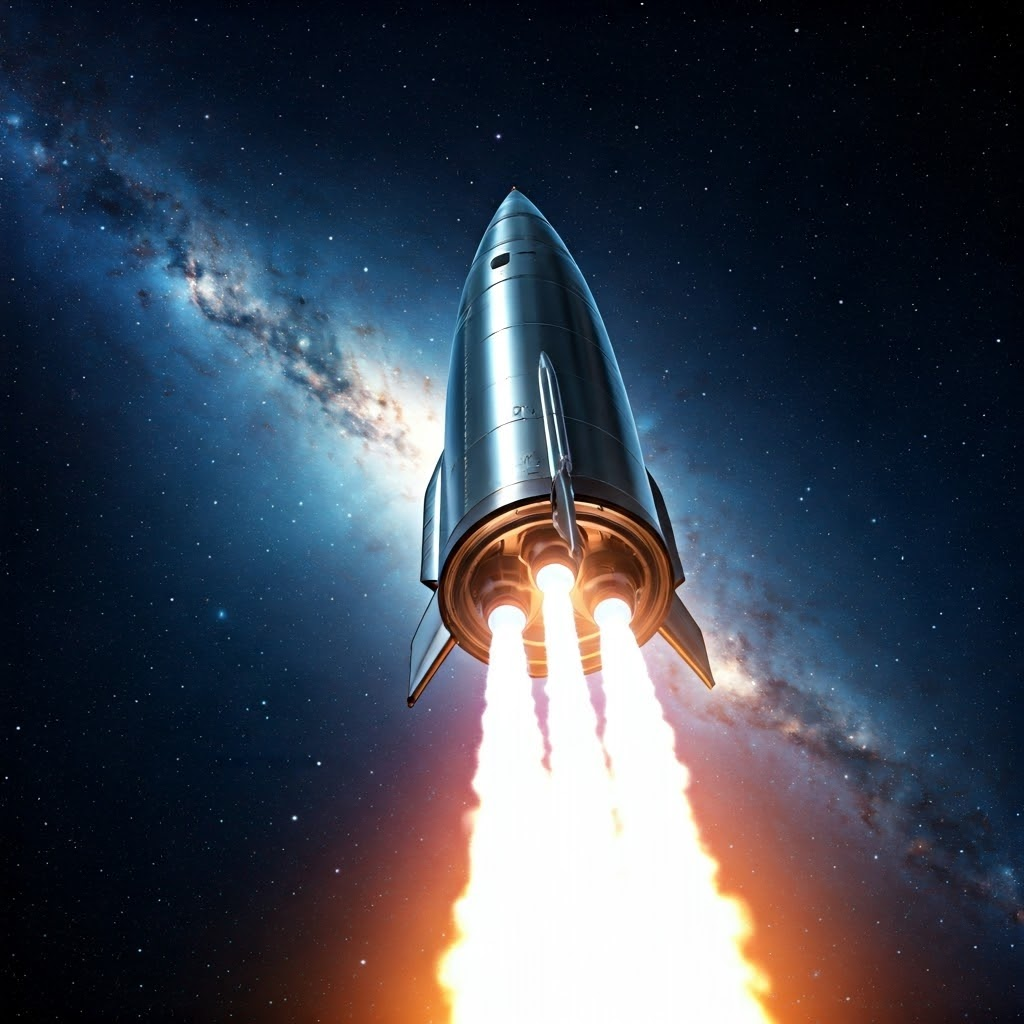
Picture a skateboard jump. You kick back; the board rolls the other way. A rocket copies that move with blazing gas. The exhaust races out, and the vehicle surges ahead. Space offers no resistance, yet the exchange still happens because the rocket pushes on its own exhaust.
Newton’s Laws: The Rocket’s Rulebook
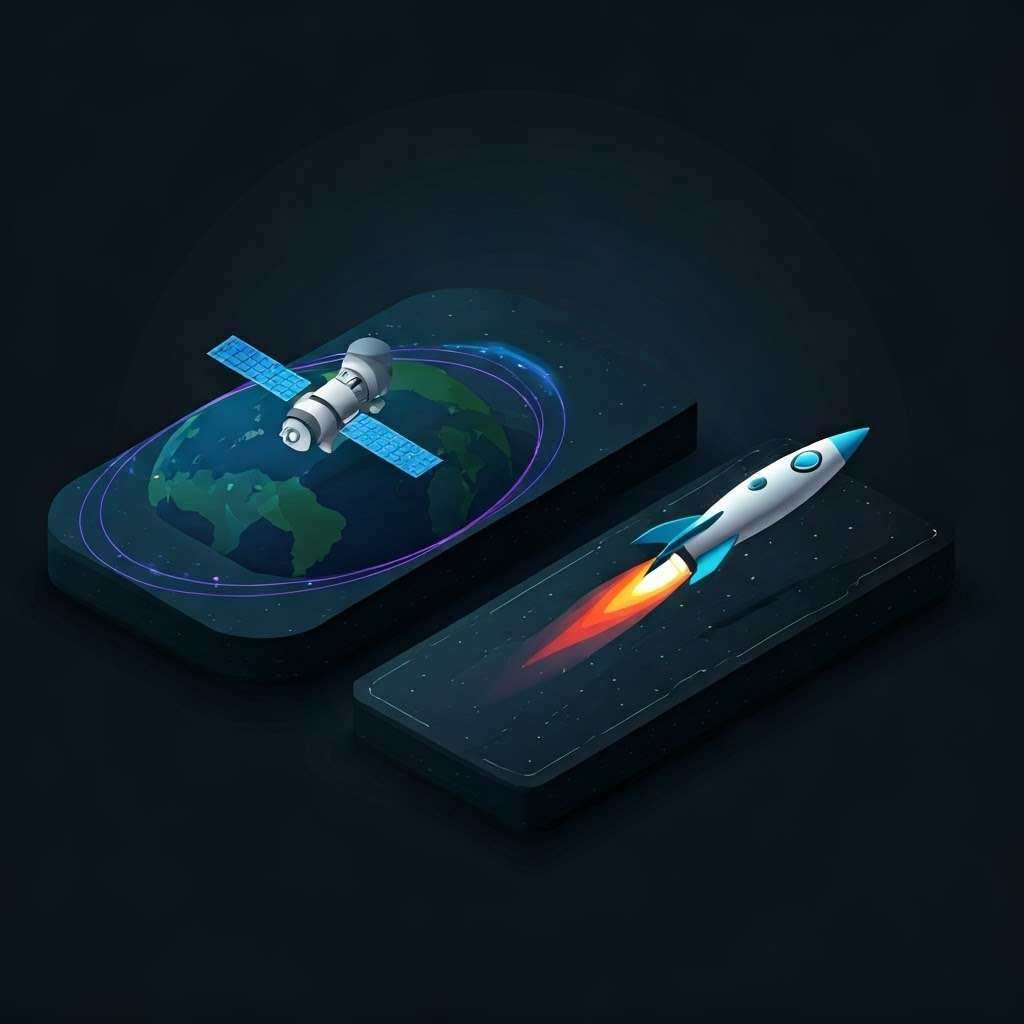
Newton’s first law says an object keeps its speed unless a force changes it. Give a satellite one shove, and it circles Earth for years. The second law, expressed as F = ma, tells us heavier craft need stronger thrust. As fuel burns away, mass drops and acceleration climbs.

The third law closes the set. Throw flour backward from a cart and you glide forward. Rockets obey the same simple trade—mass one way, motion the other.
The Rocket Equation: Why Fuel Matters
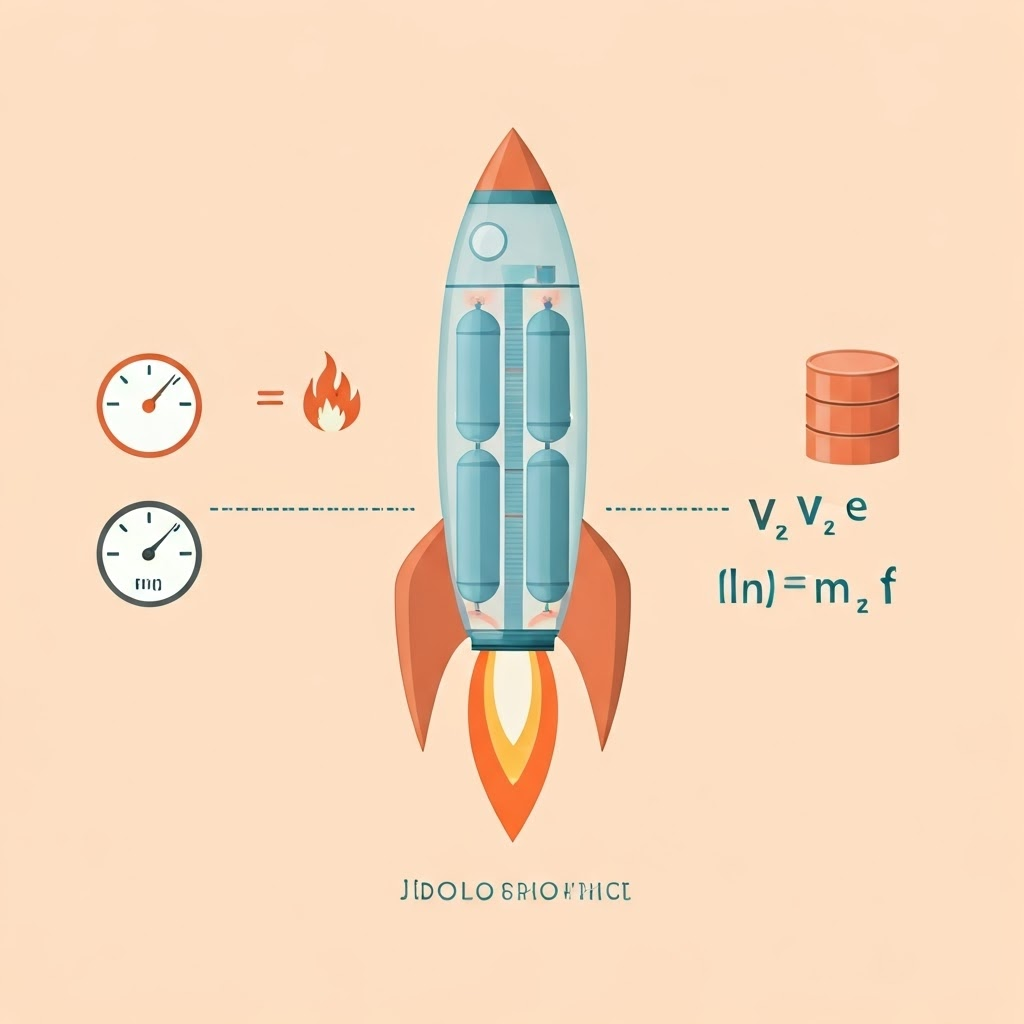
Russian pioneer Konstantin Tsiolkovsky framed the rocket equation. It links change in speed to two factors: exhaust velocity and mass ratio. More speed demands either faster exhaust or a lighter, fuel-rich vehicle.
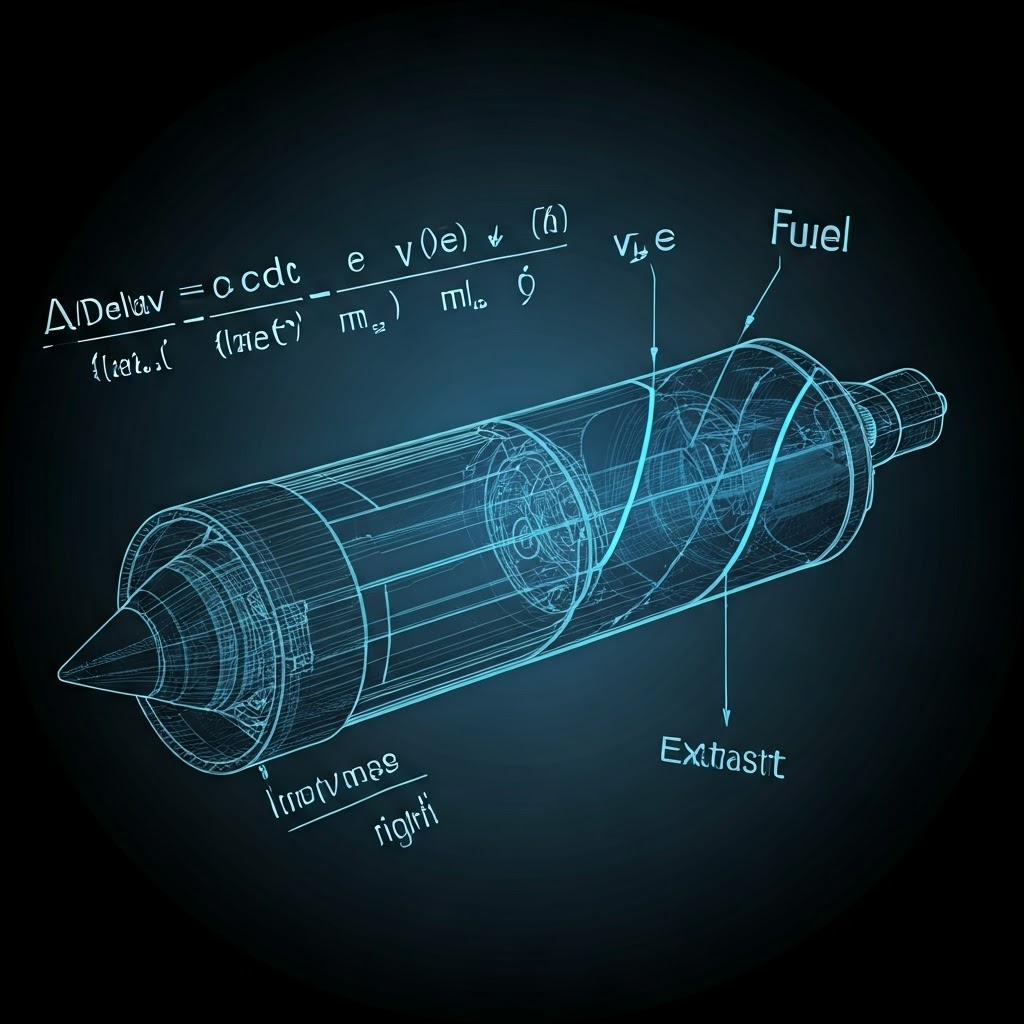
Δv is the needed speed. vₑ marks exhaust velocity. m₀ is full mass; m_f is mass after burn. A lighter final mass stretches the logarithm, giving more velocity from the same engines.

Want higher Δv? You must add lots of fuel, which also adds weight. Each extra pound has to lift itself and everything above it. The climb soon becomes impossible—like hiking uphill while hauling your whole bedroom.
Thrust, Mass, and the Art of Getting Off the Ground
Launch hinges on three players. Thrust pushes up. Mass pulls down through gravity. Engines must create force greater than m g. More engines add thrust but also add mass, so designers juggle numbers to stay ahead of gravity’s grip.

Engineers shave ounces and use staging. Empty tanks drop away, lightening the load and raising acceleration. A slim, efficient stack often beats a hulking brute stuffed with extra fuel.
The Surprising Logic of Spaceflight
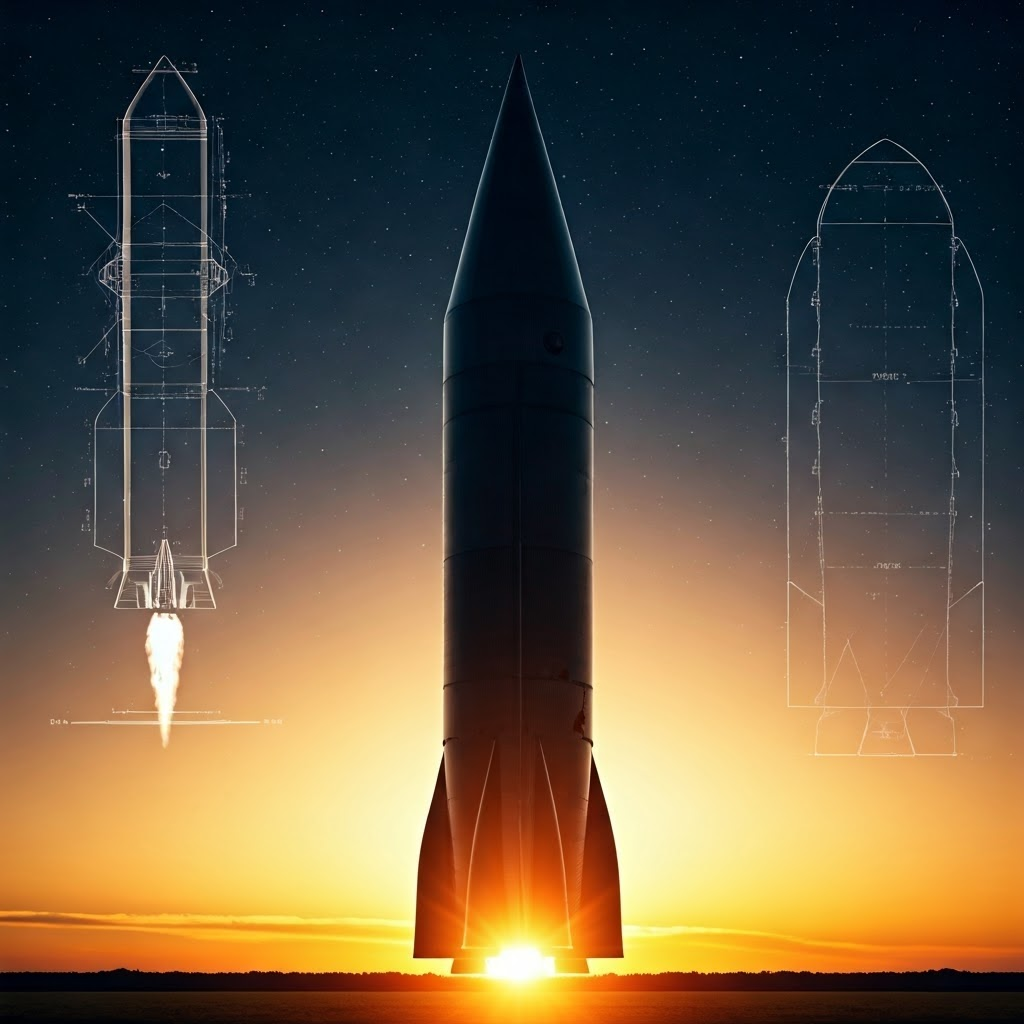
Every fin, tank, and nozzle aims for maximum push with minimum weight. Newton’s insights explain movement; the rocket equation explains fuel needs. Remember that math the next time flames roar skyward—the numbers make the journey to the stars possible.
