14 min read  •  14 min listen

Rivers in Bloom

How Ancient Rivers Sparked the First Civilizations

Rivers in Bloom

AI-Generated

April 29, 2025

Ever wondered why the first cities grew along rivers? Step into a world where water shaped power, belief, and daily life. See how ancient rivers sparked invention, trade, and the roots of modern society.


When the Waters Rise: Life on the Floodplains
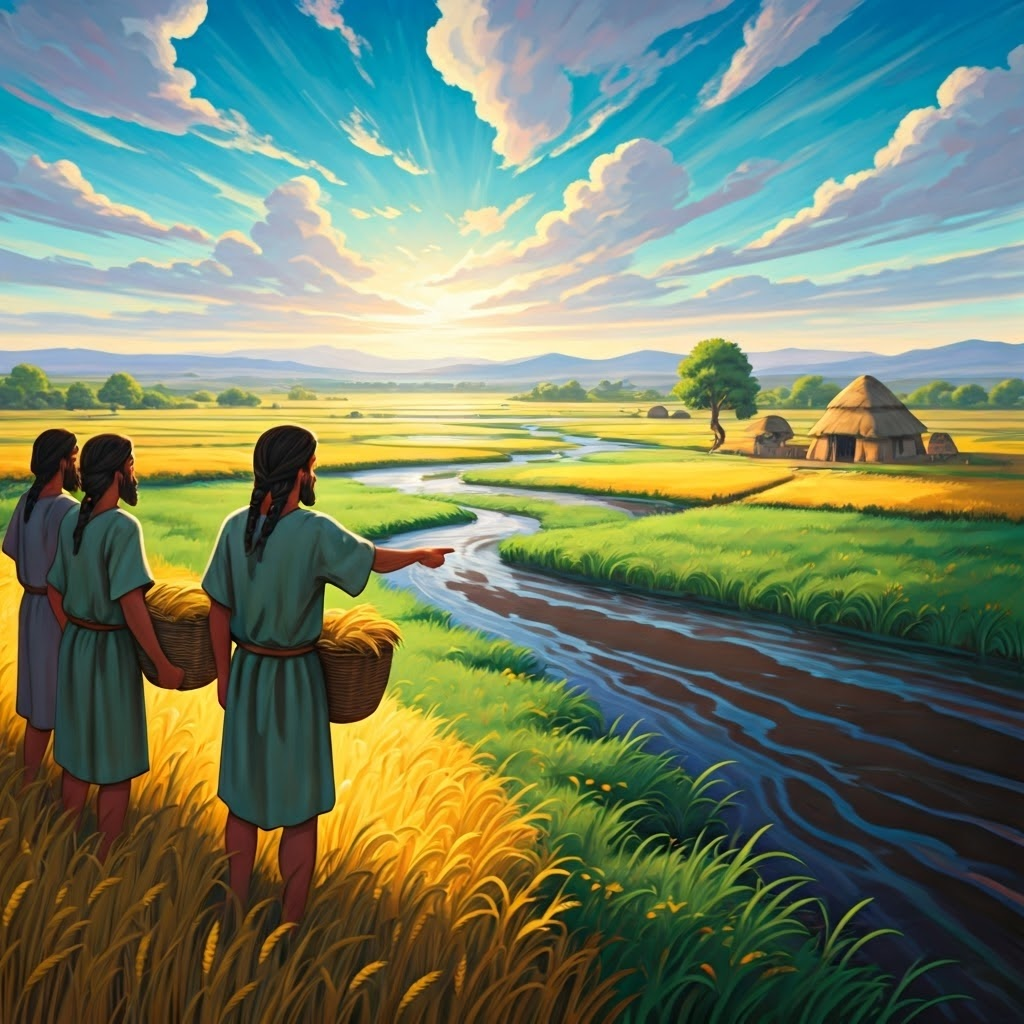
Pastel mural showing ancient farmers on green floodplains gathering wheat as rivers deposit dark fertile silt, highlighting how floods turn barren land into rich fields.

The Gift of the Floods

The earliest cities thrived because rivers flood and leave rich soil behind. Stand by the Nile, the Tigris, the Indus, or the Yellow River and you’re on land renewed each year by silt-laden water.

In Egypt, the Nile’s rhythm felt steady. Summer floods rose, spread, and withdrew like clockwork, laying perfect soil for wheat and barley. Herodotus called Egypt “the gift of the Nile” because that calm cycle shielded farmers from drought.
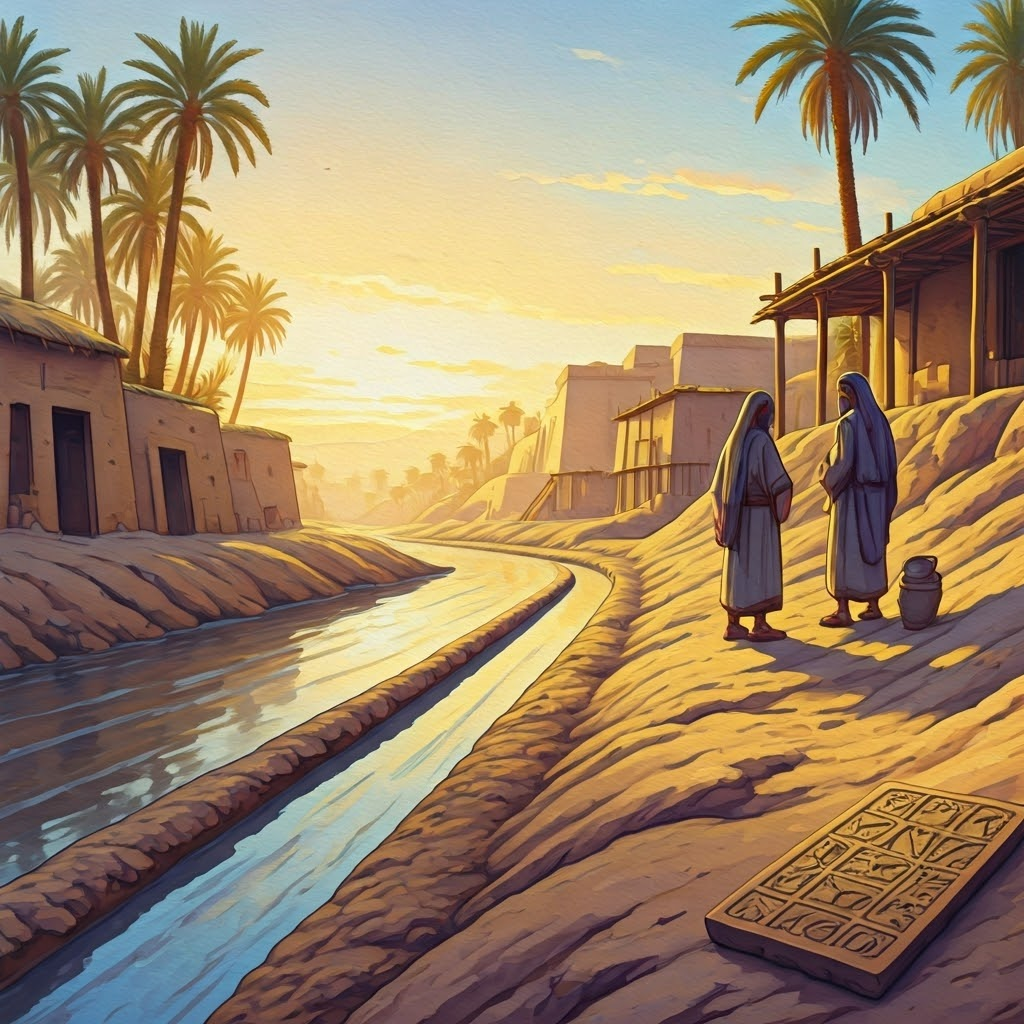
Watercolor scene of dawn on a Mesopotamian river where farmers inspect canals and study a clay tablet of water designs, capturing early irrigation efforts.

Mesopotamia faced wild, untimed surges. Yet even chaotic floods spread nutrients, so people dug canals and raised homes high. The Indus and the Yellow River behaved the same—blessing fields while testing builders. Scholars argue these floods made large, organized societies possible.
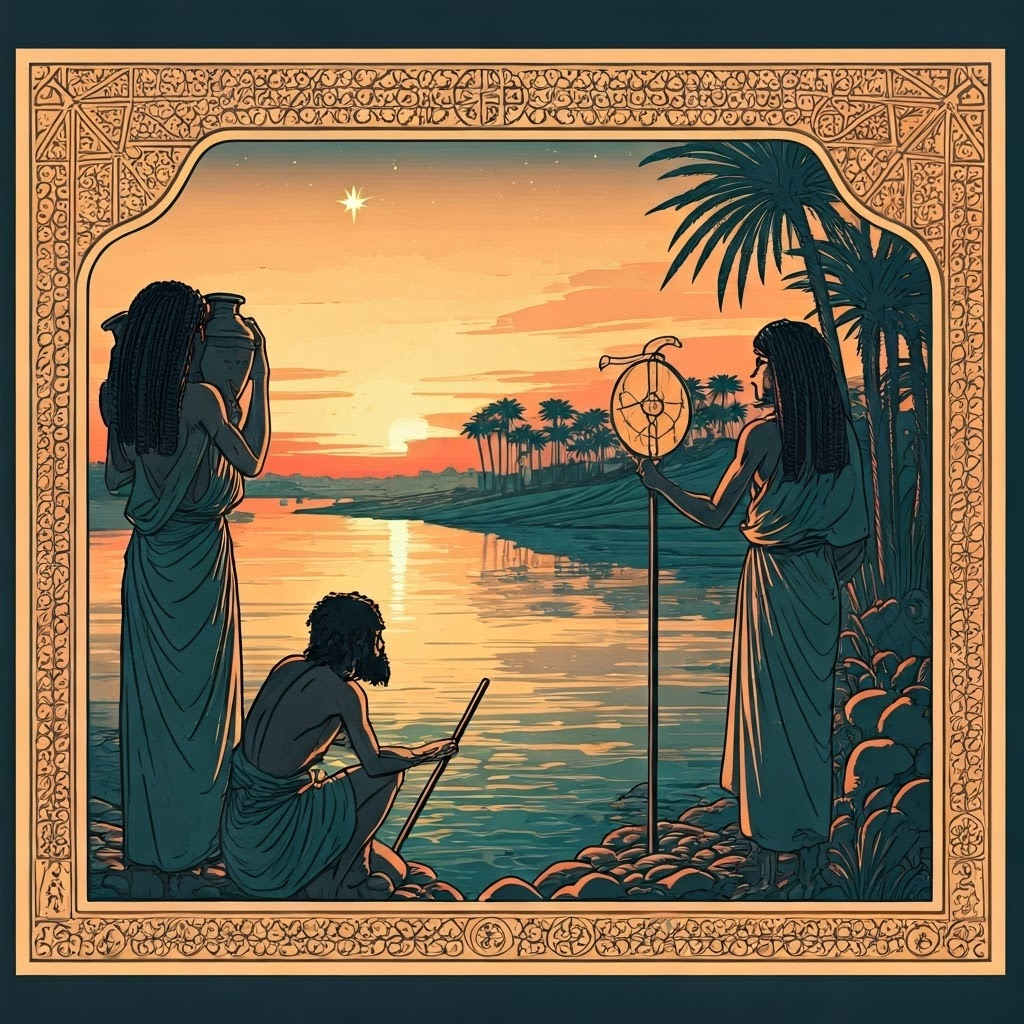
Japanese-style print of Nile farmers at sunrise noting Sirius in the sky to mark the new year and predict the flood.

Seasons, Survival, and the Calendar

To survive rising water, farmers watched nature. Certain stars, animal movements, and air shifts signaled change. Over time, those cues formed the first calendars.

In Egypt, Sirius appeared just before dawn—and just before the flood. Planting, harvests, and even taxes followed that stellar alert, tying daily life to the river’s pulse.
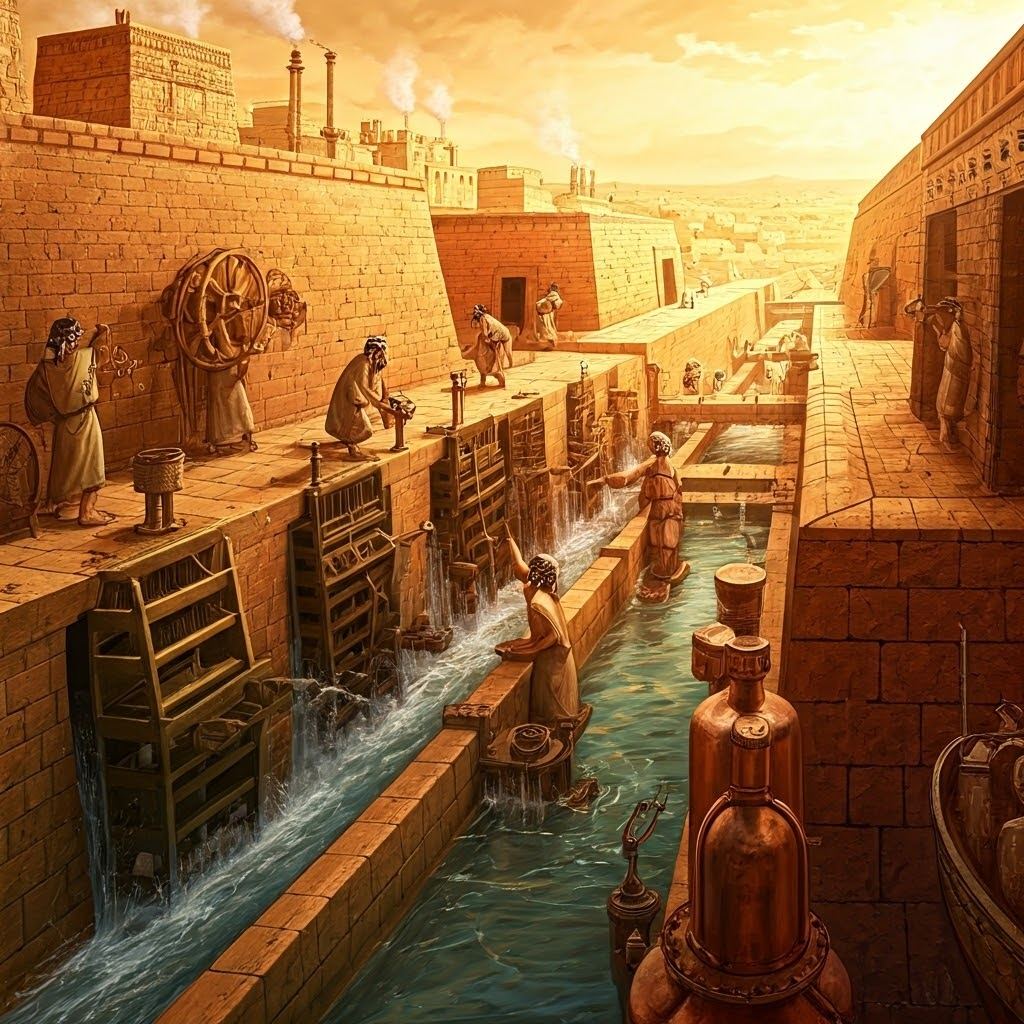
Steampunk-inspired scene of Mesopotamians adjusting mechanical gates and charting water-sharing rules along busy canals.

Shared rivers forced neighbors to cooperate. Mesopotamian laws spelled out who could tap a canal and who paid for damage. In the Indus and early China, synchronized farming schedules reveal wide, community planning shaped by flood timing.
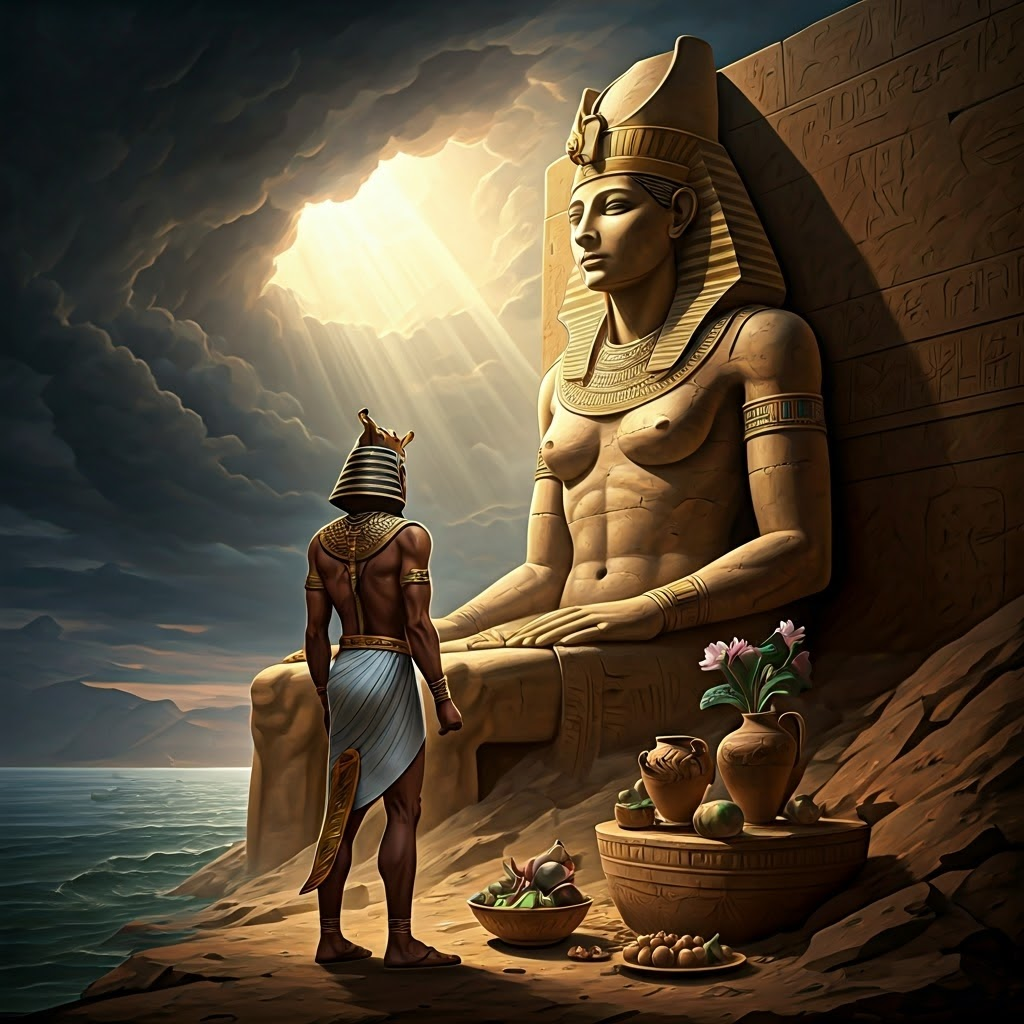
Baroque fresco of an Egyptian pharaoh offering figs and lotus flowers to a sandstone river goddess under stormy skies.

Belief and the River Gods

When water can save or destroy, it feels alive. Egyptians linked their pharaohs to the Nile, practicing divine kingship through rituals meant to keep floods gentle.
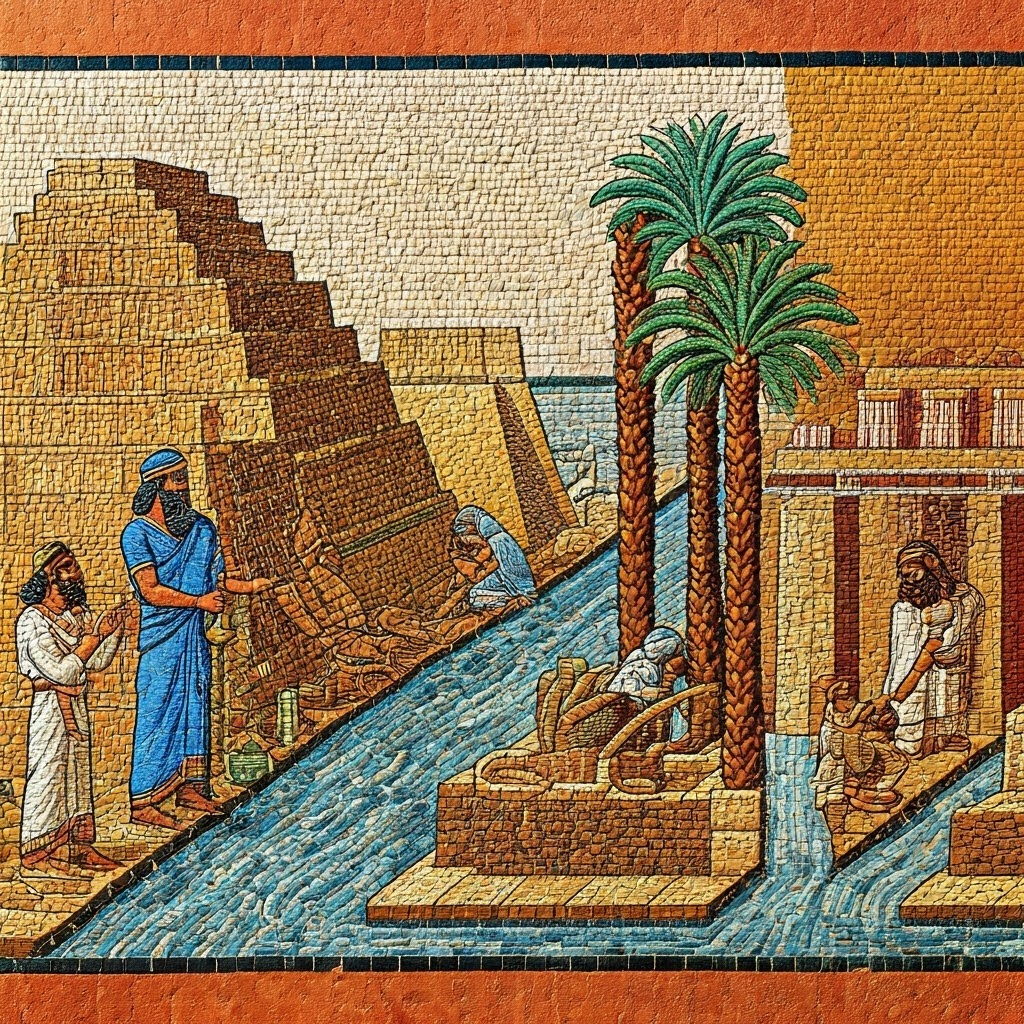
Colorful mosaic showing Sumerians pouring libations at a ziggurat while artisans build public baths beside flowing channels.

Sumerians, facing harsher rivers, told tales of unpredictable gods and epic floods. In the Indus, public baths hint that clean, moving water signified spiritual health.
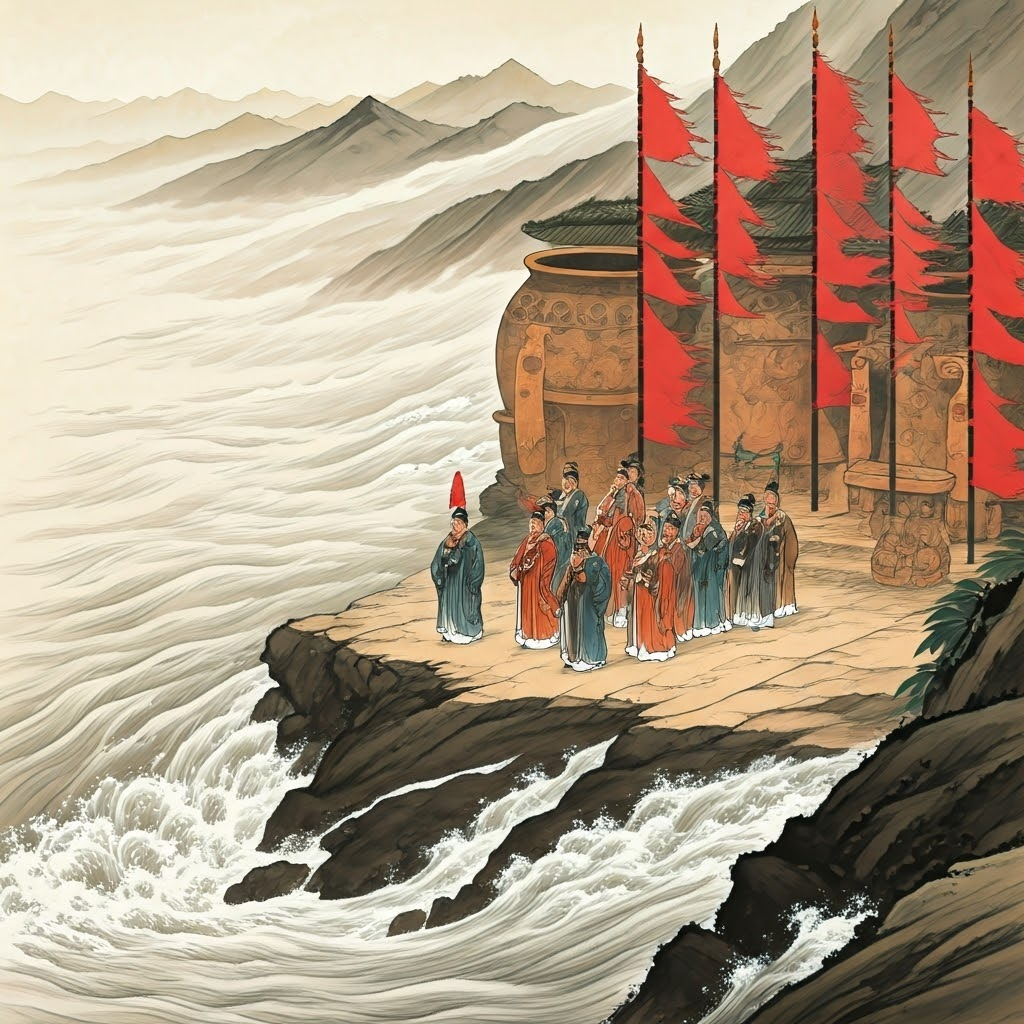
Ink wash painting of a Chinese emperor leading a ceremony by the turbulent Yellow River, balancing respect and fear.

China called the Yellow River both cradle and sorrow, building altars to plead for calm. Across regions, myths framed rivers as creators and destroyers, giving people comfort and a sense of control.
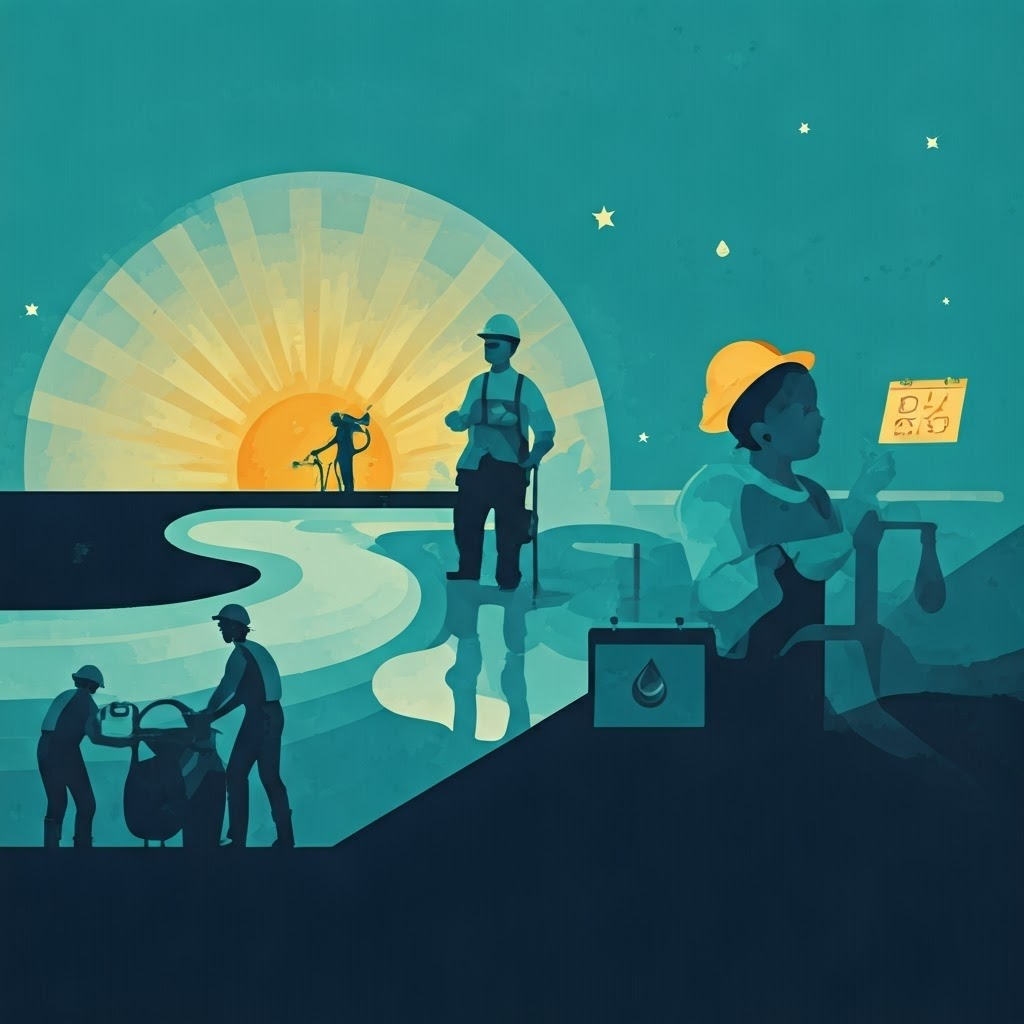
Modern flat-design poster showing farmers, engineers, and neighbors sharing water against a stylized river and rising sun.

Living with the Unpredictable

Civilization grew not from ease but from managing risk. By reading nature, sharing resources, and trusting leaders—or gods—people turned danger into progress. Those early lessons still guide us: observe, communicate, share, and respect what keeps life flowing.


Tome Genius

Ancient Civilizations: Cradles of Humanity

Part 3

Tome Genius

Cookie Consent Preference Center

When you visit any of our websites, it may store or retrieve information on your browser, mostly in the form of cookies. This information might be about you, your preferences, or your device and is mostly used to make the site work as you expect it to. The information does not usually directly identify you, but it can give you a more personalized experience. Because we respect your right to privacy, you can choose not to allow some types of cookies. Click on the different category headings to find out more and manage your preferences. Please note, blocking some types of cookies may impact your experience of the site and the services we are able to offer. Privacy Policy.
Manage consent preferences
Strictly necessary cookies
Performance cookies
Functional cookies
Targeting cookies

By clicking “Accept all cookies”, you agree Tome Genius can store cookies on your device and disclose information in accordance with our Privacy Policy.

00:00