
How the Revolution Caught Fire
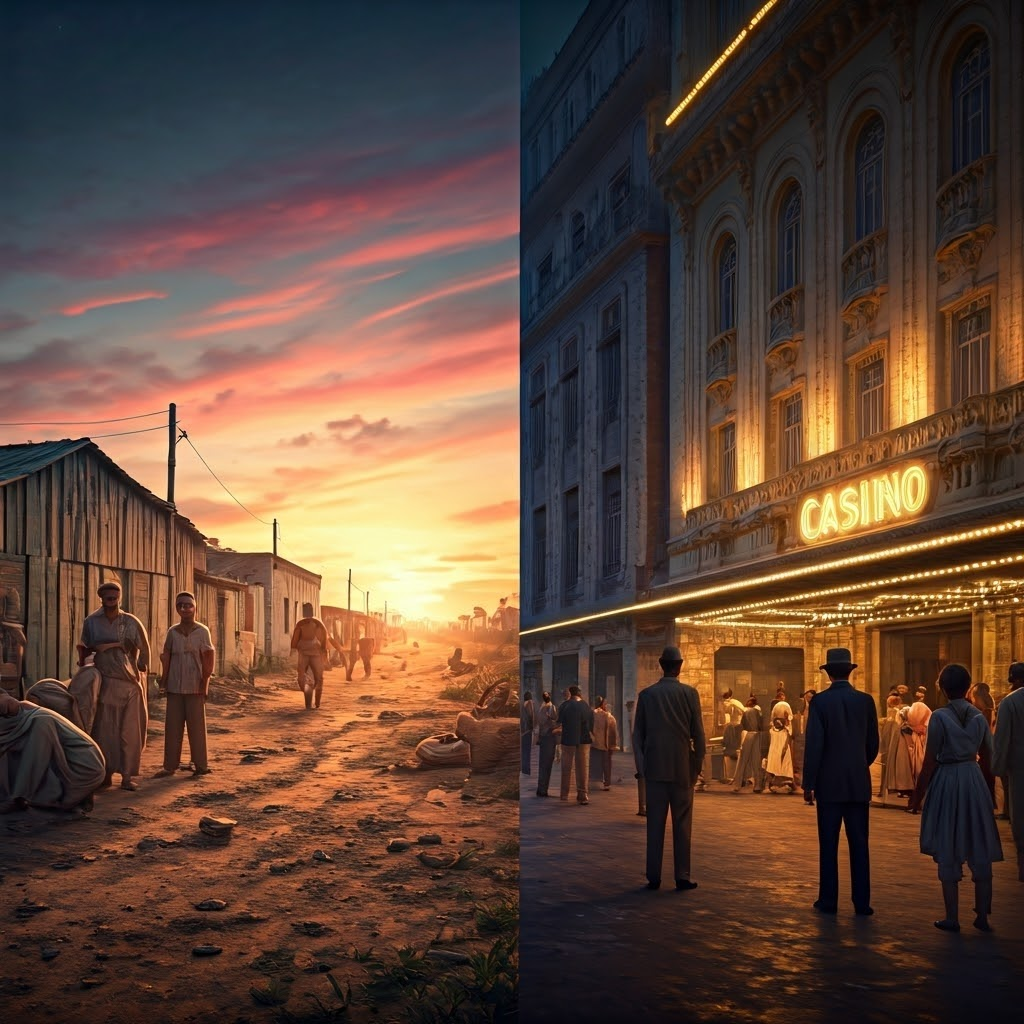
It’s hard to grasp the Cuban Revolution without first seeing pre-1959 Cuba. Havana glittered with casinos and cabarets, yet most families scraped by. Batista kept power through U.S. support and the army. He promised progress, yet delivered censorship, violence, and growing inequality.
Peasants owned almost nothing, while a small elite and foreign firms held the best land. Schools and clinics lacked supplies. City dwellers fretted over money by day and police raids by night. Fear pushed many to avoid politics entirely.
Before the Storm: Life Under Batista

Historian Ada Ferrer notes that survival left people little time for hope. Injustice spread as farmers lost land to sugar barons and students saw only exile or poverty ahead. Santiago’s campuses and unions simmered with anger, and each rigged election sharpened the demand for change.
The Spark: Castro and the 26th of July Movement
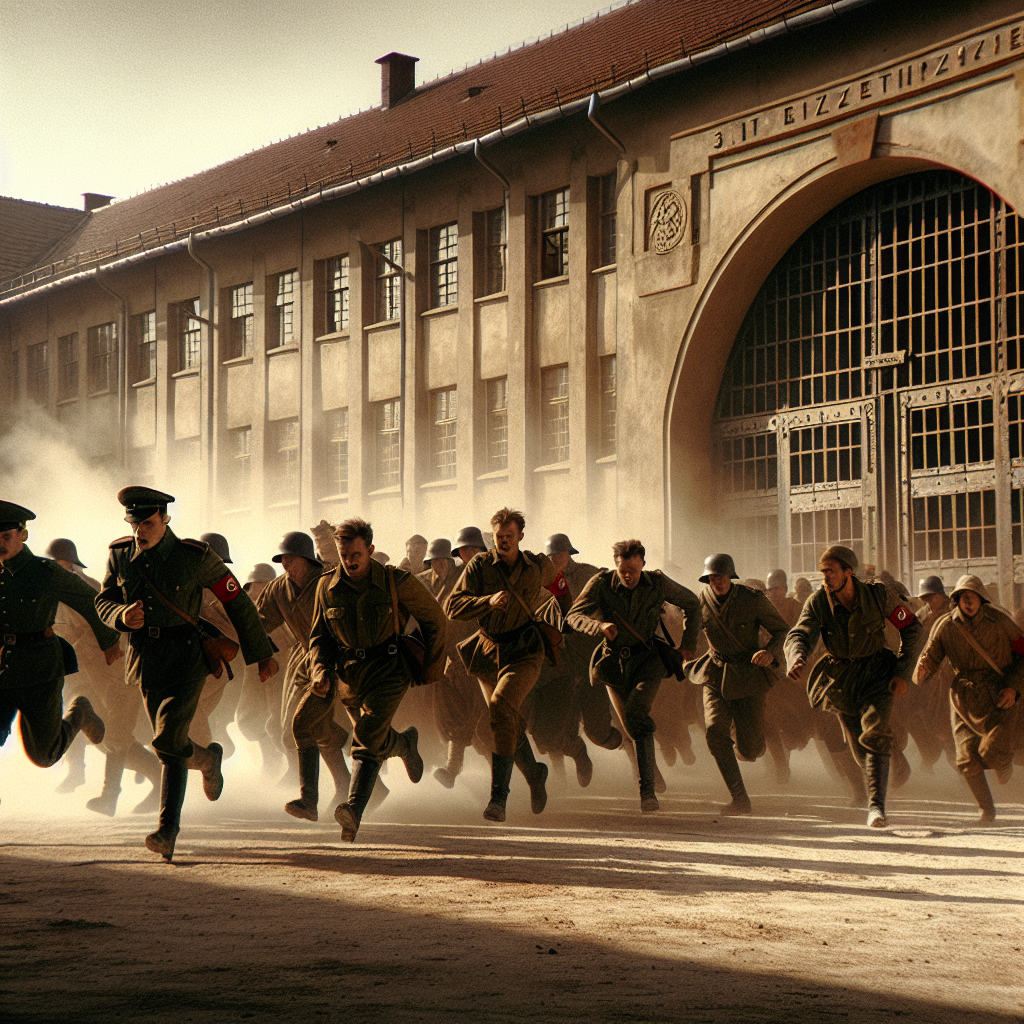
On 26 July 1953, young lawyer Fidel Castro led roughly 120 rebels against Santiago’s Moncada Barracks. The assault failed; many died or were captured. In court, Fidel declared, “History will absolve me.” The date became a symbol, and the 26th of July Movement took shape.
Imprisoned rebels won amnesty, fled to Mexico, and met allies like Che Guevara. In late 1956 they returned aboard the leaky Granma. The landing was disastrous—only a dozen survived to reach the Sierra Maestra mountains.
The Spark: Castro and the 26th of July Movement
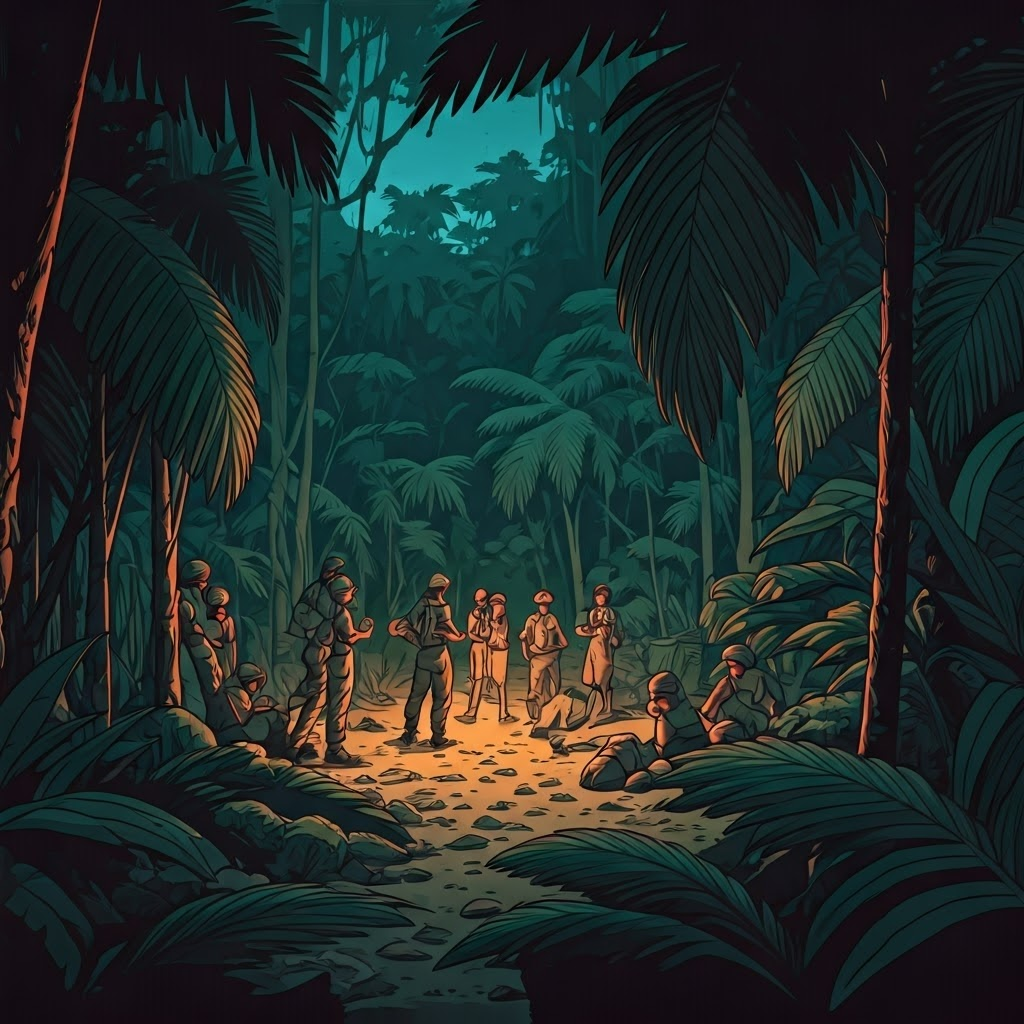
High in the Sierra, the rebels advanced through persistence. Local peasants offered food and shelter; in return, guerrillas promised land reform and punished abusive soldiers. Teen couriers, teachers, and doctors joined. Women like Celia Sánchez and Vilma Espín managed supply lines. Each small victory weakened Batista’s grip.
Che Guevara: The Face of Exported Revolution
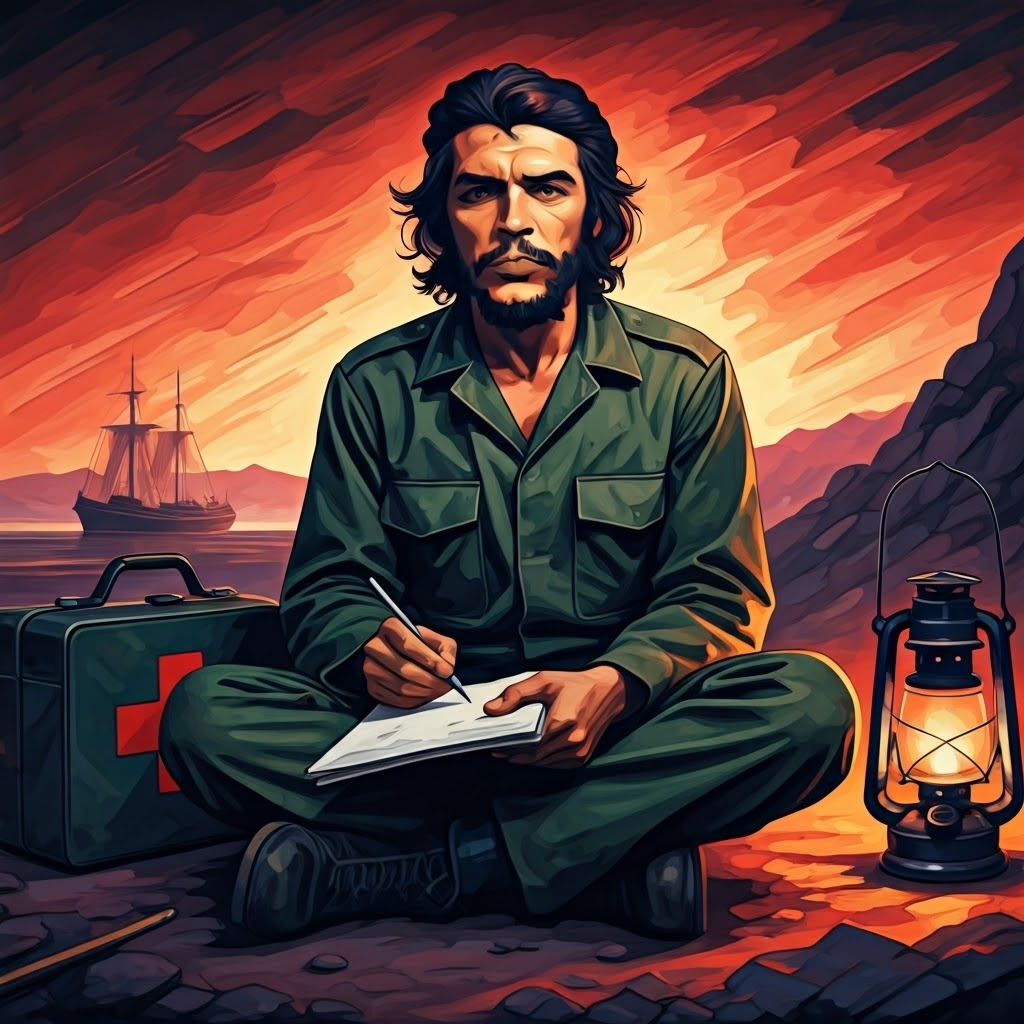
Che Guevara, an Argentine doctor, shared hardships with his fighters and insisted that moral character matched military skill. His belief in exported revolution drove him beyond Cuba after 1959. Though later campaigns failed, his example convinced many that committed minorities could challenge empires.
Memory and Meaning: Why It Still Matters
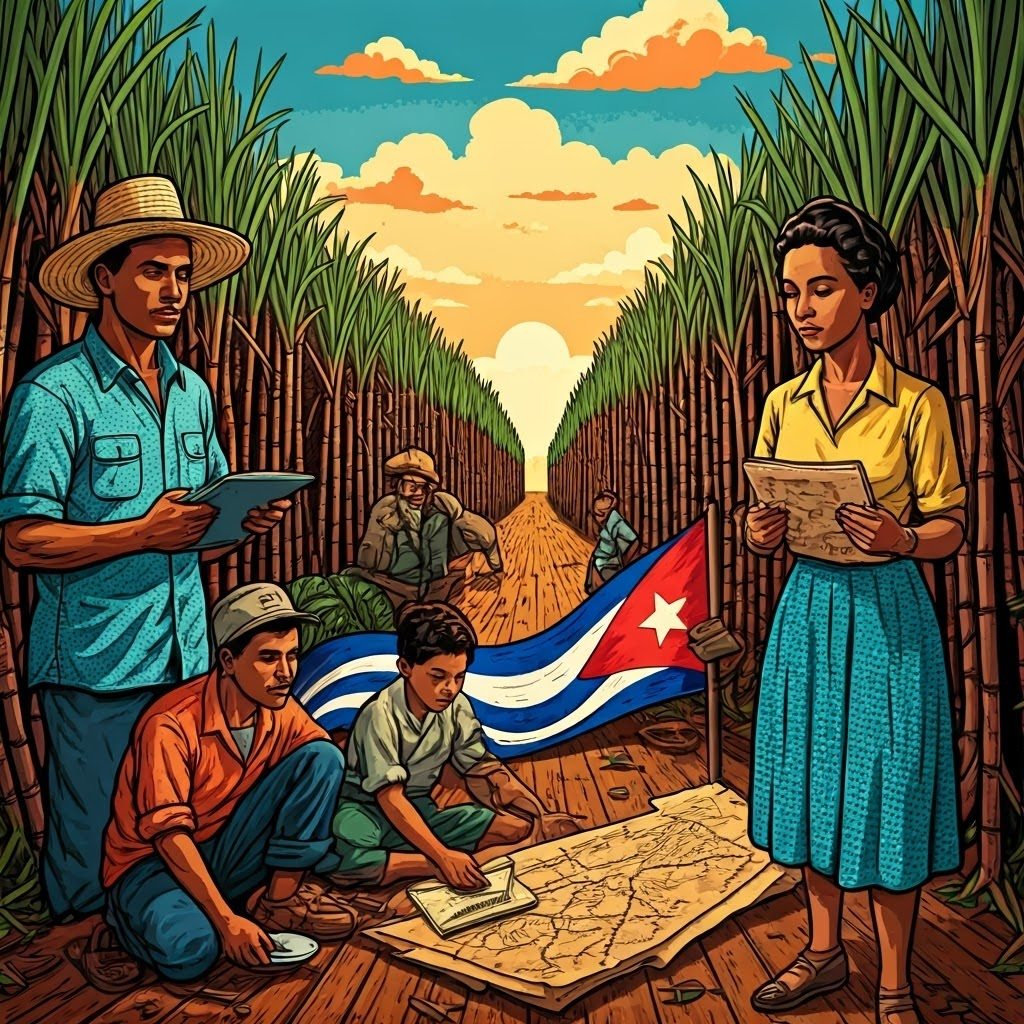
The uprising did more than topple a dictator. It rattled superpowers and offered underdogs a new blueprint built on justice and dignity. Its heroes include farmers who hid strangers, students clutching secret radios, and women charting safe routes. Their story shows how hope can outgrow fear.
