
From Earth to the Skies: The Spark That Changed Thinking
Ancient Views: Geocentric Ideas
For centuries, humanity believed Earth never moved and everything else revolved around it. People watched stars drift overhead, saw the sun rise and set, and noticed the moon’s path. This model, known as the geocentric view, put Earth at the center.
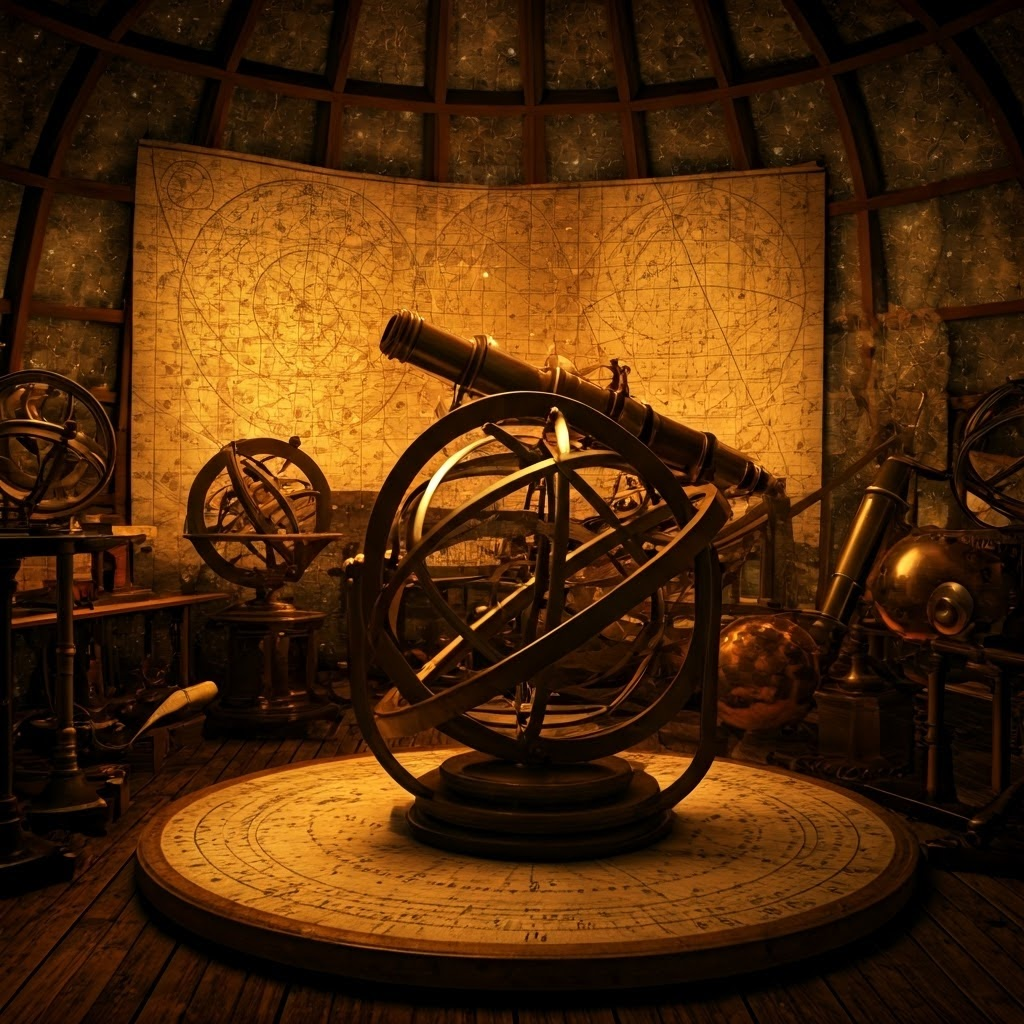
One strong supporter of this belief was Ptolemy, an ancient astronomer who wrote a detailed system of circles within circles—epicycles—to predict planetary paths. His model aligned with religion and tradition, so leaders trusted it. Many found it obvious and never thought to question it.
Yet even widely accepted ideas can show cracks. Astronomers noticed planets shifting oddly, leading to uneasy doubts about the geocentric system. Some wondered if a simpler explanation was hidden above their heads, waiting to unveil a more elegant truth.
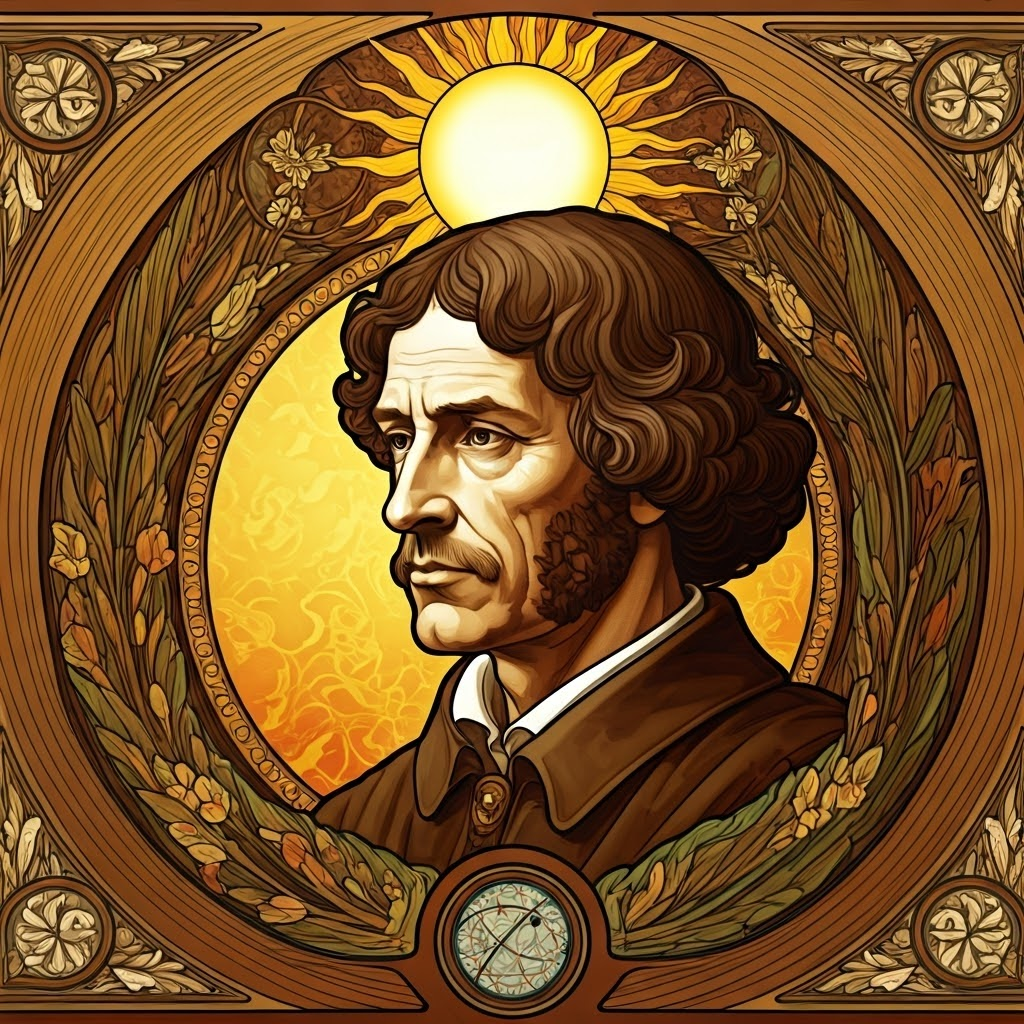
Enter Nicolaus Copernicus, a quiet Polish astronomer who proposed that Earth and other planets orbit the Sun. His heliocentric view wasn’t entirely new—Aristarchus had hinted at it centuries earlier—but Copernicus gave it serious mathematical support. His work unsettled the way people saw their place in the cosmos.
At first, his model felt shocking. If Earth moved, why didn’t we feel it? Why weren’t birds left behind? This clashed with common sense and cultural teachings that put humanity at the universe’s center. Scholars and institutions grew uneasy about the shift it implied.
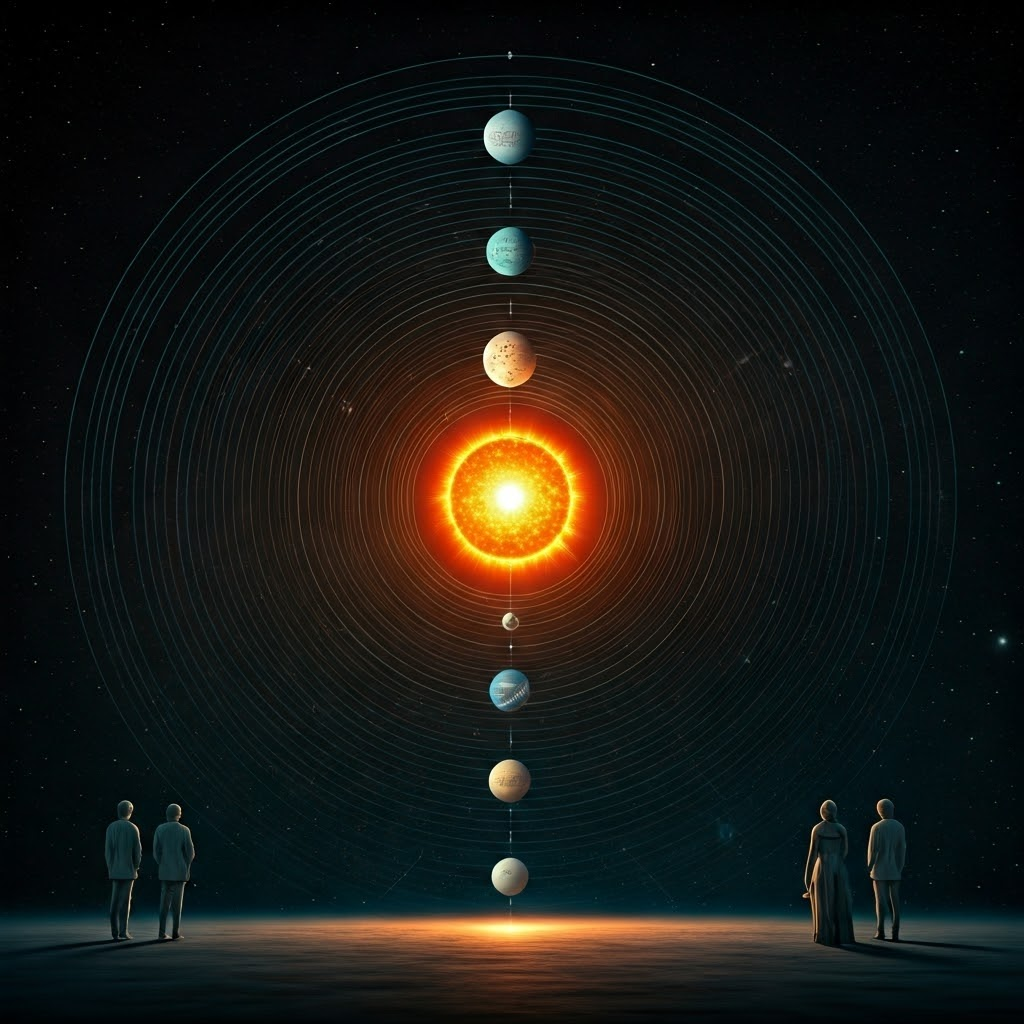
Still, Copernicus’s model simplified calculations. The old geocentric approach demanded complex overlapping circles, but a Sun-centered design made the math clearer. Though he lacked perfect data, he brought fresh curiosity, driving others to look for proof through careful tests and observations.
Shifting Mindsets
You might think this mattered only to astronomers, but it affected everyone. People realized trusted beliefs might be incomplete, sparking a new willingness to doubt and investigate with evidence. It signaled a broader change: authority alone no longer sealed the truth.

Historian Thomas S. Kuhn called such sweeping changes “paradigm shifts.” In his famous book, he argued these discoveries don’t just add facts—they transform how humanity understands itself. Copernicus’s theory inspired Galileo and Newton to build on a world driven by reason, observation, and testing. We see modern parallels: smartphones replaced landlines, GPS overtook paper maps, and our habits shifted accordingly.
By placing the Sun at the center, Copernicus quietly nudged us to question the obvious. We humbled ourselves, stepped away from life’s spotlight, and dared to look farther. Today, every time you think of planets circling stars or glance at the night sky, you echo his bold move—reminding yourself that even the simplest beliefs deserve a second look.
