
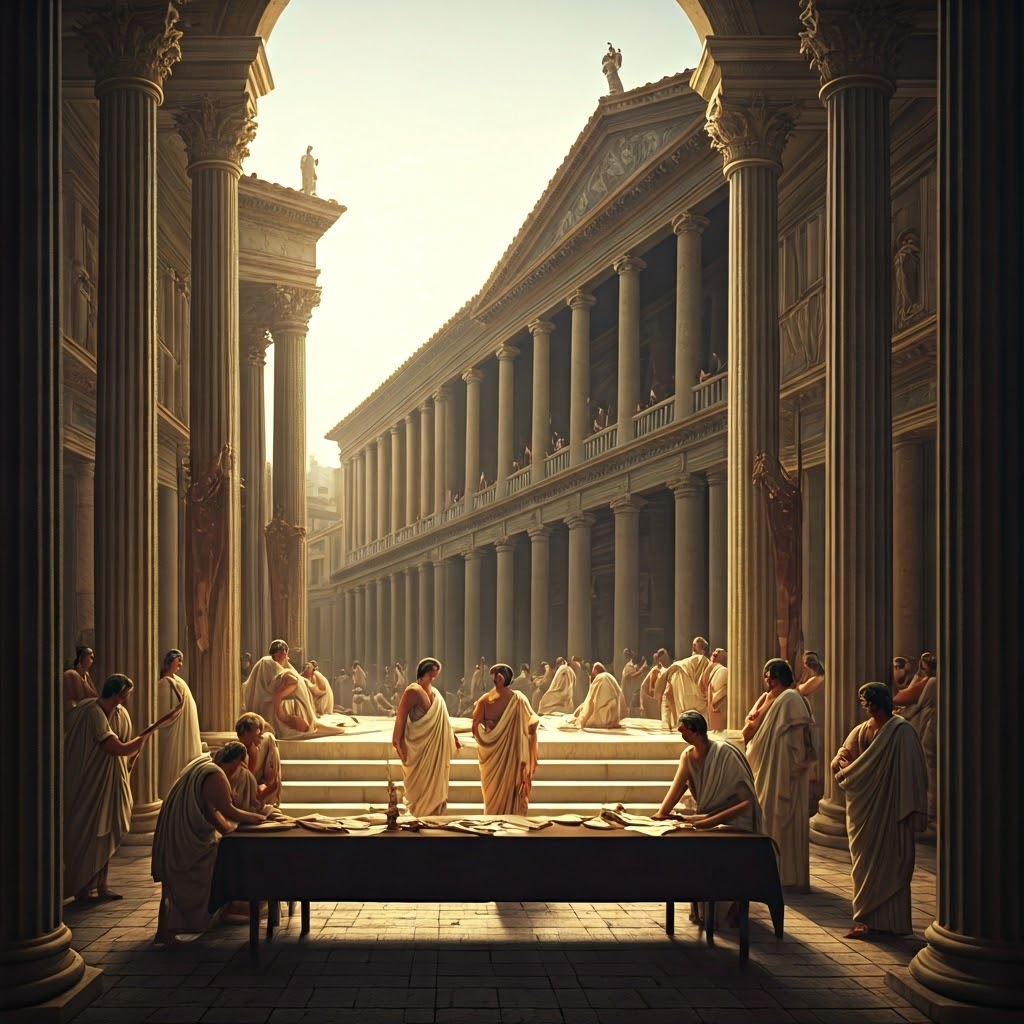
How Rome Worked: The Republic’s Rules and Realities
Picture a school without a principal. Students and teachers share power through long-standing rules. That mirrors the early Roman Republic, where an unwritten code—mos maiorum—guided everyone.
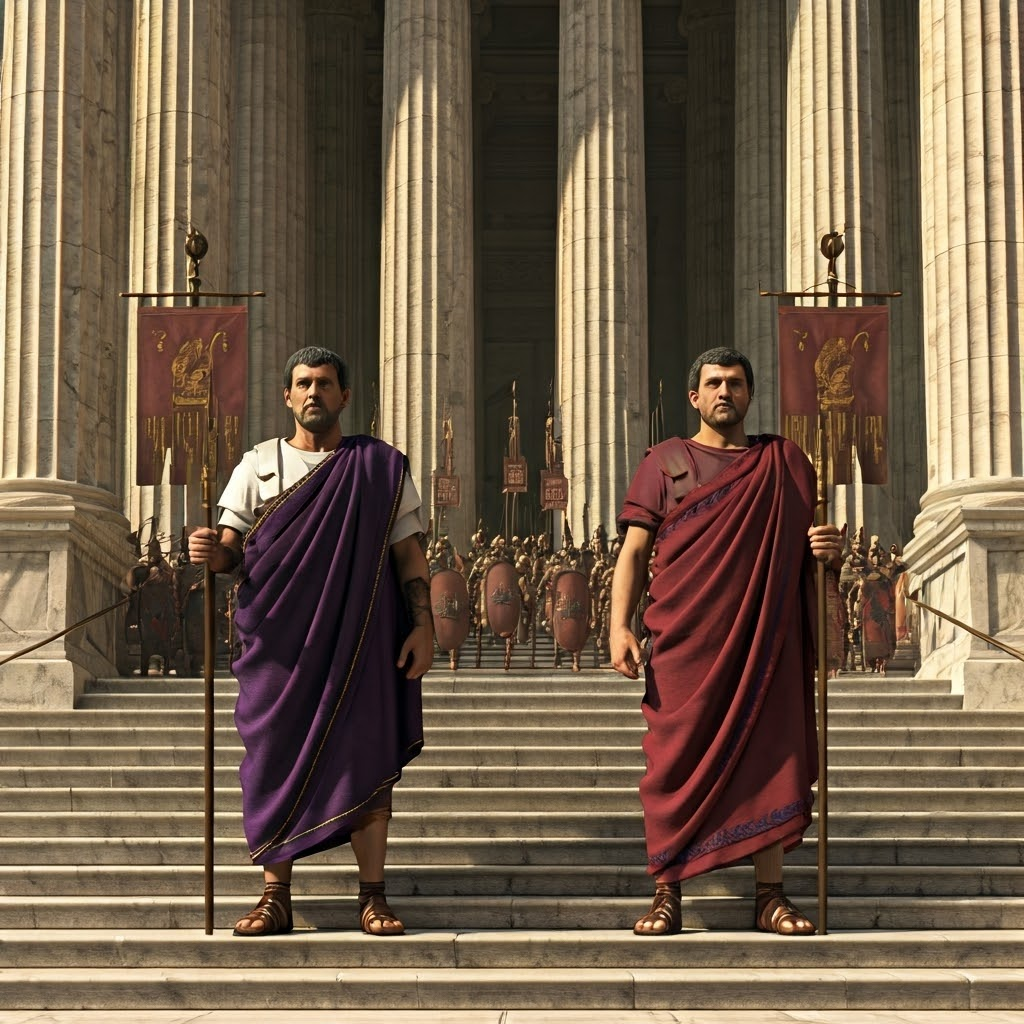
Two consuls led each year. They commanded armies, called meetings, and could veto each other. Think of them as co-captains who stop one another from overreaching.
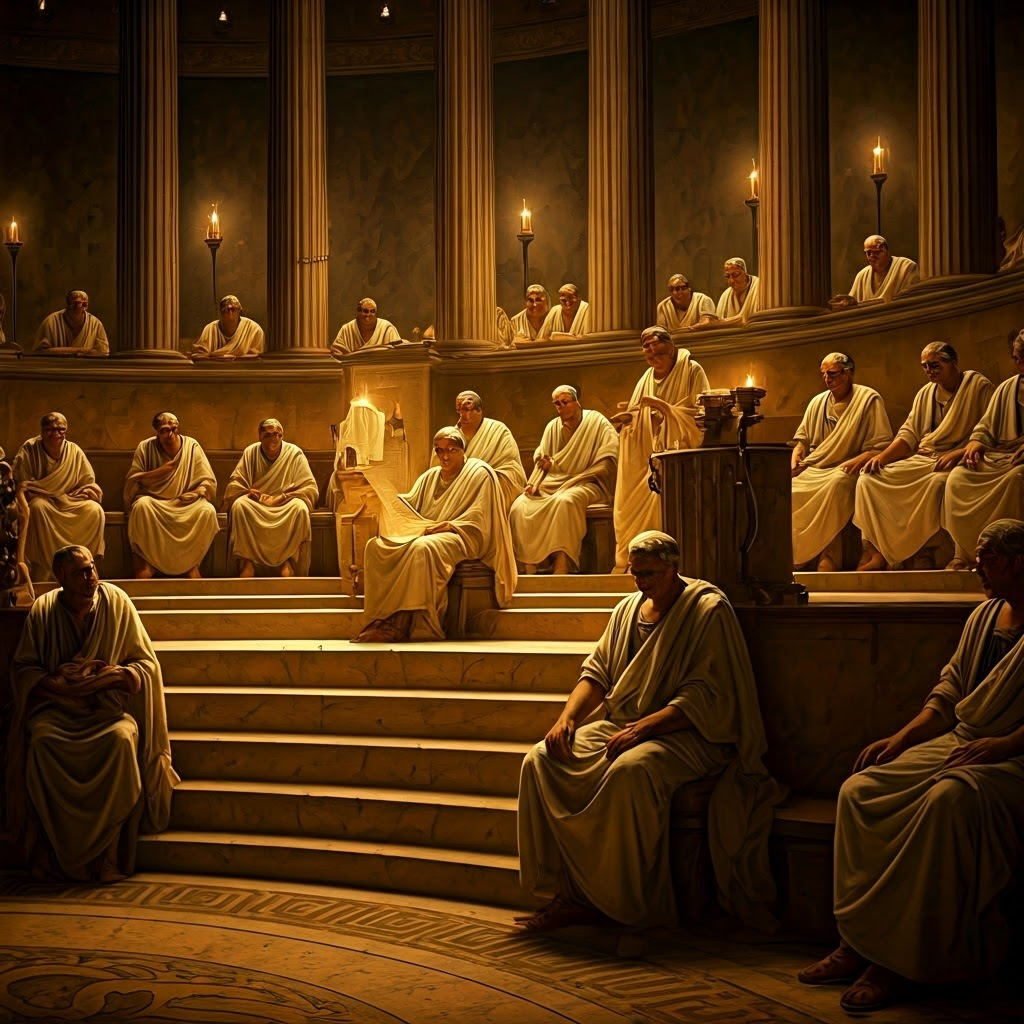
The Senate, filled with former magistrates, offered advice that often became policy. Its guidance shaped war, peace, and finance—quietly steering the state.
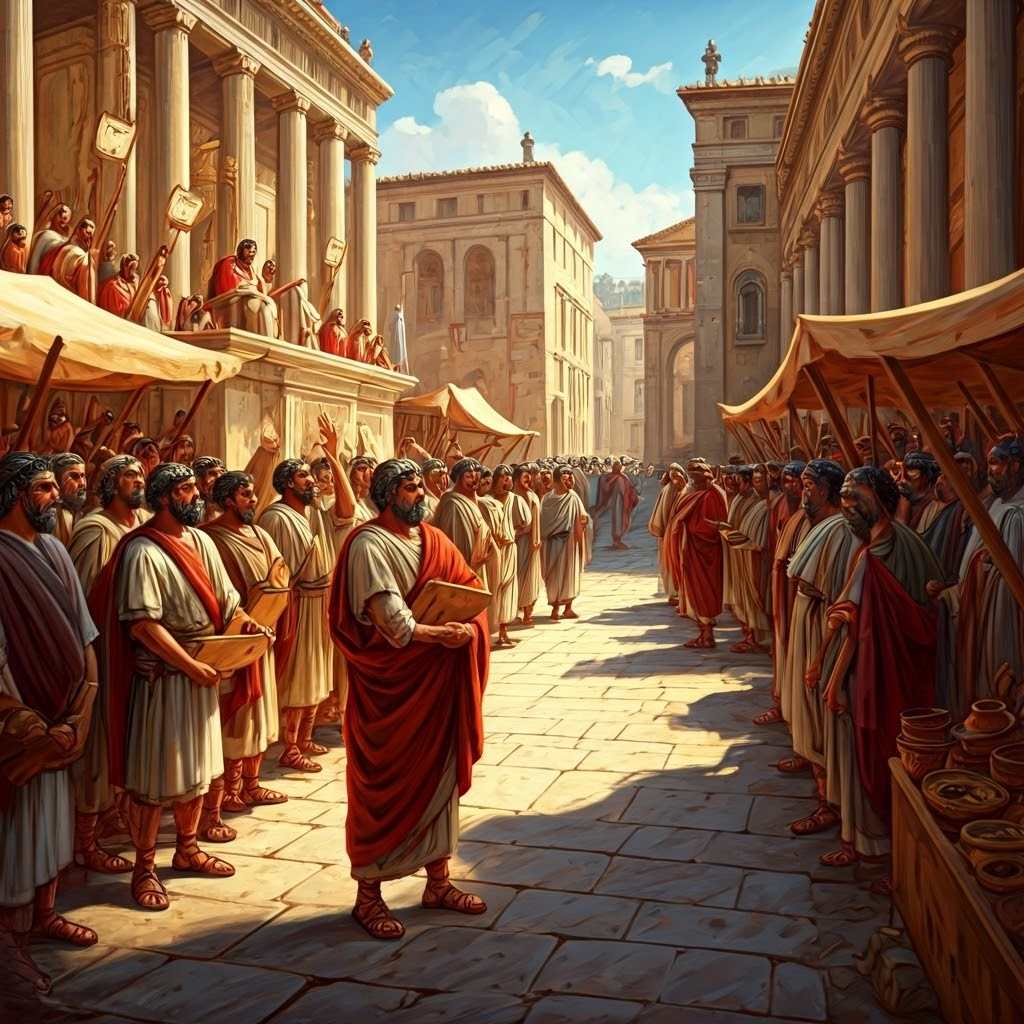
Public assemblies let ordinary male citizens elect officials and pass laws. Wealthy votes weighed more in one assembly, neighborhood votes in another, yet both forced elites to listen.
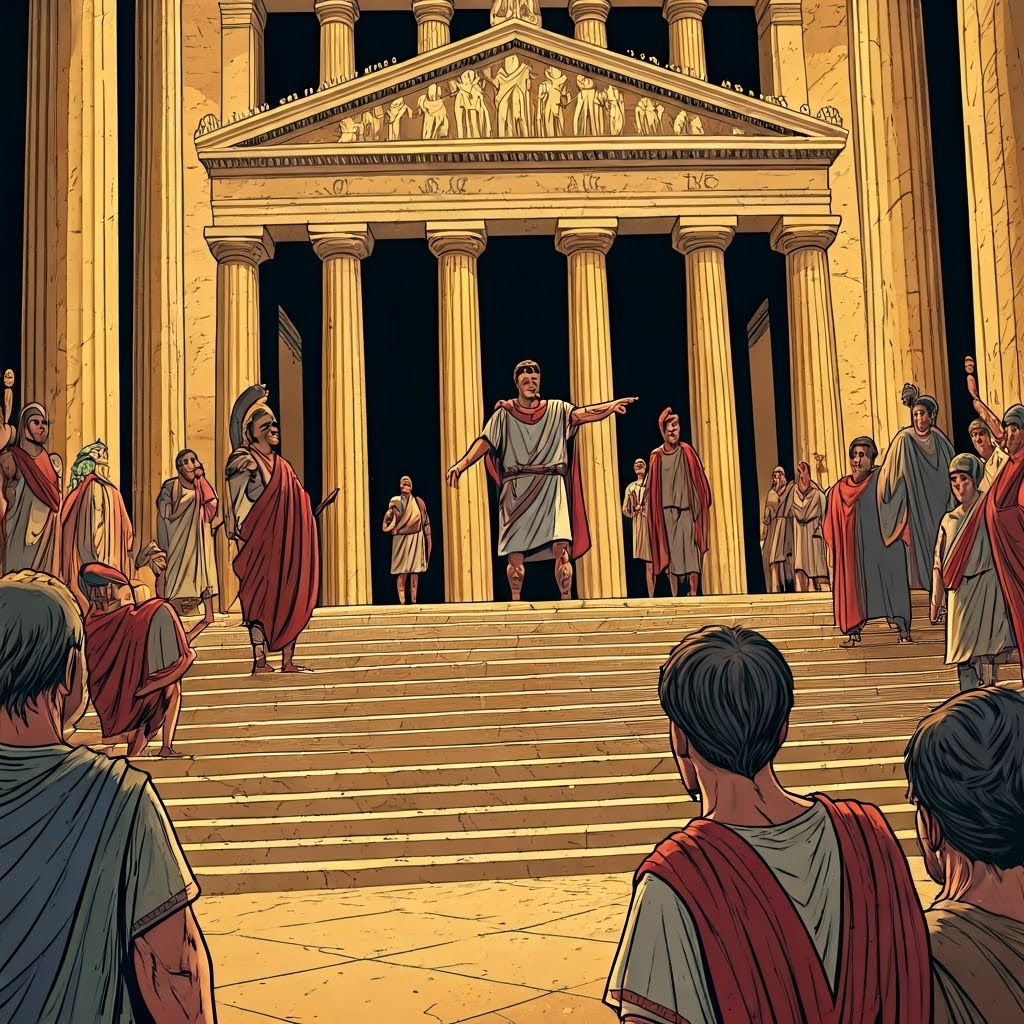
Tribunes of the plebs could shout veto and freeze any action except another tribune’s. Harming them angered the gods, giving commoners a potent shield.

Checks and balances sounded tidy, yet ambition, deals, and bribery muddied real politics. Tradition held the system together—until someone pushed too far.
The Struggle of the Orders: Patricians, Plebeians, and the Fight for Rights
Early Rome split into patricians and plebeians. Patricians held top offices; plebeians paid taxes and fought wars but lacked a voice. Resentment simmered.

In 494 BCE plebeians walked out, camping on a hill until they gained representation. Their stand created the annual tribunate to defend their interests.
The struggle continued for centuries. Plebeians won marriage rights, access to the consulship, and, with the Lex Hortensia of 287 BCE, laws that bound everyone. They also secured the written Twelve Tables so no one could bend rules by “forgetting.”

By the late Republic the patrician-plebeian line blurred. Opening offices widened participation and proved that united citizens could change tradition.
Climbing the Ladder: Cursus Honorum and Client-Patron Networks
The cursus honorum was a structured career path: quaestor, aedile, praetor, then consul. Age limits and waiting periods slowed youthful ambition and trained leaders.
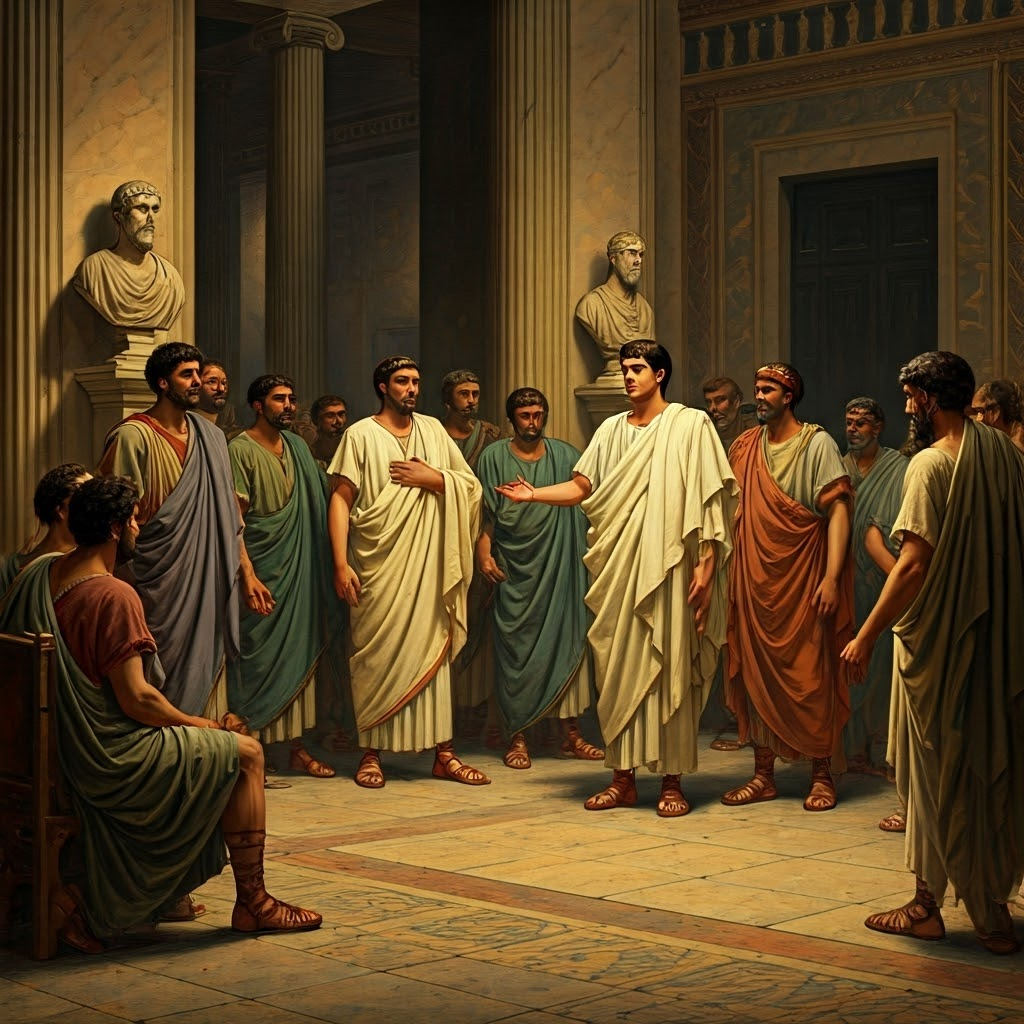
Success hinged on patrons. A powerful sponsor opened doors; in return, clients offered public support. These personal networks swayed elections city-wide and fueled bribery when stakes soared.

When the Senate Panicked: The Senatus Consultum Ultimum
Facing emergencies, the Senate issued its “final decree,” urging officials to protect the state by any means. In 63 BCE Cicero used it to crush Catiline’s plot, executing conspirators without trial. Critics argued he crossed legal lines.
Granting near-limitless power in crises weakened normal safeguards. Repeated use made citizens doubt the Republic’s ability to restrain determined leaders.

What Held It All Together—and What Broke It
Shared power—consuls, Senate, assemblies, tribunes—and class tension kept Rome competitive yet stable. The mix let Rome adapt, conquer, and integrate newcomers.
However, the same competition, personal loyalty, and emergency shortcuts undermined order. As wealth and problems grew, ambitious men learned to twist or shatter the rules.
The Republic thrived when citizens respected custom. When fear or ambition overrode it, guardrails failed, setting the stage for Rome’s dramatic transformation.
