
Finding Old Books, Making New Ideas

The Treasure Hunt for Lost Texts
Imagine climbing ancient stone steps filled with dust and promise. You push open a heavy door and find shelves packed with forgotten manuscripts—wisps of the past waiting for new eyes. Scholars like Petrarch and Poggio Bracciolini felt the same thrill while chasing lost classical works.
Petrarch, called the father of humanism, searched library after library. In Verona he uncovered Cicero’s letters and felt he had unearthed gold. Each discovery re-ignited interest in Greek and Roman thought, letting ideas long buried breathe again.

Poggio Bracciolini, secretary to the pope, found the lone copy of Lucretius’ On the Nature of Things in 1416. Every rescued volume opened doors to fresh debates on politics, language, and the universe itself.
Manuscripts were often locked away, misfiled, or crumbling. Copyists had to transcribe each page by hand to keep texts alive. Yet each success let thinkers question accepted truths and dream beyond church doctrine.

From Scriptorium to Printing Press
For centuries a book meant months of a monk’s labor. Hand copying made books rare, costly, and prone to errors. Only elites owned them.
Around 1450 Johannes Gutenberg changed everything with movable metal type. His press could create hundreds of identical pages in the time a scribe made one.

Printing slashed costs and spread ideas quickly. Erasmus used it to circulate his updated New Testament and sharp essays across Europe. Within fifty years, millions of copies—classics, modern works, and bold scientific texts—filled libraries and street stalls.

Learning to Think for Yourself
Before humanism, education centered on memorizing scripture. Humanists believed real understanding came from reading widely, writing clearly, and debating openly. The studia humanitatis—grammar, rhetoric, history, poetry, and moral philosophy—became the new framework.
Petrarch wrote letters to ancient authors, sometimes arguing with them. Leonardo Bruni crafted histories focused on human choices, not divine scripts. Students practiced Latin by composing speeches and holding live debates. Occasionally, talented women like Isotta Nogarola joined and amazed these circles.
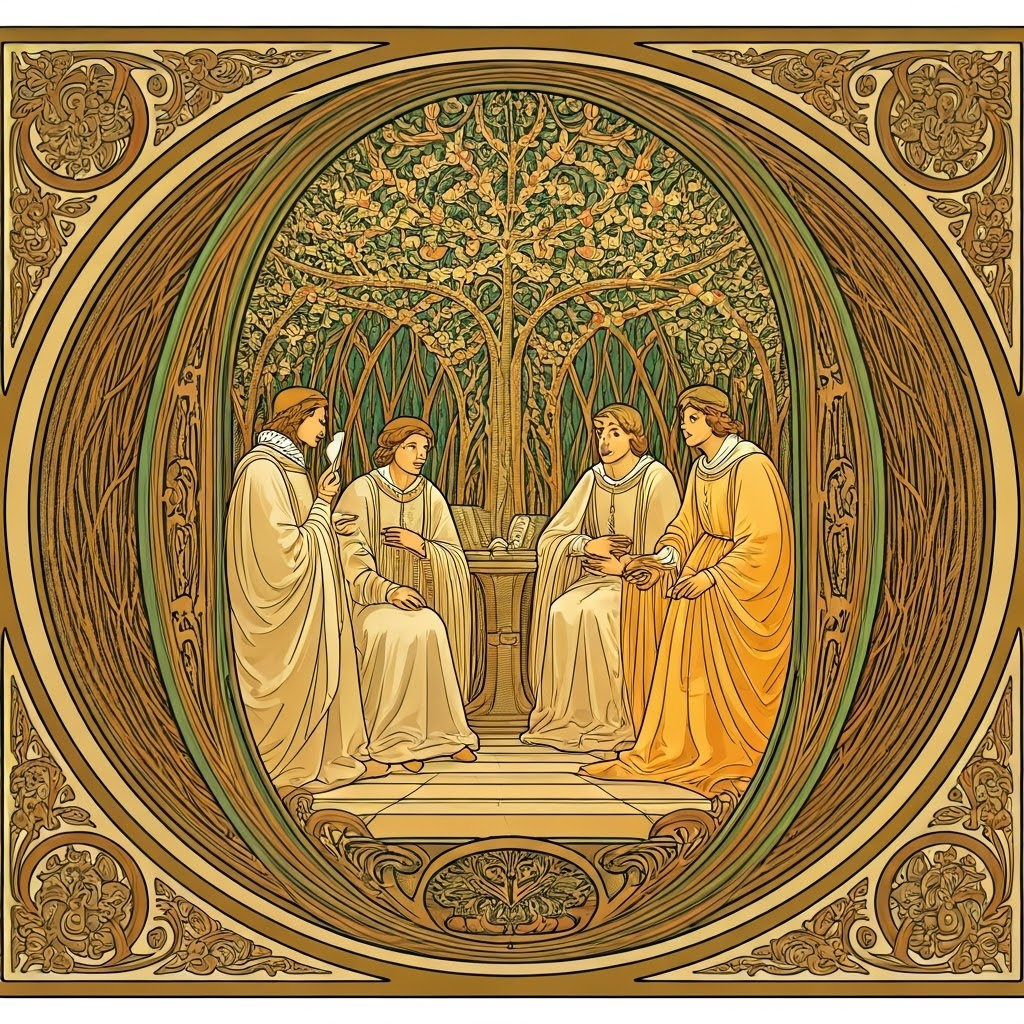
Humanists taught learners to question, challenge, and refine ideas rather than accept them blindly. The shift encouraged personal judgment and civic involvement.
The Change in Everyday Life
By the late fifteenth century, city squares echoed with student debates, merchants shared scholarly letters, and artists studied ancient statues to paint living faces. Sermons, plays, and public art carried fresh perspectives to every corner. People now saw themselves as thinking and feeling individuals, ready to shape their own stories.
