
Power, Politics, and Prayer: How Faith Shapes the Rules
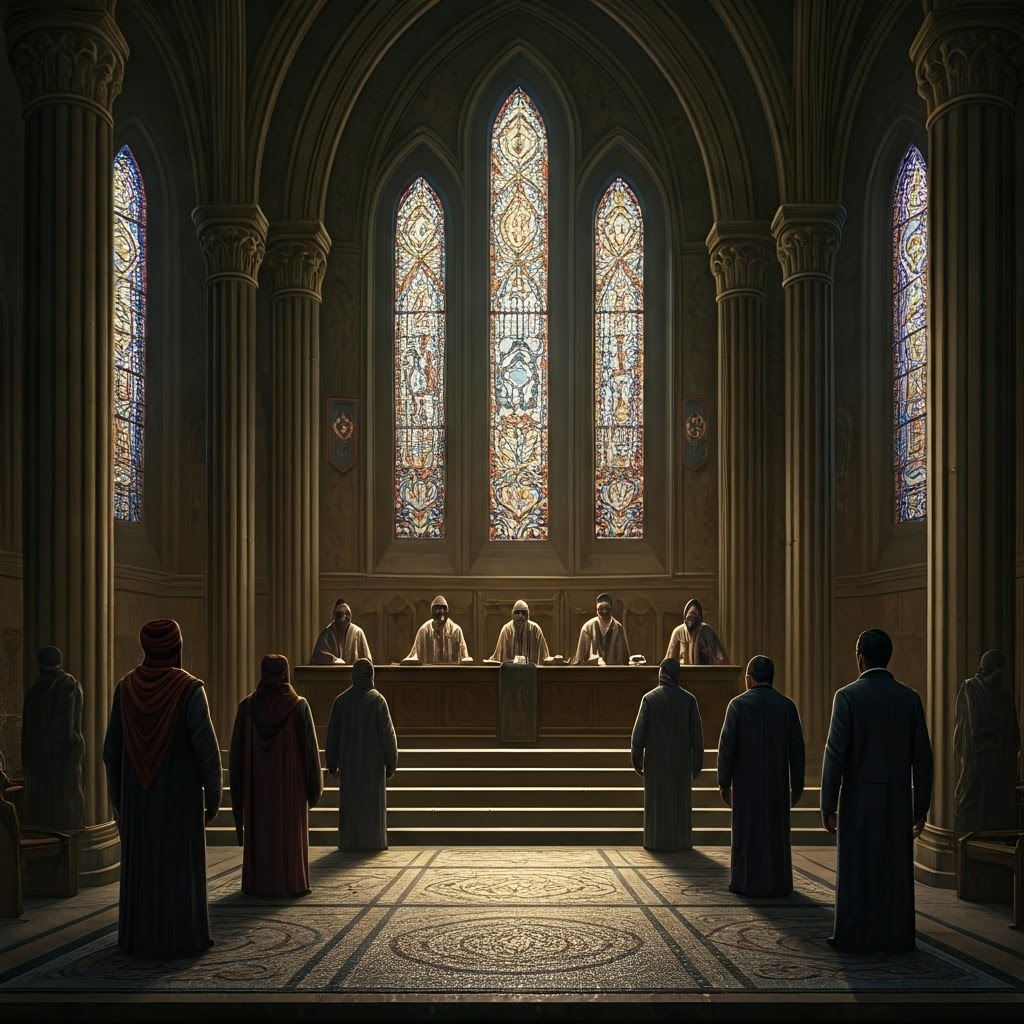
Who’s in Charge? The Many Ways Faith and Government Mix
Societies keep asking who makes the rules and how religion fits. At one extreme lies a theocracy, where leaders govern by sacred law. Iran shows this in daily life—clerics approve elections, set dress codes, and shape media.
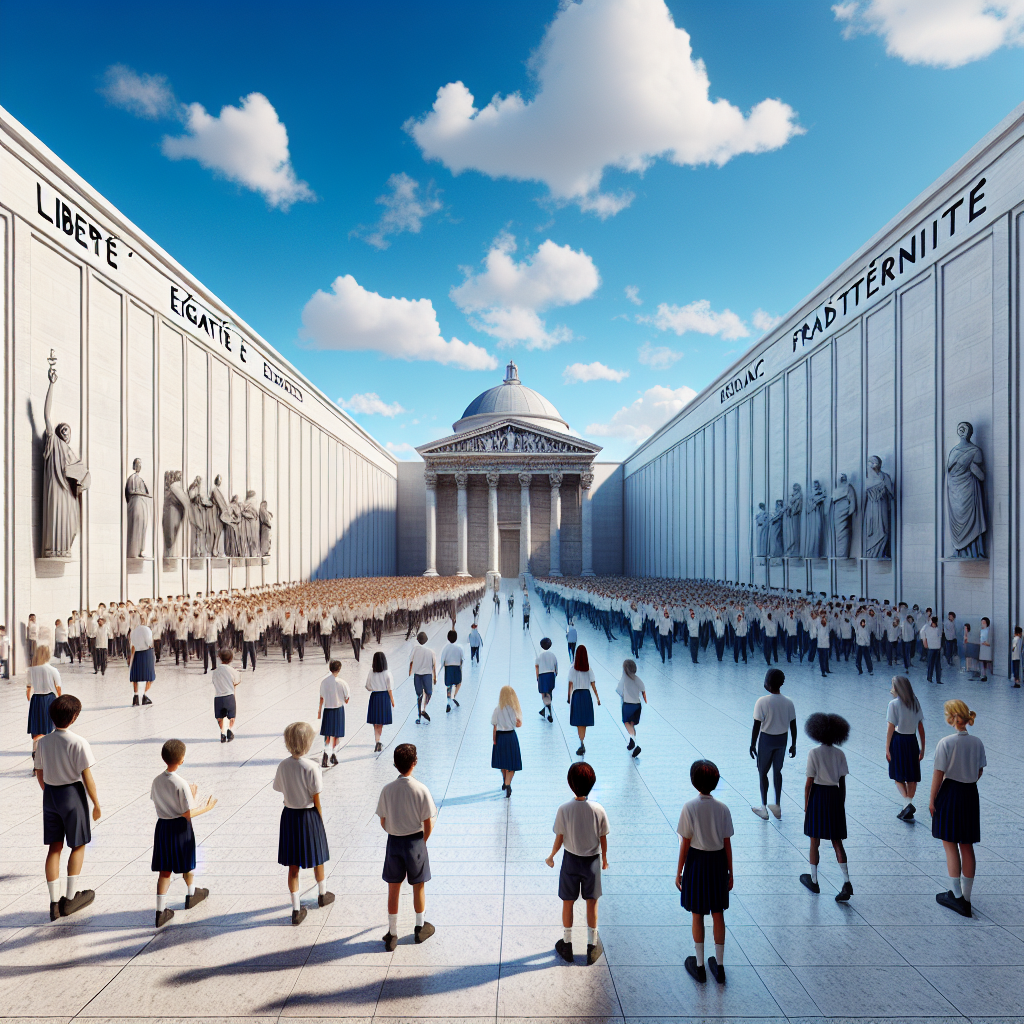
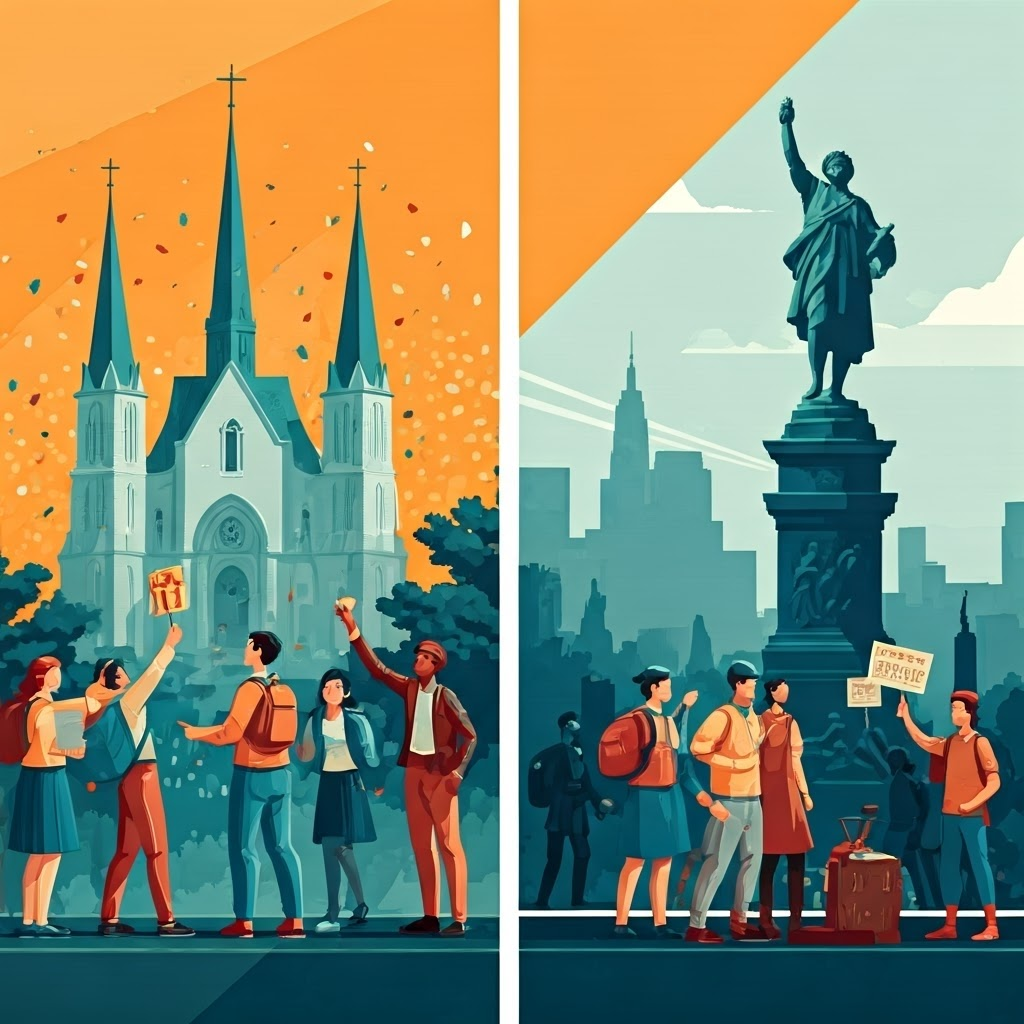
Secularism draws a clear line between state and faith. France bans symbols in public offices. The United States claims a wall of separation. Yet everyday politics still echo belief, so tension remains for citizens who want public expression.
Most countries fall in the middle. The United Kingdom keeps an official church while protecting diversity. Birth into certain faiths can still shape marriage rights or jobs, even under supposedly neutral laws.
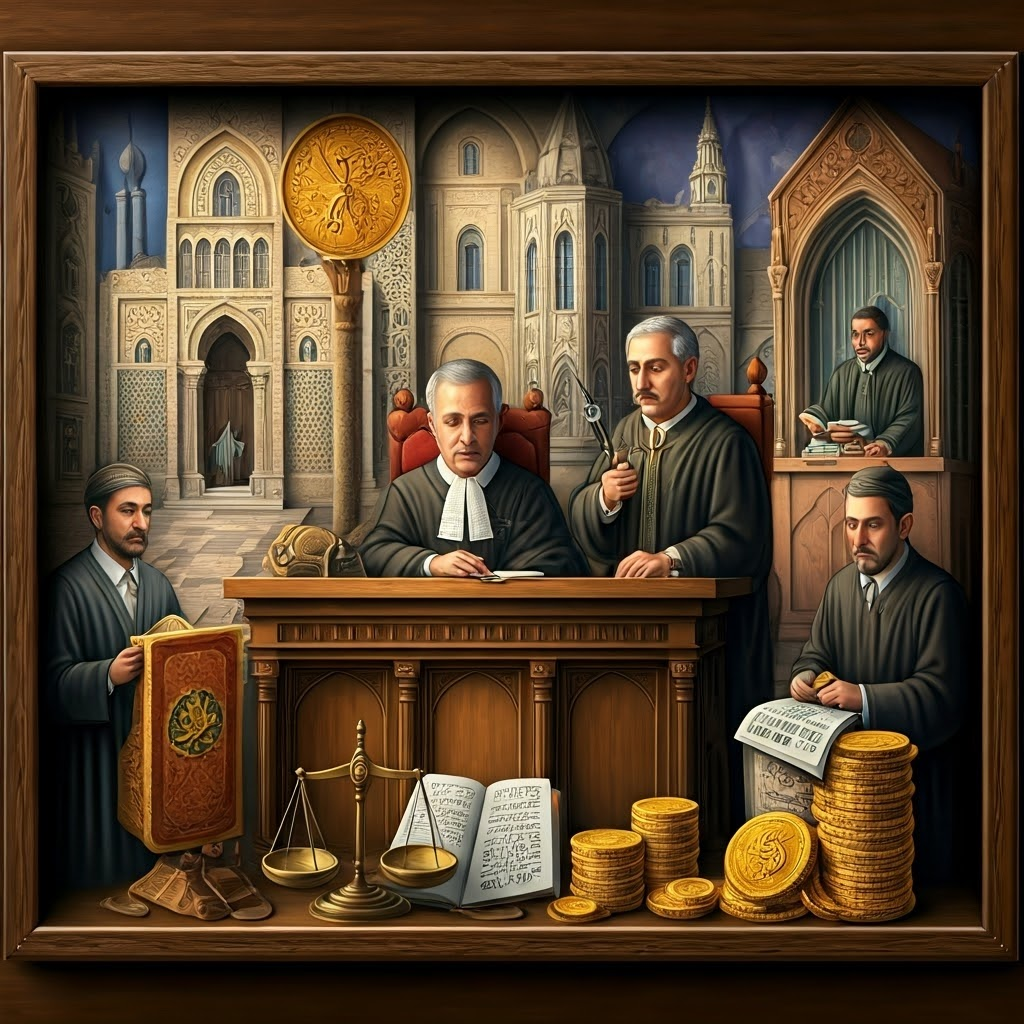
Different systems color daily routines—holidays, court rulings, even taxes. Secular democracies still debate abortion or schooling through moral frames that trace back to faith.
The Caliphate and Beyond: Islam, Law, and Modern States
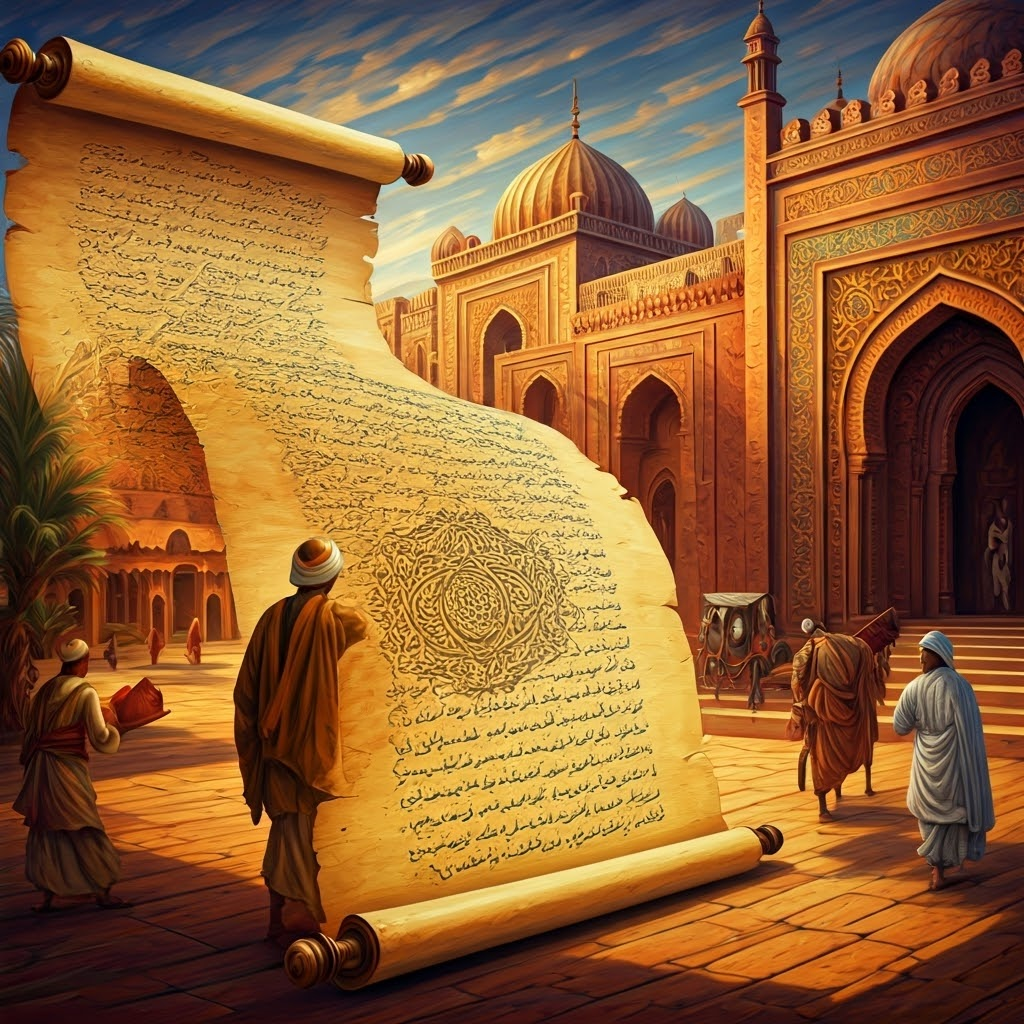
Talk of an Islamic caliphate sparks headlines, yet its story began in 632 CE. The caliph once combined political power with guardianship of the faith, knitting regions from Spain to India under shared law.
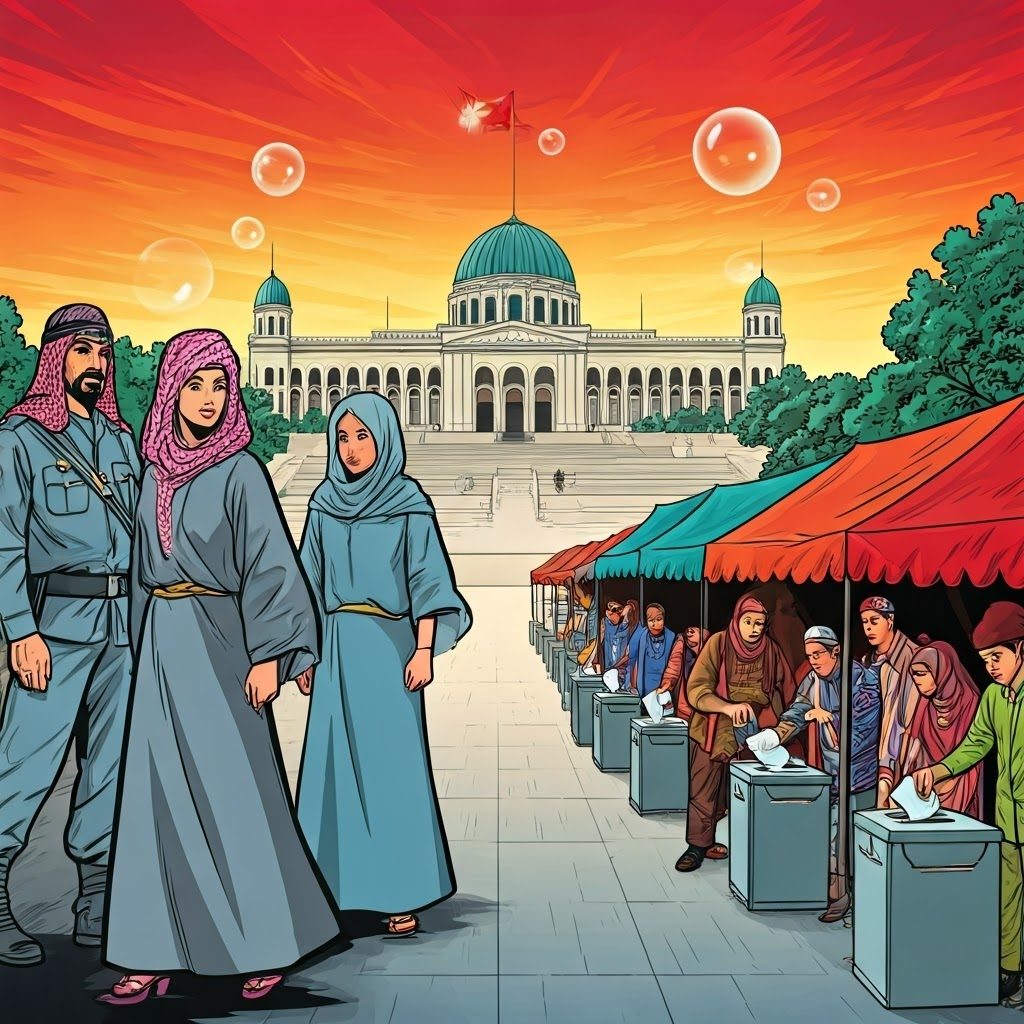
Empires rose and fell. Sharia adapted to local cultures—sometimes flexible, sometimes strict. The Ottoman collapse in 1924 ended the last caliphate and opened new debates on Muslim authority.
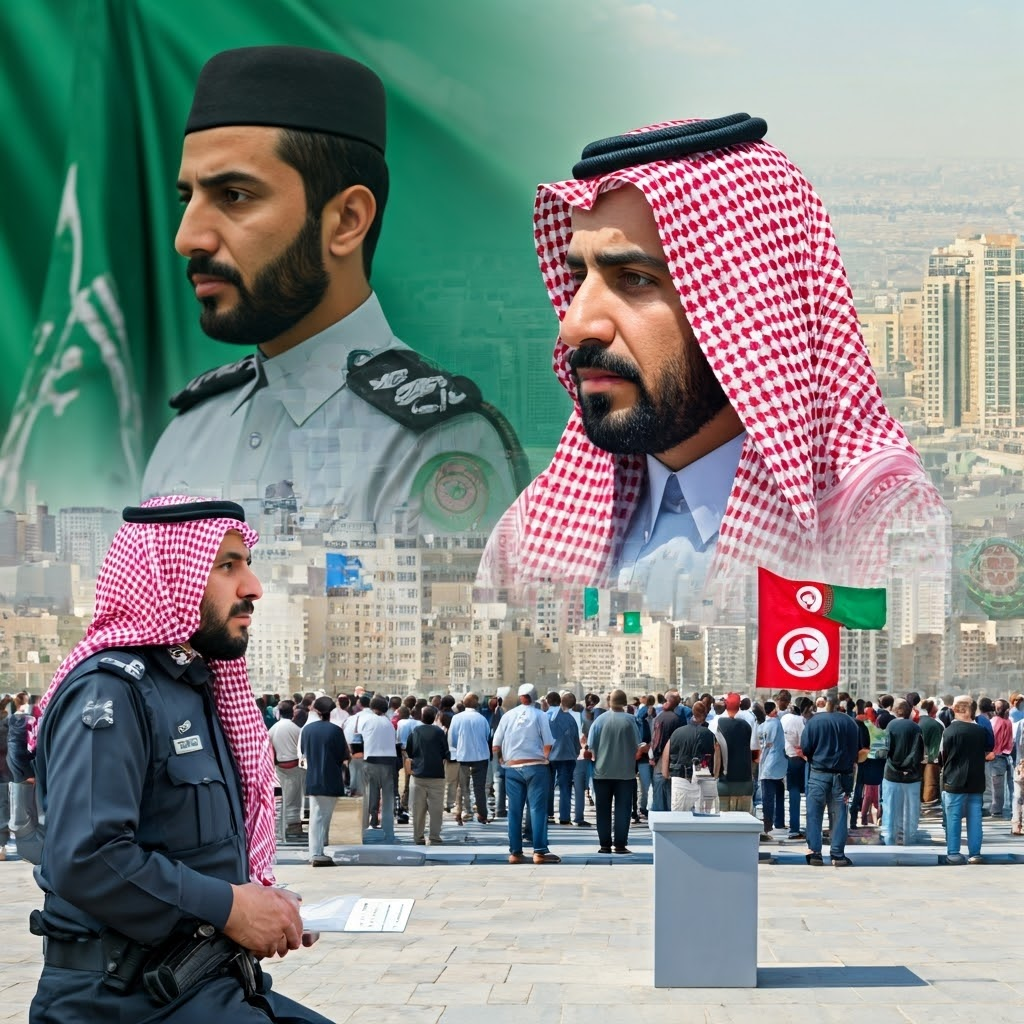
Today, Muslim-majority nations vary widely. Saudi Arabia enforces a tight reading of sharia. Indonesia and Turkey blend Islamic inspiration with elections and constitutions. Tunisia experiments with democracy rooted in faith. Balancing identity and global norms remains an ongoing task.
India’s Balancing Act: Hindu Nationalism and Pluralism
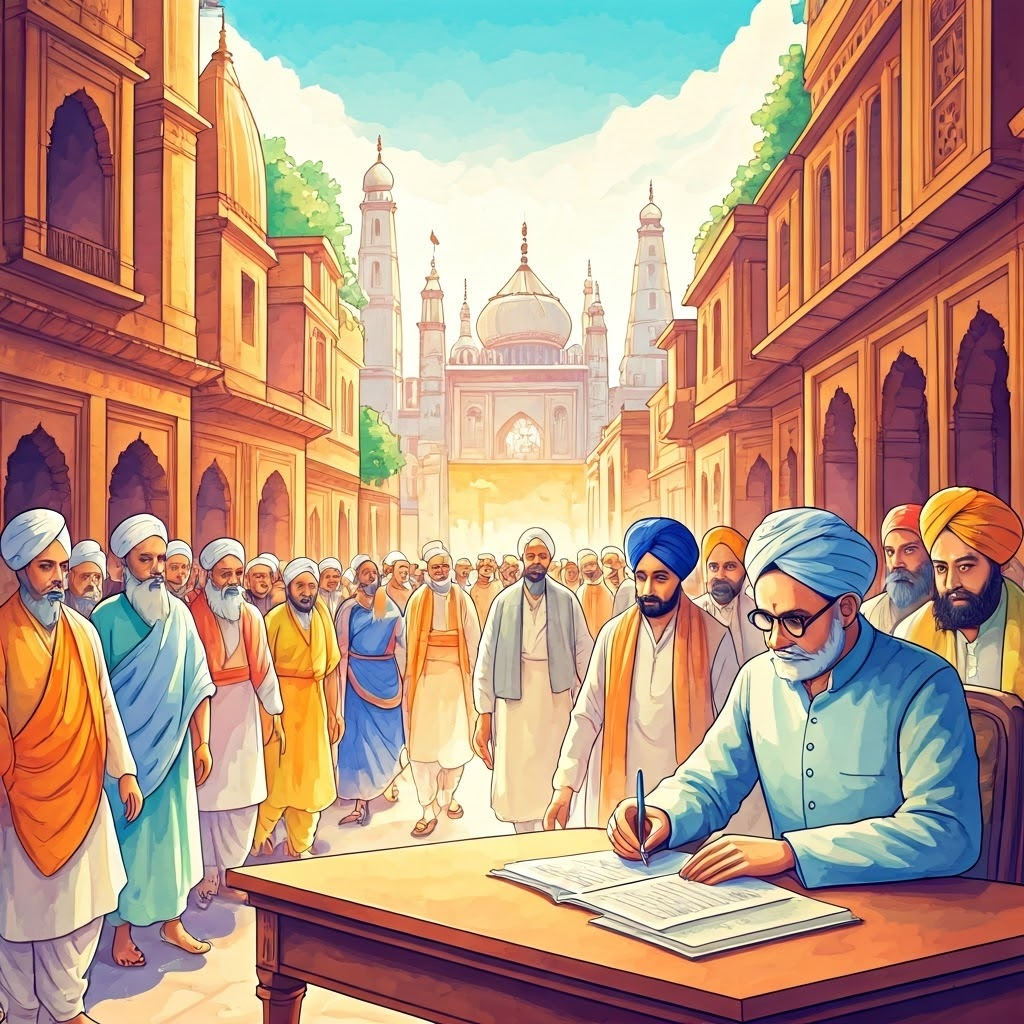
India, the world’s largest democracy, set out to protect every creed. Its pluralism let Hindus, Muslims, Sikhs, Christians, and others keep distinct personal laws. Creative compromises emerged but sparked steady debate.
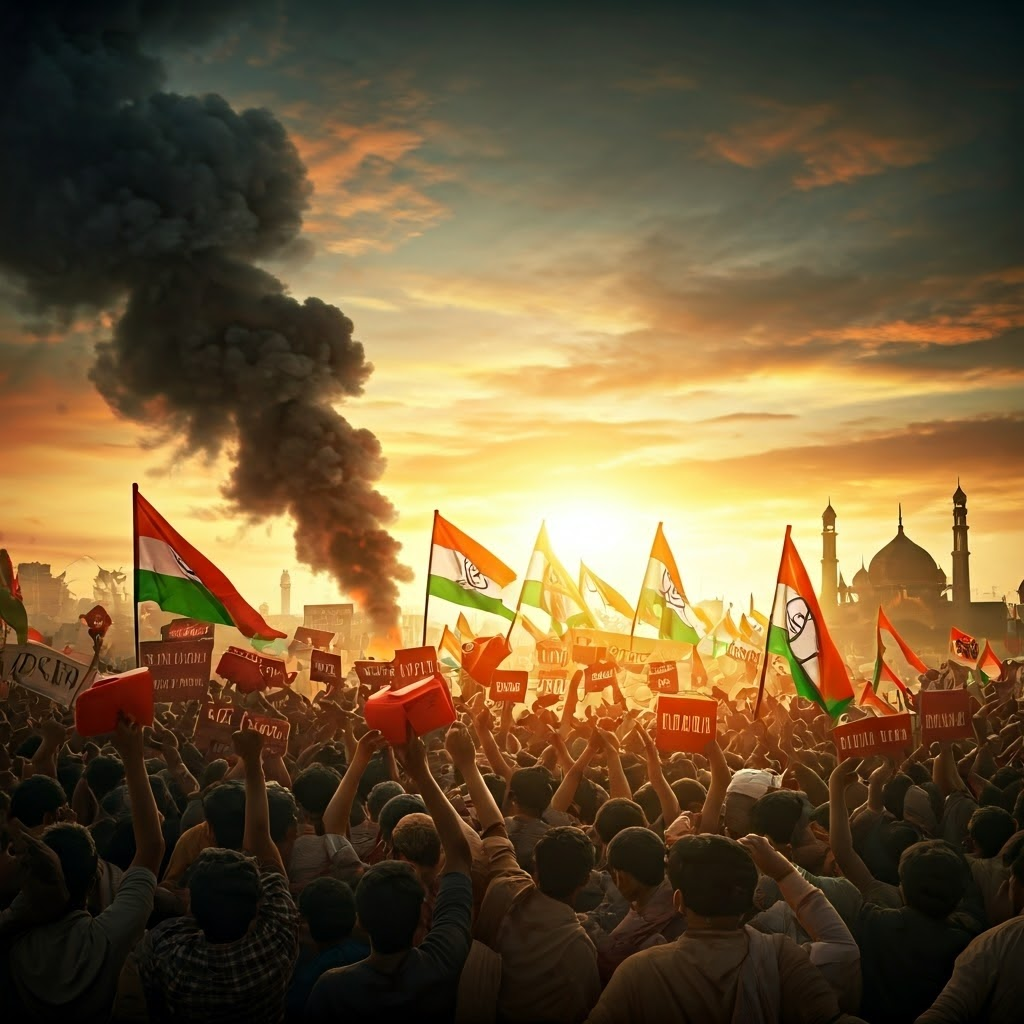
Hindu nationalism gained momentum in the late twentieth century. Backers call it pride; critics warn of minority threats. The clash shapes textbooks, marriages, and elections, with flashpoints like the 1992 Babri Masjid demolition.
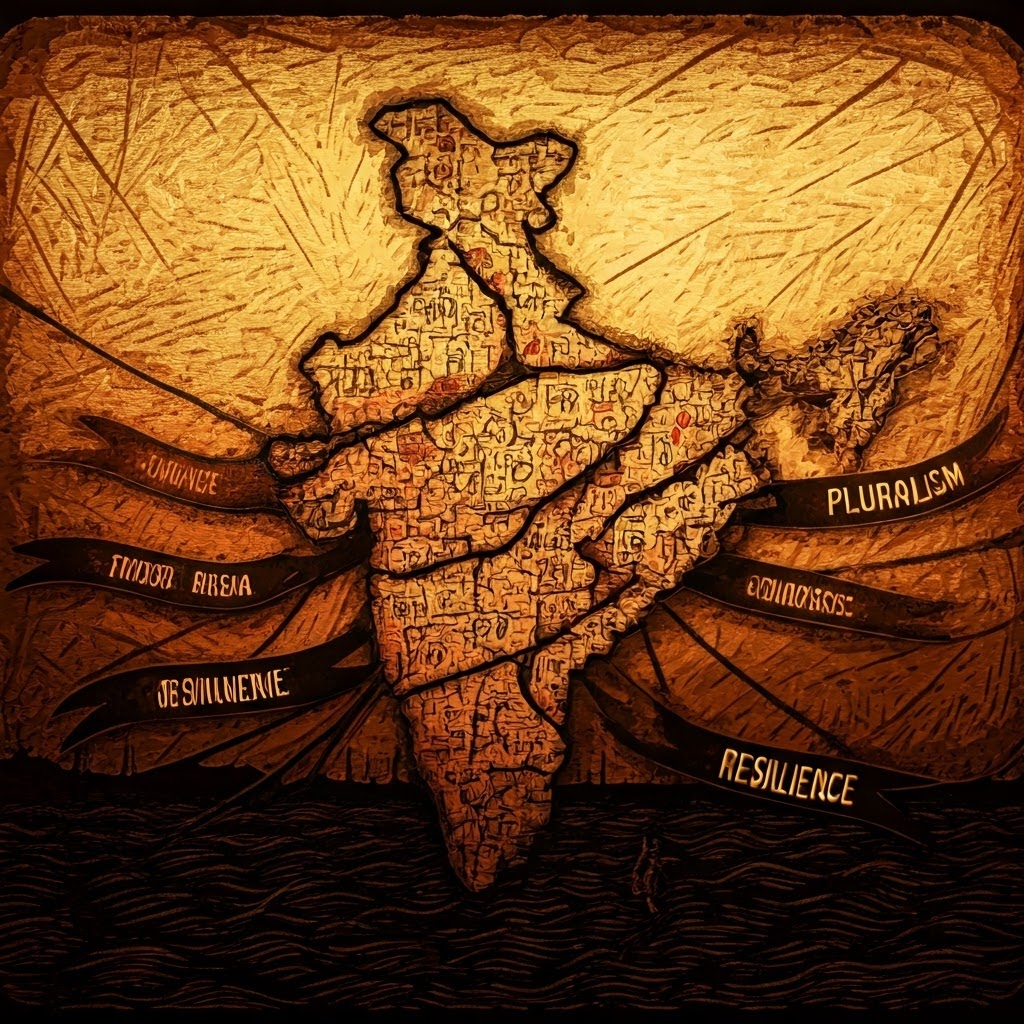
Pluralism demands constant upkeep. India’s many traditions still negotiate space, showing both tension and resilience.
Buddhism in Action: From Peace Marches to Street Fights
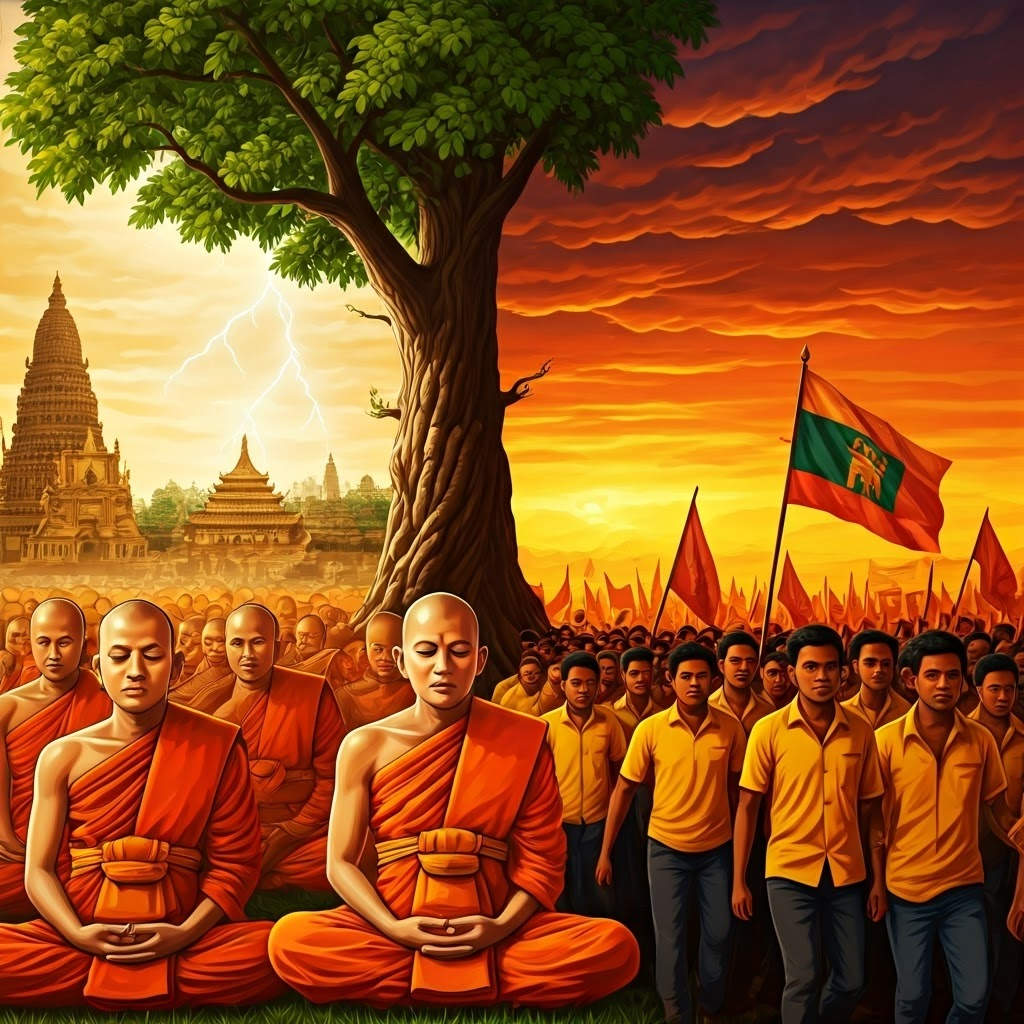
Buddhism often signals peace, yet politics complicate the picture. In Sri Lanka, some monks joined anti-colonial marches while others backed campaigns against Tamil minorities. Myanmar’s monks have led both democracy protests and anti-Muslim rhetoric.
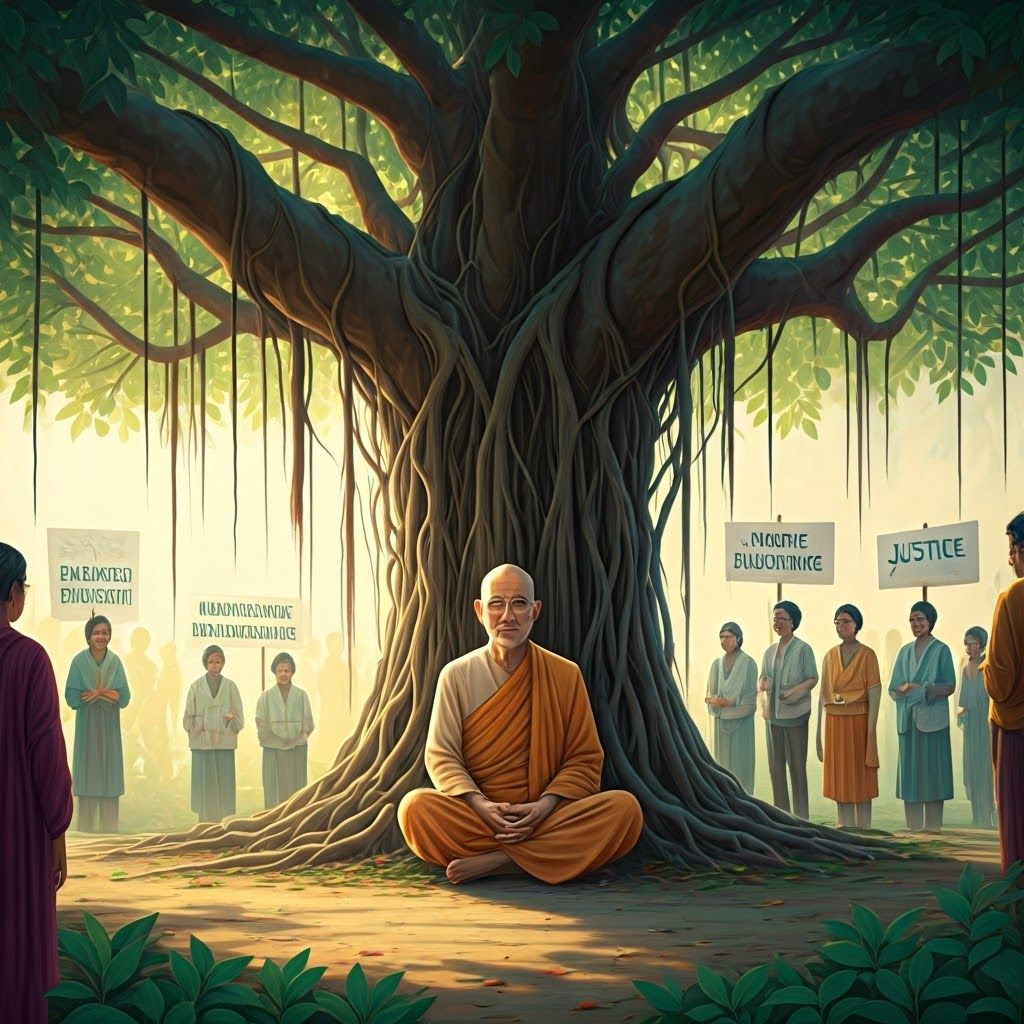
Many Buddhist voices champion nonviolence. Thich Nhat Hanh’s engaged Buddhism links meditation with social justice. Each tradition holds tools for harm and healing—politics decides which emerge.
Daily Life at the Crossroads of Faith and Power
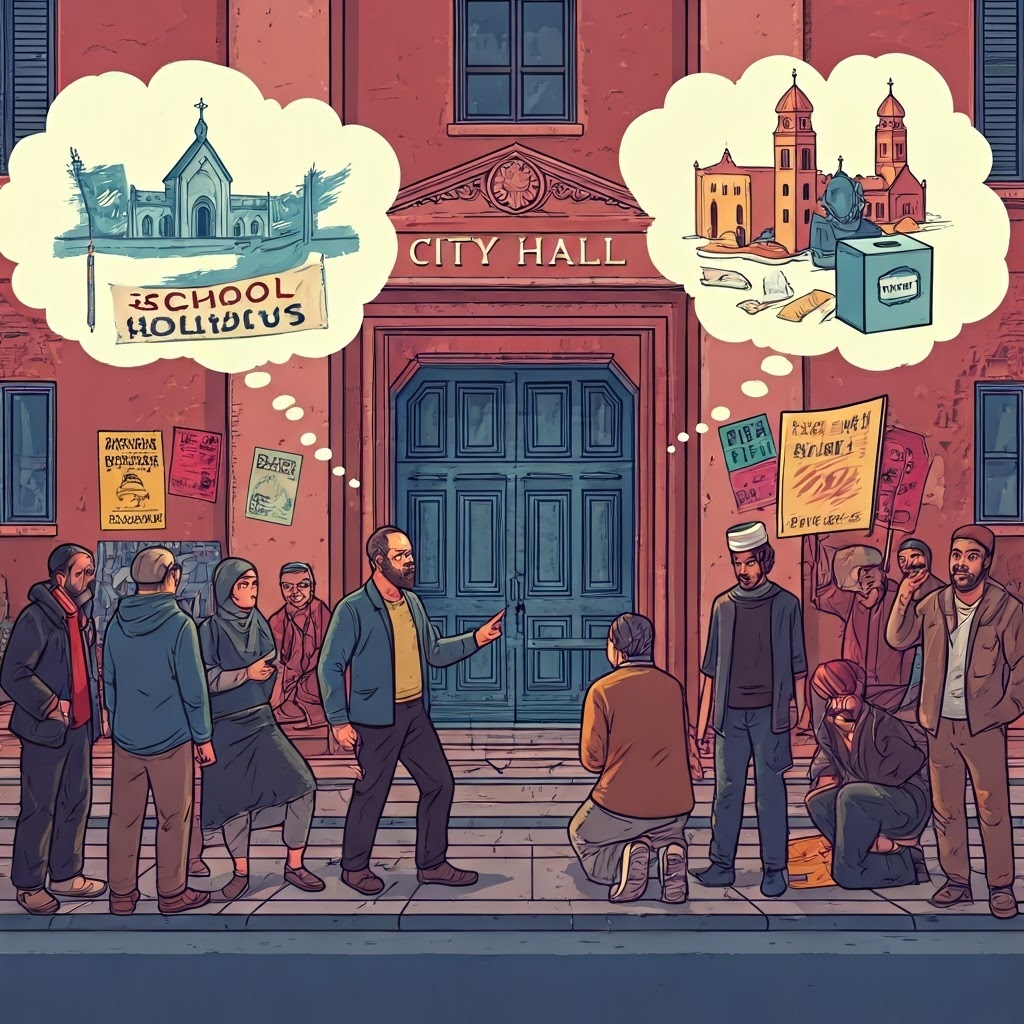
You likely witness the tug between belief and policy in school breaks, public statues, or opening prayers. History and local culture guide who defines “true” faith, whether through sermons, lobbying, or rallies.
No system is flawless, and each generation revisits questions of fairness and freedom. The mix of power and prayer keeps evolving, reminding every society to decide—again—who sets the rules and how faith fits.
