
Why Ideas Matter: The Battle for Hearts and Minds

The World After World War II
When World War II ended, cities across Europe and Asia lay in rubble. Survivors walked bombed-out streets, stunned by the sudden silence after years of chaos. Nearly every family grieved a loss. Yet a tentative hope surfaced, as if the war had erased old certainties and opened space for change.
Old empires felt worn out. People everywhere wanted something fairer, kinder, and more secure. The question shifted from who would rebuild to why a new society should rise. Fresh ideas suddenly carried great weight—guiding plans, lifting spirits, and shaping the post-war path.

Freedom vs. Equality: The Big Promises
You can’t grasp the Cold War without two words: freedom and equality. In the American story, freedom meant choosing your path—start a business, speak your mind, travel, vote, or worship as you pleased. This promise fueled the American Dream, even though real life often fell short through segregation and prejudice.
The Soviet offer focused on equality. Leaders argued that shared control of resources would end exploitation. The state planned the economy, promised jobs, and met basic needs. For millions scarred by poverty, enforced equality sounded like true progress, even if personal choices shrank under party rule.
Both visions dazzled and disappointed. Western freedom could breed sharp inequality. Eastern equality could stifle expression. Yet each side pledged a better life, and millions believed their chosen dream.
Meet the Thinkers: Marx, Smith, and Berlin
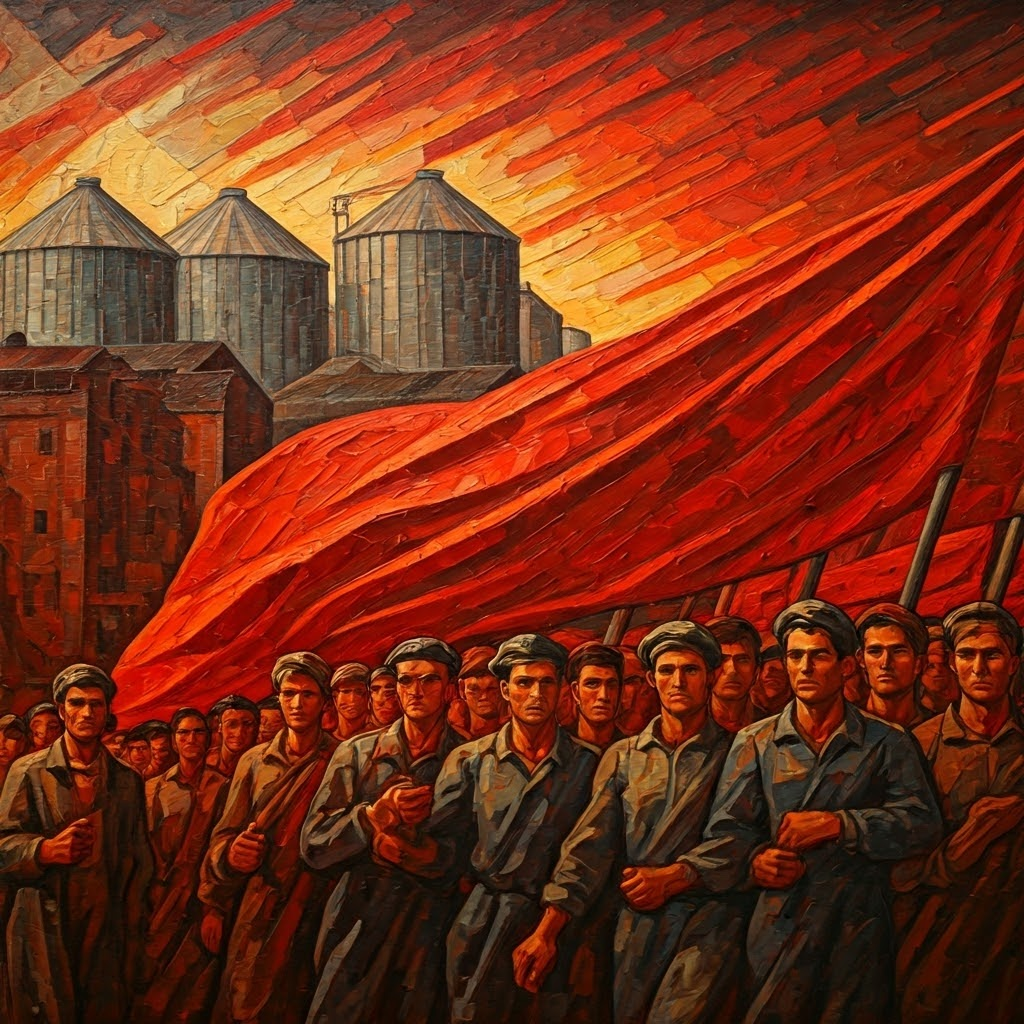
Karl Marx watched factory workers treated like machines and saw history as a clash between classes. In “The Communist Manifesto” he urged workers to unite, arguing that real change required overturning the whole system, not tweaking it. Later leaders built authoritarian states while claiming to follow his path.

Adam Smith, writing in 1776, said free trade and private property create wealth for all. His “invisible hand” idea framed self-interest, within fair rules, as a public good. Isaiah Berlin later split freedom into two forms: negative liberty—freedom from interference—and positive liberty—freedom to reach potential with help. He warned that either ideal, pushed too far, could turn tyrannical.
Selling the Dream: Why Belief Systems Matter
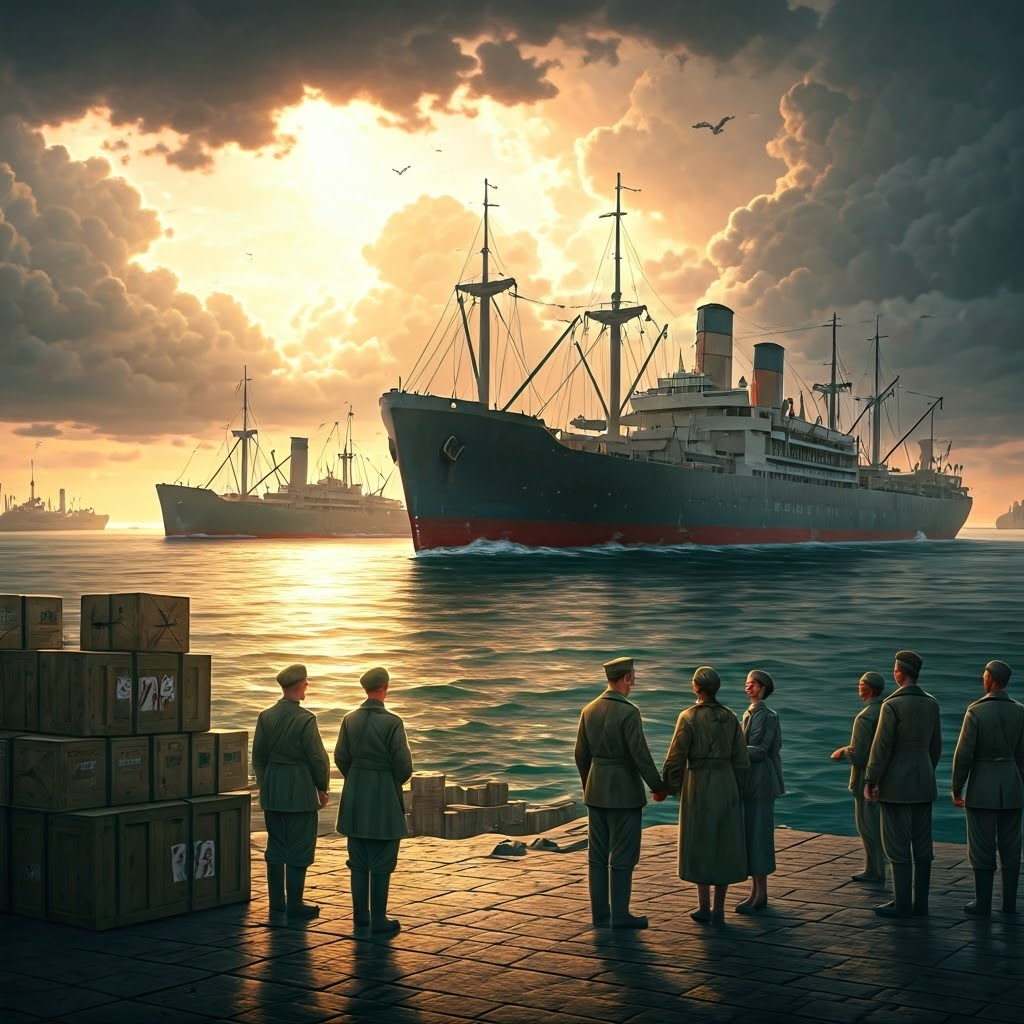
Mid-century leaders trusted that ideas could move nations. Voice of America beamed jazz and talk shows eastward, while Radio Moscow promised peace and fairness in many languages. Films and posters painted vivid futures, each side using culture as soft power to win admiration.
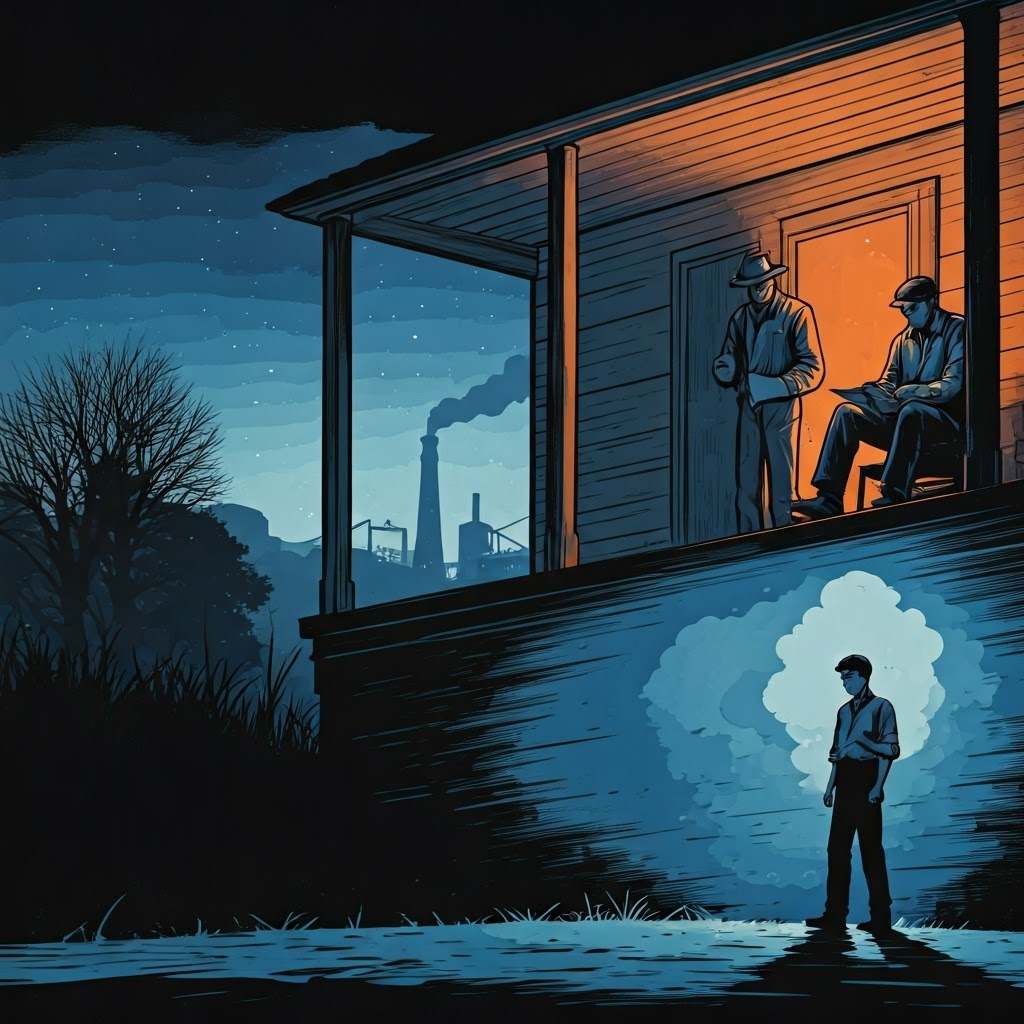
The Marshall Plan rebuilt Europe to prove capitalism could feed and employ millions. Soviet doctors and teachers fanned out across new nations to showcase socialism’s reach. These belief systems answered deep needs for security, dignity, and hope, shaping choices from India to Chile.
Soft power showed that hearts and minds, not just armies, decide long struggles. In the Cold War, ideas became real weapons—quiet yet potent tools that guided alliances, inspired movements, and changed everyday lives.
