
How We Got Here: The Story of Virtual and Augmented Reality

From Science Fiction to Science Fact
Writers in the 1930s pictured worlds you could smell, hear, and touch long before anyone built a headset. Their stories sparked questions engineers could not ignore. One idea stood out—what if a book became a place you could enter?
Stanley G. Weinbaum’s tale “Pygmalion’s Spectacles” revealed goggles that let readers step into synthetic worlds. The concept felt magical yet pointed to real challenges: How do you fool every sense at once?

From Science Fiction to Science Fact
By 1968, Ivan Sutherland turned dreams into machinery. His “Sword of Damocles” headset showed crude wireframe cubes that shifted when you moved. It was heavy, yet it proved a display could merge graphics with motion.
The rig hung from the ceiling and used thick cables, but the core lesson was clear. Real-time visuals could respond to your head, planting the seed for modern VR.

From Science Fiction to Science Fact
The 1980s brought crowded labs, chunky screens, and eager researchers. NASA tested virtual spacewalks so astronauts could rehearse before launch. Each prototype traded comfort for progress—thick cables, low-res views, yet new possibilities.
Step by step, the gap between fiction and daily life shrank. Training, design, and play all started to share the same digital tools.
Meet the Pioneers
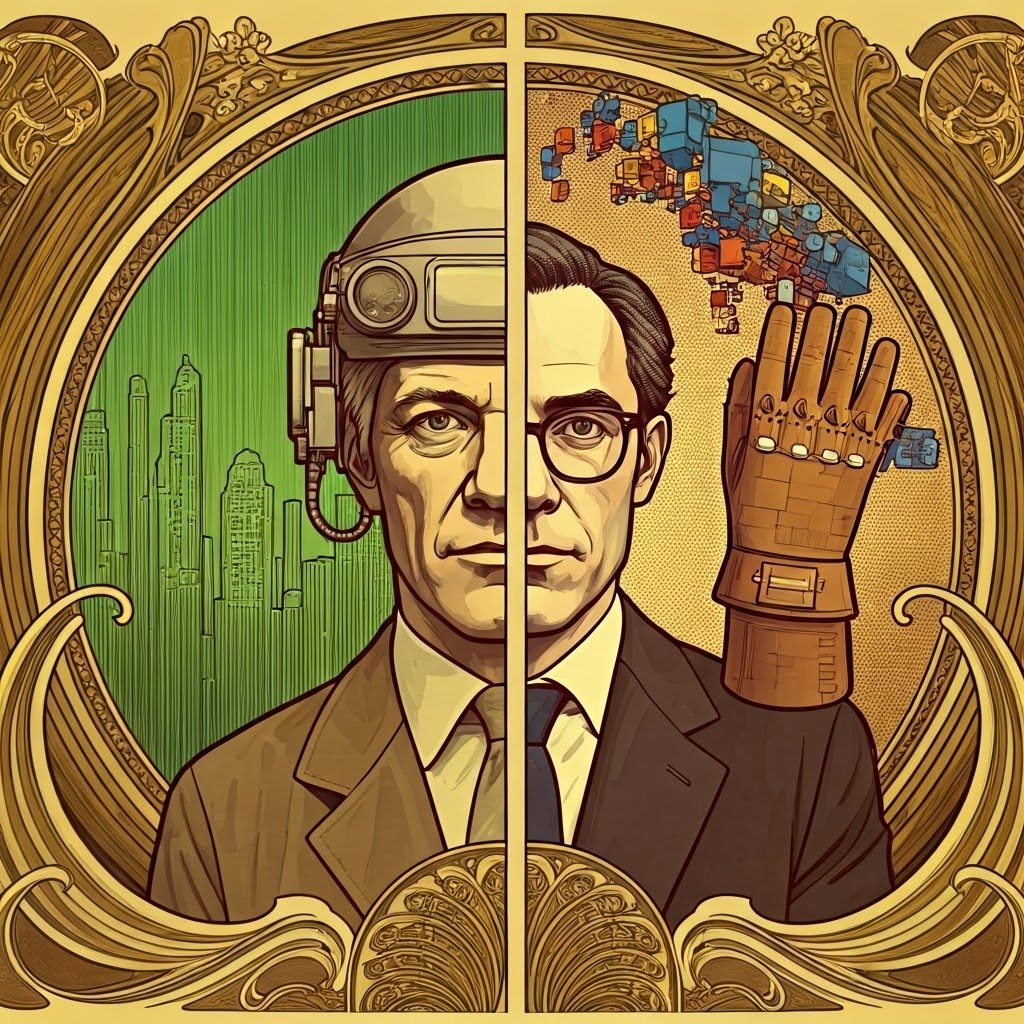
Every field has key figures. Ivan Sutherland, often called the father of computer graphics, used VR to explore complex 3D concepts rather than games. His work guided architects and engineers.
Jaron Lanier picked up the baton in the late 1980s. He coined “virtual reality” and founded VPL Research, selling headsets and data gloves that let users wave at floating blocks.

Meet the Pioneers
Lanier saw VR as a place for empathy and creativity, not just tech demos. His gloves let people grasp virtual shapes, inspiring artists and researchers.
Meanwhile, Tom Furness at the Air Force built Super Cockpit systems that layered maps and alerts over a pilot’s view, laying groundwork for modern AR.
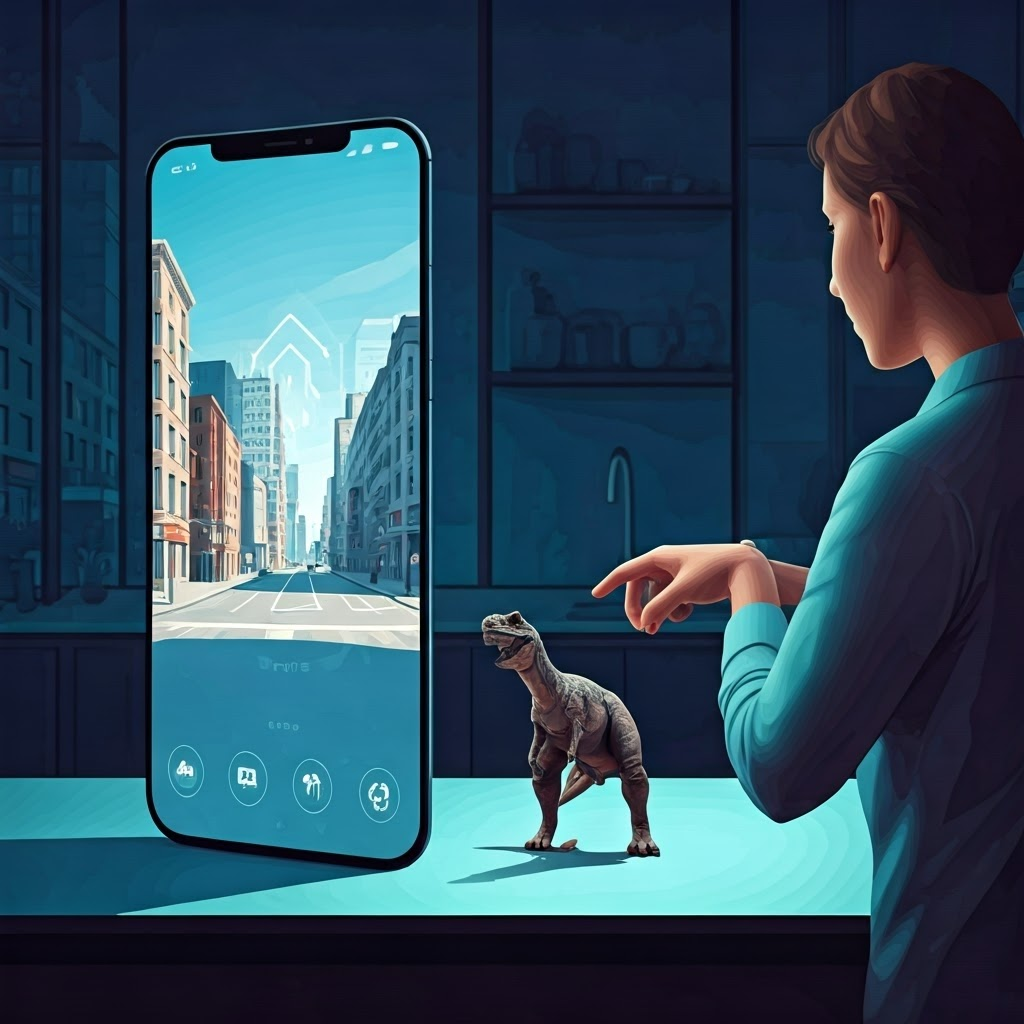
These pioneers seldom worked side by side, yet their ideas intertwined. Each time you chase a Pokémon or slip on goggles, you inherit their curiosity.
VR, AR, MR, XR: Sorting Out the Alphabet Soup
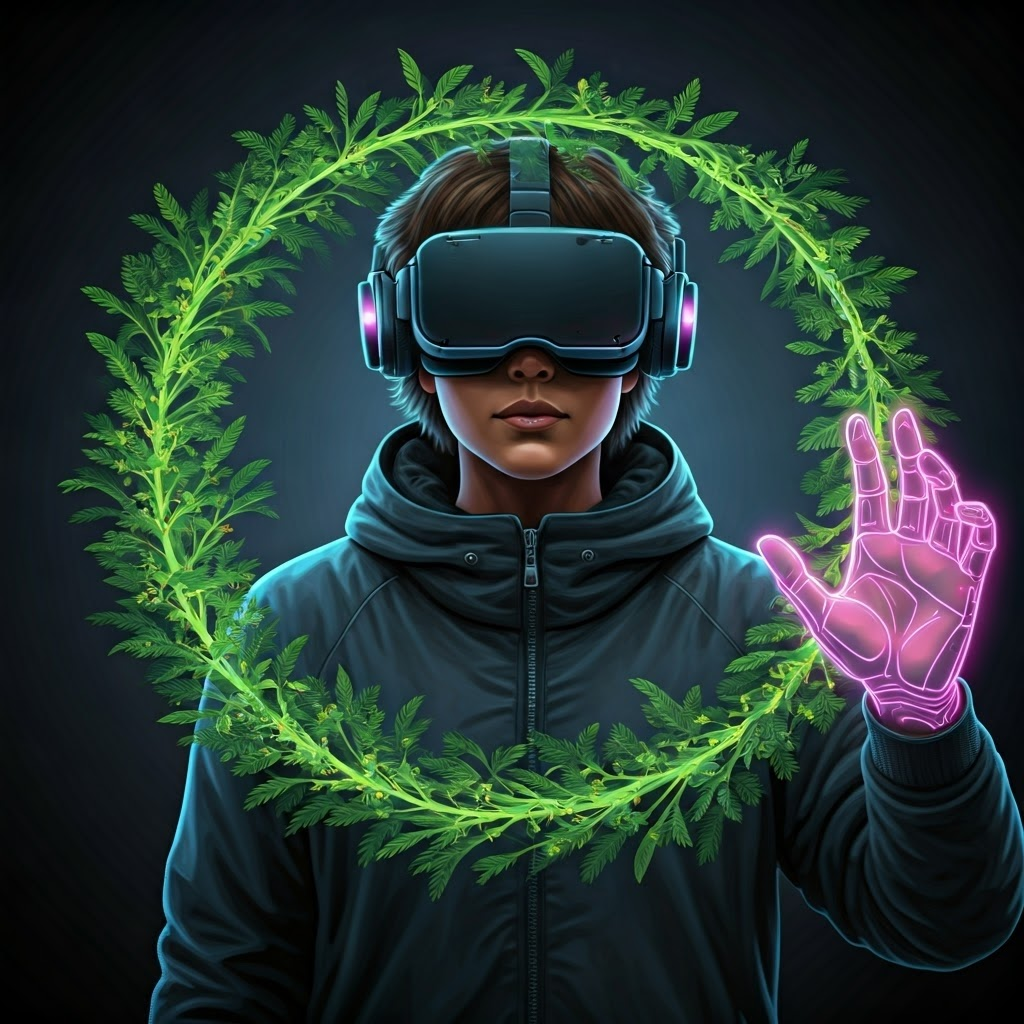
Virtual reality blocks out the real room and shows only computer scenes. A headset places you in a forest, city, or game, with digital hands replacing your own.
Augmented reality keeps the real view and adds layers—think arrows on roads or dinosaurs on tables. It blends, rather than replaces, your surroundings.
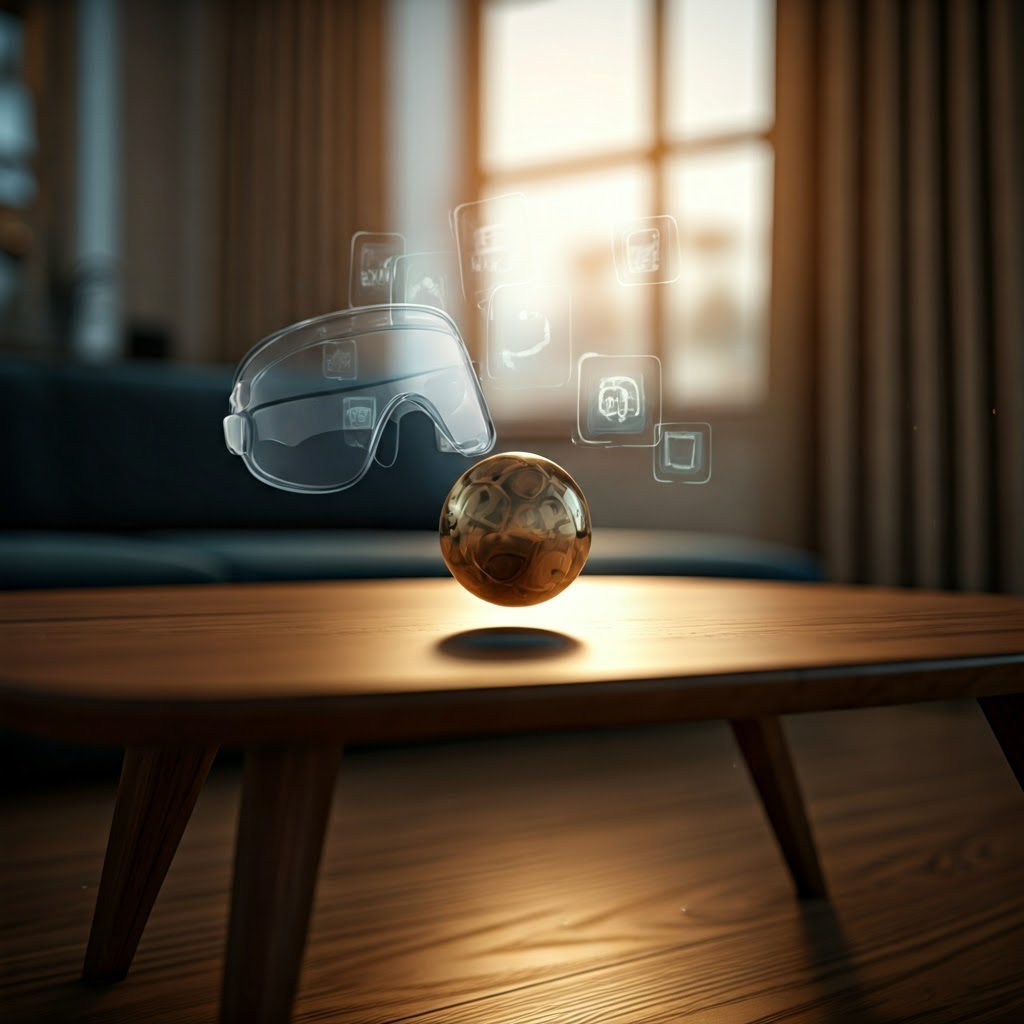
Mixed reality goes further. Digital objects sense the room and react, like a virtual ball bouncing off an actual coffee table. This interaction turns images into roommates.
Extended reality is the umbrella term that covers VR, AR, and MR. When a digital layer alters your view, it fits under XR.
Breakthrough Moments
Sutherland’s 1968 headset proved digital space was visible. VPL gear in the 1980s reached artists and arcades. Each milestone caught public attention and funded the next leap.
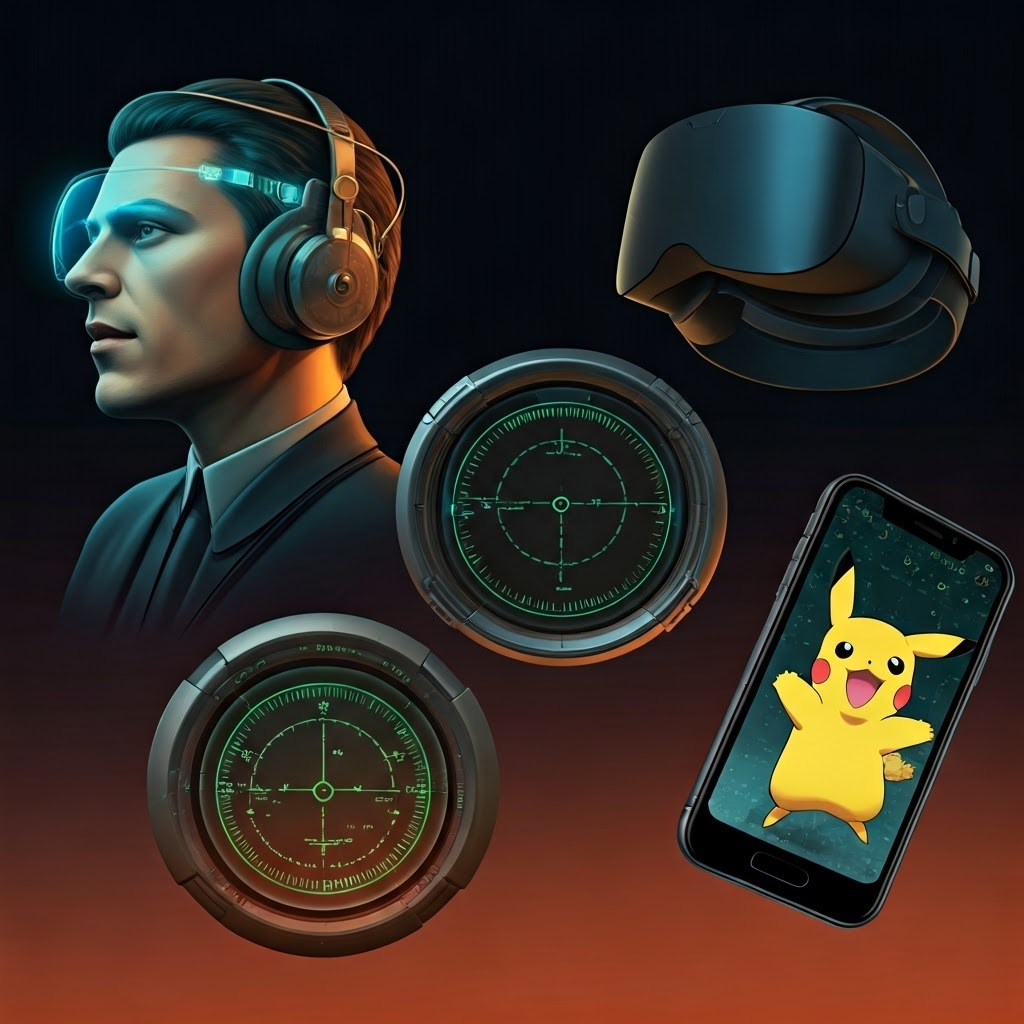
In 1992, Boeing engineer Tom Caudell coined “augmented reality” to guide aircraft assembly. Two decades later, Oculus Rift brought affordable VR to homes, while Pokémon Go showed AR could thrill millions with just a phone.
Breakthrough Moments
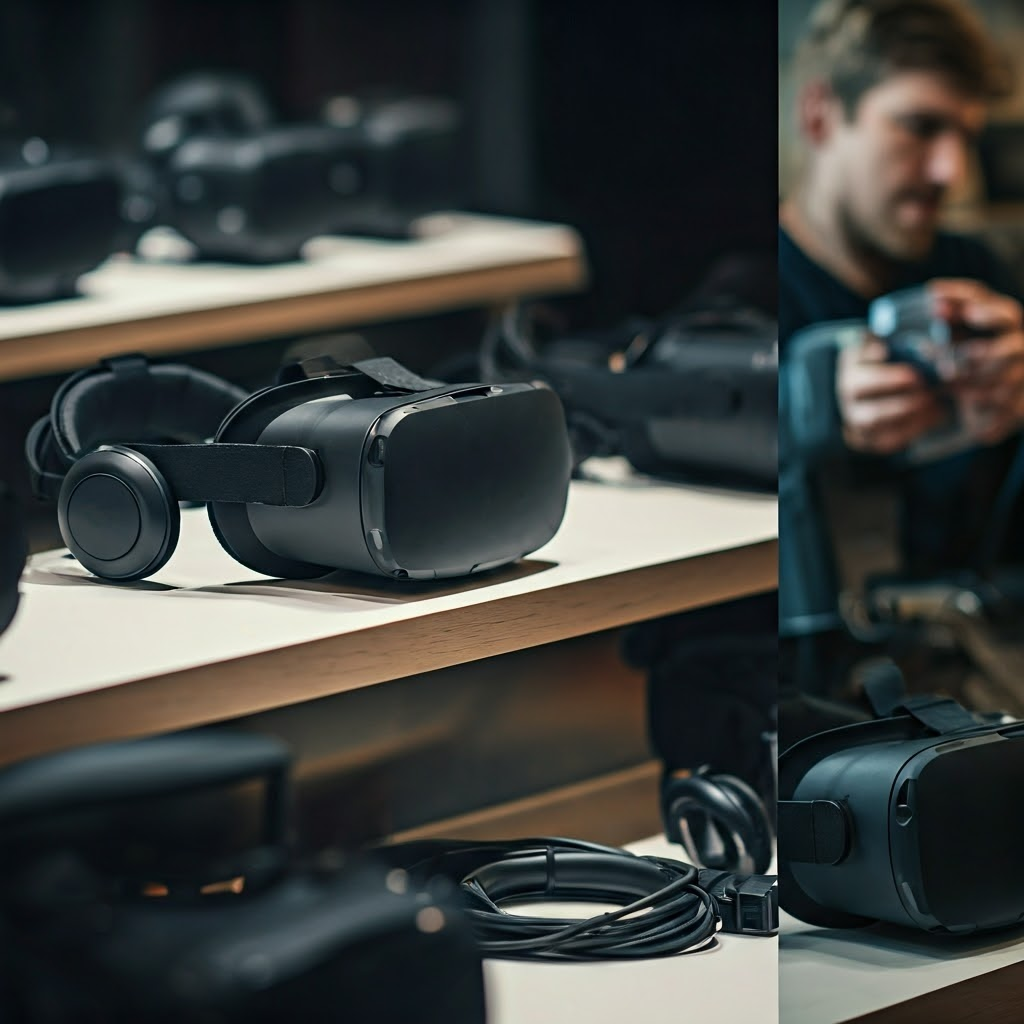
Today’s advances feel smaller yet run deeper: lighter frames, crisp screens, and precise tracking. Applications now span therapy, shopping, and remote work. Each quiet upgrade inches us closer to seamless digital and physical worlds.
You live in an era where yesterday’s fantasies sit on store shelves. The next leap might grow in a garage, a lab, or even on your desk.
