
Trading Dreams for Dirt: The Rise of Realism
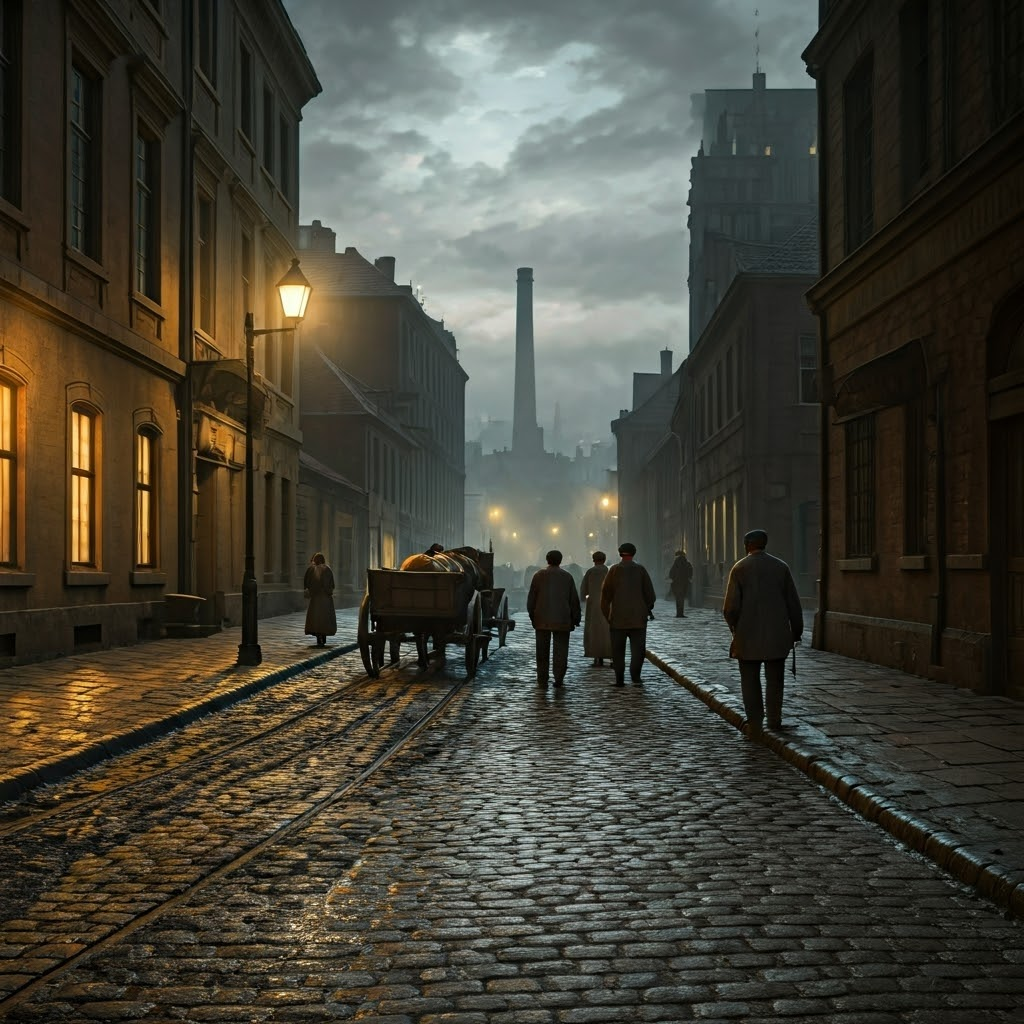
In early-19th-century Europe, art often offered glowing sunsets and noble heroes—images that felt far from everyday life. Streets were muddy, cities crowded, yet paintings promised escape. This split between picture-perfect fantasies and gritty reality set the stage for a new, more honest vision.
The Industrial Revolution sped up change. Steam engines roared, textile mills multiplied, and quiet villages turned into loud, smoky towns. People who once farmed the land now worked long factory shifts. Harsh sights and sounds made polished art feel shallow.
Why the World Got Real
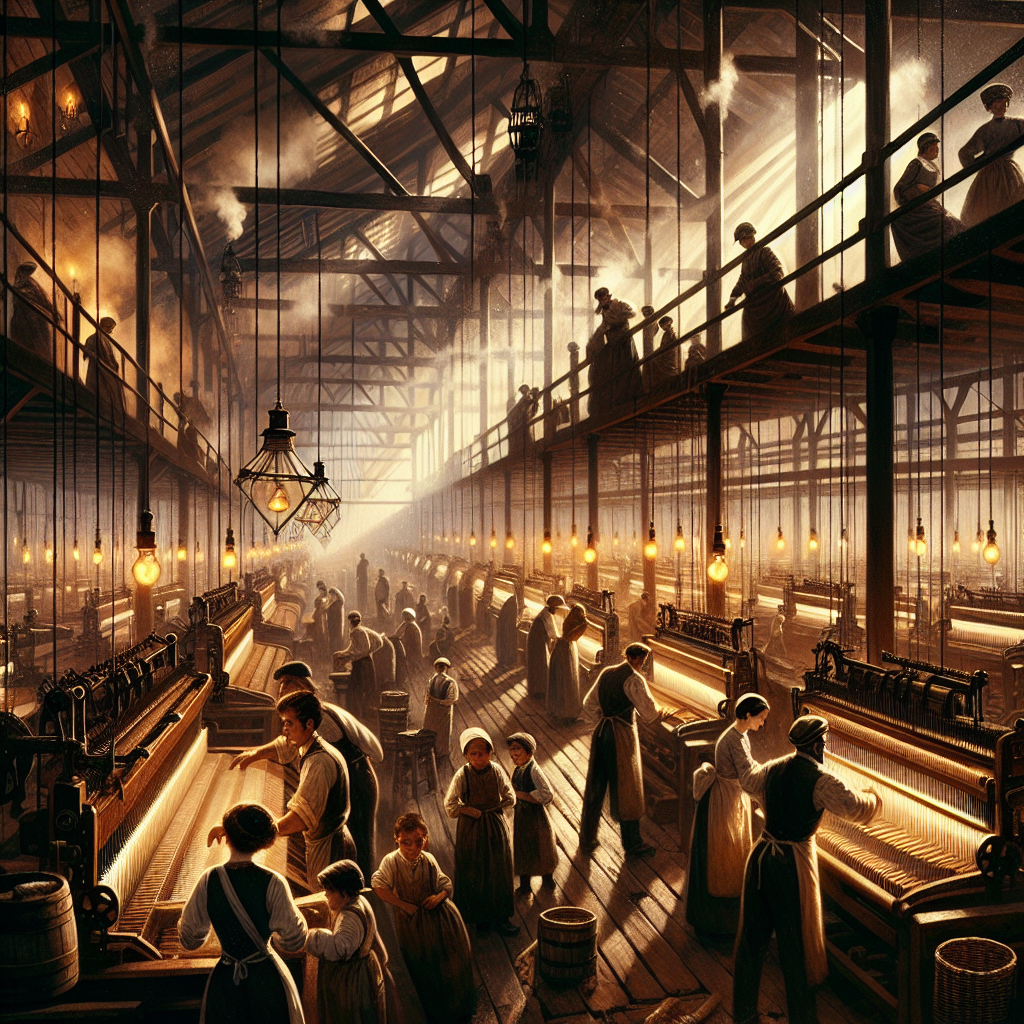
Romantic dreams began to miss the mark. City slums, soot-black skies, and child labor demanded notice. Writers like Charles Dickens described London’s orphans, while painters like Gustave Courbet showed laborers breaking stones. Realism dropped the gloss and chased truth instead of beauty.
Social critics found plenty to expose—twelve-hour shifts, cramped tenements, empty stomachs. Readers and viewers could no longer ignore what sat outside their doors.
Serial Stories and City Streets
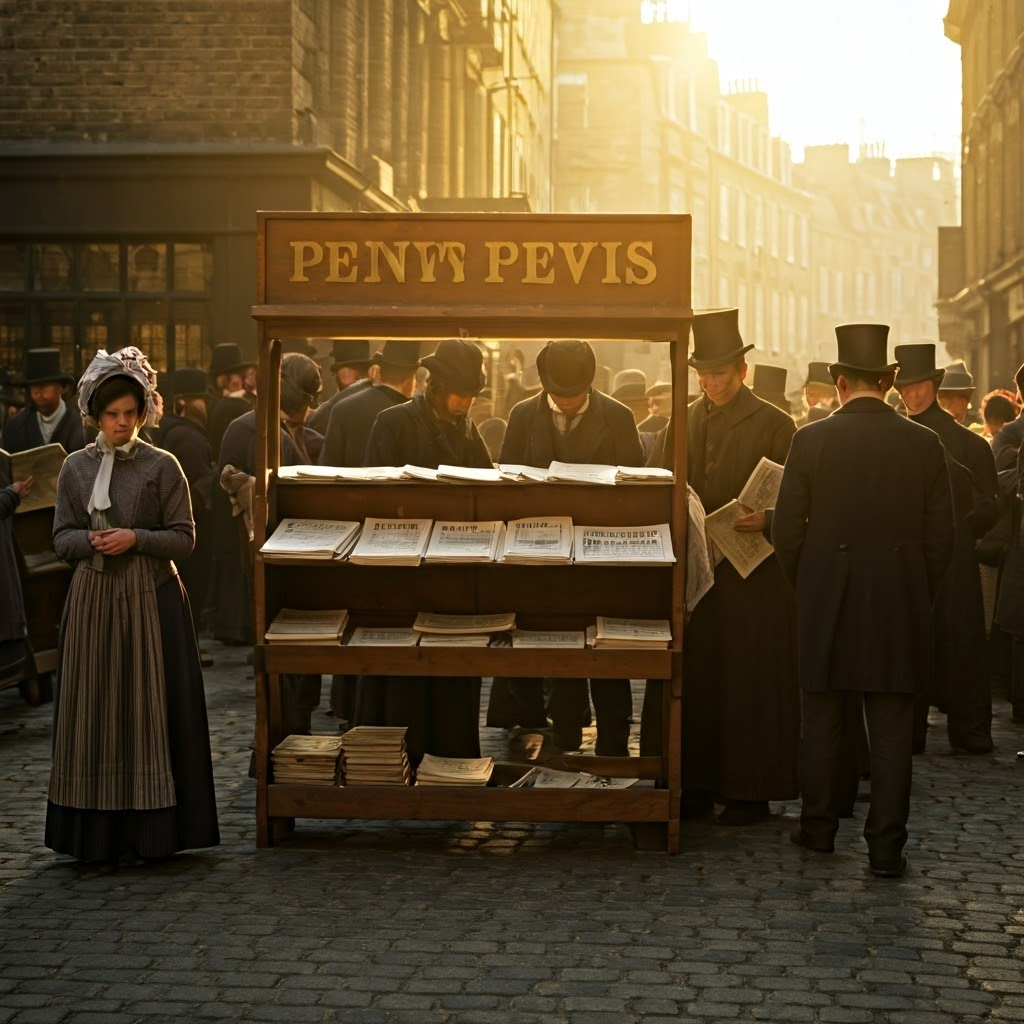
Cheap newspapers changed reading habits. For a penny, commuters grabbed the next chapter of Oliver Twist on their way to work. Serial novels spoke to clerks, sweepers, and washerwomen—people who rarely saw themselves in print. Each episode offered a quick connection to shared struggles.
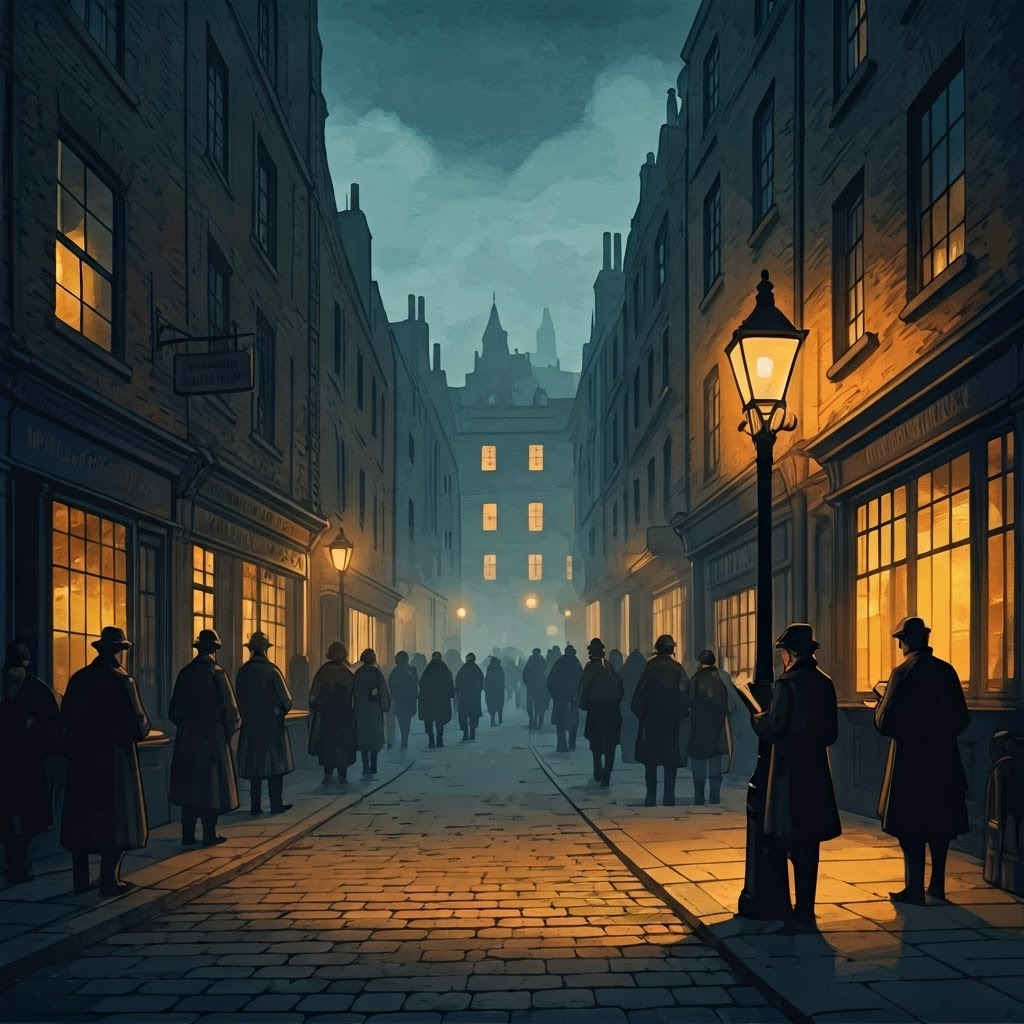
London’s alleys and markets became stars of the story. Real slang, real corners, real hunger filled the pages. Readers debated cliffhangers the way we discuss social media threads today, sometimes pleading for happier endings or harsher justice.
Painting the Grit: Realism in Art
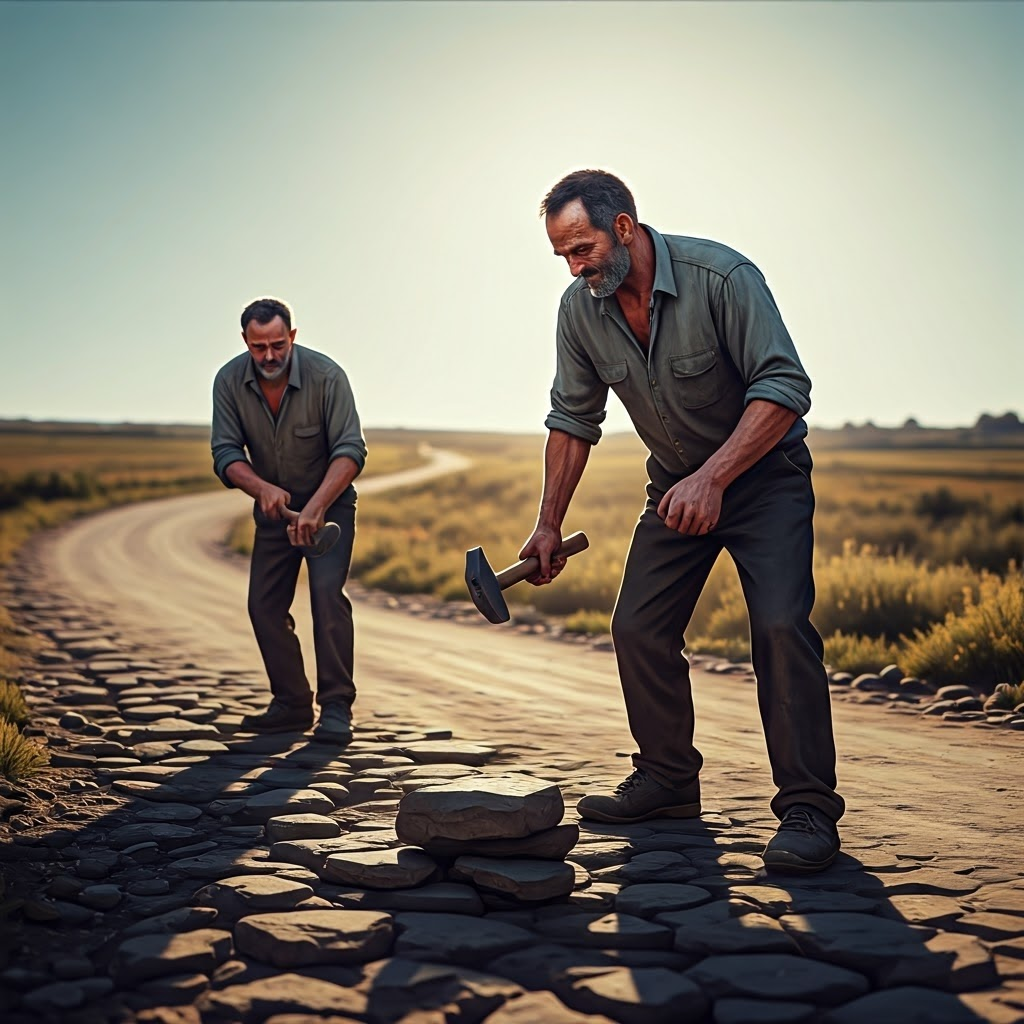
Painters also shifted focus. Courbet’s The Stone Breakers shows labor without faces—forcing viewers to see the work itself. Earlier salons favored gods and nobility; realism placed sweaty backs and torn shirts in the spotlight.
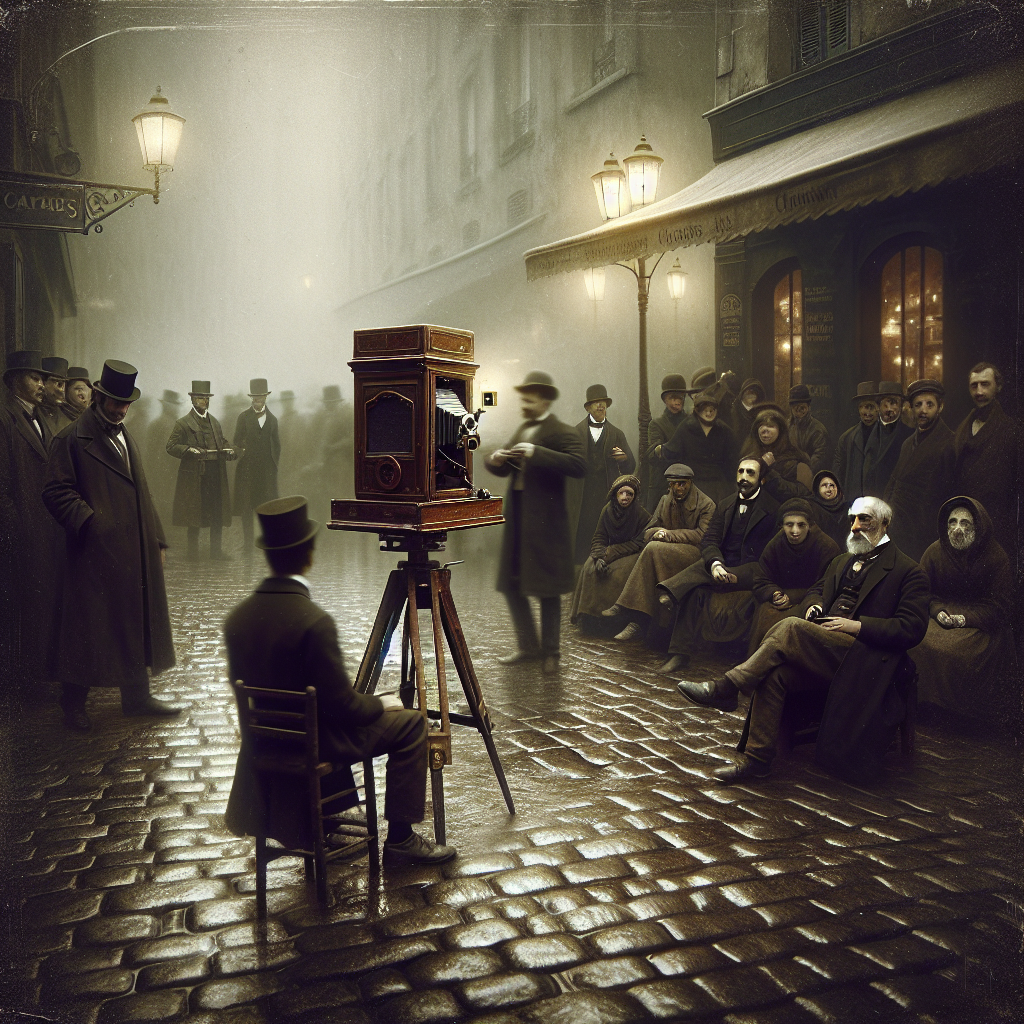
Cameras backed the movement. Early photographs froze Parisian workers, shopkeepers, and beggars. The lens offered cold proof: life was not always pretty, yet it was worthy of record. One shot carried more convincing power than any mythic canvas.
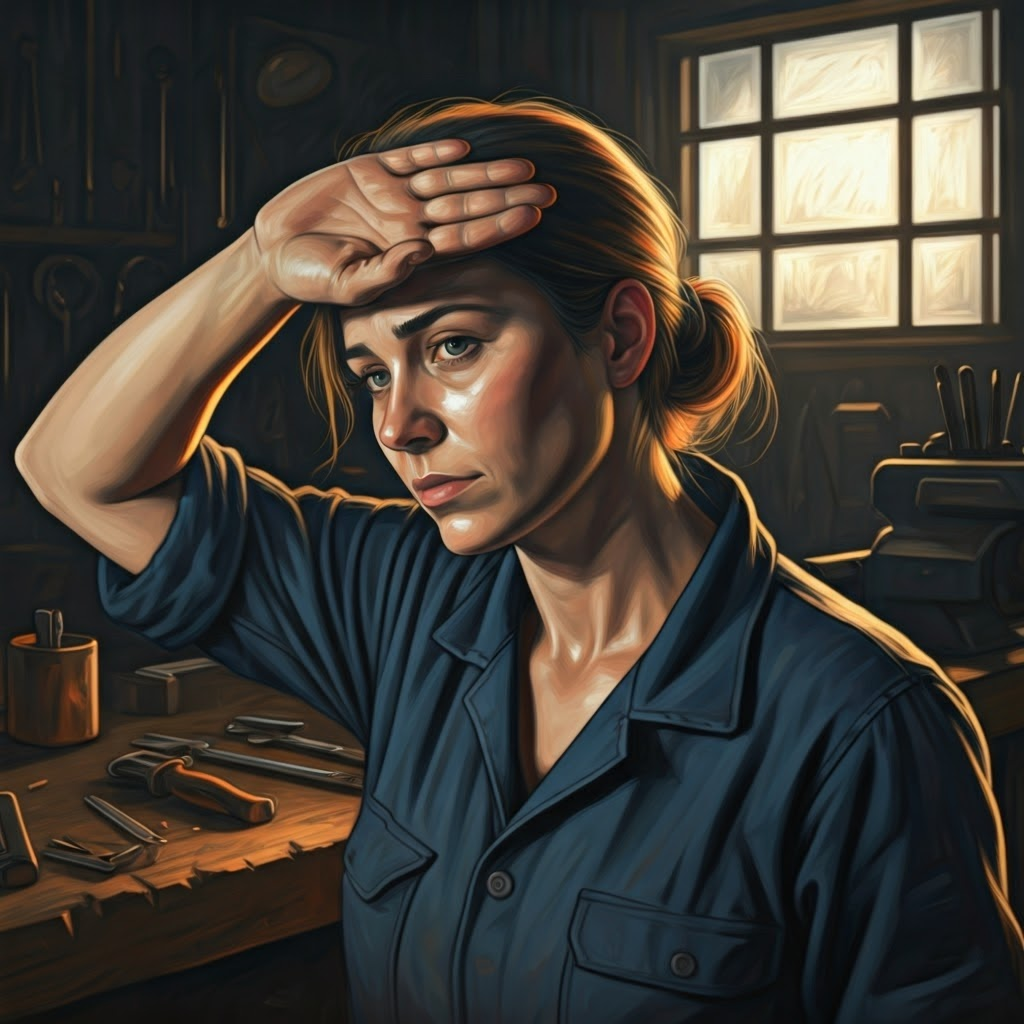
Realism also found beauty in perseverance. A beam of light on a tired face could reveal quiet dignity. Artists wanted viewers to look, feel, and perhaps act.
The Shift That Never Ended
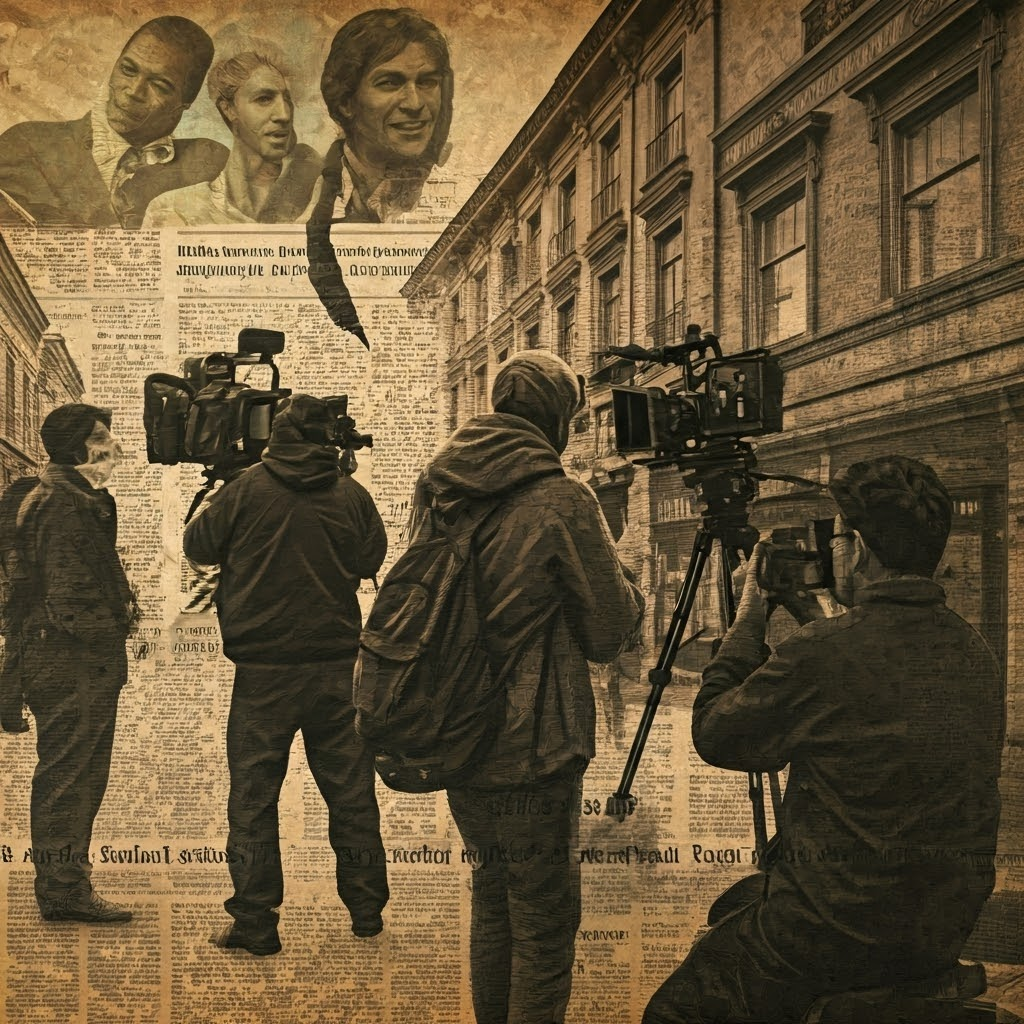
Realism reshaped how we see the world. Honest images and stories still drive journalism, cinema, and social advocacy. Whenever a photo exposes injustice or a film shows a real neighborhood, the movement’s pulse beats on.
Trading dreams for dirt never meant giving up hope. It meant insisting that messy, everyday life deserves to be seen—because only by facing reality can we start to improve it.
