
Meet the Qubit: The Building Block of Quantum Tech
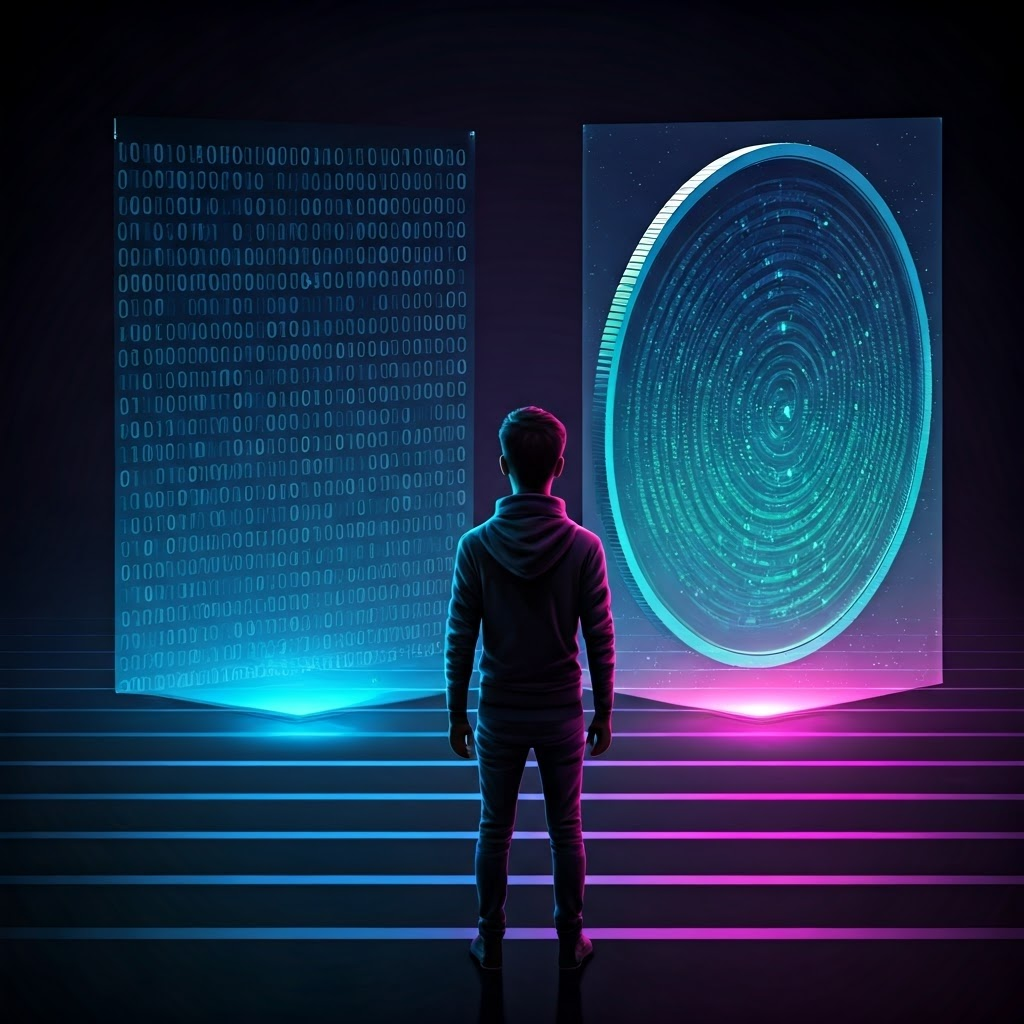
A qubit doesn’t settle for a simple 0 or 1. It can hold both values at once, giving quantum tech its unique edge.
Bits vs. Qubits: What’s the Real Difference?
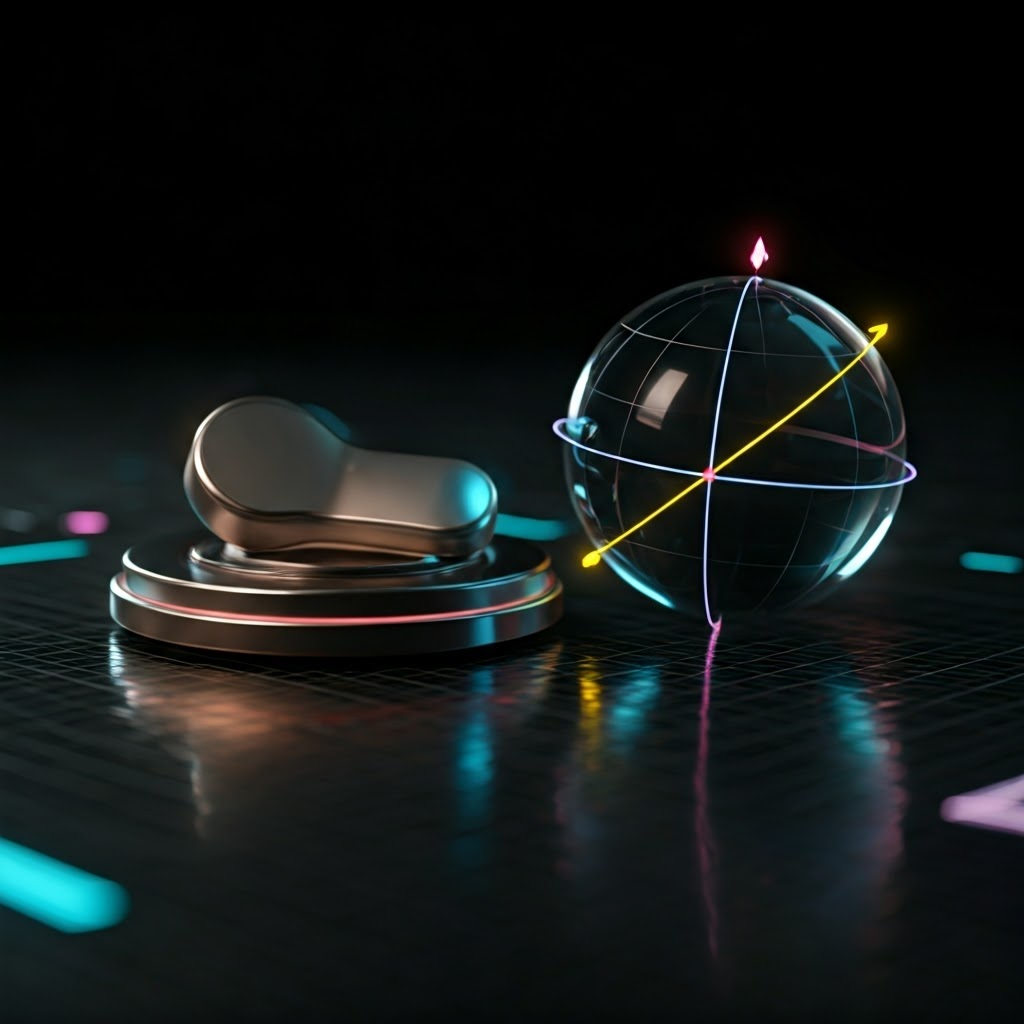
Traditional bits act like light switches—on or off. A qubit works more like a dimmer you can turn to any brightness, and even rotate around a globe of possibilities called the Bloch sphere.
A single qubit already packs richer information. When several qubits link, their power grows exponentially, outpacing ordinary bits.

Superposition: More Than Just Heads or Tails
Superposition lets one qubit be 0 and 1 together—like tasting milk and black coffee in the same sip until you actually drink. This real mixture lets quantum computers explore many answers simultaneously.

Mathematically, a qubit sits in $$|\psi\rangle = \alpha|0\rangle + \beta|1\rangle$$. The values (\alpha) and (\beta) mark how much of each state you have. Once you measure, the mix collapses to a definite 0 or 1.

Entanglement: The Quantum Connection
Entanglement makes two qubits act like twins. Measure one, and you immediately know the other, no matter how far apart they are. Even Einstein called it “spooky action at a distance,” yet experiments confirm it.

This instant link enables perfectly secure messaging and helps quantum computers solve tasks classical machines can’t touch.
Why Entanglement Matters
Quantum networks now use entanglement to share information with absolute secrecy and to connect distant quantum devices, turning theory into working technology.
Why Quantum? What’s the Big Deal?
With (n) classical bits, you get $$2^n$$ possible states—but only one at a time. Linked qubits explore all those states simultaneously, slashing computing time for specific problems.
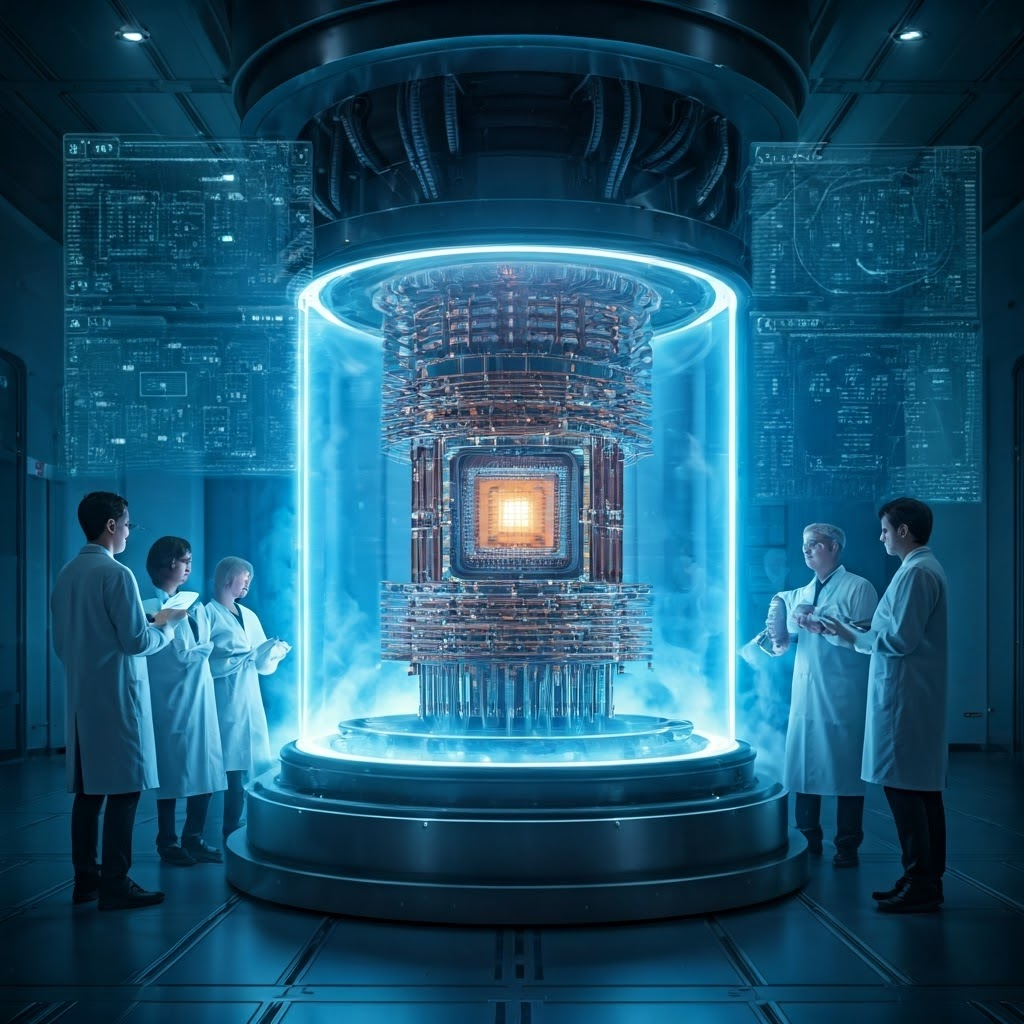
Labs worldwide already craft fragile yet promising qubit systems. They aim to break tough codes, sift massive data, and transmit unbreakable secrets. Mastering superposition and entanglement brings us closer to a new era of computation.
