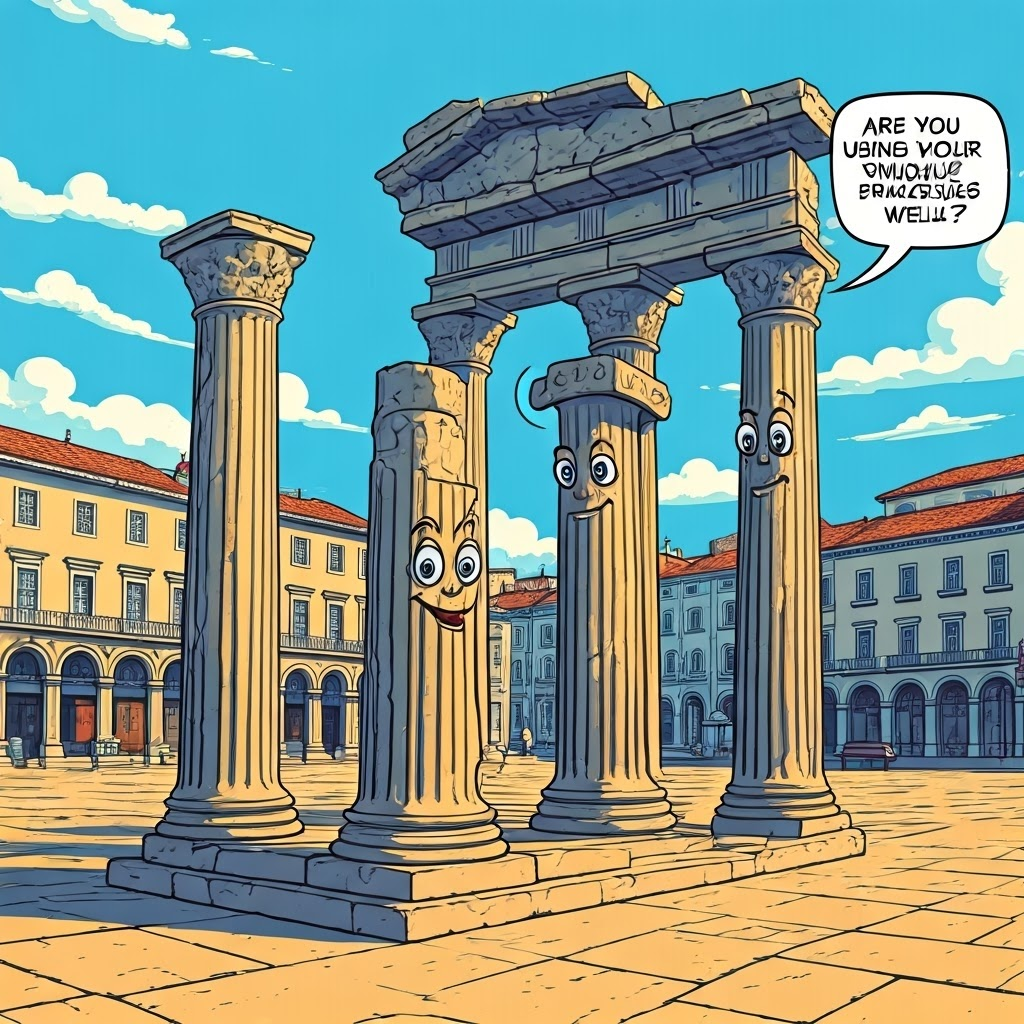
Stones, Columns, and Gathering Places: The Greek Blueprint
Temples and the Power of Place
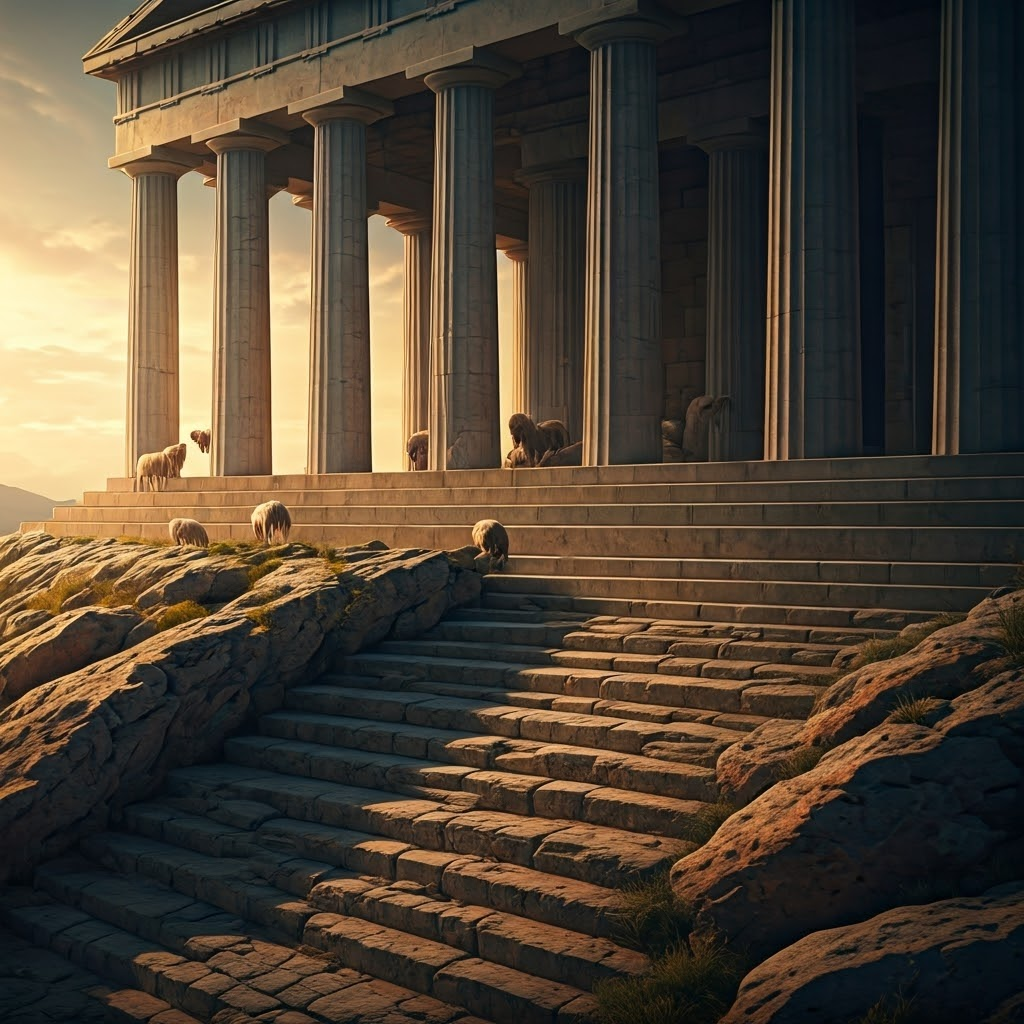
In a typical Greek city the temple rose above everything. Perched on the acropolis it acted as an anchor for the community. This height was not only for worship—it signaled authority and identity to every citizen below.
The Parthenon did more than shelter Athena. Its vast size white marble and sun-lit glow declared that Athens was strong and proud. Each detail worked like a billboard of civic confidence.
Reaching the Parthenon meant climbing a long slope passing grand gates and walking under towering columns. The uphill path reminded visitors of the effort needed for community and of the reward waiting at the summit.
People gathered within sight of the temple during festivals or major decisions. They felt watched not just by the gods but by the city’s own memory and ambition—proof that shared space shaped shared purpose.
Stoas, Theaters, and Gymnasia: Where Life Happened
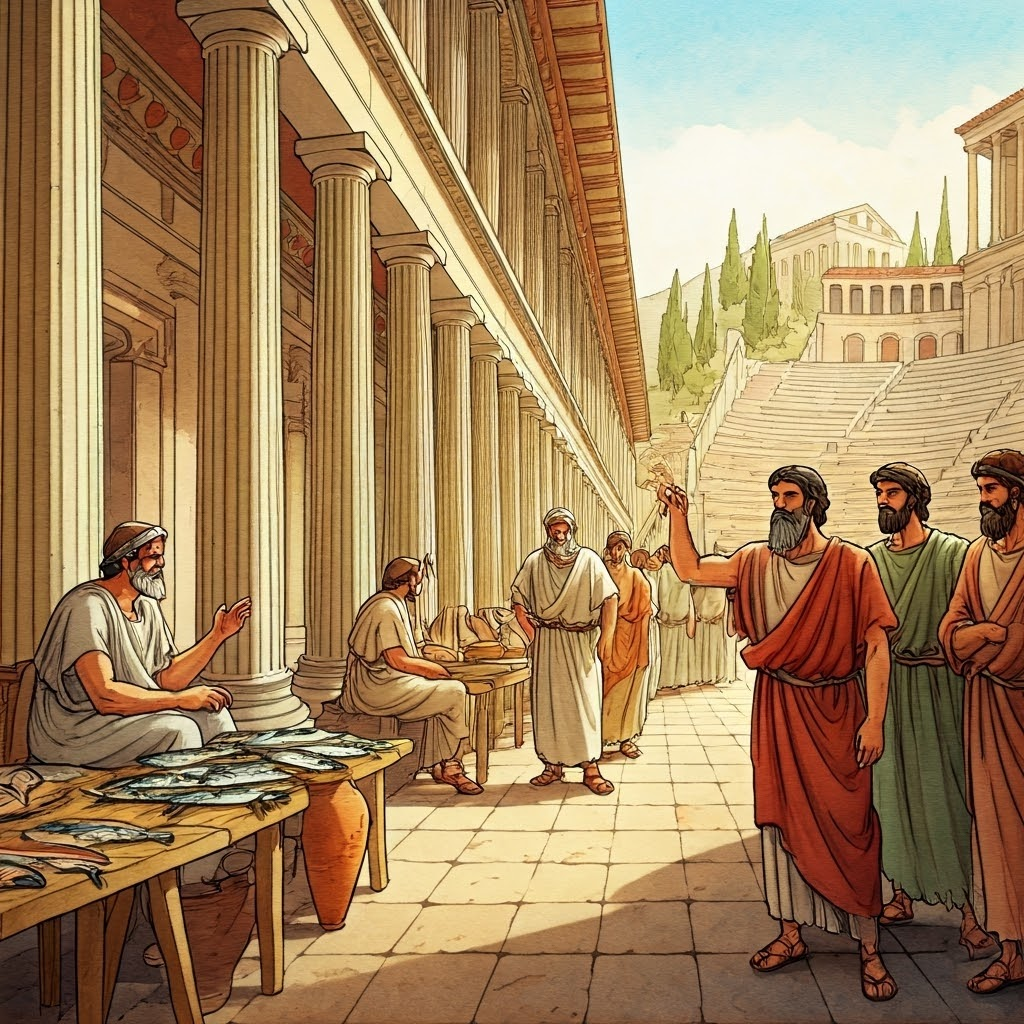
Life flourished in the spaces between temples. Long columned stoas bordered the agora—the civic heart. Here citizens bought fish met friends escaped rain and heard philosophers share fresh ideas.
These stoas worked like living rooms for the whole city. Commerce chatter and casual debate blended to keep public life vibrant and inclusive.
Carved into nearby slopes theaters like the Theater of Dionysus seated thousands. Plays debates and mass meetings unfolded here, letting each viewer feel part of a single voice.
Gymnasia added another layer. Men trained their bodies exchanged strategy and recited poetry. Exercise and education merged to bind civic spirit.
Together these places made democracy tangible. The agora was the brain the stoa the porch and the gymnasium the training ground—all open to every citizen.
The Language of Columns: Doric, Ionic, Corinthian
A city’s columns acted like its accent. Three main orders—Doric, Ionic, Corinthian—carried unique messages while supporting the roof.
Doric columns stood thick and plain. People read them as signs of strength and tradition much like a solid oak desk signals seriousness.
Ionic columns looked slimmer with graceful scrolls. They hinted at learning and trade, perfect for cities that prized culture.
Corinthian columns went lavish with leafy designs. Builders chose them to flaunt sophistication and prestige, turning stone into visual flair.
Selecting an order was never random. Each style broadcast civic values as loudly as any speech.

City Planning: Grids, Agoras, and Inscriptions
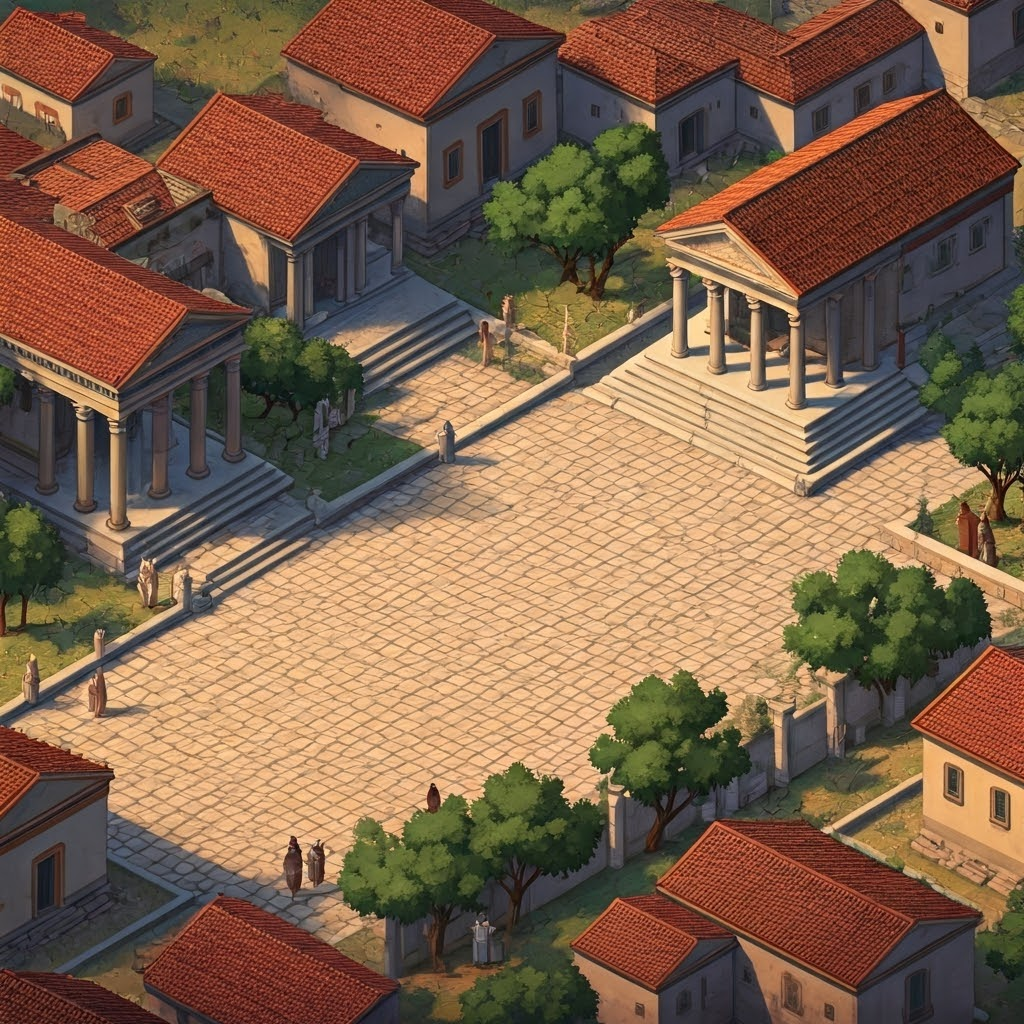
Many Greek cities followed the Hippodamian grid. Straight streets formed neat blocks, reflecting a love of order and fairness.
At the center sat the agora ringed by stoas and offices. Standing there you felt the city’s pulse—trading, voting, celebrating all at once.
Stone inscriptions lined these publics areas. Laws honors and donor names were carved for all to see—permanent tweets shaping behavior and memory.
Homes guarded private life behind inward-facing courtyards. Yet in the agora or theater your public voice mattered. Urban design pushed people together physically and politically.
If These Stones Could Text You
Imagine the Parthenon the Agora and silent columns sending a message: “Use your public spaces wisely.” They remind us that real connection grows face-to-face under open skies—not on screens.
As you move through your own city hear the old stones cheering. They urge you to join something bigger and help shape shared places that will outlast any text.