
Before the Spark: Quiet Courage and Early Resistance

Life in the Shadows
If you were gay, lesbian, bisexual, or transgender in the United States before 1969, fear shaped almost every part of life. Jobs, housing, and simple safety could vanish overnight. Many states treated homosexuality as a crime, and police could arrest you for sitting in the wrong bar.
Some cities kept lists of “known homosexuals” that destroyed reputations. Landlords, employers, or restaurants could refuse service without consequence. Even walking with a partner risked exposure. Most people stayed hidden, sometimes even from close friends or family, because secrecy felt like the only protection.
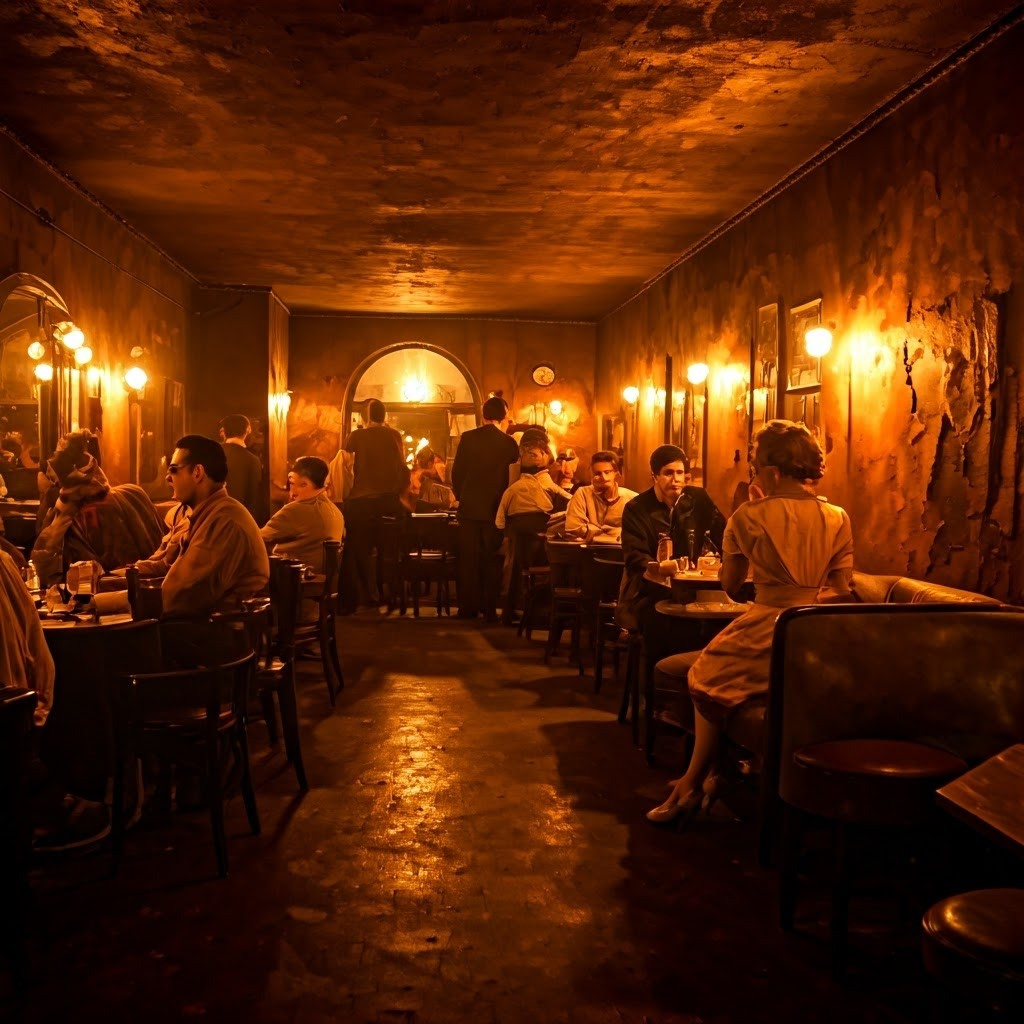
Nightlife for queer people unfolded in back-alley bars and cramped apartments. These spaces offered community yet carried constant risk. Police raids were routine—officers flooded in, lights blazed, and anyone deemed “suspicious” faced arrest.
Drag queens sprinted barefoot into alleys. Gay men slipped through kitchen doors. Many carried bail money in a sock, just in case. Even buying certain magazines could label you. Still, secret codes, signals, and trusted networks nurtured hope and helped people stay connected.
Homophile Societies: The First Steps
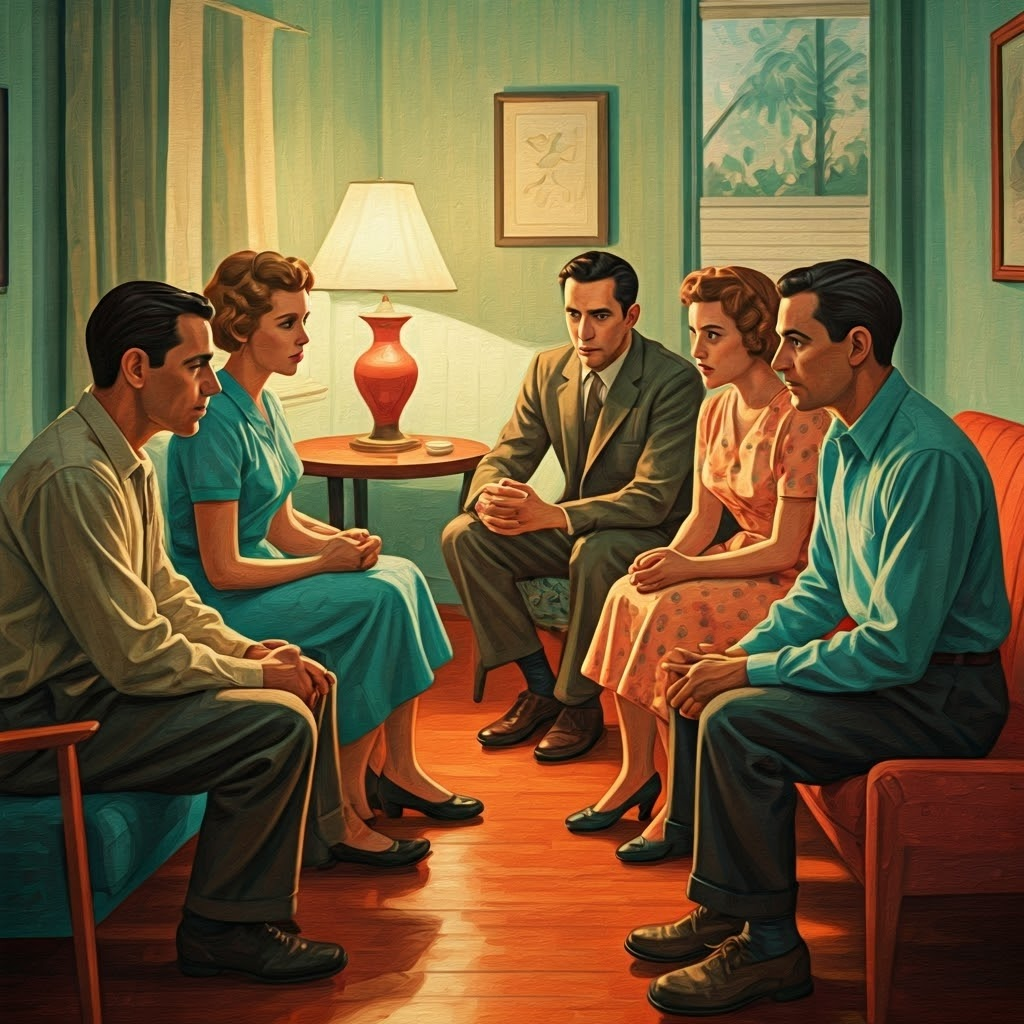
During the 1950s and 60s, brave organizers formed homophile societies with safe-sounding names like the Mattachine Society and the Daughters of Bilitis. In 1950 Harry Hay and others launched Mattachine in Los Angeles, insisting that gay people were ordinary citizens deserving respect.
Five years later, lesbians in San Francisco created the Daughters of Bilitis as a discreet gathering place. Both groups embraced respectability politics, showing mainstream America polite faces and calm voices to win basic recognition.
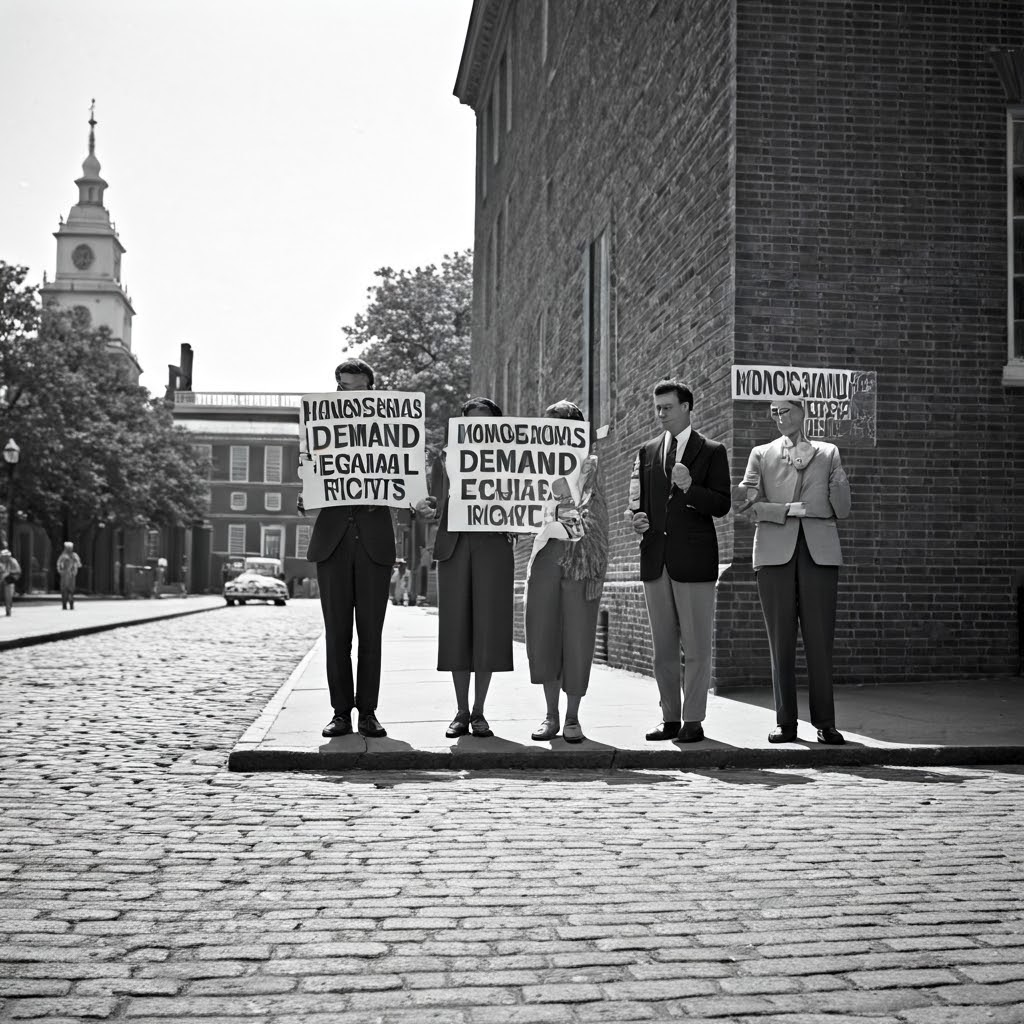
Meetings happened quietly in living rooms or under the cover of other events. Magazines like ONE and The Ladder shipped in plain brown envelopes to dodge postal seizure. Public protests were rare. In 1965, Mattachine members stood spaced apart in silence, holding simple signs that demanded equality.
Frank Kameny: Fighting Back with Science and Suits
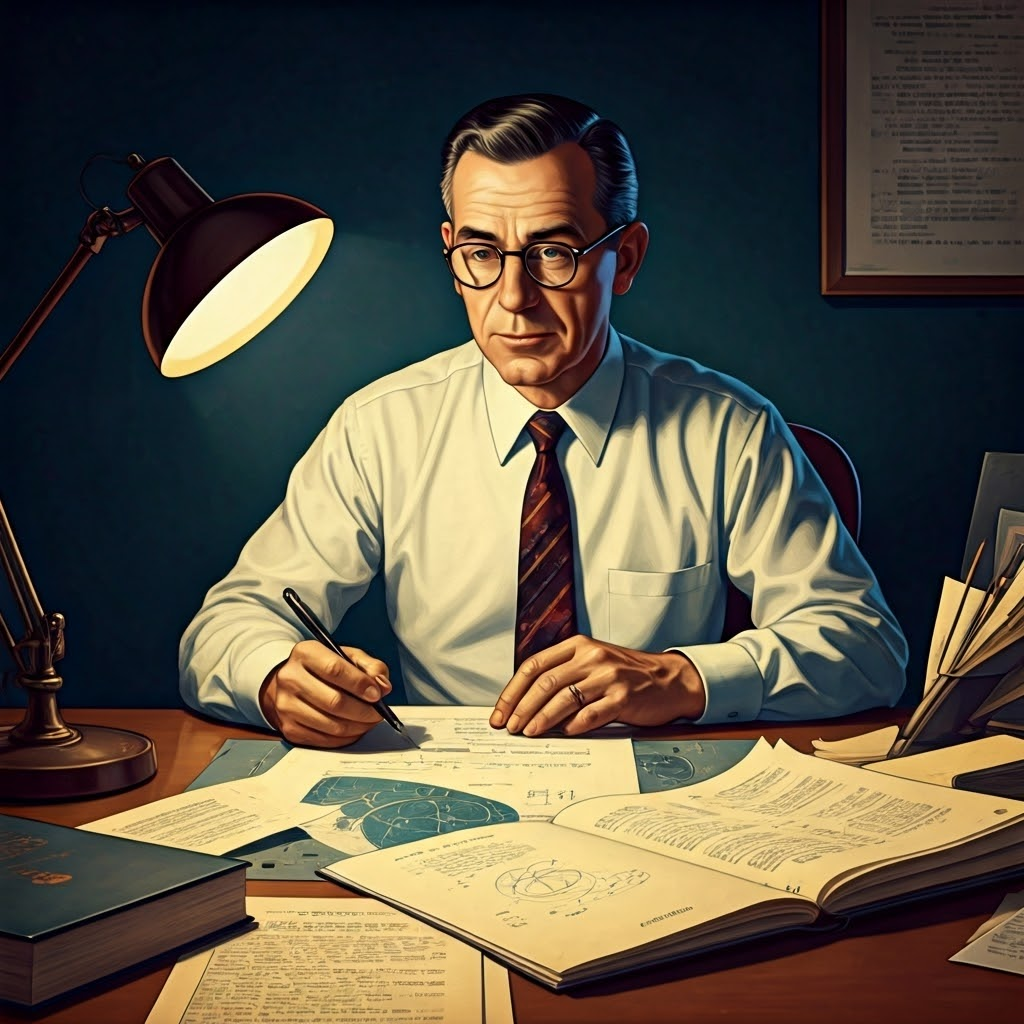
Frank Kameny, a Harvard-trained astronomer, changed the game in 1957 when the government fired him for being gay. Refusing to vanish, he sued all the way to the Supreme Court, arguing that firing someone for their orientation violated the Constitution.
Though the Court refused the case, Kameny kept pushing. He framed the debate in scientific and civil-rights language, insisting that homosexuality was neither sick nor immoral. He organized “Annual Reminders” each Fourth of July at Independence Hall, linking gay rights to the nation’s founding ideals and sowing early pride.
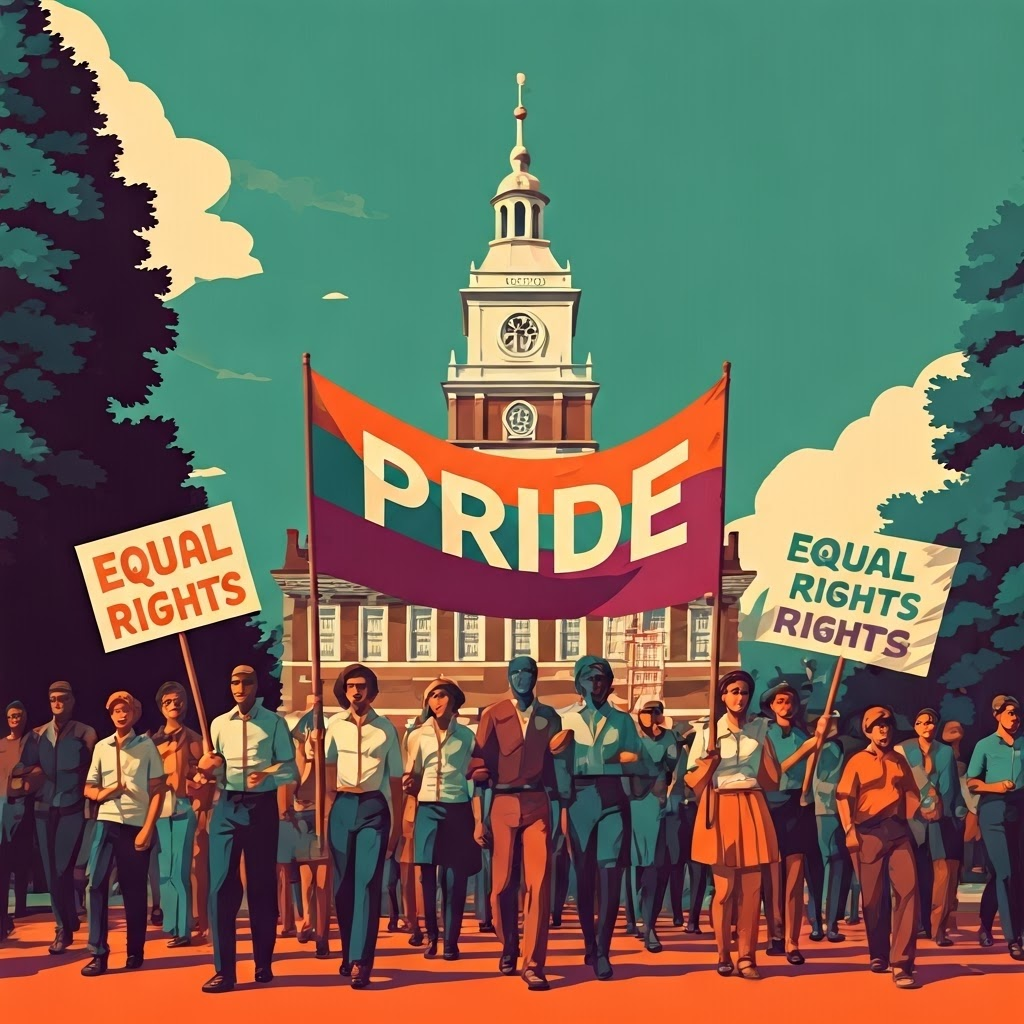
Kameny persuaded the Washington D.C. Mattachine chapter to replace pleas for tolerance with bold declarations. His strategy moved the movement from quiet petition to open demand.
Compton’s Cafeteria Riot: San Francisco’s Forgotten Uprising
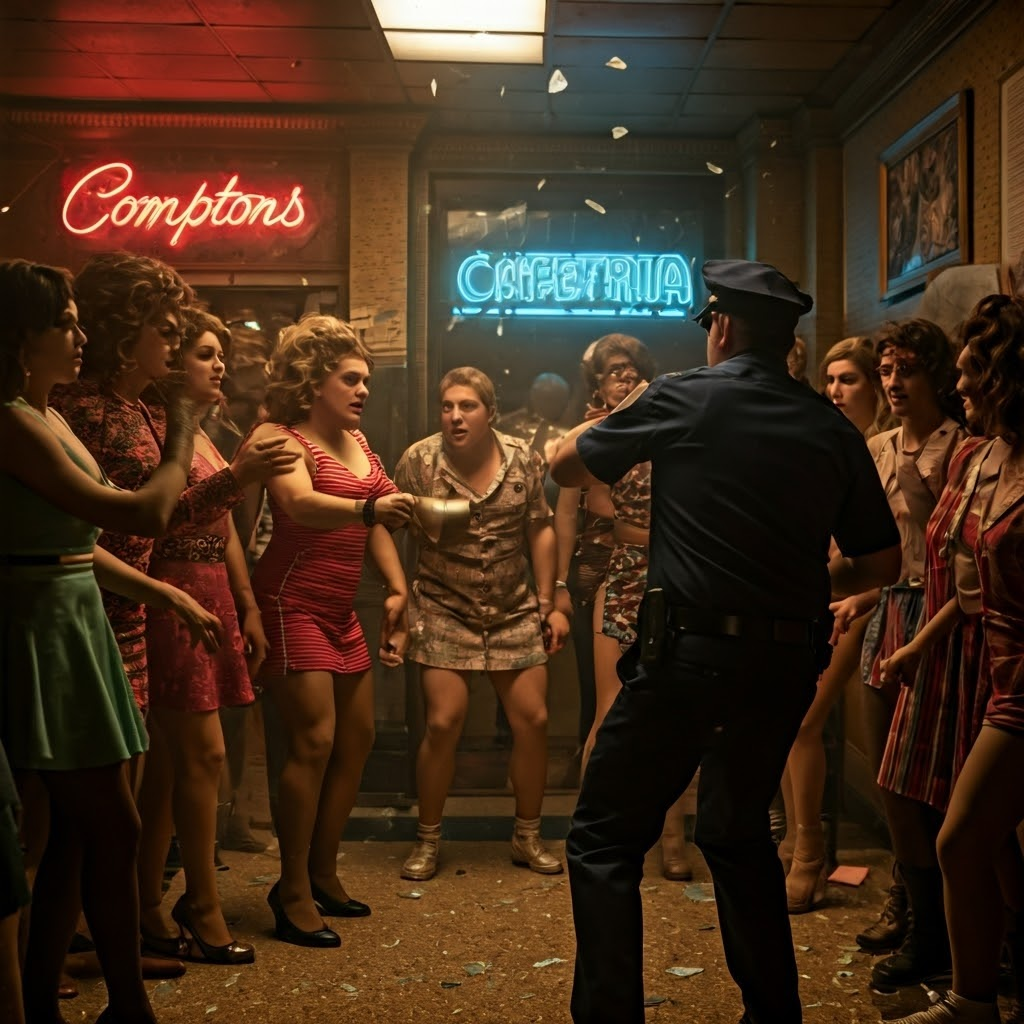
Three years before Stonewall, transgender women and drag queens at Compton’s Cafeteria in San Francisco’s Tenderloin endured relentless police harassment. The diner served as a rare refuge where they could rest and build community.

One warm night in 1966, a patron threw hot coffee into an officer’s face, and the riot erupted. Sugar shakers flew. Windows shattered. Police retreated, then returned with reinforcements, but the crowd kept fighting. The uprising sparked new alliances and youth-led groups like Vanguard.
Compton’s proved that transgender people and drag queens were on the frontlines, often risking everything simply to exist.
The Stage is Set
By the late 1960s, years of hidden living had built intense pressure for freedom. Homophile groups showed that organization was possible. Kameny injected pride and planning. Compton’s demonstrated that even the most marginalized could fight back.
Private meetings, cautious pickets, legal battles, secret newsletters, and sudden uprisings began to connect. The storm kept building. When police raided the Stonewall Inn in 1969, the response was no accident—it grew from countless small acts of shared courage.
