
Sun, Dust, and Darkness: Solar Power’s Space Adventure
Chasing the Sun: Solar Power in Space
Solar panels turn sunlight into electricity both on Earth and in space. Yet once you leave Earth, the sunlight weakens, and every watt matters.
Earth receives about 1361 W/m² of sunlight. Mars gets less than half of that, so identical panels make far less power. Engineers must boost efficiency instead of just adding panels—extra mass costs a fortune.
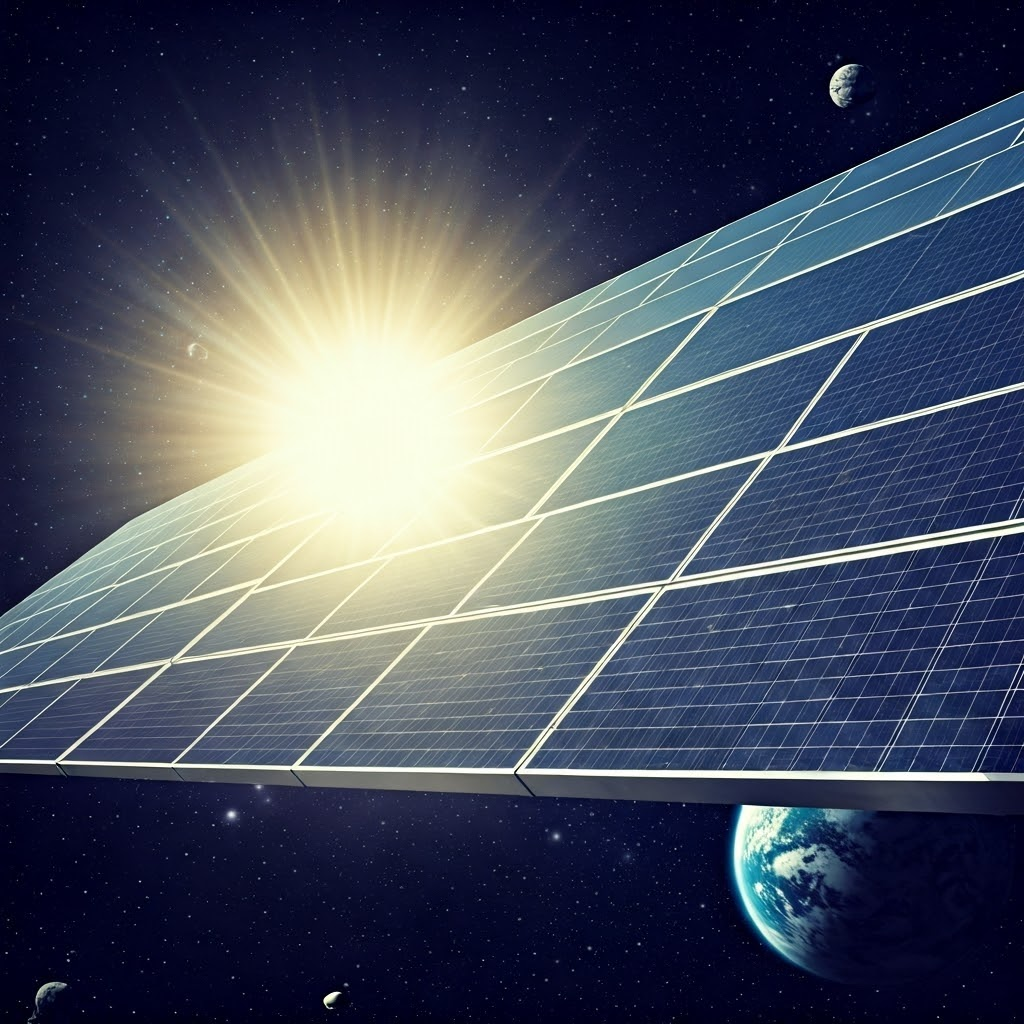
No atmosphere means steady light but brutal space hazards. Radiation, micrometeoroids, and temperature swings slowly wear down even durable silicon or gallium-arsenide cells.
Near the lunar poles the Sun hovers at the horizon, while Martian dust storms dim daylight. Designers juggle weight, strength, and size to squeeze the most power per kilogram.
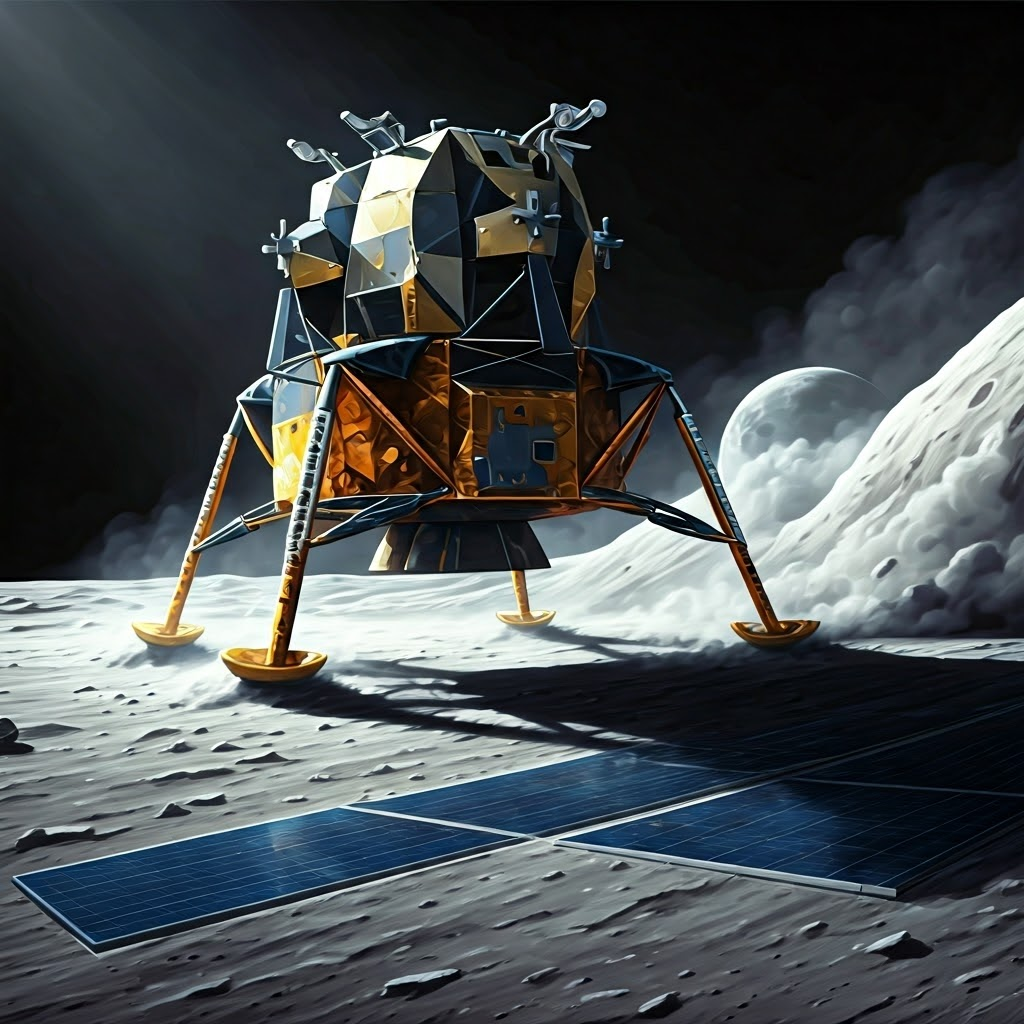
Martian dust sticks like glue. Over months it can halve output. Jagged lunar dust poses a similar threat, clinging through static charge.
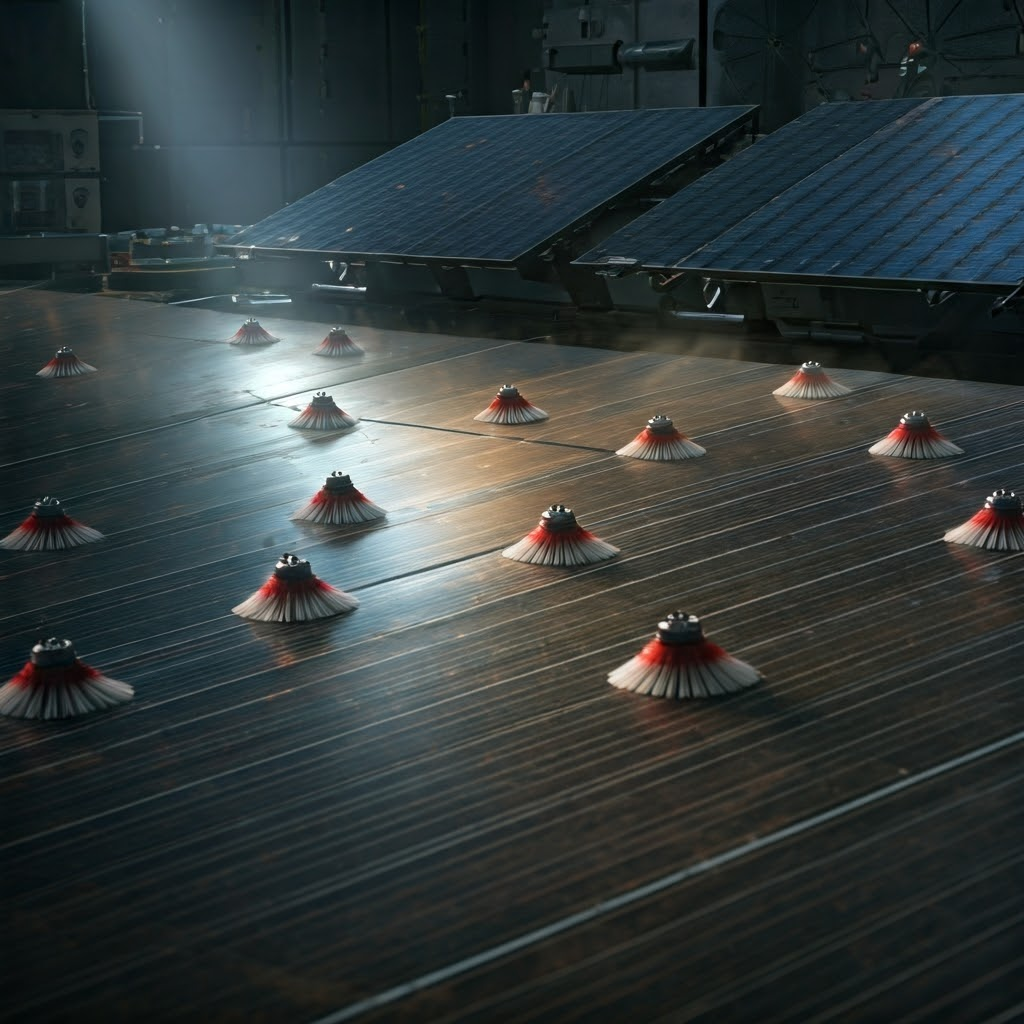
Teams try wind, electrostatic wipers, or mechanical brushes. Perseverance skips panels altogether and uses a radioisotope generator, while InSight slowly faded beneath dust.
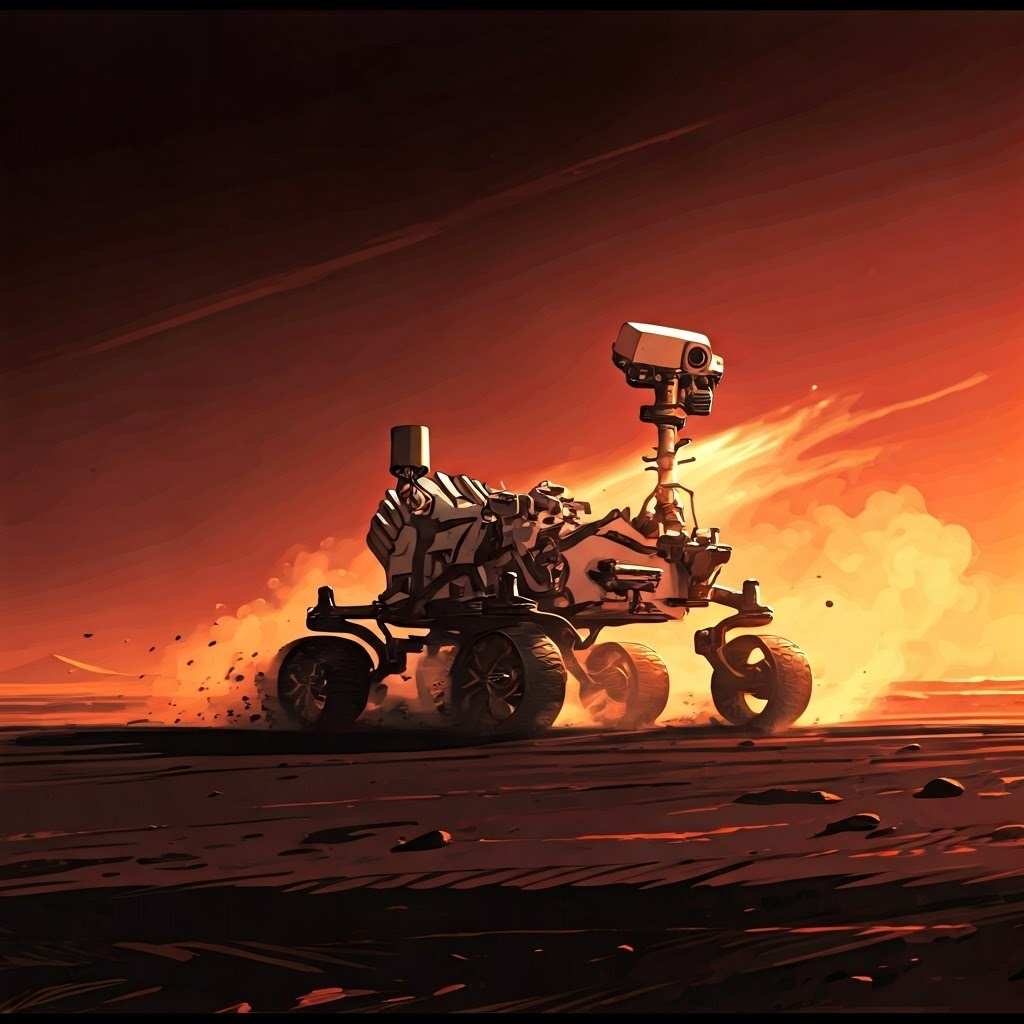
Before-and-After: A Mars Rover Story
In 2007 a global storm cut Opportunity’s sunlight to 1 %. A year later a lucky gust cleaned its panels, restoring almost full power—a space lesson in luck and engineering.
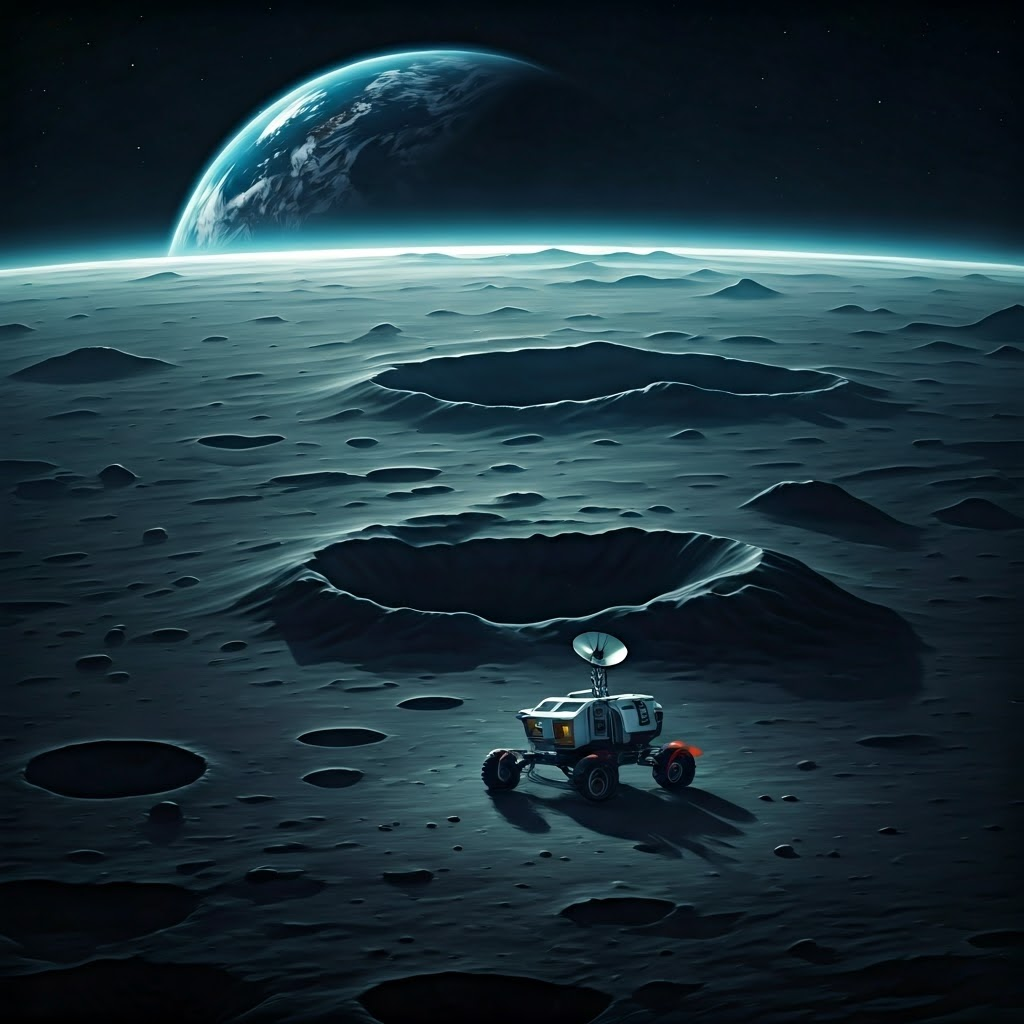
Eclipses and Shadows: When the Lights Go Out
The lunar night lasts 14 Earth days. Martian nights are shorter, yet storms can linger. Missions must store daytime energy to survive long, cold darkness.
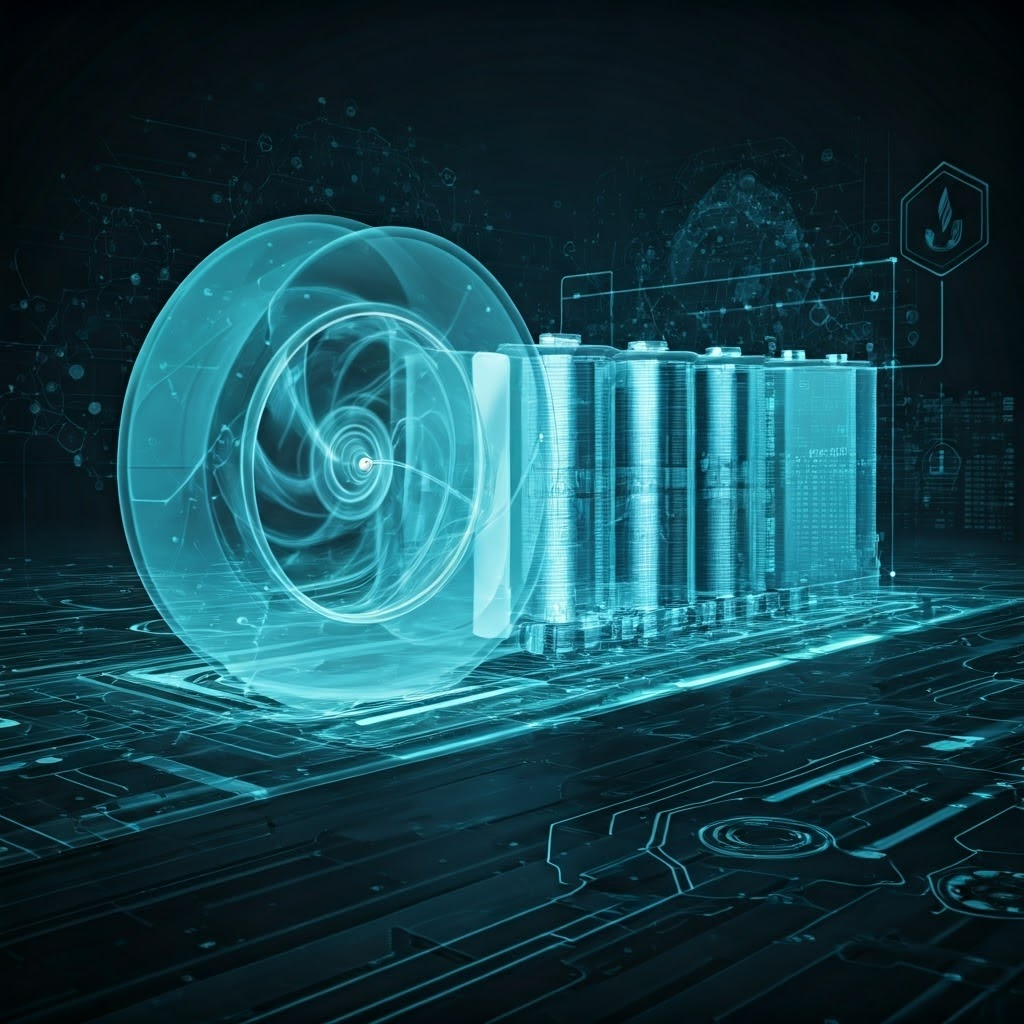
Batteries work but weigh a lot. Fuel cells combine stored hydrogen and oxygen at night. Flywheels spin up when power is ample and discharge later. Supercapacitors handle quick bursts.
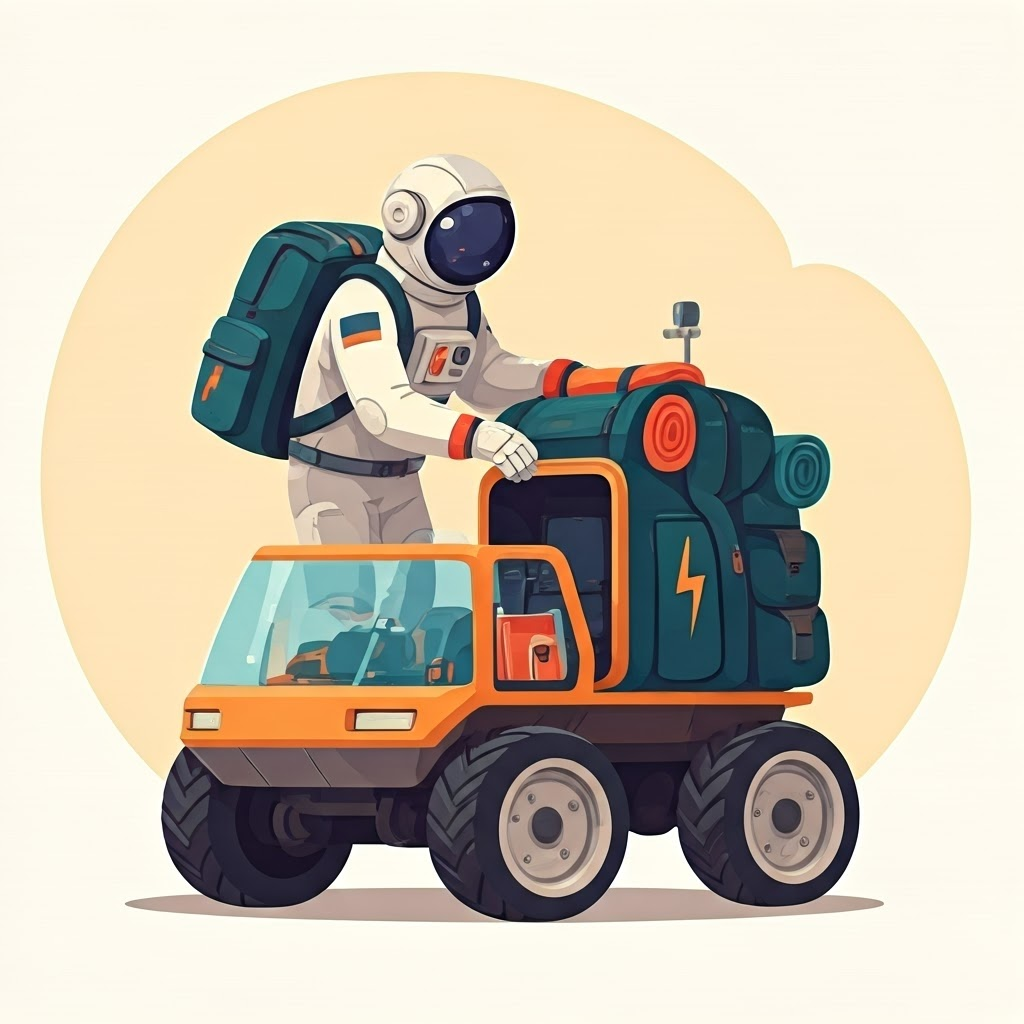
Every option trades mass, lifespan, and complexity. Choosing wrong gear could leave a rover silent in the dark.
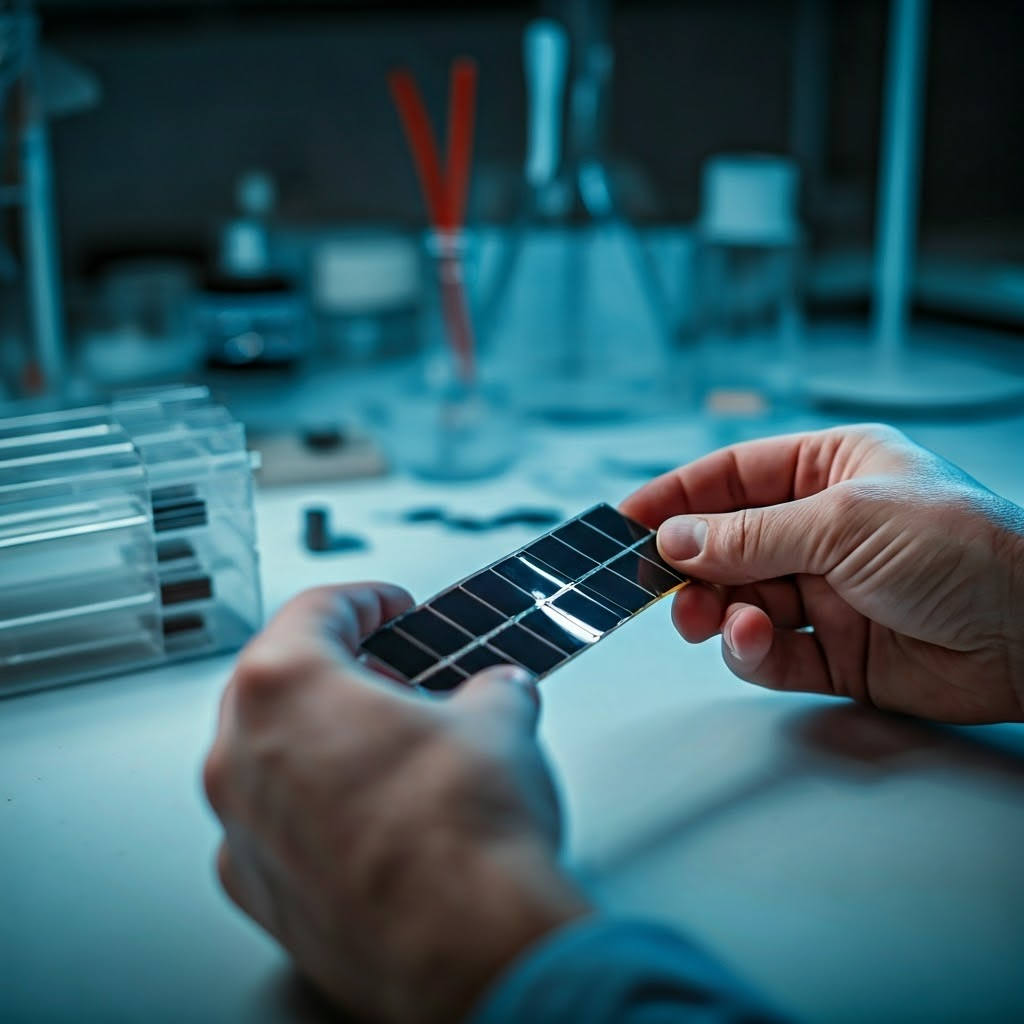
New Kids on the Block: Perovskites and Concentrators
Perovskite cells are light, flexible, and climbing fast in efficiency. They could unroll like carpets on the Moon, though radiation still threatens their longevity.
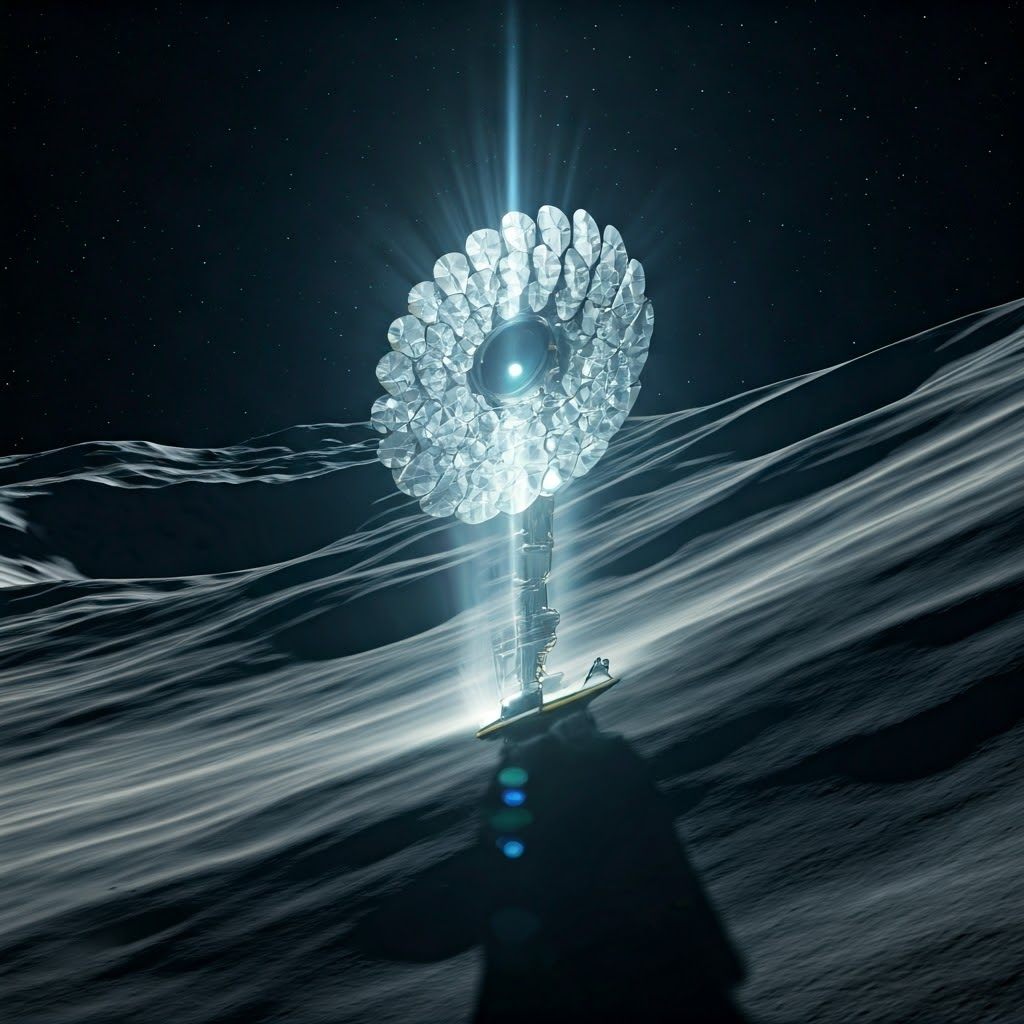
Concentrators use mirrors or lenses to focus light onto tiny high-end cells, boosting power per kilogram. Moving parts and dust remain weak spots.
The Table of Solar Showdowns
| Technology | Weight | Dust Tolerance | Efficiency | Radiation Hardened | Maturity |
|---|---|---|---|---|---|
| Silicon Cells | Medium | Low | 15–20 % | Good | Yes |
| Perovskite Cells | Very Low | Medium | 20–25 % | Fair (improving) | Soon |
| Concentrator Solar | Low | Poor | 30 %+ | Good (cell) | Limited |
Seeing the Whole Picture
Space solar power is a balance of weight, efficiency, and survival in hostile settings. Dust, darkness, and distance challenge every mission. Yet with smarter storage, better cleaning, and new materials, sunlight remains our most dependable energy source beyond Earth.
