
Lighting Up the Neighborhood: How Local Energy Changes Everything
When the power fails, you feel its weight right away. In many places it is a brief hassle, but in others it steals whole days of light and work. Energy equals control. Without it, a community must follow someone else’s clock and priorities.
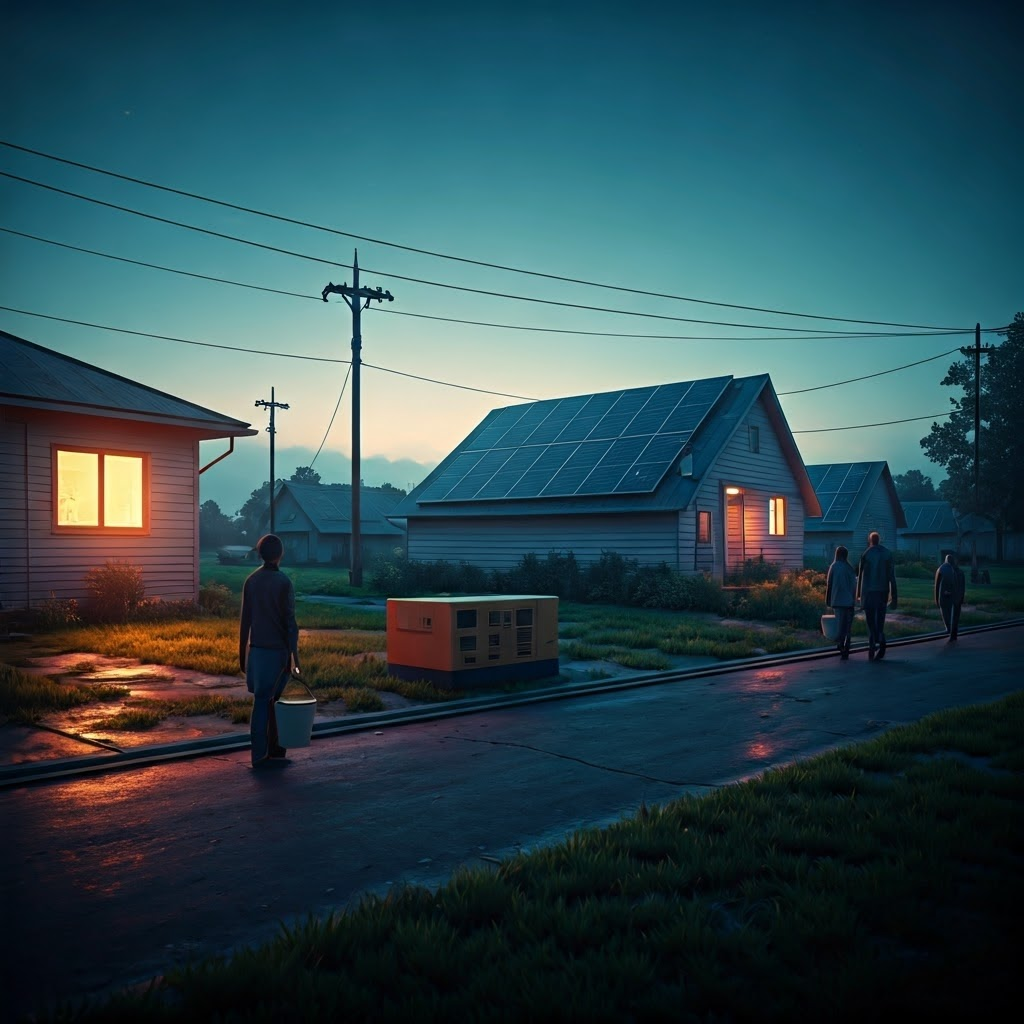
Change is possible. Picture a border-town that relies on costly, smoky generators. Children study by candle glow, and shops close early. After neighbors invest in solar panels and a battery, lights stay on. Kids read, and stores stay open. Power shifts from distant firms to local hands.
Local energy lets users guide how electricity is made, stored, and shared. It brings fairness and boosts resilience. When storms snap far-off lines, a neighborhood mini-grid can keep running. Residents move from passive customers to active partners.
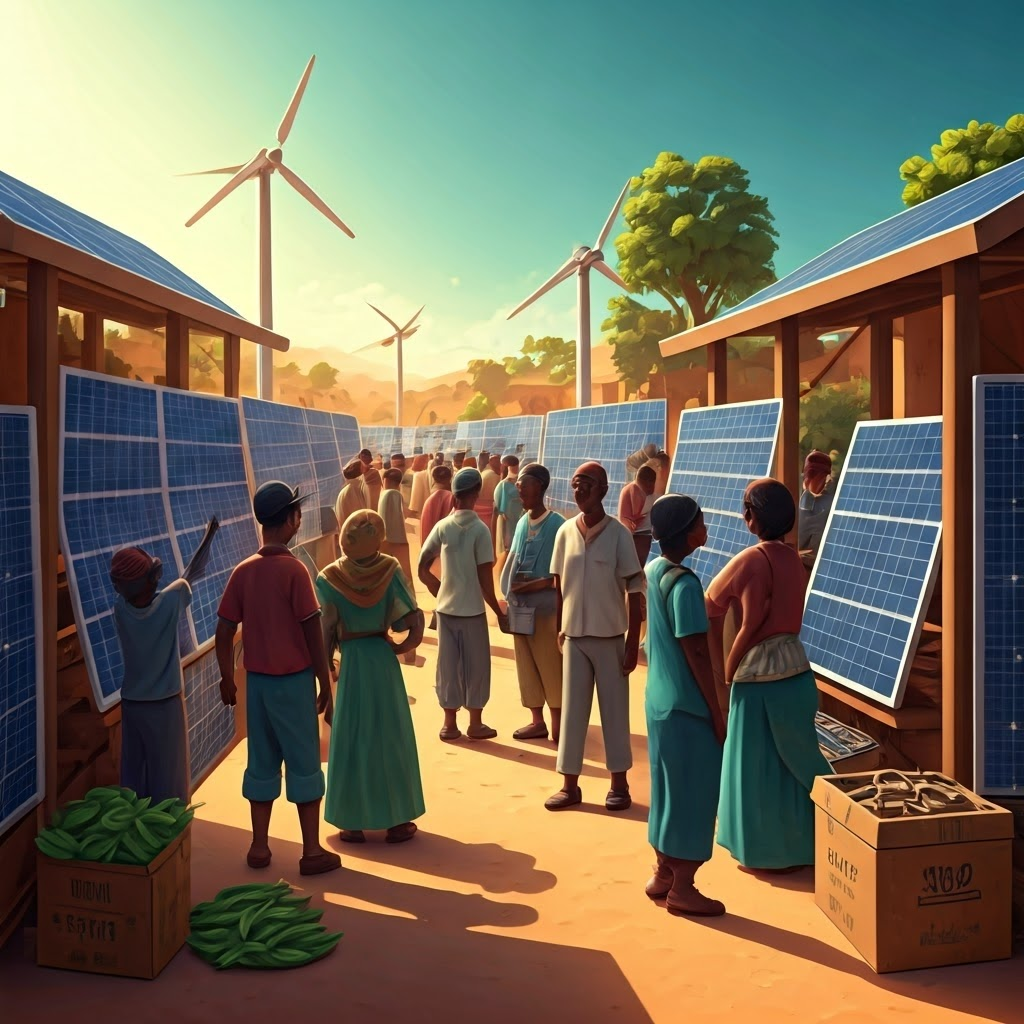
Cooperatives and Mini-Grids: Power by the People
Think of an energy cooperative as a farmer’s market for electricity. Neighbors pool cash, land, and skills. They set up solar arrays or turbines, share costs, and split the output. The community—not a distant boss—runs the show.
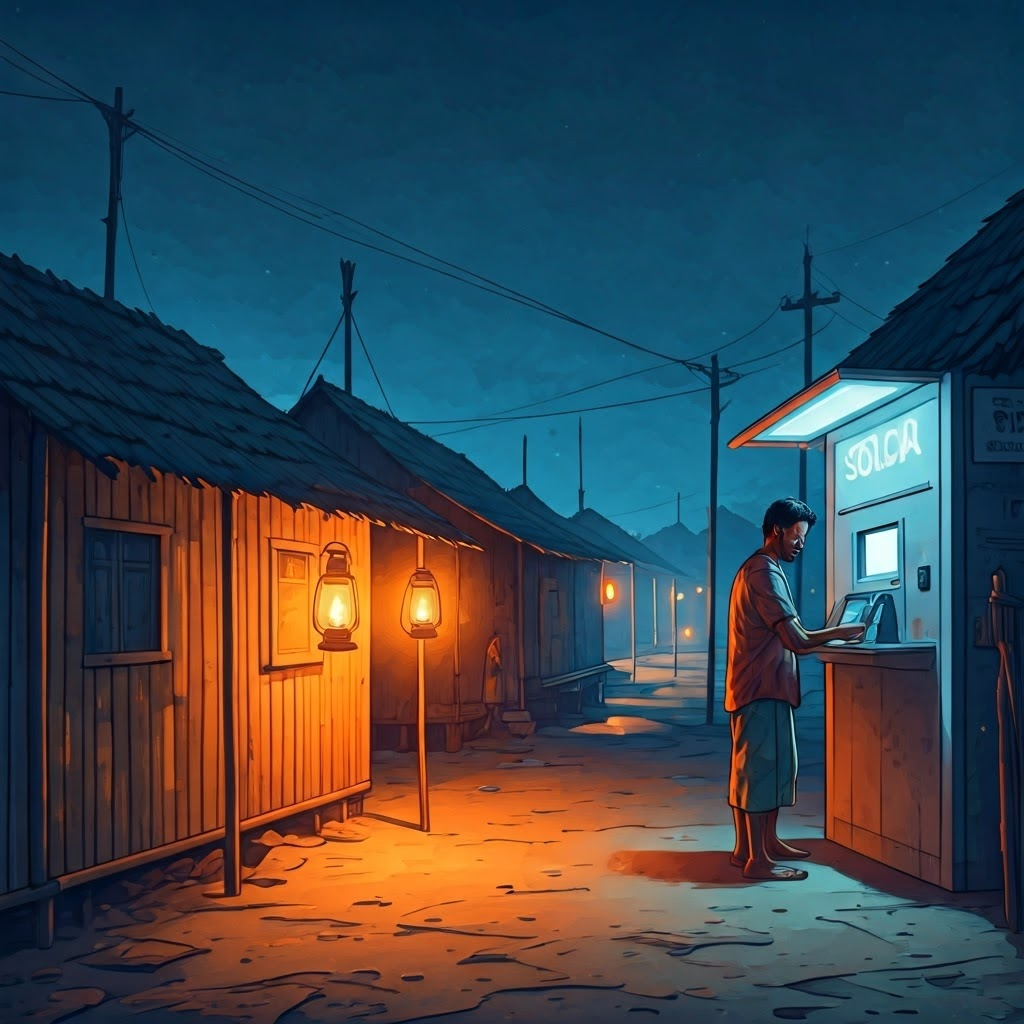
Mini-grids serve whole villages or blocks. In a Bangladeshi fishing town, solar panels replaced kerosene lamps that caused fires and smoke. Families now pay tiny fees for steady light and phone charging. Shops freeze fish and raise income. The system is built and owned locally.
By 2022 more than 19,000 mini-grids powered communities across Africa and Asia. They spread jobs, savings, and independence where they matter most. Many cooperatives welcome members for the cost of a couple of dinners. Where the main grid stops, a mini-grid can spark a brighter future.
Solar Home Systems: Lessons from Africa
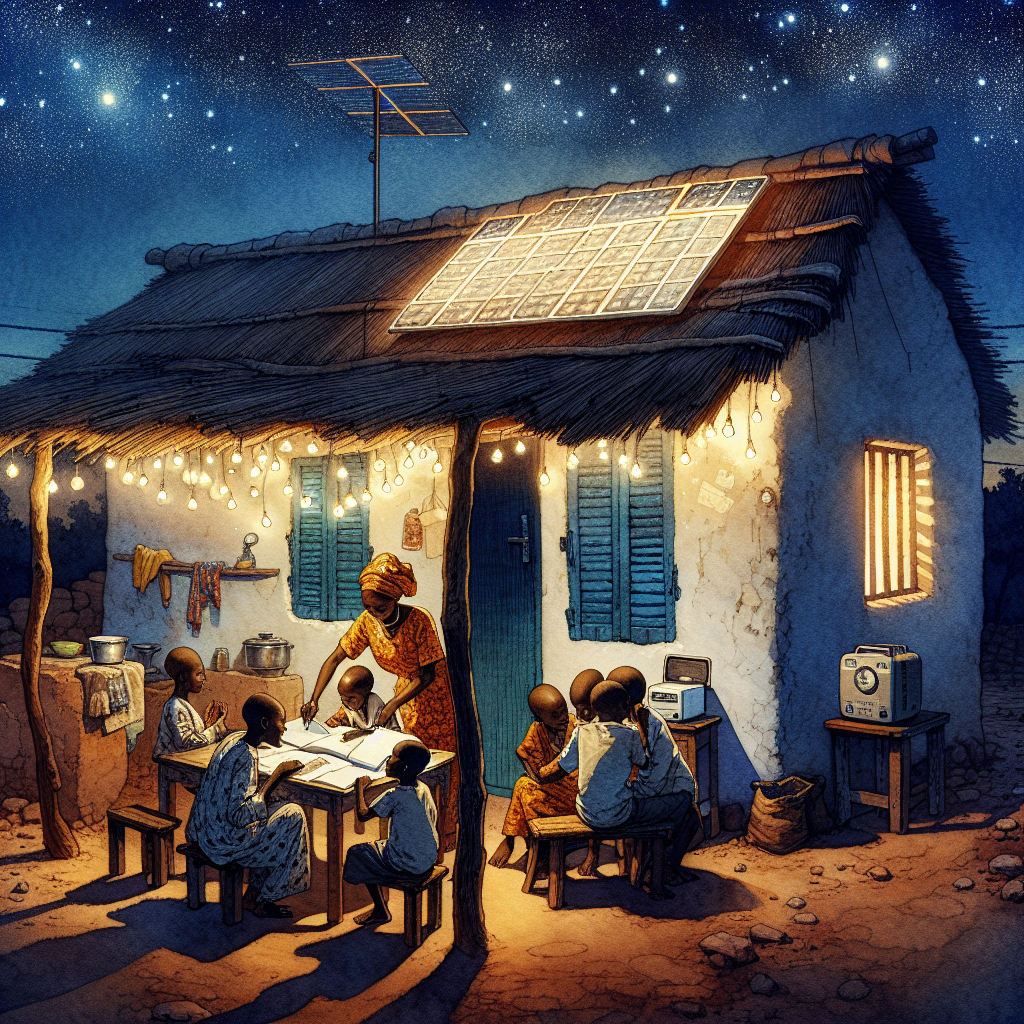
Zoom into one house in rural Senegal. For years the family ate under smoky lamps and charged phones at a neighbor’s generator. A pay-as-you-go solar kit arrived—panel, battery, LED bulbs. Nights lit up, the radio played, and children studied. Access changed daily life.
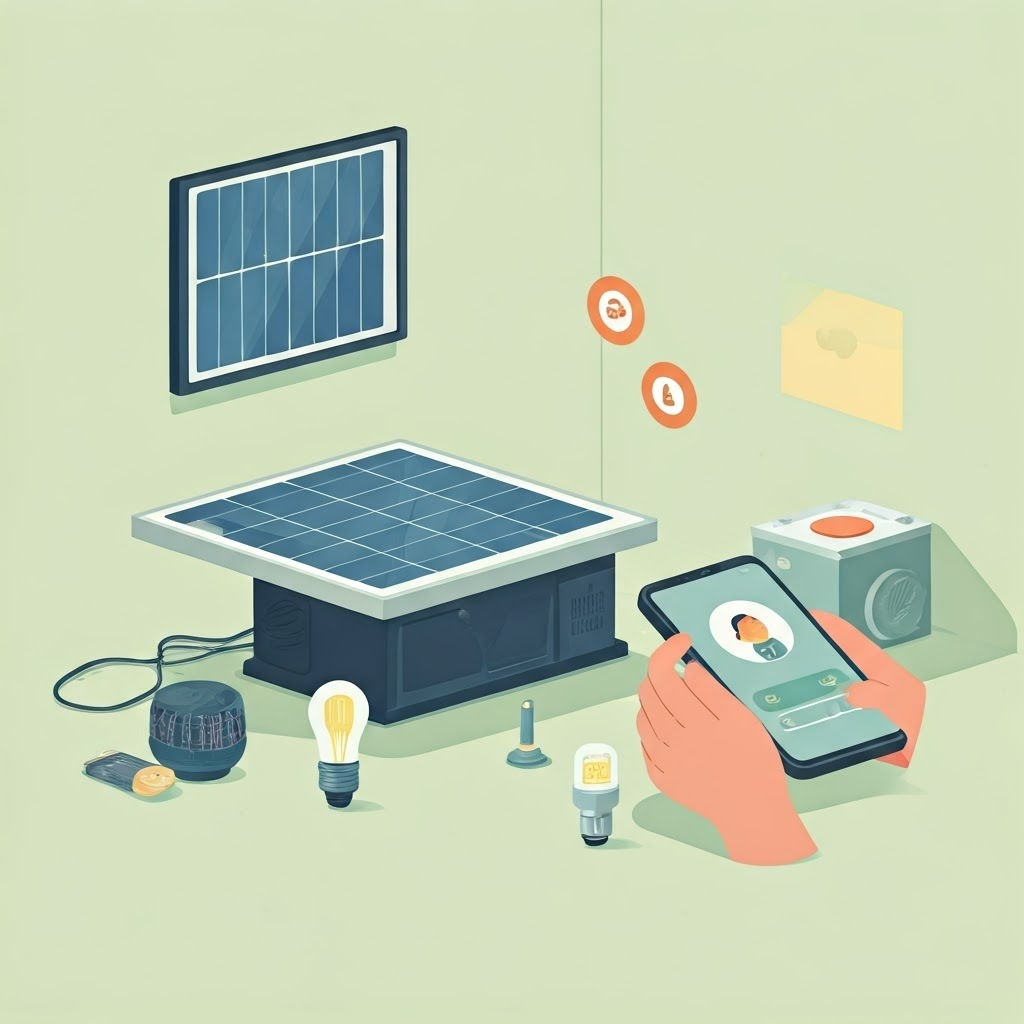
Solar home systems now serve millions across Africa. By 2022 over 100 million off-grid products were installed. Kits range from single-room lights to setups that run fridges or sewing machines. Families pay as little as fifty cents a day through mobile money. This model removes the upfront barrier.
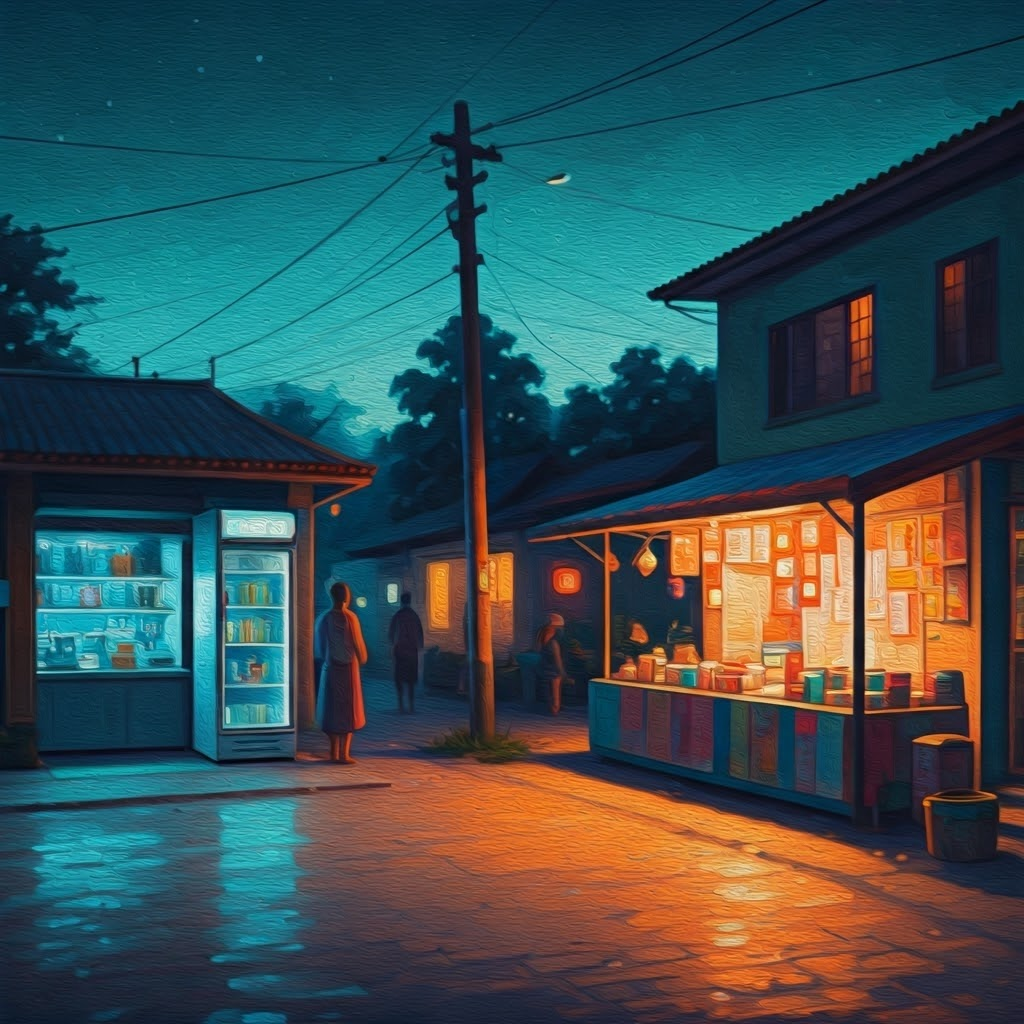
When many homes adopt solar, villages transform. Stalls stay open, clinics chill vaccines, and locals learn to maintain systems or start repair businesses. The lesson is simple: solutions work when they fit people’s needs and budgets—not just government plans.
A pattern emerges. Local energy brings local power—ownership, knowledge, and opportunity. Whether friends start a co-op, a village runs a mini-grid, or a family flips on a solar light, the electric bill changes and so does the community story. People stop waiting for rescue and begin shaping their own future.
That is how neighborhoods light themselves—sometimes with just a few panels and a leap of faith.
