
From Thrones to Ballots: How Women Entered the Game
Queens, Regents, and the Old Rules
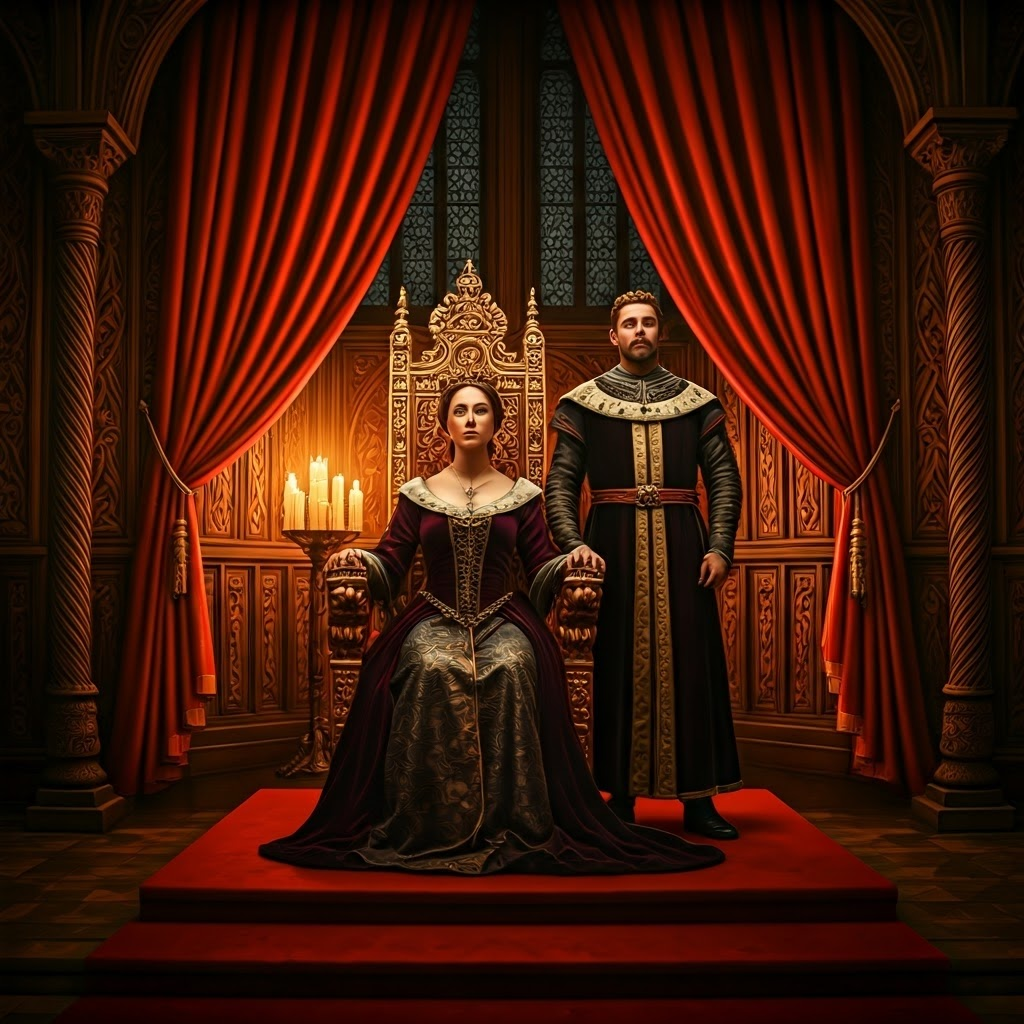
For most of history, women in power appeared as queens, regents, or hidden advisers. Authority moved through family lines, usually the male side. When a woman ruled, it often meant no adult man was available, or she guarded the throne for a boy king. Her power stayed tightly watched.
Queens, Regents, and the Old Rules
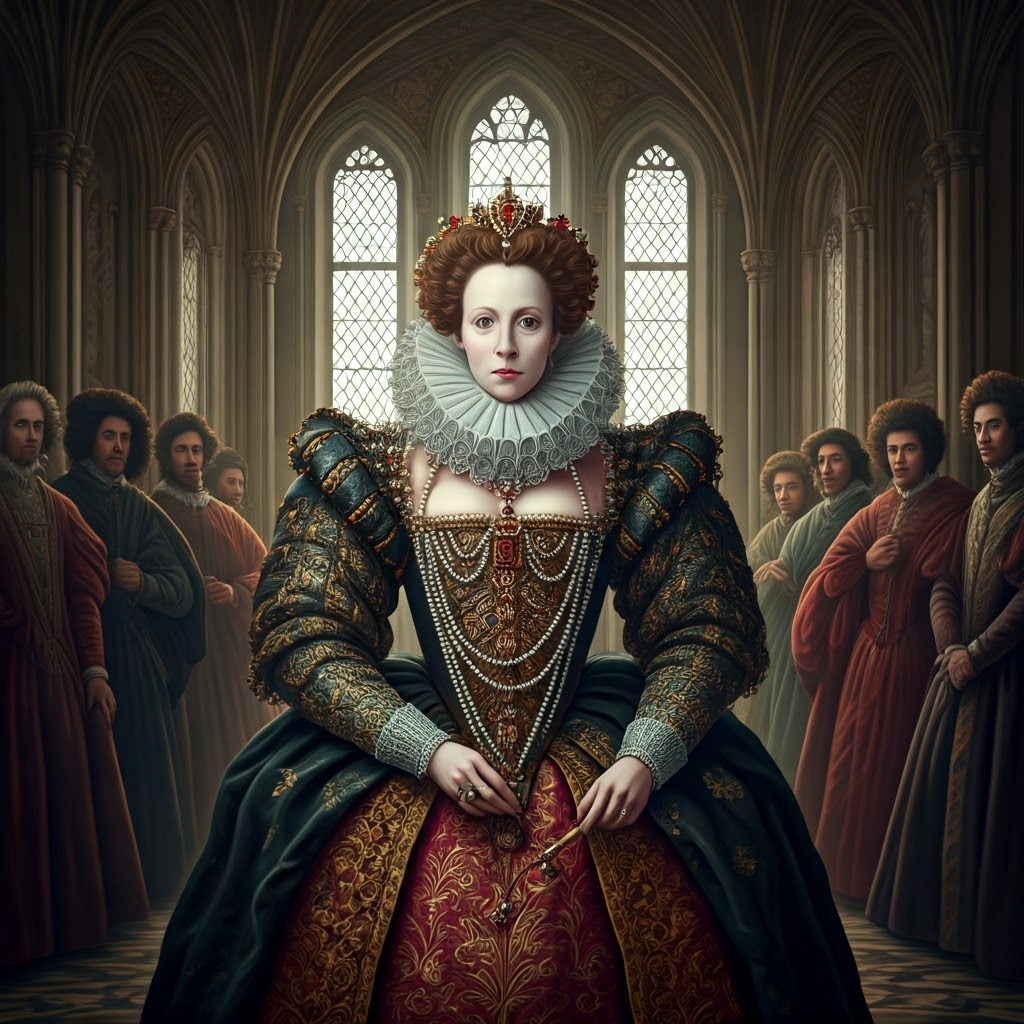
Queen Elizabeth I became England’s monarch as her father’s only surviving child. Men urged her to marry and share the crown, yet she stayed single and led on her own. In Russia, Catherine the Great—a German outsider—took bold steps to seize the throne. Tradition still framed their actions.
Queens, Regents, and the Old Rules
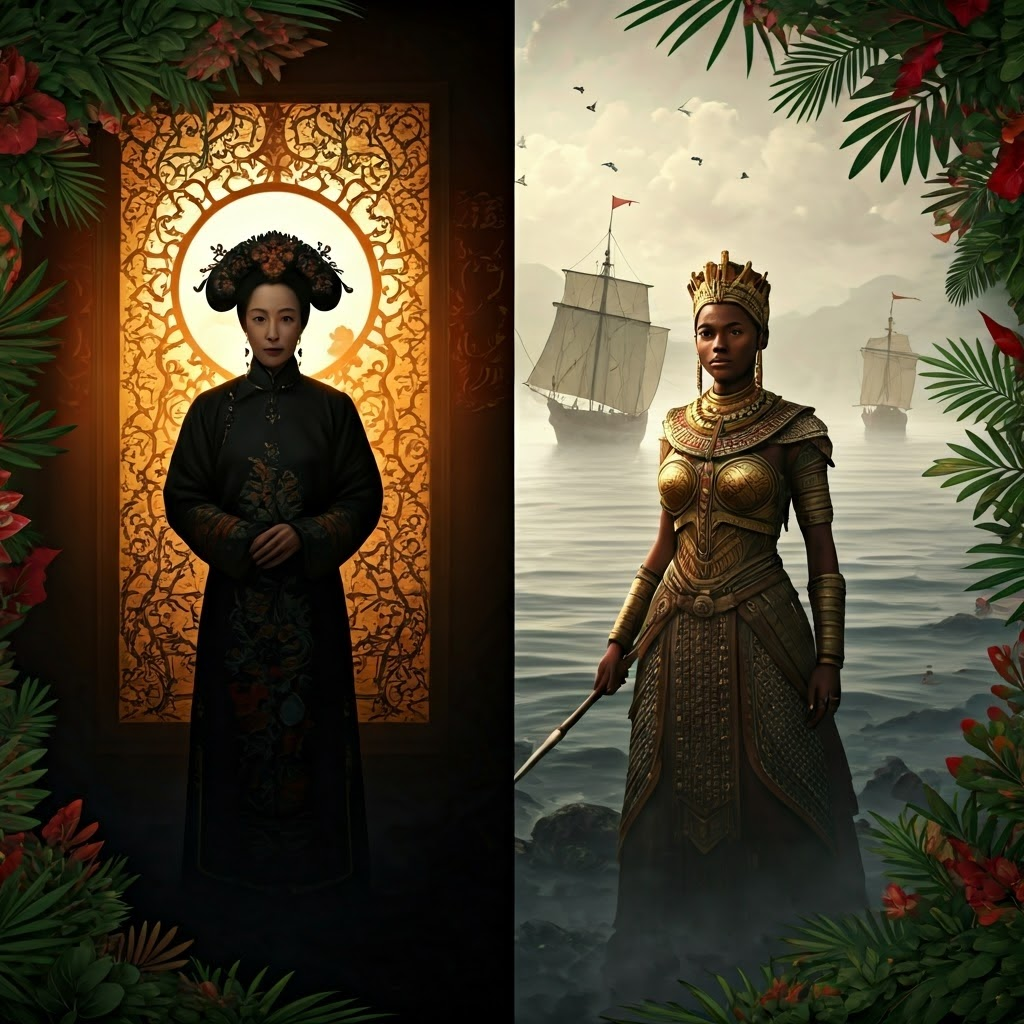
In China, Empress Dowager Cixi ruled from behind a screen, speaking through male courtiers. Observers called her a “dragon lady,” mixing awe with doubt. In Angola, Queen Nzinga fought Portuguese forces while balancing family ties. No matter the continent, bloodlines and marriage still framed women’s rule.
Votes, Voices, and the New Order
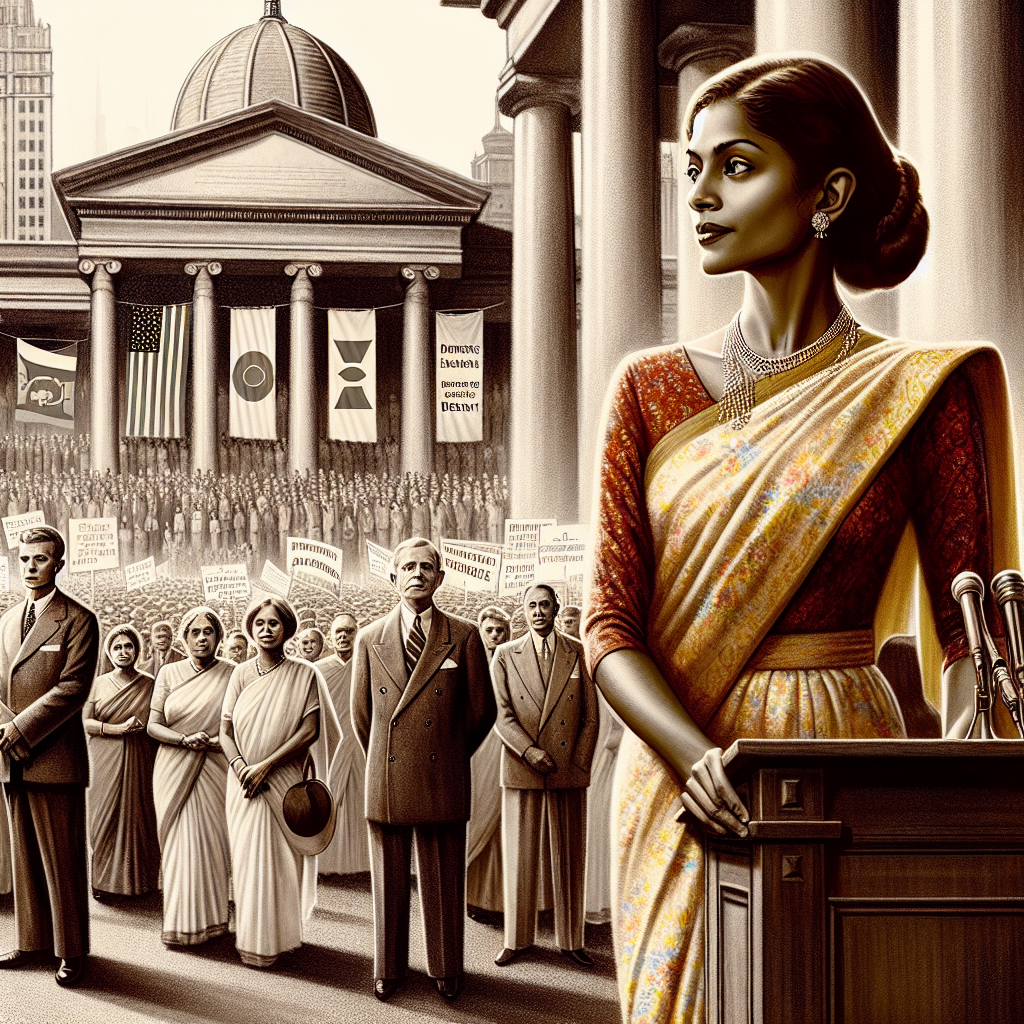
Democracy cracked the logic of inherited crowns. As voting spread, women first had to win the right to vote; only later could they stand for office. In 1960, Sirimavo Bandaranaike became Sri Lanka’s prime minister after her husband’s death. Soon, Indira Gandhi rose in India, mastering hard-nosed politics.
Votes, Voices, and the New Order
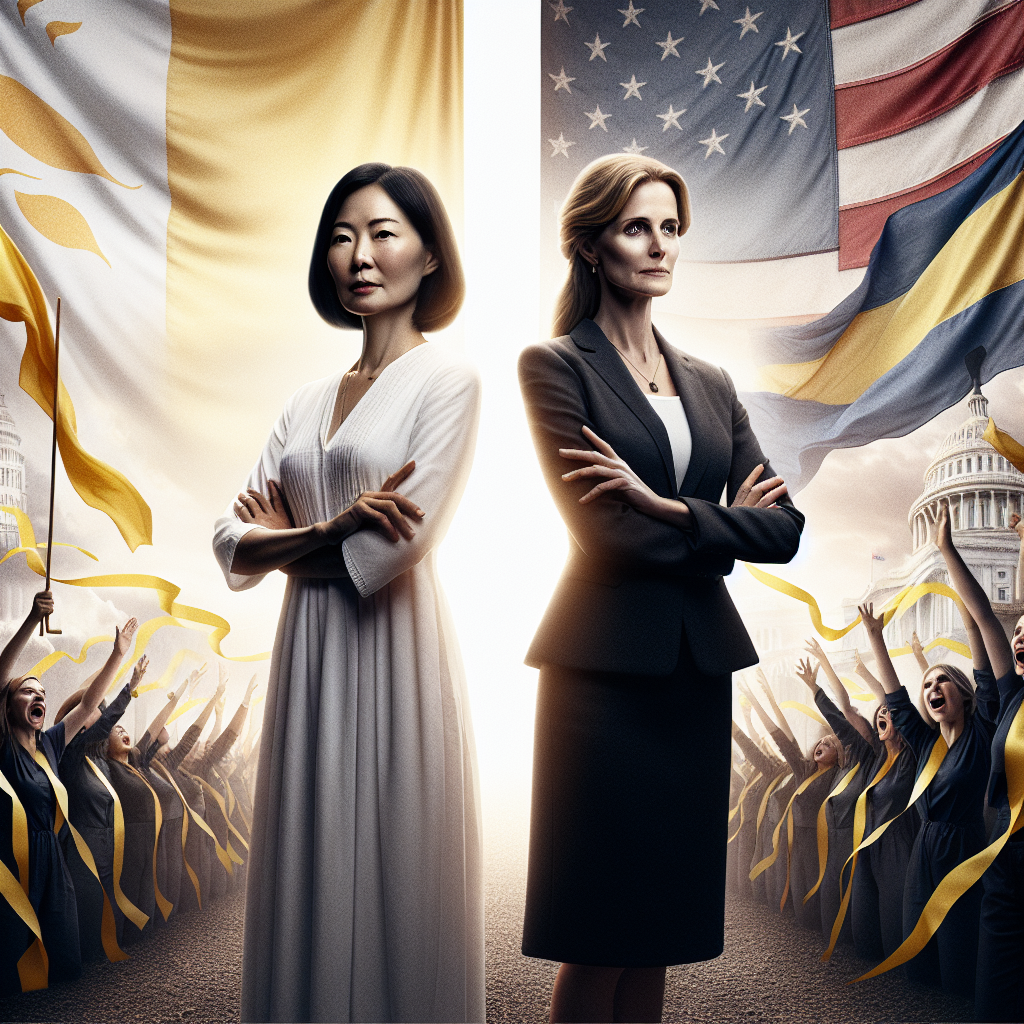
Corazon Aquino led the Philippines’ People Power movement after her husband’s assassination. Yellow ribbons signaled peaceful resolve. In Germany, Angela Merkel’s calm, scientific style showed that quiet strength can steer a nation. Even in elections, women faced extra scrutiny—on family, clothes, and tone—yet persuasion, votes, and trust now mattered.
Global Stages: The United Nations and Peacekeeping
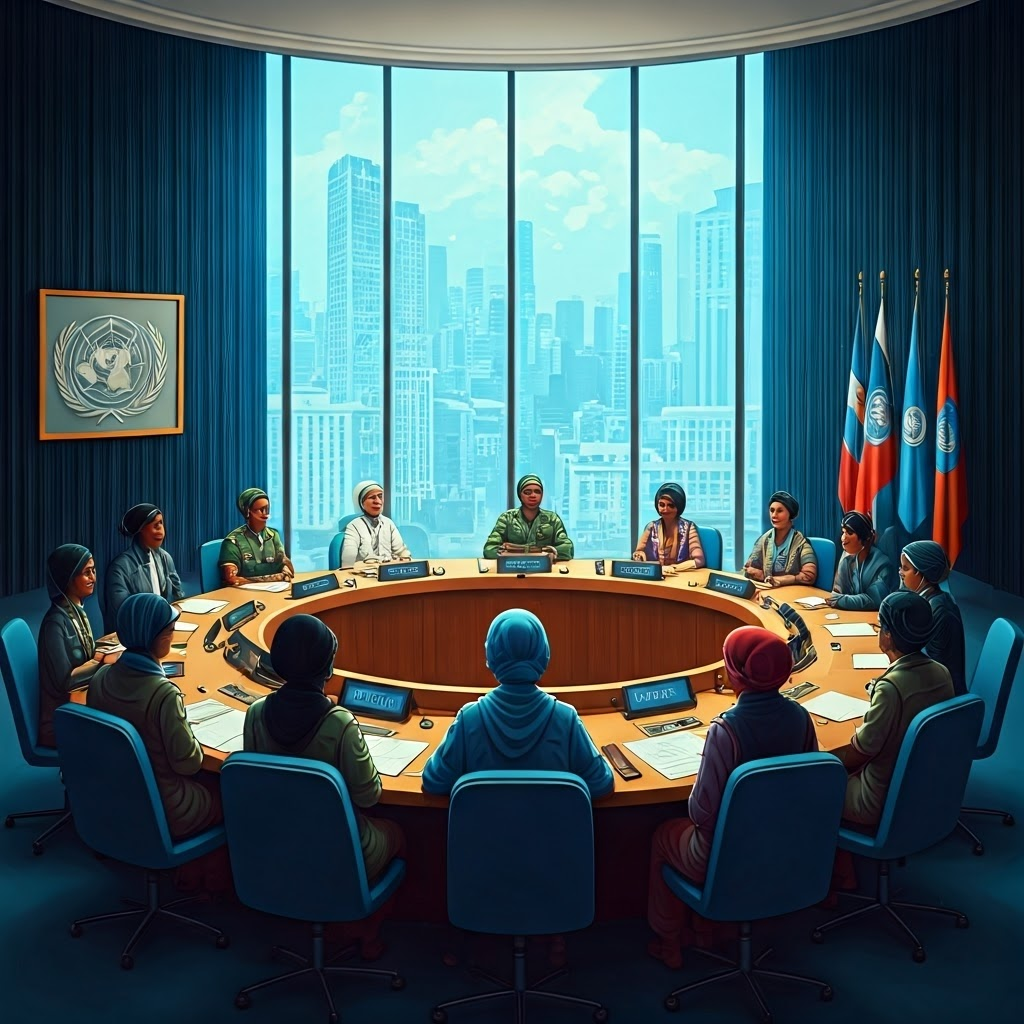
International bodies offered fresh arenas. The United Nations, founded in 1945, slowly opened to women’s influence. Resolution 1325 in 2000 declared that peace talks work better when women join them. The idea was simple: wider voices lead to sturdier, longer-lasting agreements.
Global Stages: The United Nations and Peacekeeping
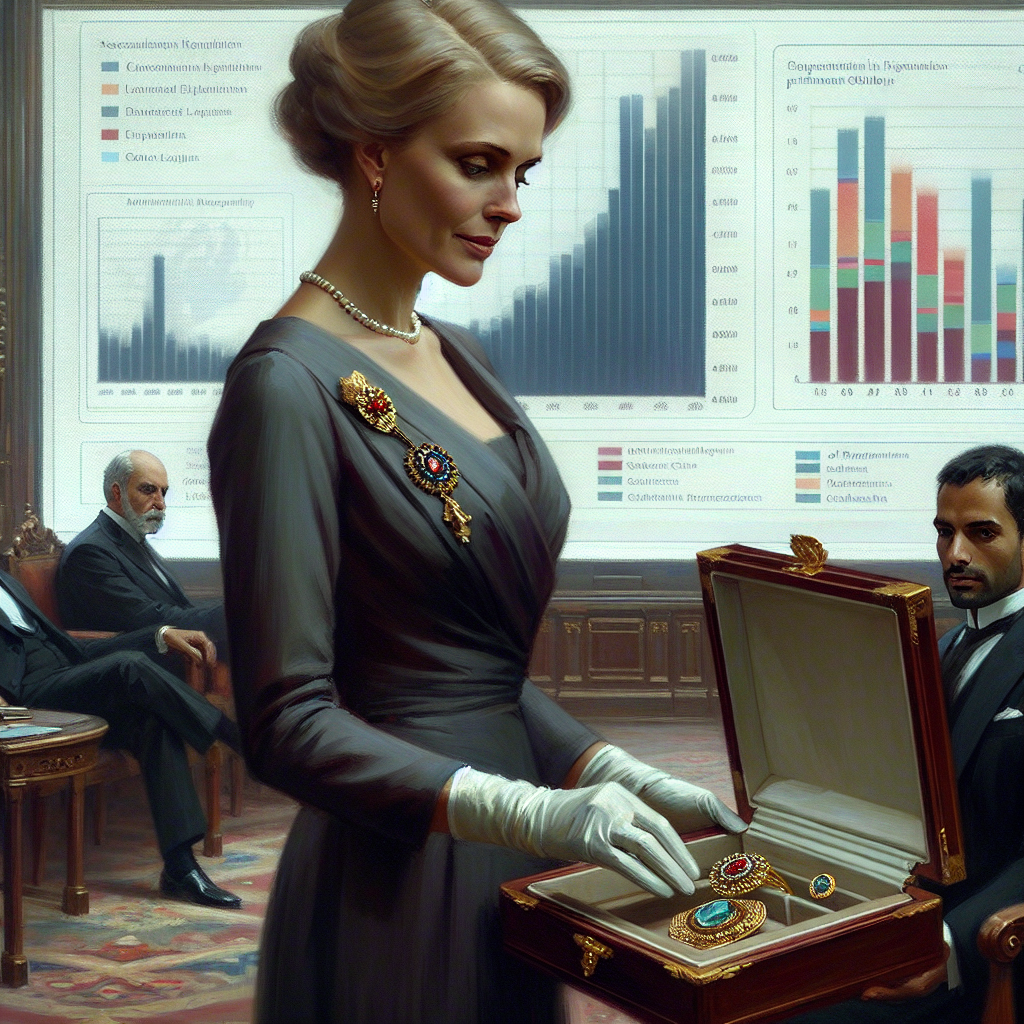
Diplomats like Madeleine Albright used subtle signals—her brooches—to guide tense talks. She showed that soft power can rival threats. Today, the UN tracks how many women sit in parliaments and cabinets. Including varied life experiences improves choices on war, poverty, and climate change.

Why It Matters How Women Enter Power
The path to power shapes what leaders can change. A throne traps you in tradition, while an election ties you to voters and prejudice. Work in global groups or grassroots efforts brings new skills and opens doors for others. Changing the rules changes the game.
Each shift—from dynastic rule to ballots, from lone queens to elected coalitions—normalizes women as decision-makers. It raises fresh questions about inclusion and leadership style. The journey continues, expanding what is possible for women and, ultimately, for everyone.
