
See Your Plate: The Visual Guide to Eating Well

Why Your Plate Matters
How you build your plate shapes your energy each day. A balanced plate keeps your mood steady and helps you feel full longer.
When meals are mostly refined carbs—like a huge bowl of white pasta—you often feel hungry again soon. That roller-coaster hunger can sap focus and spark irritability.
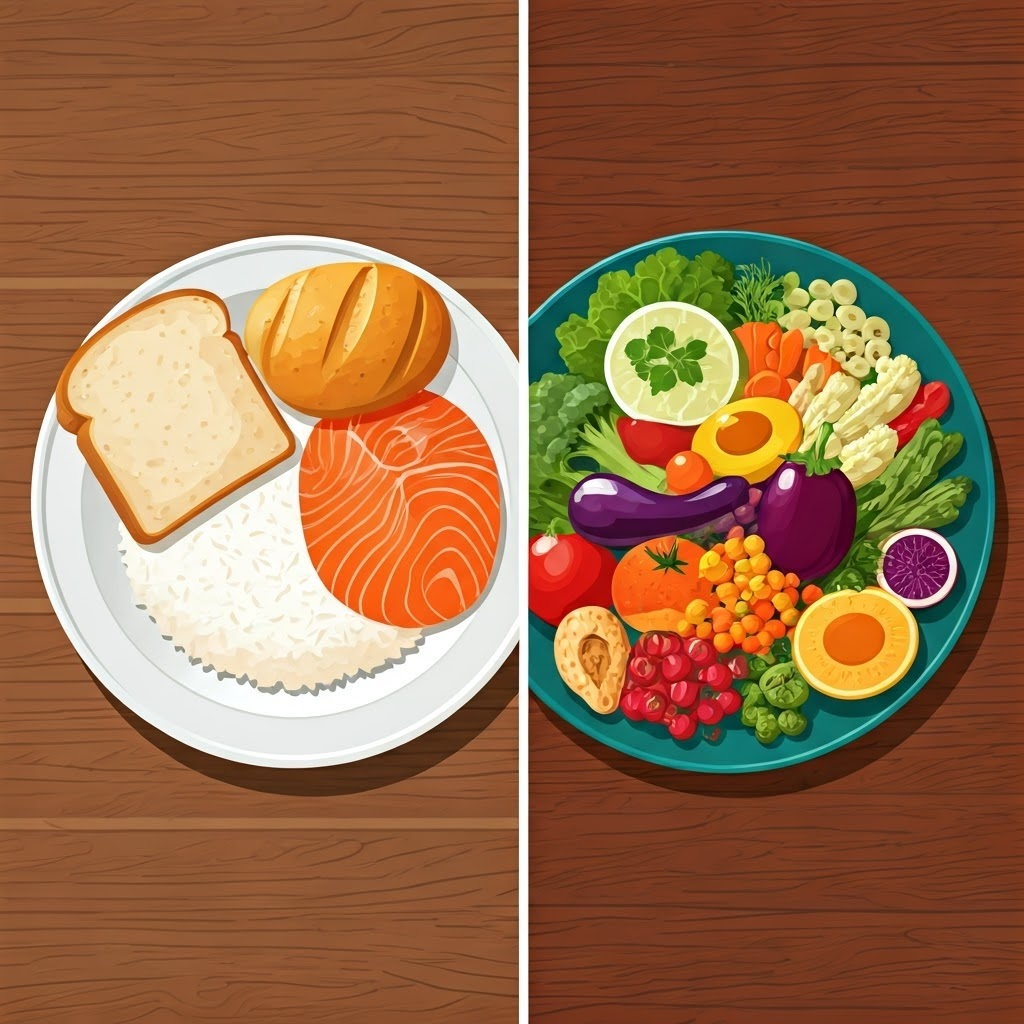
Missing color usually means missing key nutrients. Fiber, vitamins, and protein fuel muscles and guard immunity. Picture your plate differently and you start eating for real well-being.
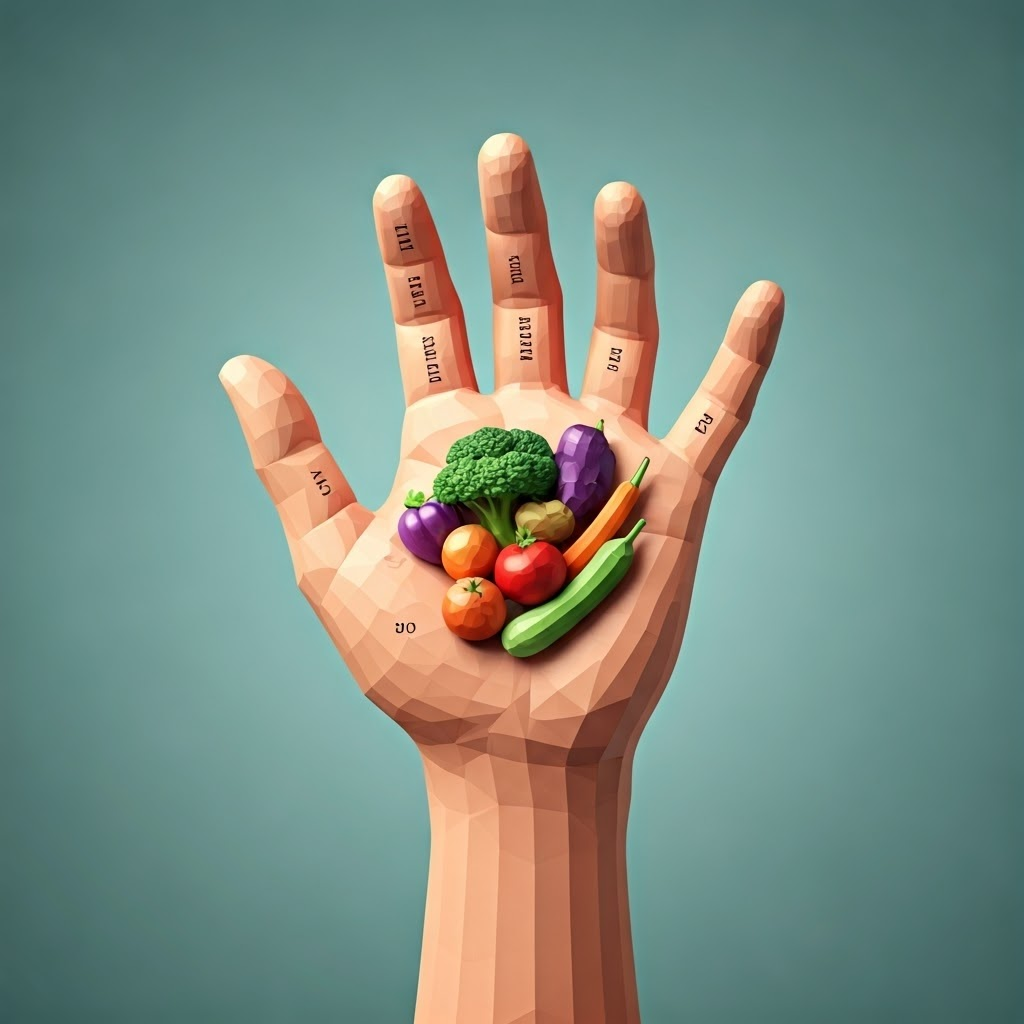
The Hand Method: Portioning Without Measuring
Your hand is a built-in measuring tool. A palm equals a protein serve. One cupped hand matches a carb serve. A fist equals non-starchy veggies. Your thumb is about a tablespoon of healthy fats.

Because hand size scales with body size, this guide adapts to you. At restaurants, a quick glance keeps portions sensible without fuss.
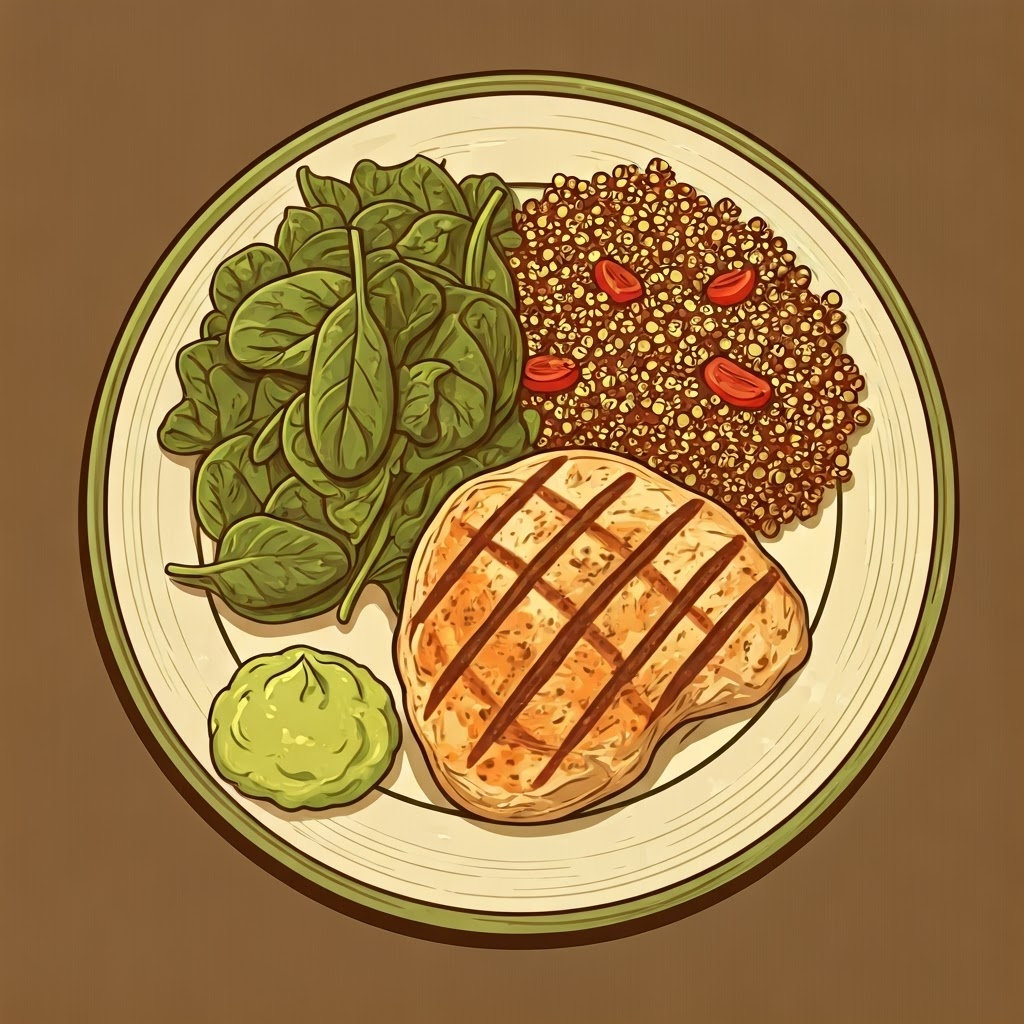
Example: Building a Meal With Your Hand
For lunch, use a palm of grilled chicken, a fist of greens, a cupped scoop of quinoa, and a thumb of avocado dressing. This works at home, buffets, or packed meals—no calculator needed.
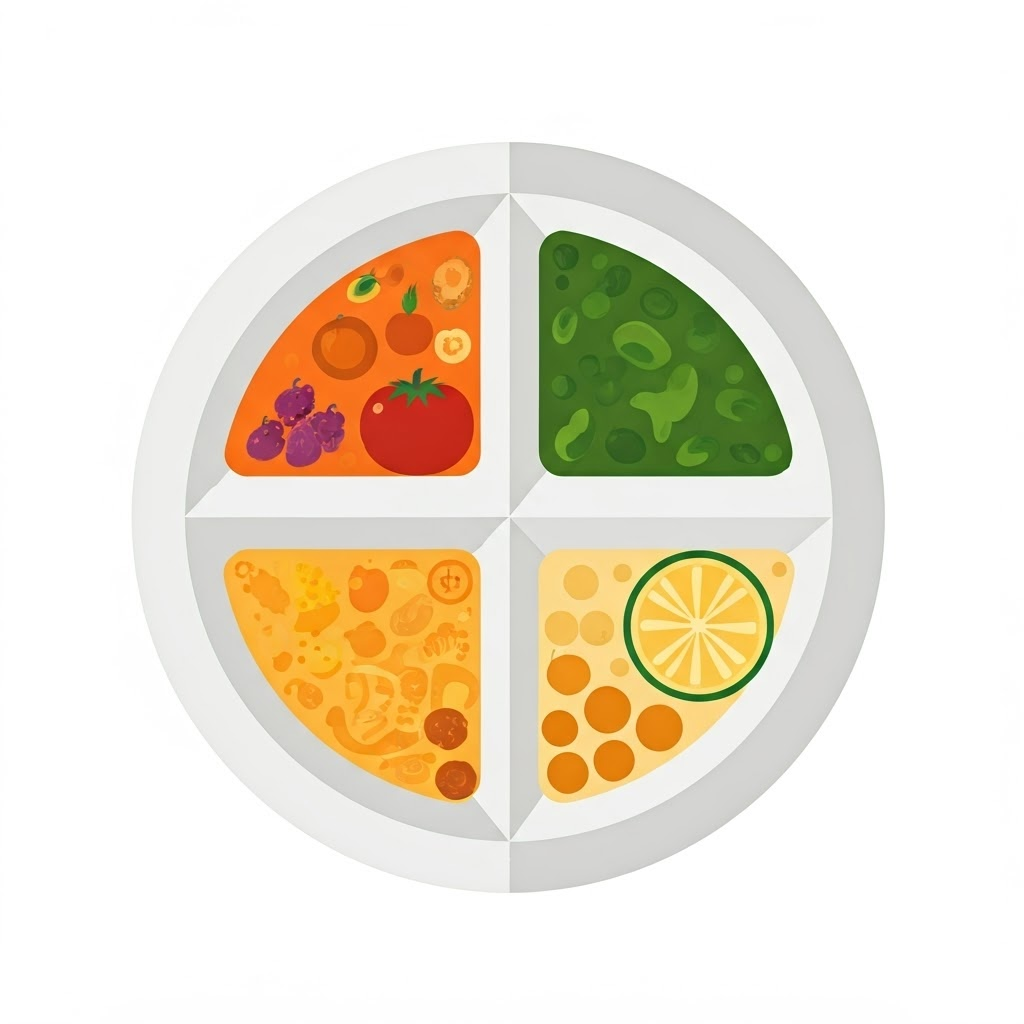
MyPlate: The Simple Visual Blueprint
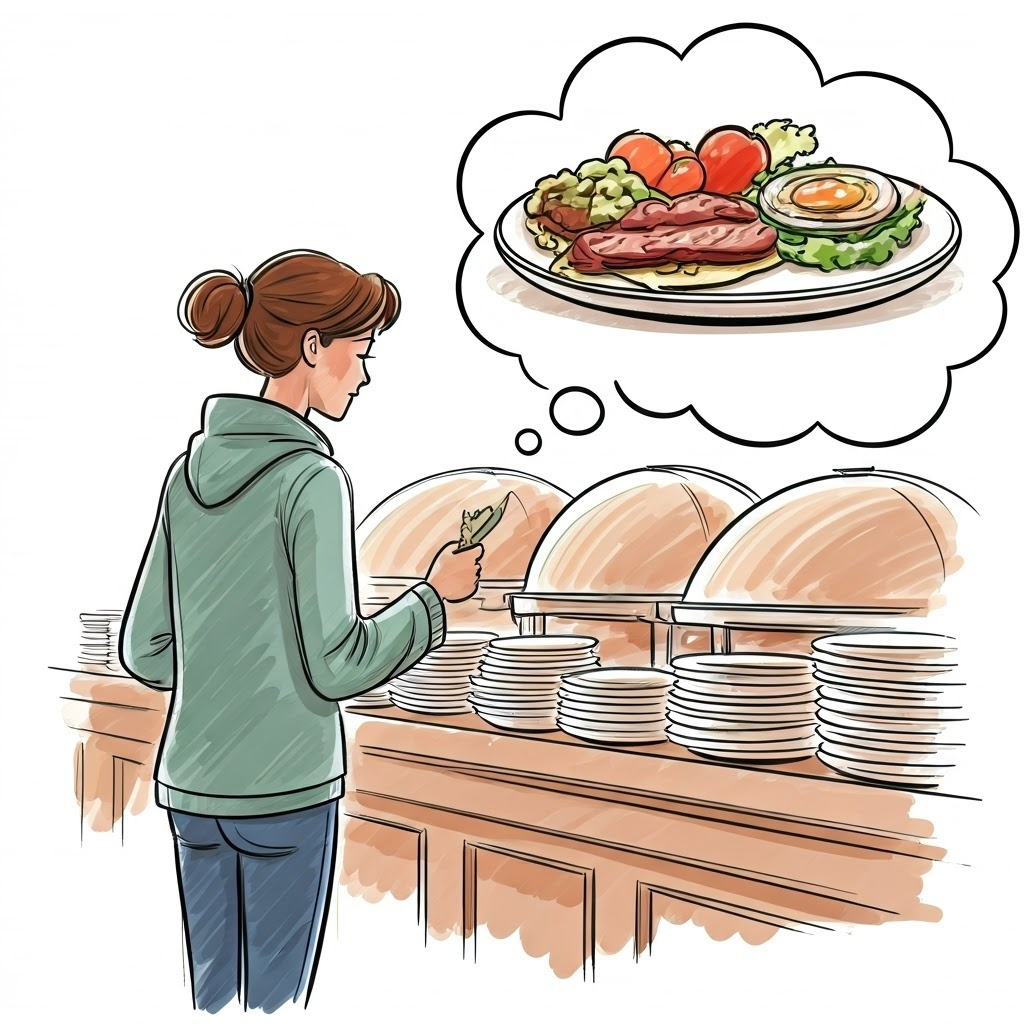
MyPlate turns the old pyramid into a clear dish. Fill half the plate with fruits and veggies, one-quarter with grains—choose whole grains when possible—and the last quarter with protein. Add a small dairy or alternative on the side.
When to Use Each Method
The hand method shines for on-the-go meals or mixed dishes. MyPlate helps plan grocery lists and balanced home cooking. Use either to spot gaps and add what’s missing.
Whole vs. Processed Grains: What’s the Difference?
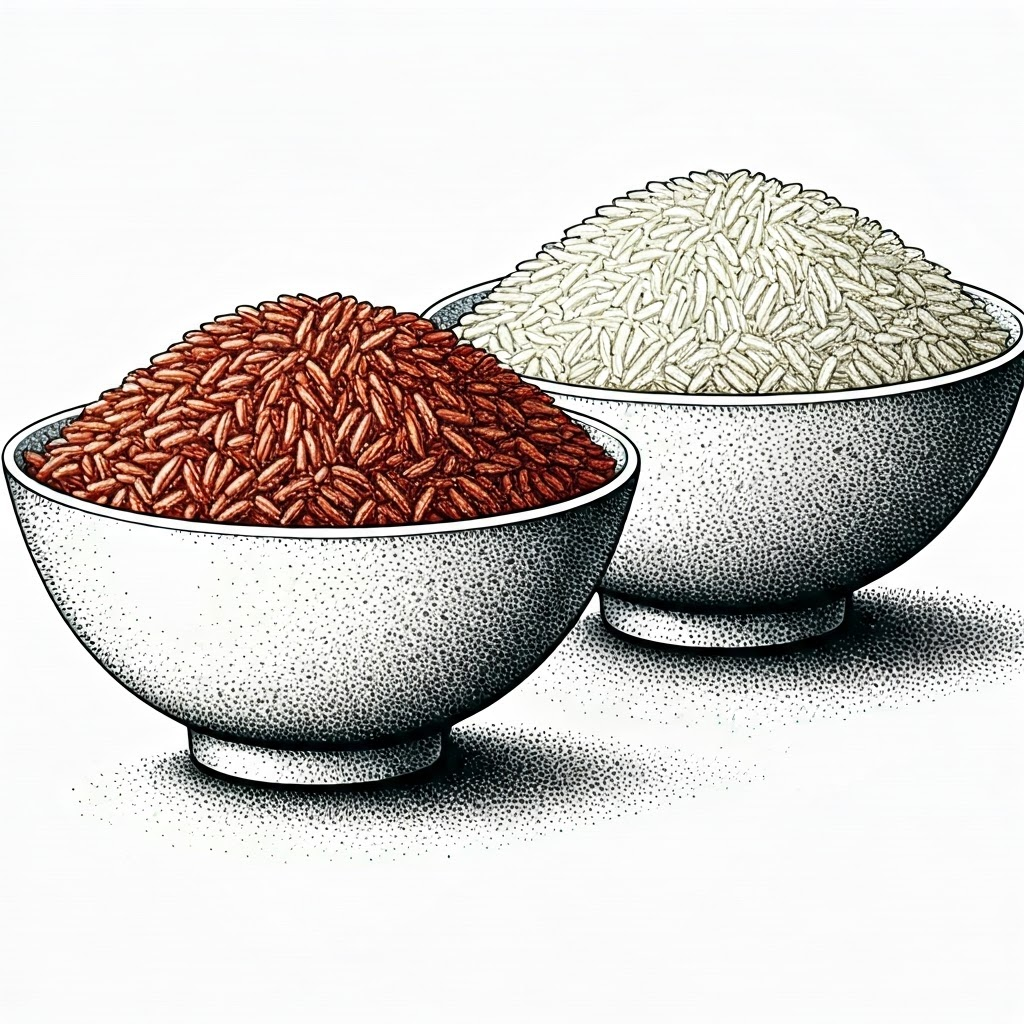
Whole grains retain bran, germ, and endosperm, so they keep fiber and nutrients. Processed grains lose those parts, stripping benefits. Brown rice and whole-wheat bread keep you full longer and cut chronic-disease risk.
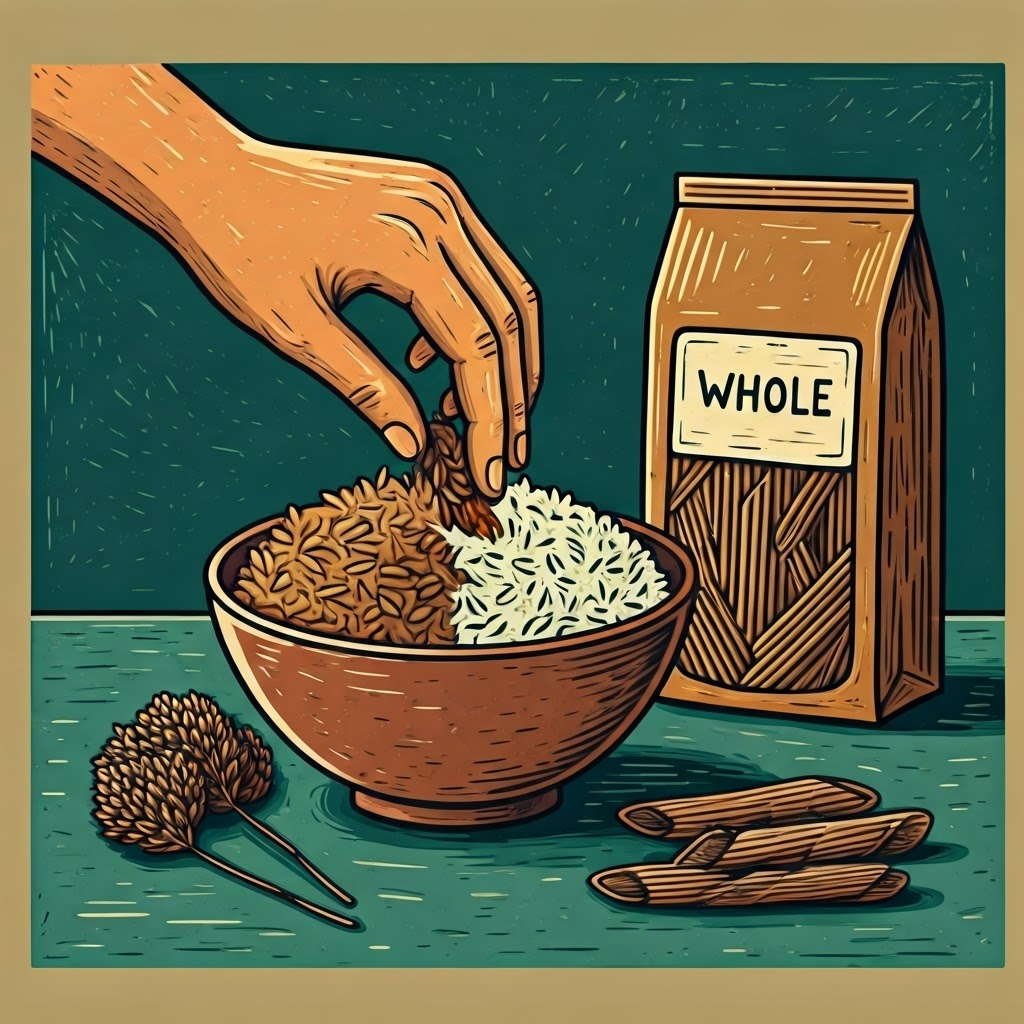
Start small: mix brown and white rice or swap in whole-grain pasta once a week. Look for “whole” as the first ingredient to stay on track.
The Rainbow Rule: Eat More Color
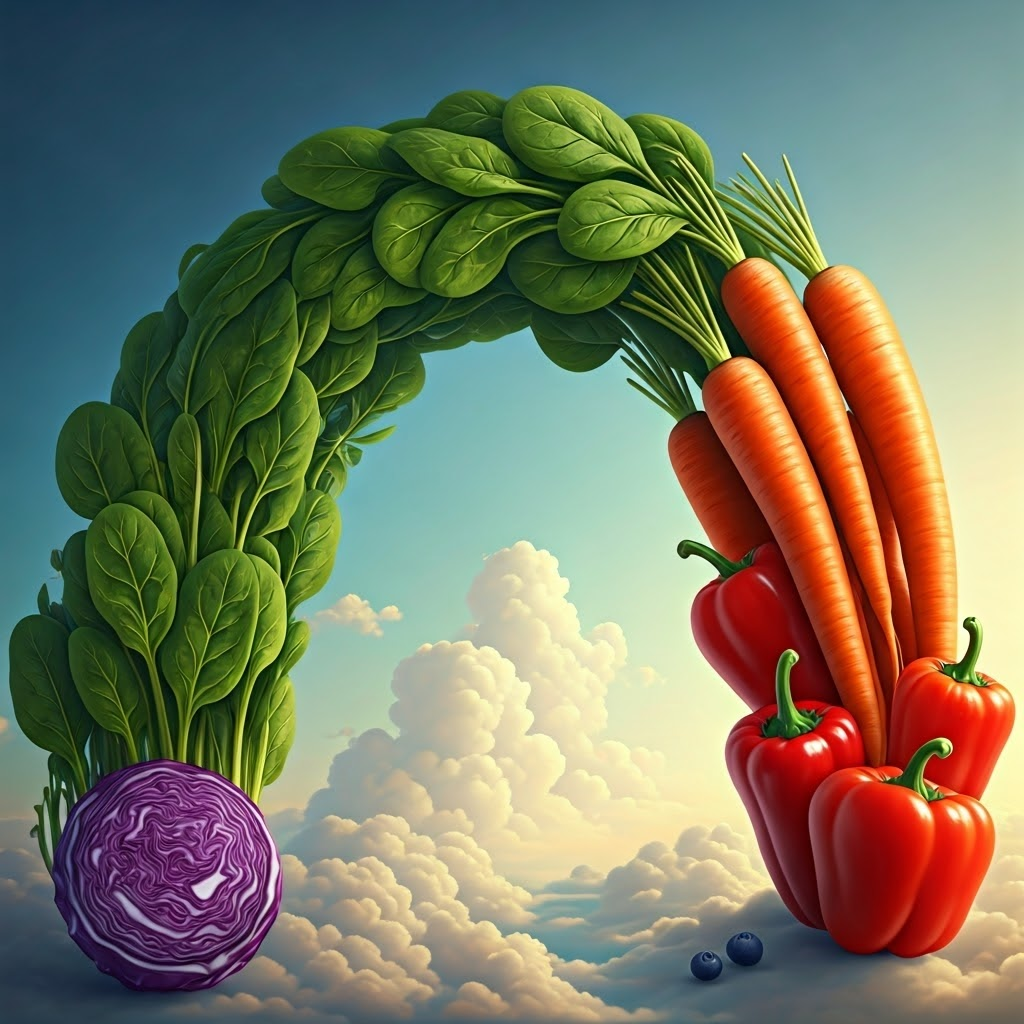
Aim for three different produce colors per meal. Each hue brings unique phytonutrients—greens add folate, reds supply lycopene, oranges offer beta-carotene. More colors mean broader protection for heart, brain, and skin.
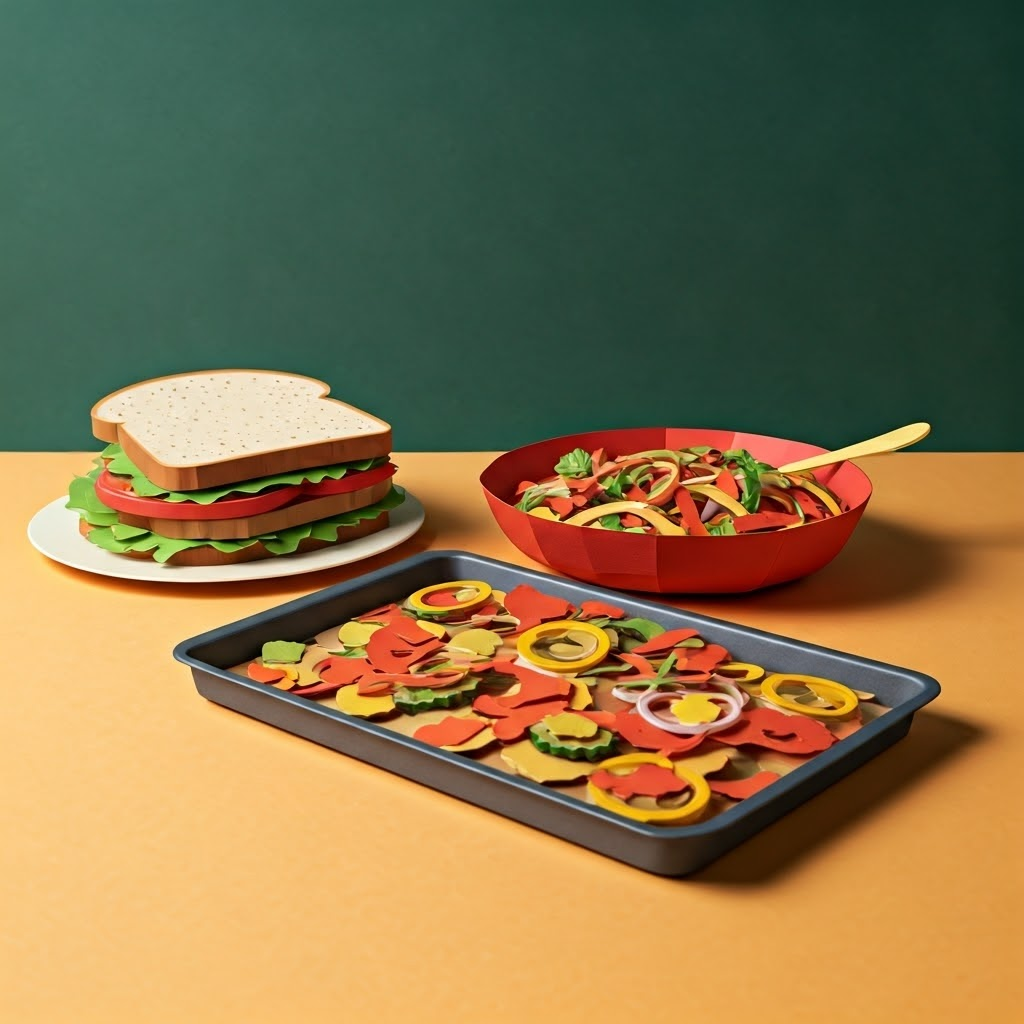
Easy Ways to Boost Color
Add tomato to a sandwich, toss greens into a stir-fry, or scatter peppers over sheet-pan meals. Even one extra shade livens flavor and nutrition.

You don’t need to be a chef to balance meals. Use your hand, picture MyPlate, choose whole grains often, and chase color. These simple habits turn everyday eating into lasting health.
