
Batteries: More Than Just AA’s
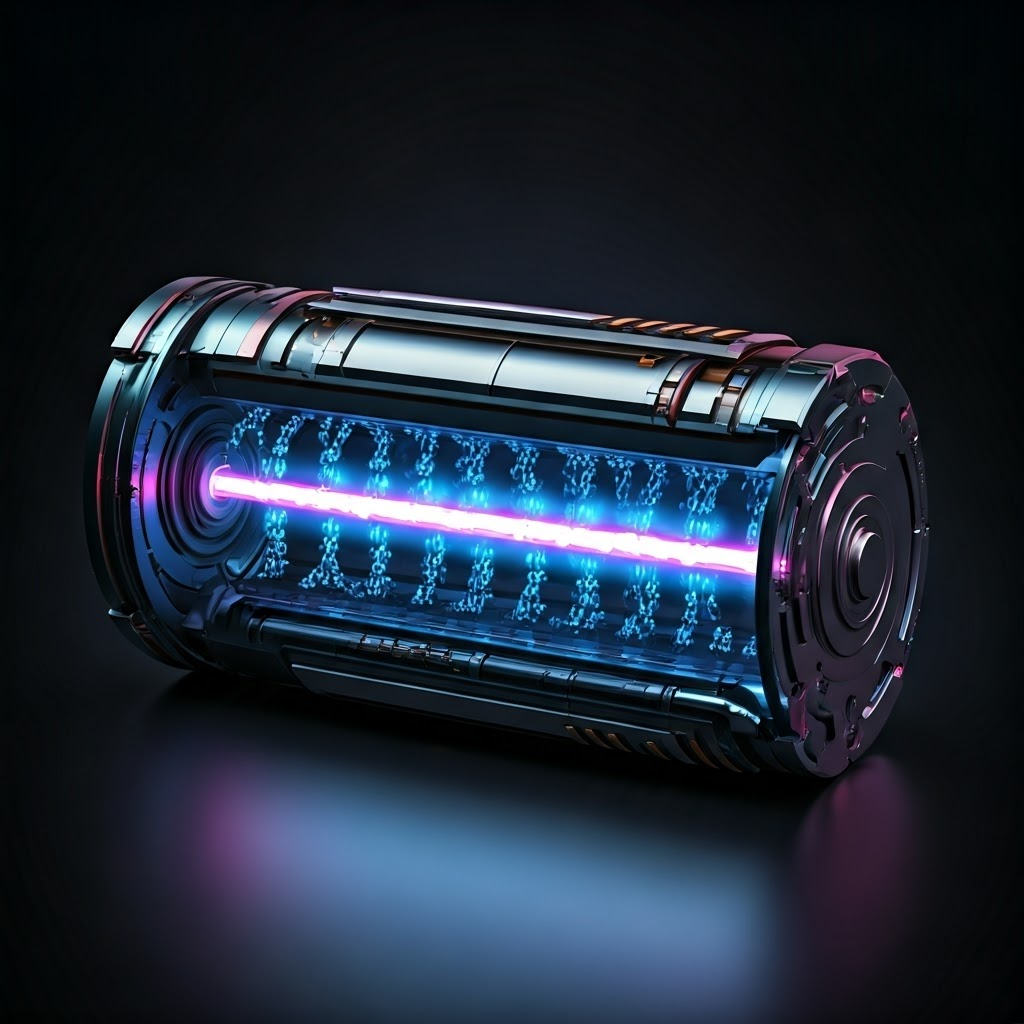
How Batteries Store Power
Batteries look like sealed boxes, yet a simple chemical reaction inside moves electrons from one side to the other, creating electricity.
Picture two buckets linked by a wire. One bucket holds extra electrons. Connect the wire to a flashlight, and the electrons rush through it, lighting the bulb as they seek balance.
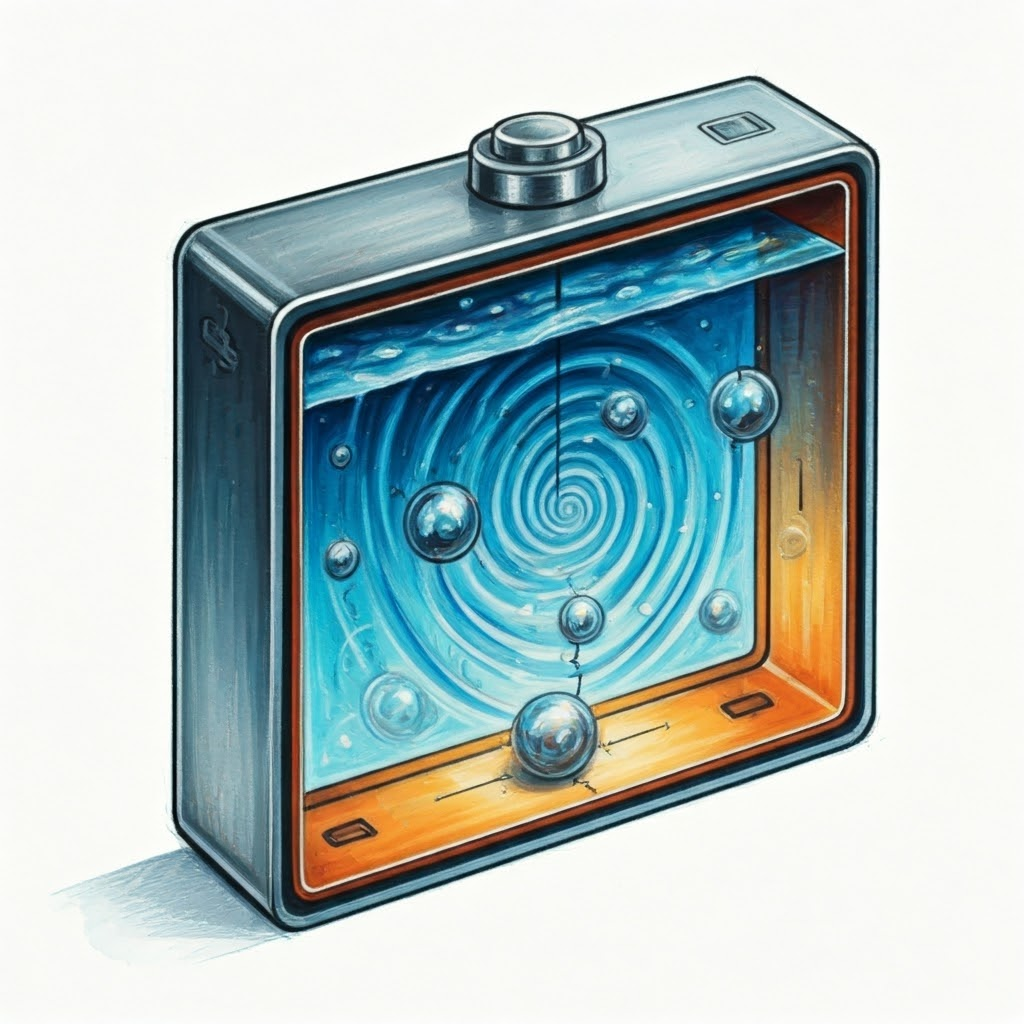
Inside, the anode sends out electrons, while the cathode welcomes them back. An electrolyte lets ions move between the two, but it blocks electrons, keeping the current in the wire.
During use, chemical energy turns into electrical energy. To recharge, an external charger pushes electrons and ions back to their starting spots.
Lithium-Ion, Sodium-Ion, and Flow: What’s Inside?
Lithium-ion batteries dominate phones and cars. They move lithium ions between a graphite anode and a mixed-metal cathode, packing high energy into a light, compact frame.

Their strengths are light weight, fast charging, and proven performance. Weak points include costly metals, mining impacts, and fire risks if damaged or overcharged.
Sodium-ion batteries swap lithium for abundant sodium. They weigh more and store less energy by weight, yet they cost less and avoid scarce materials.
Flow batteries store energy in large external tanks. Liquid electrolytes—often vanadium in water—flow through a cell to charge or discharge. Their big win is an almost endless lifespan, though they remain bulky and pricey.
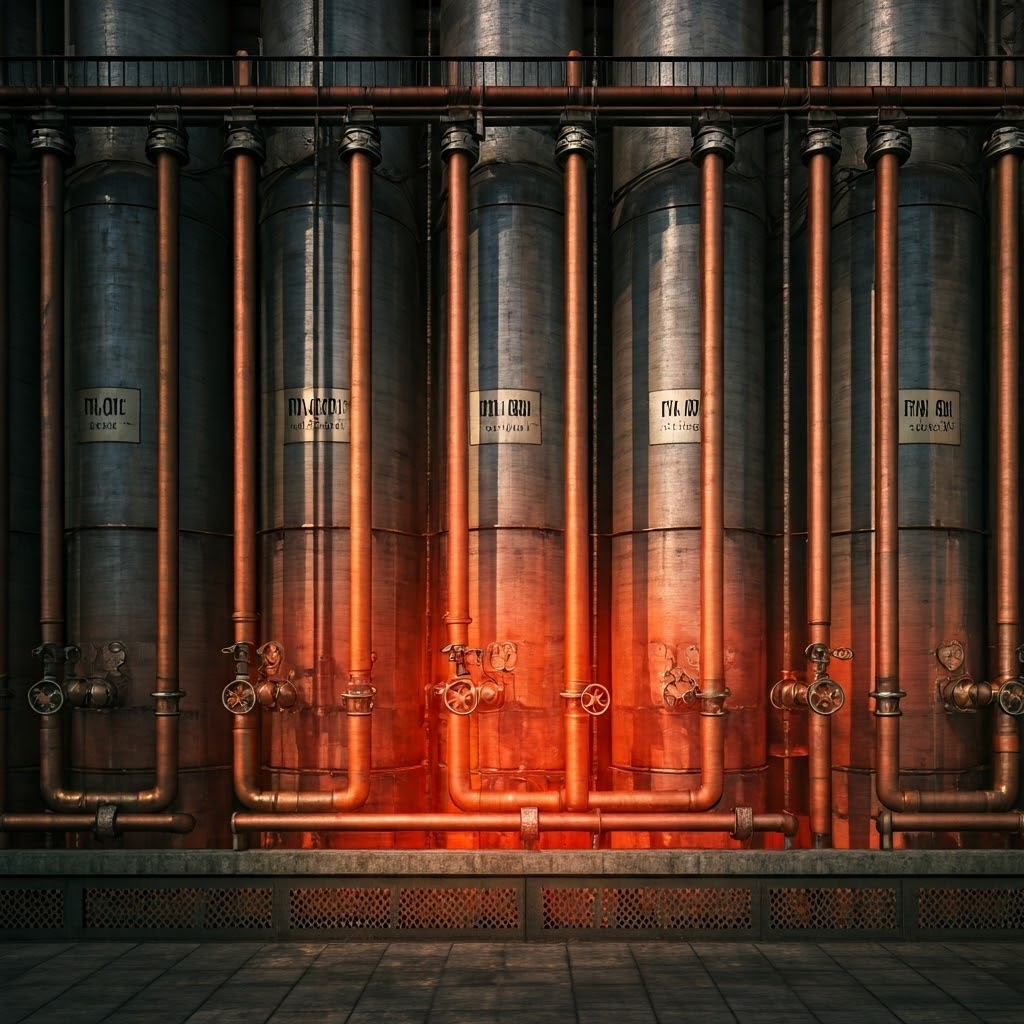
Compare them this way: lithium-ion equals a sports car, sodium-ion an economical sedan, and flow batteries a city bus—each suits a different job.

Edison’s Nickel-Iron Cell: The Comeback Kid?
In 1901 Thomas Edison patented a nickel-iron battery using iron and nickel electrodes with a potassium hydroxide electrolyte.
He touted its toughness; early ads showed it frozen, dropped, and still working. The design lasts decades and tolerates deep discharges but once charged slowly and self-discharged quickly.

Modern tweaks cut those drawbacks. For remote microgrids or backup systems where weight and speed matter less, its near-permanent life shines.
Counting the Costs: Money, Lifetimes, and Safety
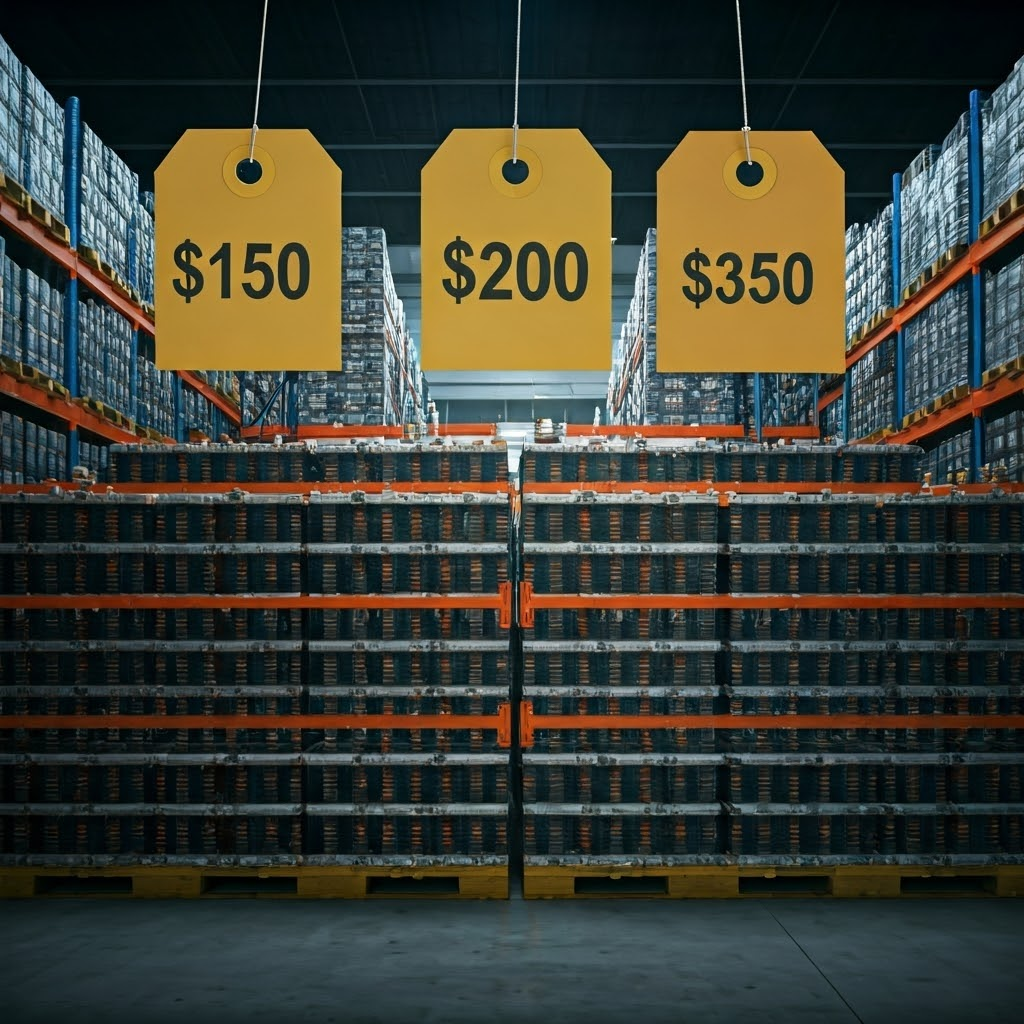
Analysts like Lazard track battery prices. Grid-scale lithium-ion systems often cost $150–$200 per kilowatt-hour installed.
Sodium-ion can fall below $150 thanks to cheap materials. Flow batteries hover at $250–$350, yet their long service life can lower lifetime cost for large projects.

A lithium-ion pack survives 2,000–5,000 cycles. Flow and nickel-iron cells sail past 10,000. Lithium-ion needs tight controls to stay safe, while water-based or chemically stable batteries pose fewer fire risks.
If you need dense power fast, choose lithium-ion. For decades of safe storage in a larger space, flow or nickel-iron may win, despite higher upfront cost.
Recycling and Resource Limits: The Battery Afterlife
When a battery fades, its metals still hold value. Today under 10 % of lithium-ion packs are recycled, but new rules and business models aim to boost that rate.
Recycling shreds packs, then separates and refines cobalt, nickel, and copper for reuse. The process is energy-intensive yet improving.
Sodium-ion cells should be simpler to recycle due to common materials. Flow battery electrolytes can be cleaned and reused. Nickel-iron batteries dismantle easily, and their metals recycle with little fuss.

Resource limits loom. Lithium reserves cluster in a few regions, and most cobalt comes from areas with poor mining practices. Closing the loop—designing batteries for easy recycling and using abundant materials—will create a sustainable future for energy storage.
