
Unlocking the Secret Language of pH
What Is pH, Really?
pH is a simple scale that quietly guides your kitchen. It measures how acidic or basic an item is, on a scale from 0 to 14, with 7 neutral. Acids hold extra hydrogen ions () while bases carry hydroxide ions (); these unseen players steer reactions in every dish.
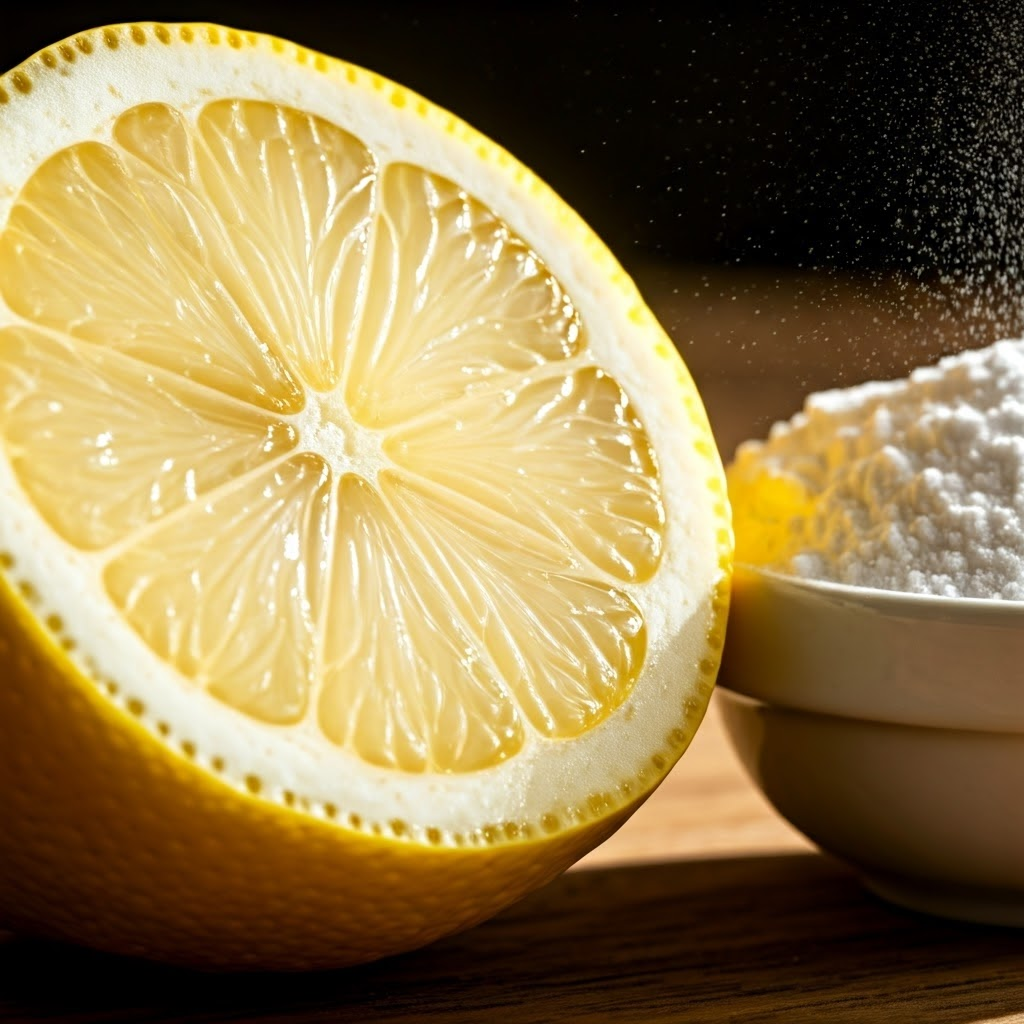
A lemon sits at pH 2—thousands of times more acidic than tap water. Dissolve baking soda and the mix reaches about pH 9.5, clearly basic. Even tiny shifts can shape flavor and texture. Squeeze a bit more lemon on fish and the taste brightens along with the color.
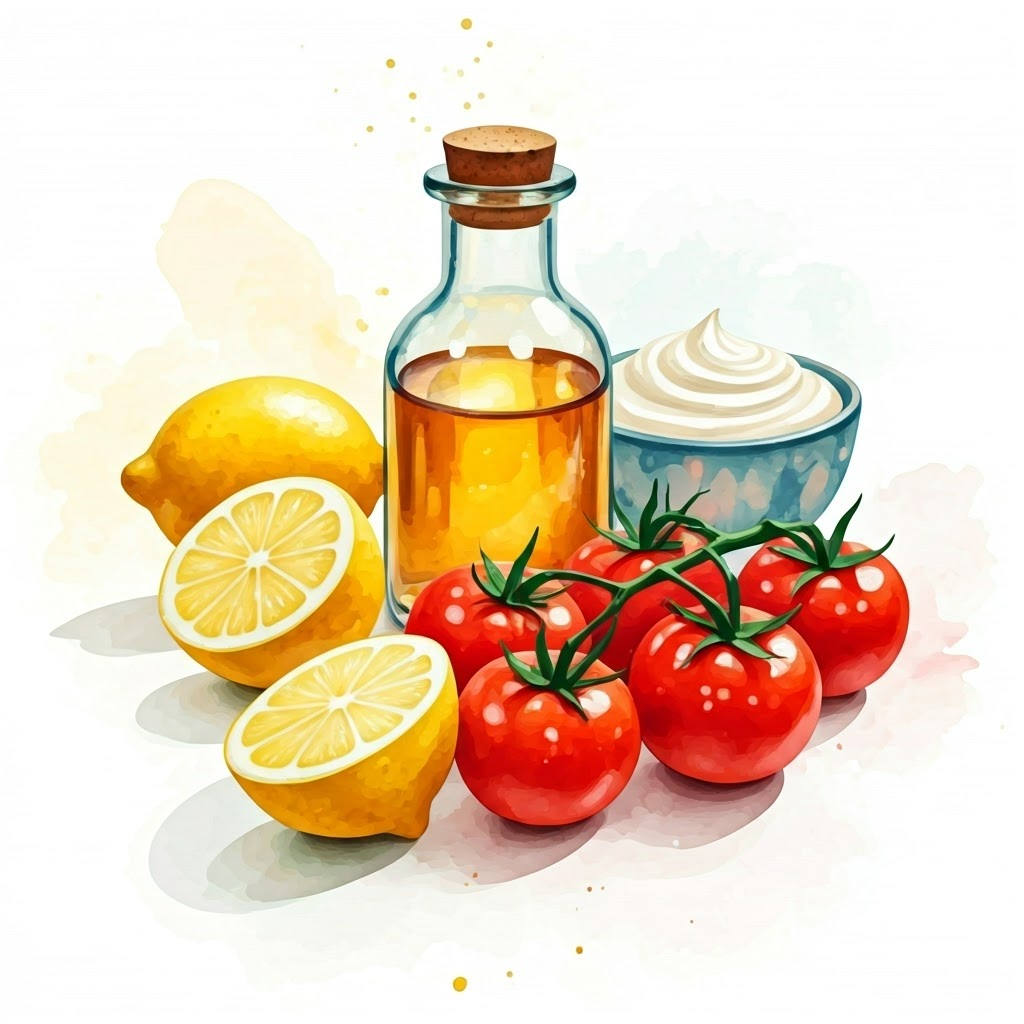
Acids and Bases: The Kitchen Cast
Acids hide in everyday staples—lemon juice, vinegar, yogurt, buttermilk, tomatoes—bringing a lively tang. Each acid tastes different; lemon hits sharp, yogurt feels gentle.
Bases are quieter yet crucial. Baking soda leads the pack, while egg whites sit mildly basic at pH 8–9. In the right dose, bases help foods brown, skins soften, and batters rise.
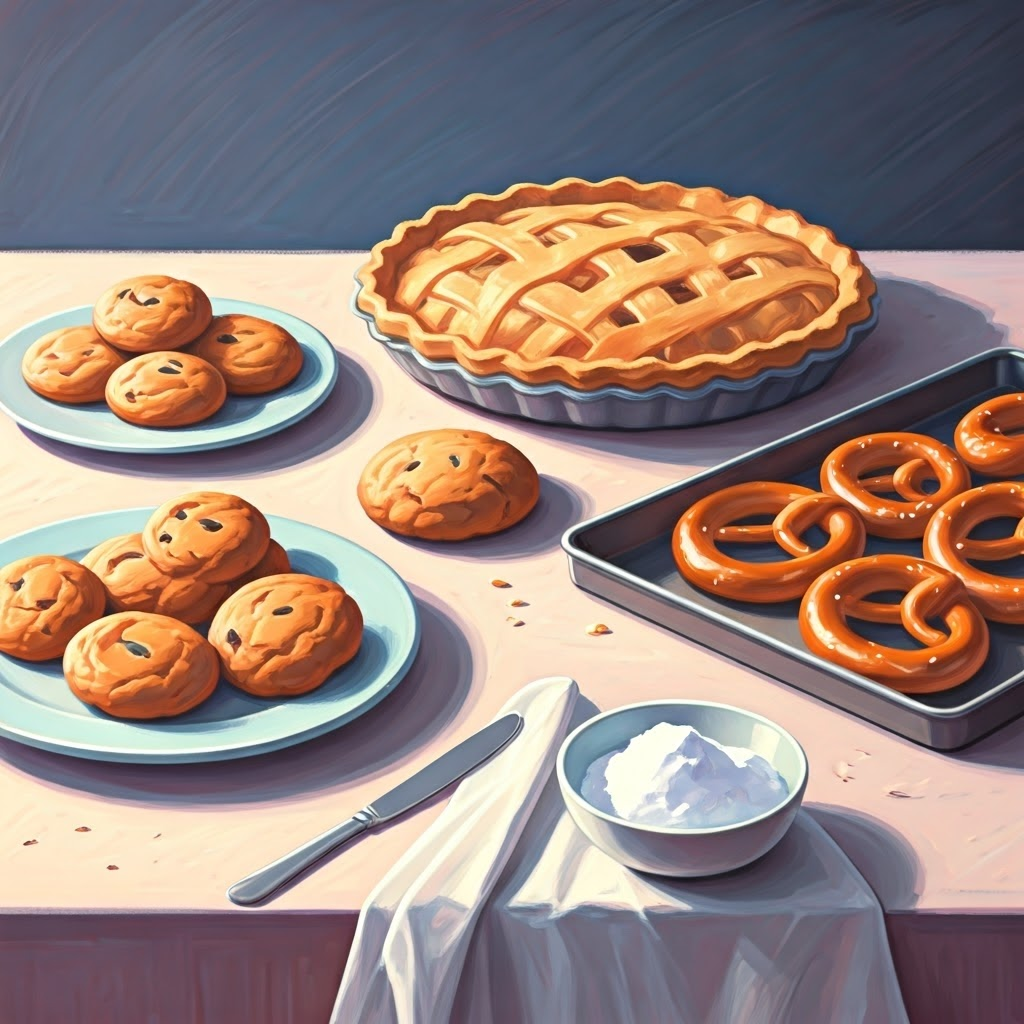
Vinegar in pickles or lemon on fish preserves and boosts flavor. Baking soda in cookie dough spreads and browns edges, adding chew. Too much base turns veggies mushy, while the right acid keeps pickles crisp and safe.
Neutralization: When Opposites Meet
Mix an acid with a base and they neutralize, forming water, a bit of salt, and often bubbles. Baking soda plus buttermilk releases carbon dioxide, lifting pancakes into airy fluff. Many recipes pair baking soda with baking powder to guarantee enough lift.

Neutralization also tames excess acidity. A pinch of baking soda in sour tomato sauce fizzes away sharpness, mellowing taste. High-acid foods (pH < 4.6) halt dangerous bacteria, so canning recipes guard vinegar levels for safety.
Taste, Texture, and Color—All Tied to pH
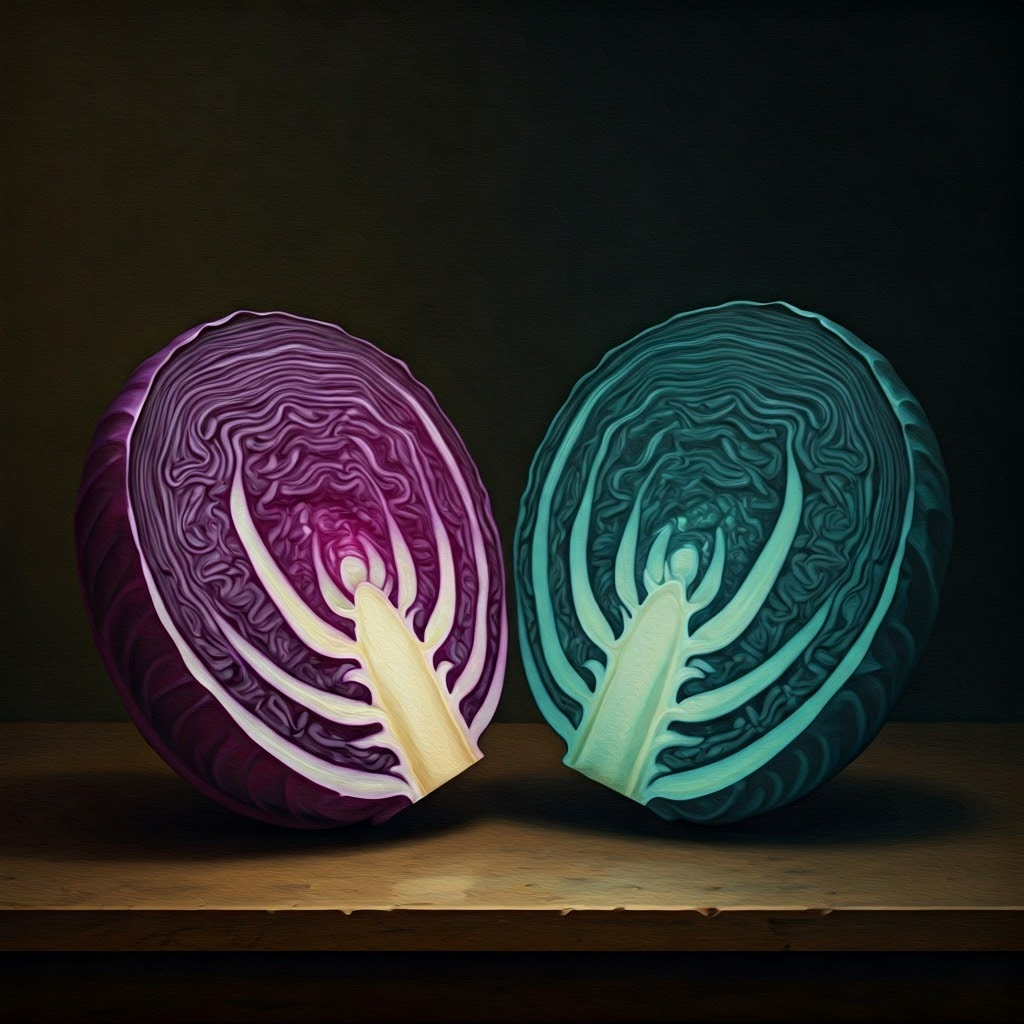
Acids brighten flavors and keep pickles crunchy. Bases deepen browning in pretzels and give vintage cakes their crumb. Neutralization makes sauces balanced and pancakes pillowy. Try stirring baking soda into yogurt to watch the tang fade, or dip cabbage leaves into acid and base to see colors change.
Learn this secret pH language and cooking becomes more magical. You will craft dishes that are safer, tastier, and more colorful every time you step into the kitchen — simply by tuning acidity and alkalinity to your liking.
