
Shattered Worlds: Memory, Trauma, and Testimony
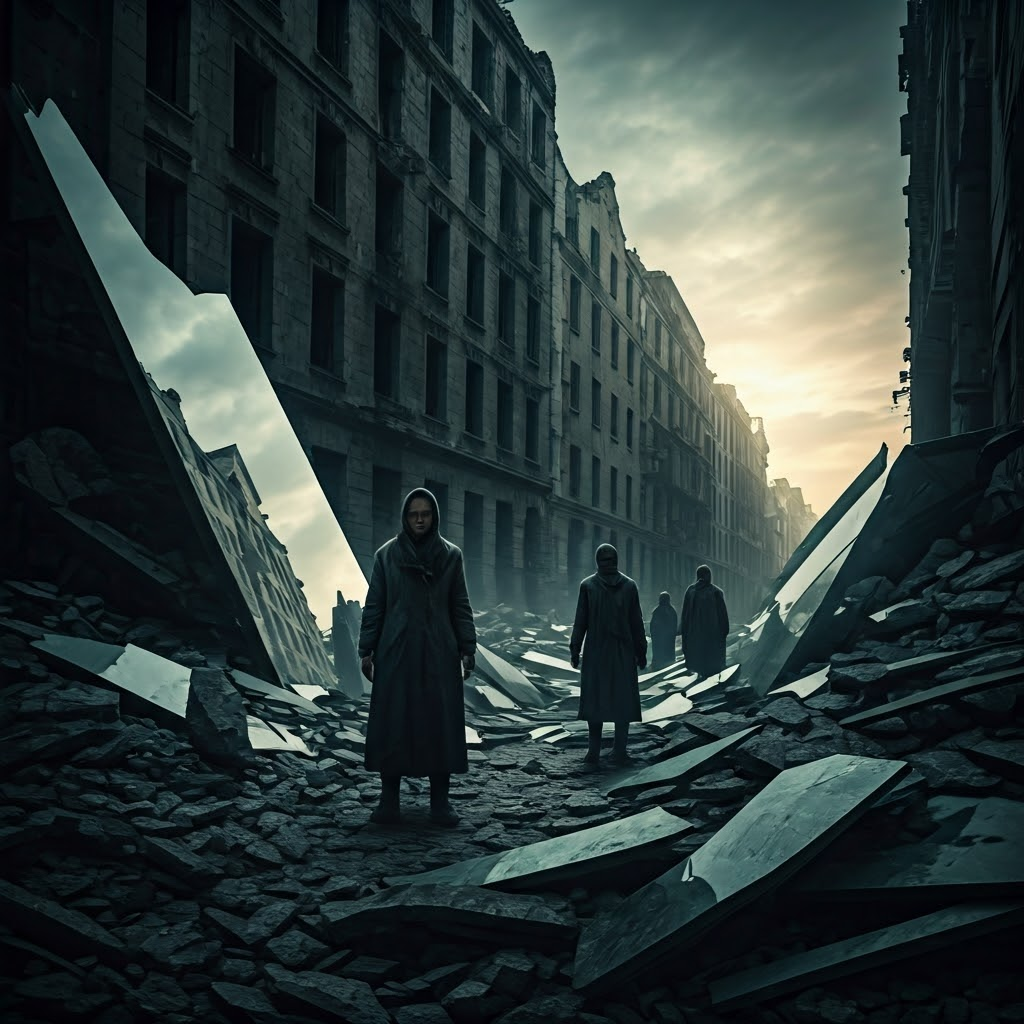
The war ended in 1945 yet Europe looked broken. Cities lay in ruins and families were scattered. Survivors felt torn between silence and the urge to speak. Words felt too small, yet testimony felt urgent.
After the Silence: Art and Literature Respond to Catastrophe

Traditional storytelling could not hold the chaos of loss. Writers like Primo Levi, Charlotte Delbo, and Elie Wiesel turned to fragments and gaps. Broken timelines mirror memories that skip or fade.
In Delbo’s “Auschwitz and After,” sentences stumble or repeat, as if language itself fractures. Levi’s “If This Is a Man” reads as testimony yet doubts its own clarity. Absence becomes structure—sometimes the strongest line is the one missing.
Artists echo this feeling through blank rooms or empty spaces. These visual silences push viewers to sense what words avoid.
Bearing Witness: The Ethics of Testimony
Testimony differs from ordinary stories. Sharing pain does not fully explain it, yet without witness, history may vanish. Bearing-witness strains survivors; remembering revives trauma, forgetting feels like betrayal.
Levi wondered what to include, fearing harm or misunderstanding. Delbo admitted, “I talk, but I can’t speak.” The task is heavy—describe hell, knowing words will fail.
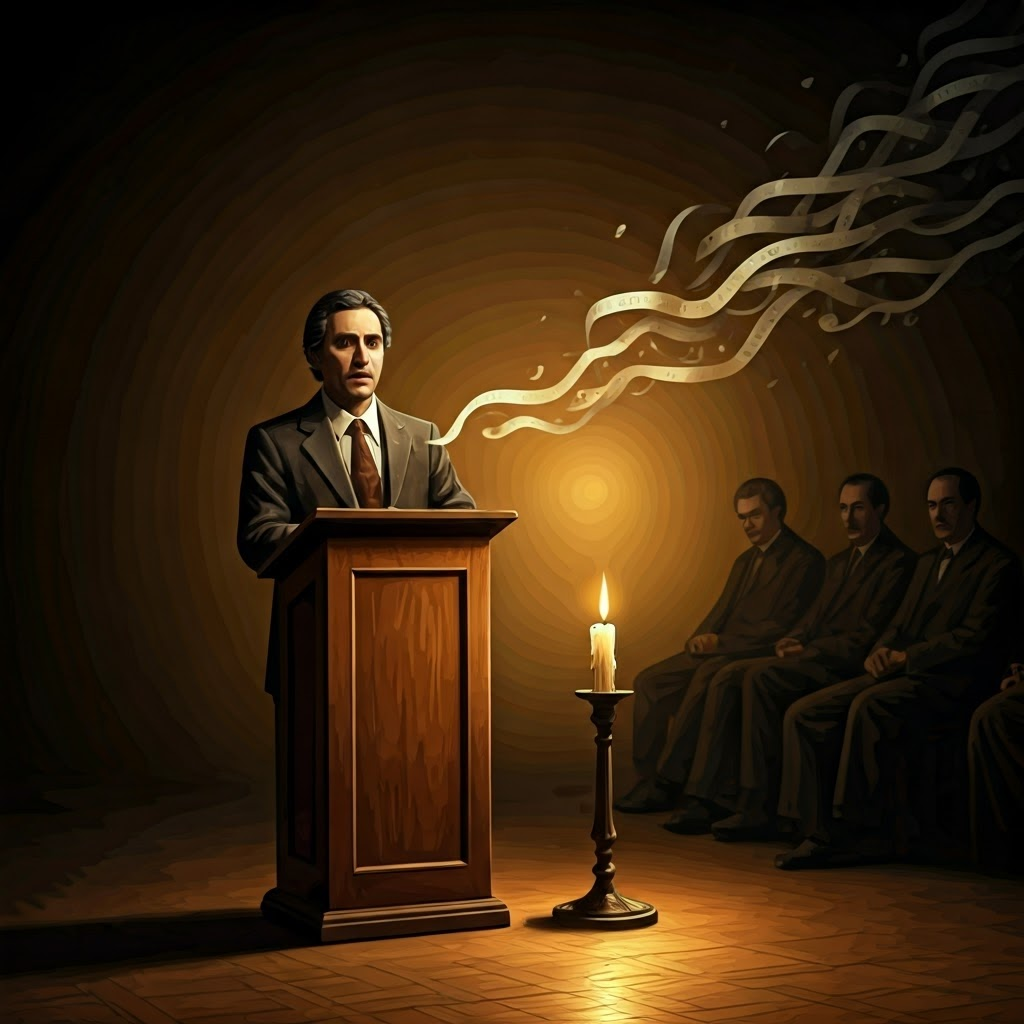
Who has the right to tell these stories? Artists outside the camps often try, yet risk misrepresentation. Authority over memory remains contested. Theodor Adorno warned that poetry after Auschwitz might be barbaric; others argued silence is worse. Readers face calls for justice and remember countless voices lost.

Memory’s Maze: Truth, Fiction, and the Unreliable Archive
Post-war thinkers saw memory as a messy scrapbook, not a clear photograph. Borges pictured it as a labyrinth where fact and fiction twist. Uncertainty turns every search for truth into an endless corridor.

Modern authors echo this doubt. W.G. Sebald’s “Austerlitz” mixes photos, dreams, and partial dialogues. You feel inside a detective tale missing its key clue. Archives claim to clarify, yet they omit the unrecorded. Gaps remind us that official records can distort as much as they reveal.
Why It Still Matters
The struggle to show trauma is ongoing. We all balance the need to remember with the limits of speech. Listening becomes an active practice—question, reflect, resist easy answers. Sometimes the vital step is making space for stories that come fragmented, incomplete, or wrapped in silence.
