
Atlantic Gateways: Where Worlds First Met
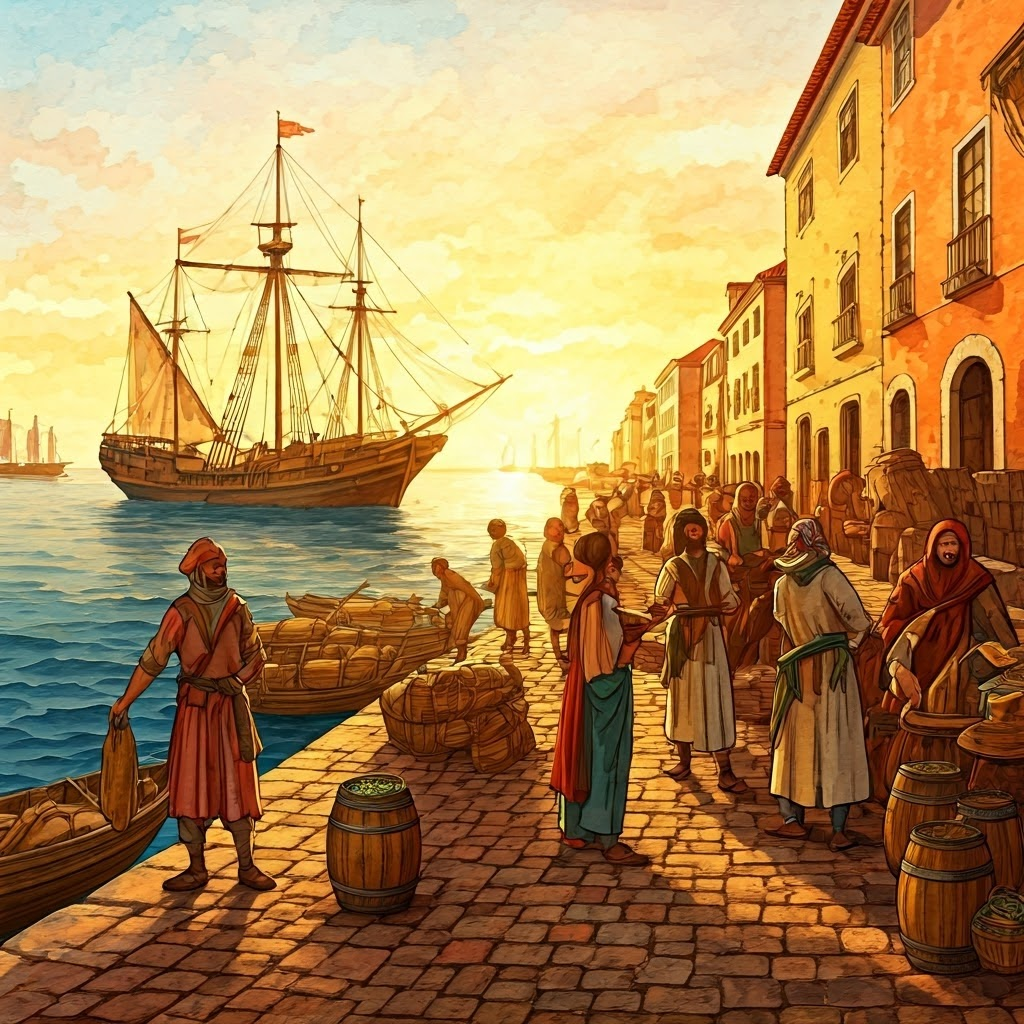
Lisbon: The Edge of the Known World
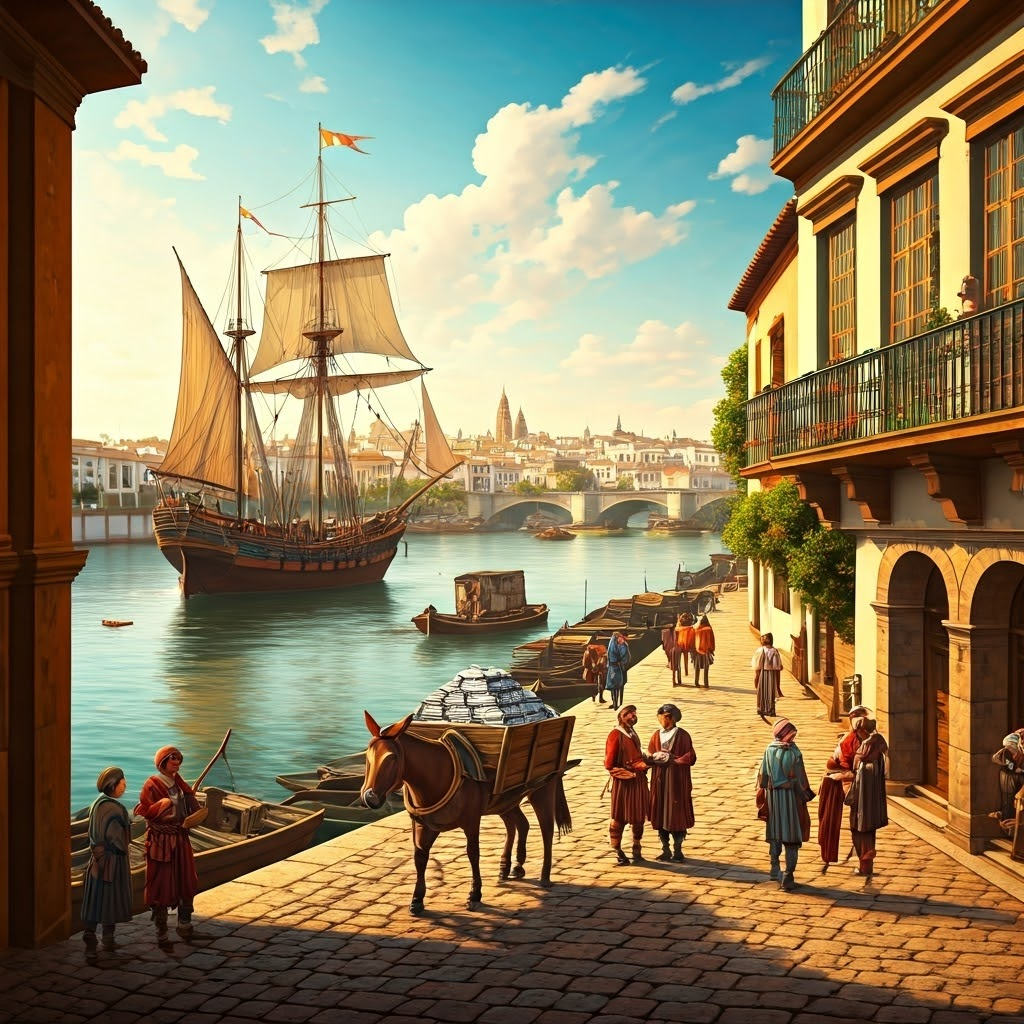
Lisbon sat at Europe’s edge and felt like its busy center. Fishers brought dried cod while traders loaded tin, wool, and salt. Voices in Portuguese, Spanish, Arabic, and West African pidgin filled the salty air. For a town the size of Boise, the docks made it feel vast.
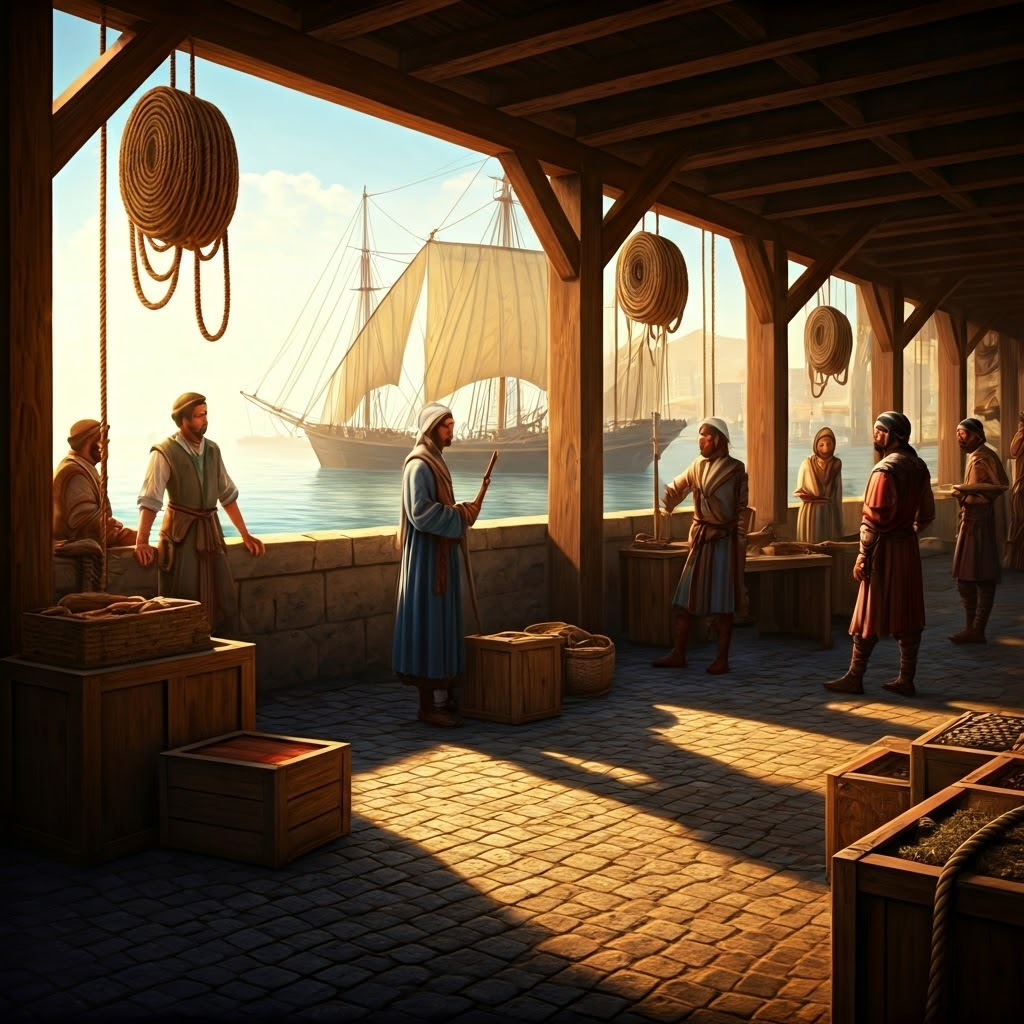
Prince Henry’s nearby base pushed ships south toward Africa and east to India. Local chandlers sourced rope from Flanders, salted fish from Norway, and pepper from Morocco. Genoese bankers, Jewish financiers, and African interpreters haggled side by side. Cinnamon and sugar soon flavored everyday meals.
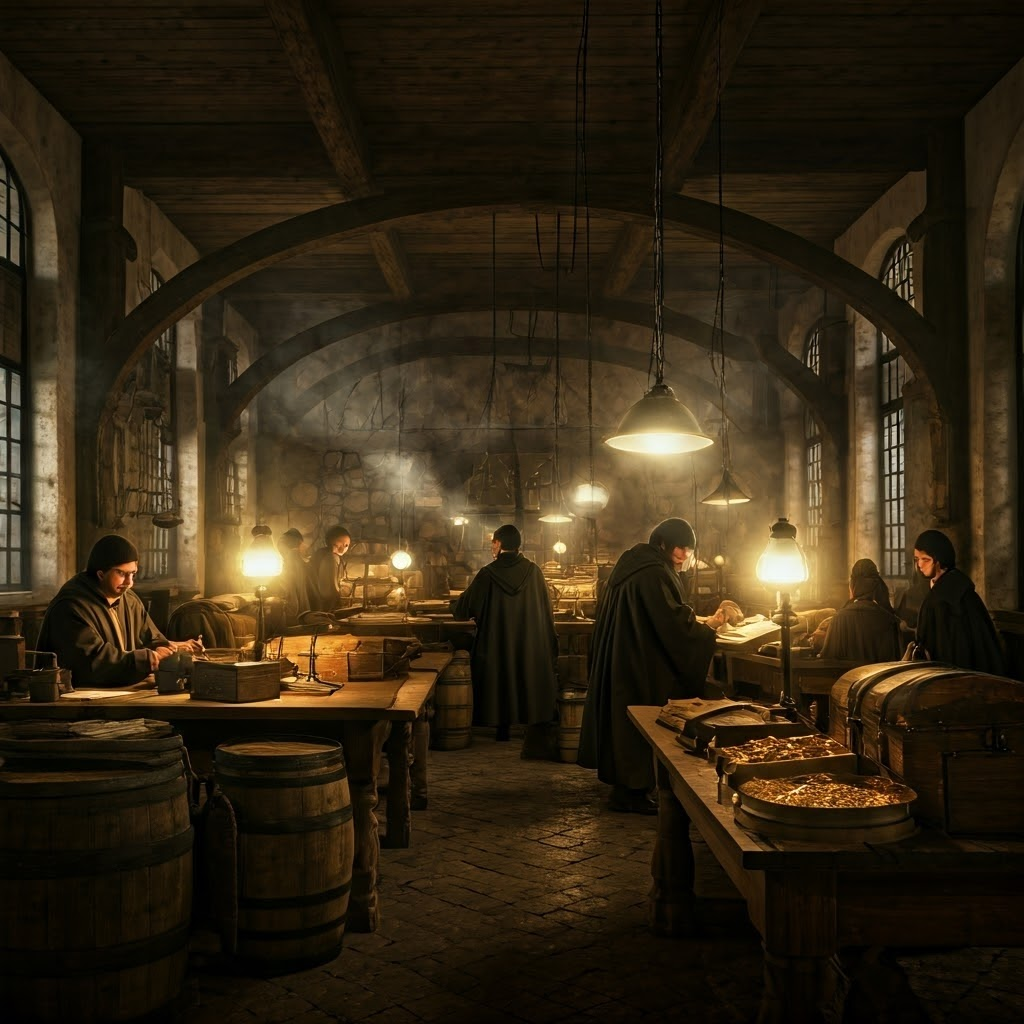
Customs clerks tracked taxes yet rules stayed loose. Captains who mis-reported risked seizure. Many officials were foreign or spoke several tongues. Constant mixing bred errors yet forged friendships, marriages, and slang that blended Portuguese with Berber or Wolof—proof that bureaucracy could still spark culture.
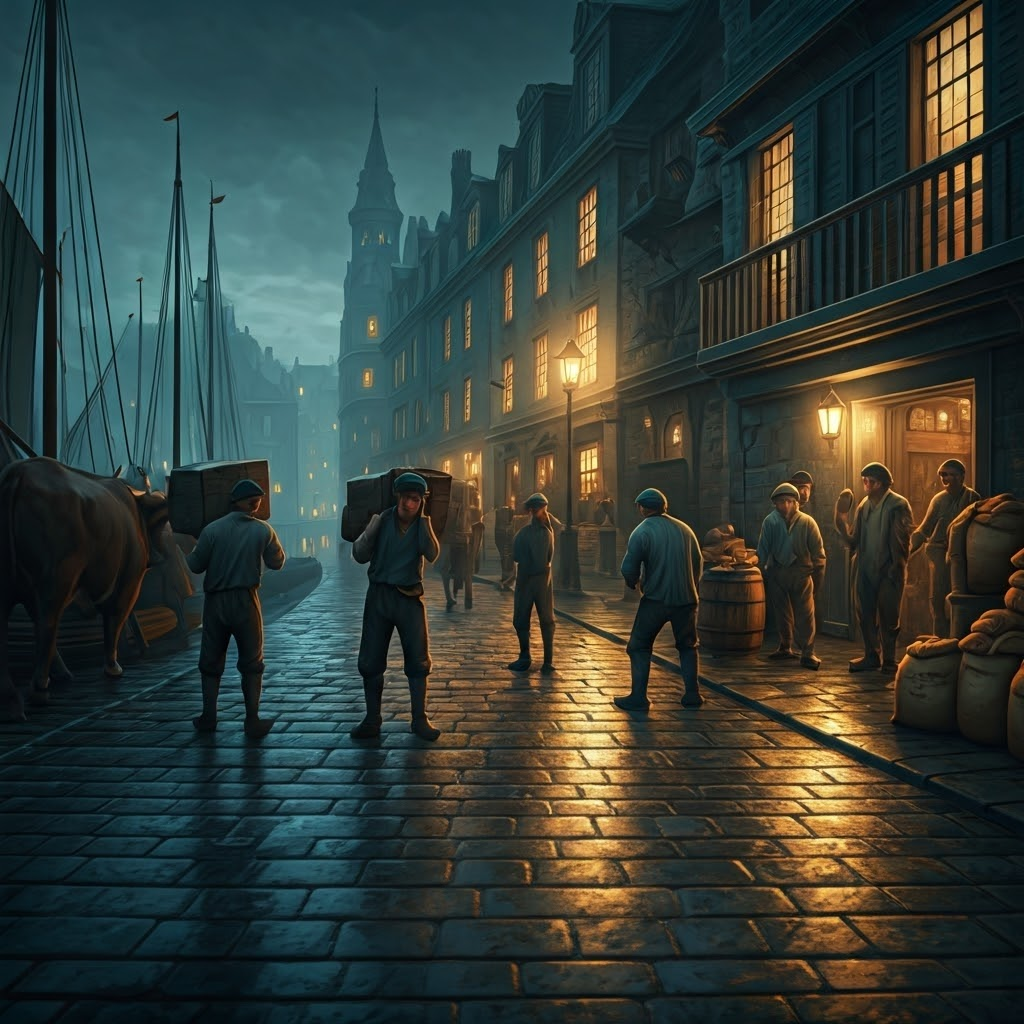
Life stayed rough. Porters strained under barrels. Fevers stalked crews. Dockside bars mixed every class, and brawls erupted nightly. Yet Lisbon’s openness let West African merchants or Armenian pilgrims find translators and even royal protection. That spirit of cosmopolitanism echoed through later ports.
Seville and the Silver Road
By 1500 Seville pulsed with American silver. Every legal voyage to the New World cleared this port. The Casa de Contratación tried to regulate the deluge of silver, cacao, tobacco, and cochineal, yet smugglers and fortune-hunters often stayed one step ahead.
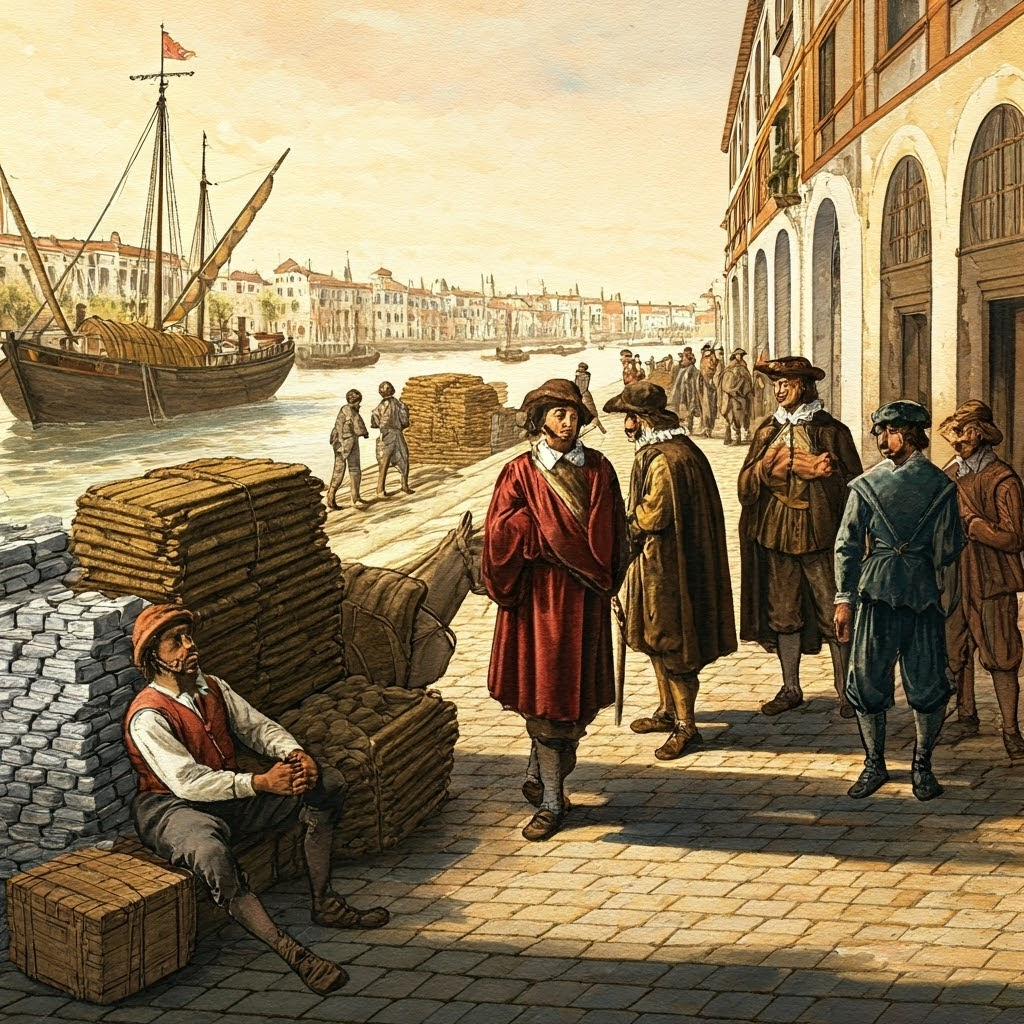
Follow a mule train of silver and you’ll hear Basque, Italian, Flemish, and Kikongo in a single block. Jews, Moriscos, and free people of color shared streets and recipes. Special courts settled trade disputes, calling interpreters when language lines blurred.
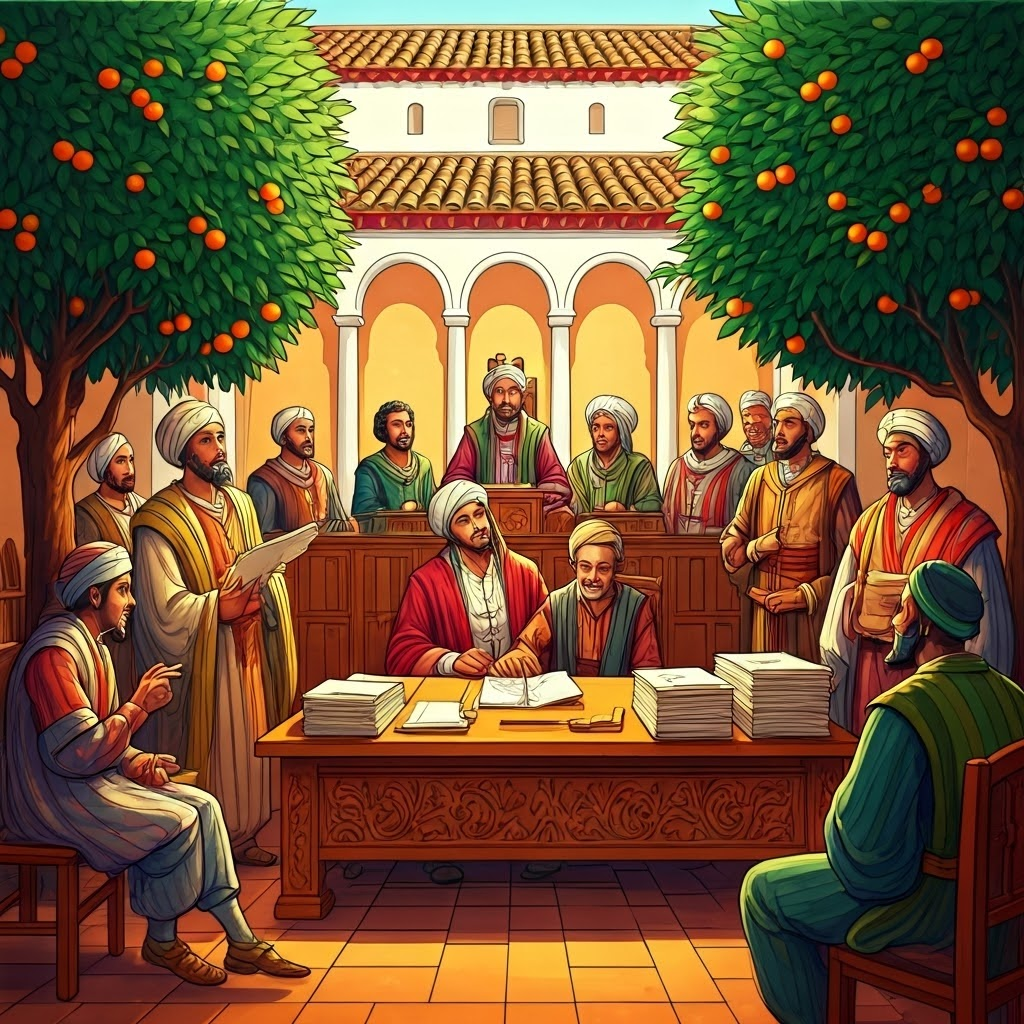
Mixed tribunals often merged Spanish and foreign rules. Traders without Spanish found paid translators. Conflicts over lost cargo led to compromises that shaped later maritime law. Caribbean rhythms, words, and tastes seeped in, proving that tension could fuel creative fusion.
Antwerp: Europe’s Open Market
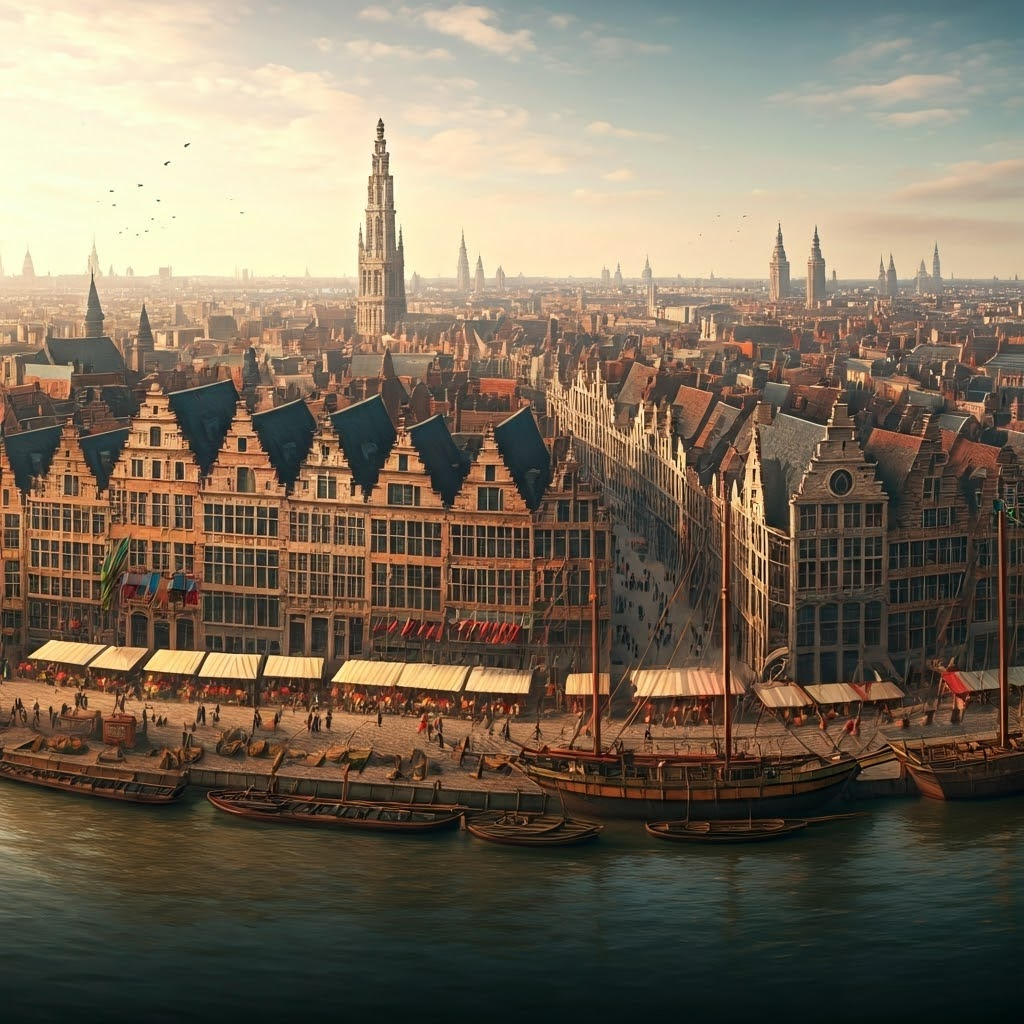
Antwerp turned the Scheldt into a highway for ideas and money. Protestants, Jews, Italians, and English arrived, doubling the population in a flash. The city asked little: keep order, pay taxes, and the market stayed open.
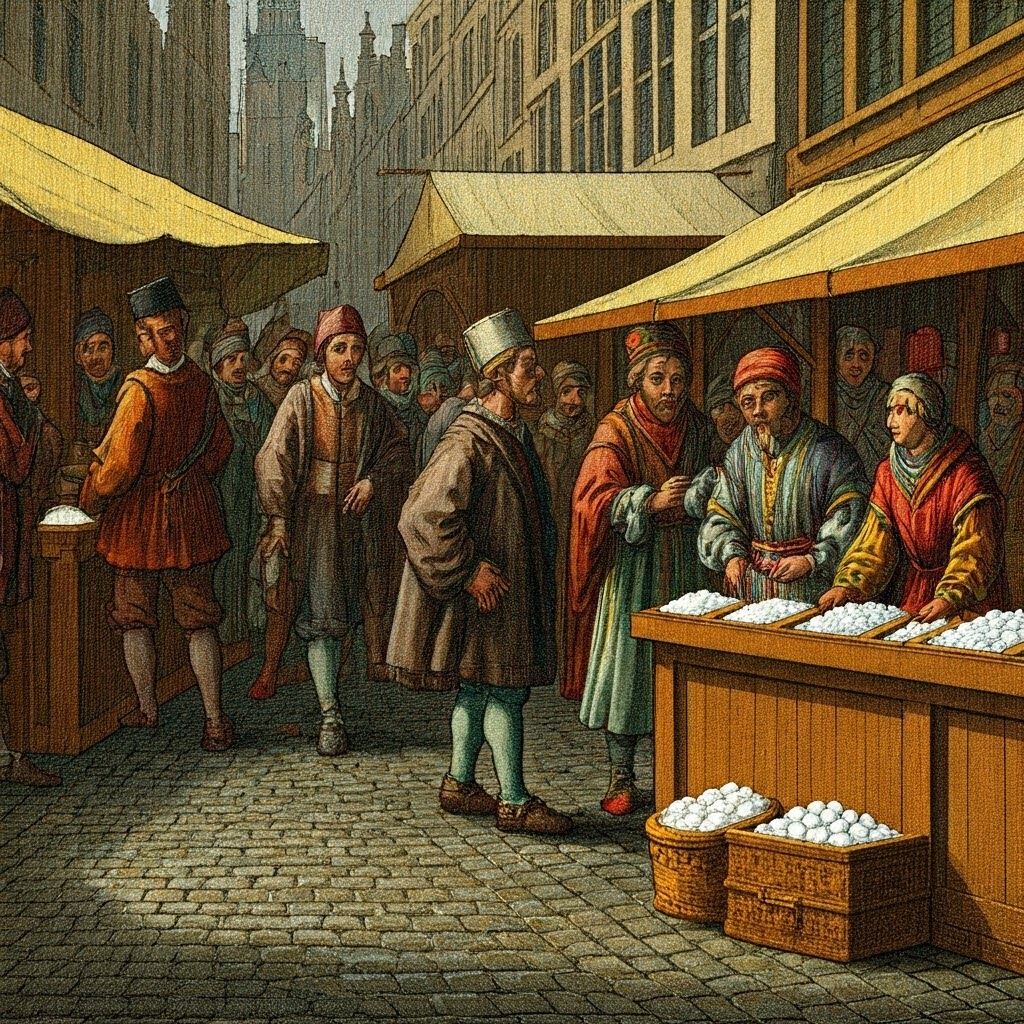
Contracts often appeared in Dutch, Spanish, and Yiddish on one page. Scribes earned a living translating on the spot. Simple rules and tolerant attitudes let a Moroccan sugar seller bargain with an English cloth buyer without fear.
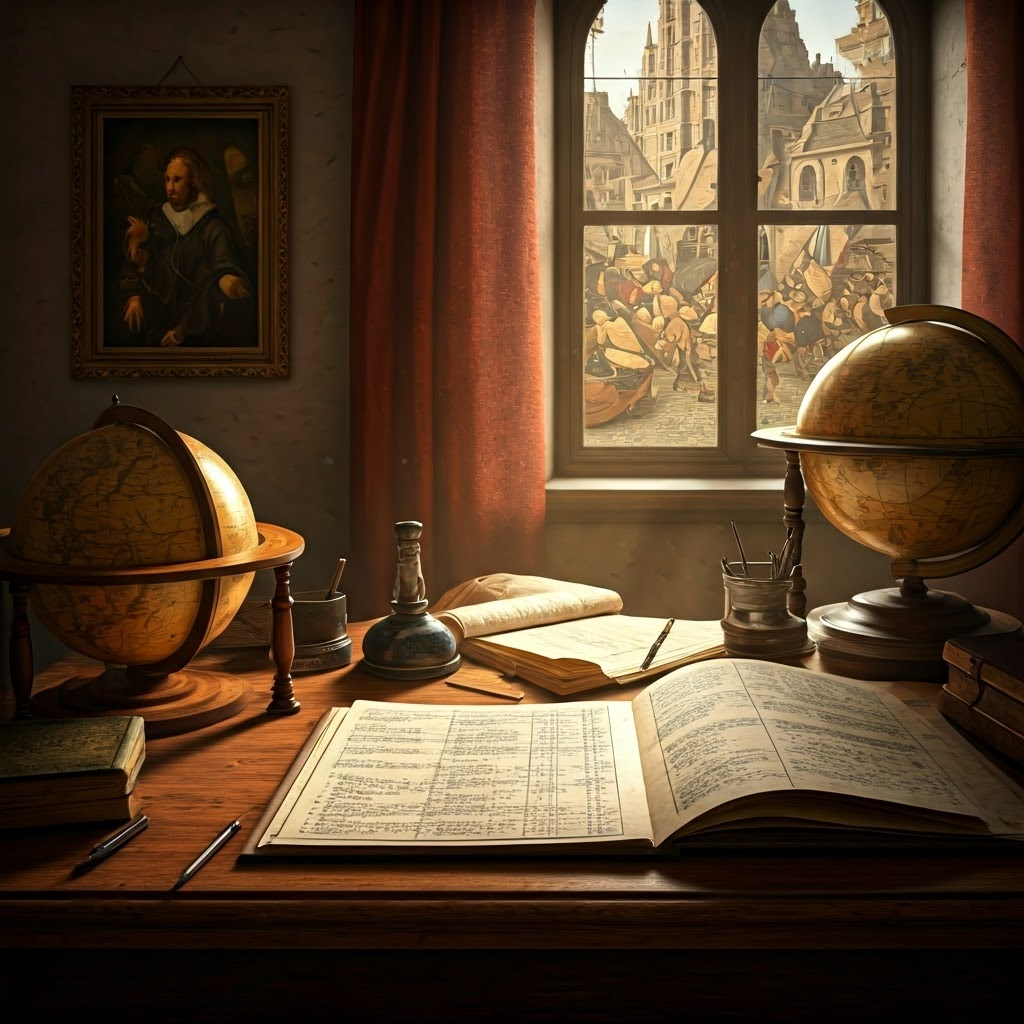
Antwerp’s mixed neighborhoods inspired new dishes and accounting tricks like Italian double-entry books. Painters such as Bruegel captured unruly dock scenes. Stories of traders who rose from borrowed carts to shipping empires spread the myth—and reality—of mobility.
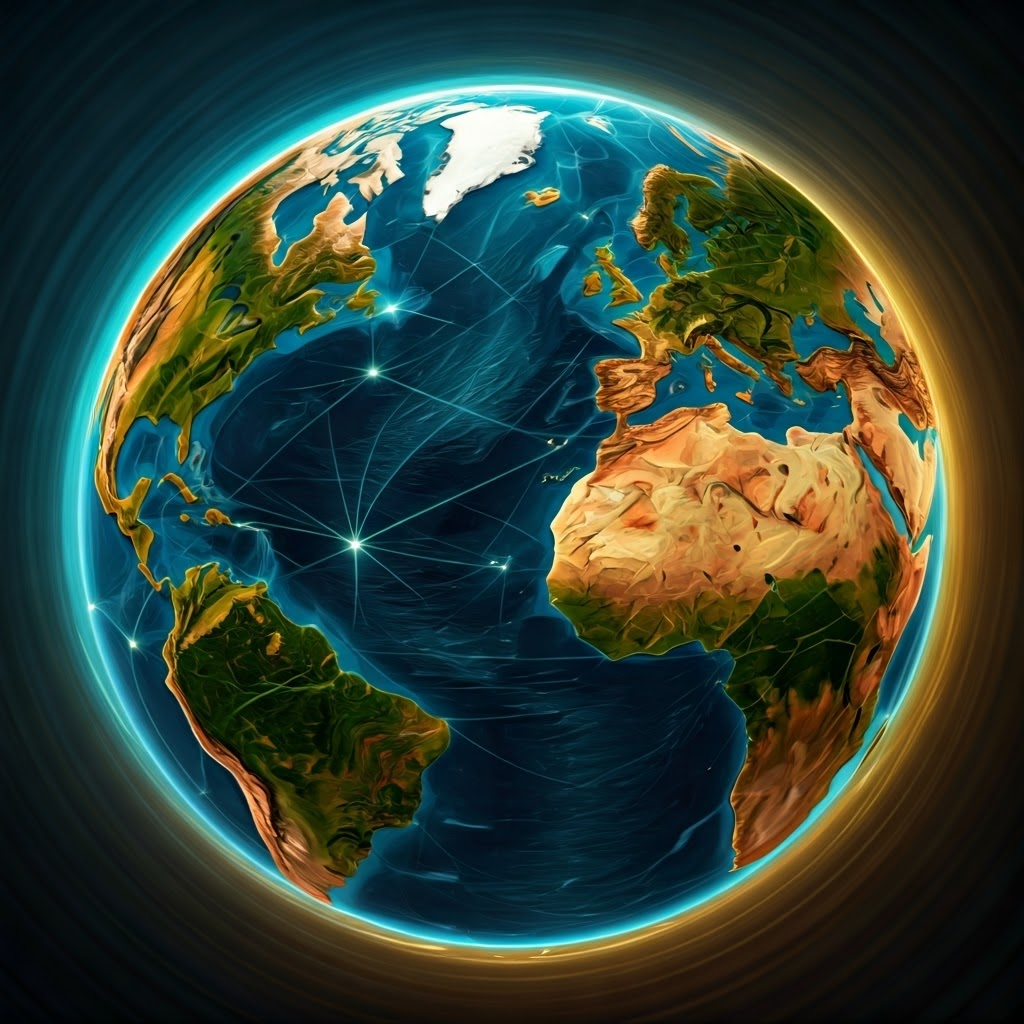
The Atlantic Switchboard
These three ports worked like a switchboard. Ships moved goods, people, and ideas, yet dockside collisions shaped bigger shifts. New dialects formed, and ad-hoc rules evolved into the seeds of international law.
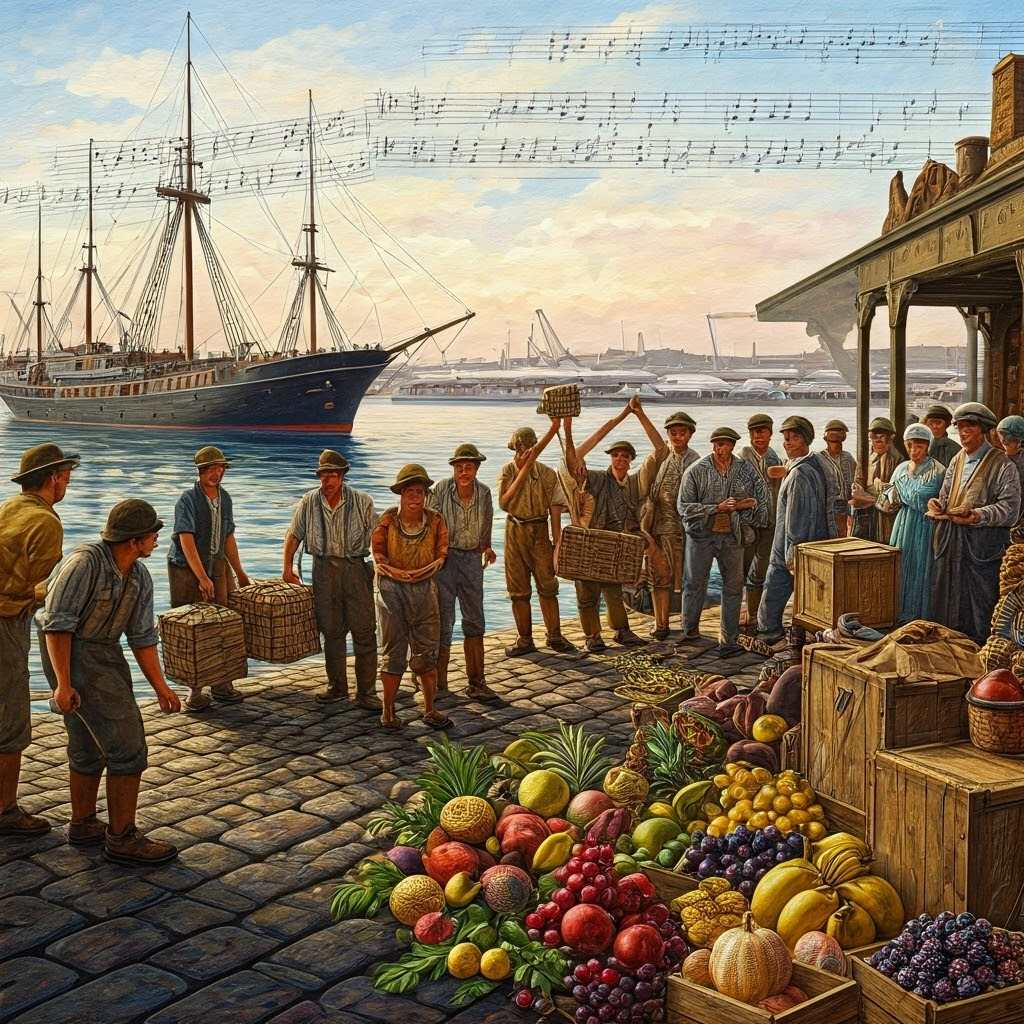
Workers demanded safety. Merchants pooled risk into early insurance. Foods, music, and beliefs flowed back with every tide. Modern ports echo this chaos—proof that globalization began with sailors, porters, and market women who learned to trade and sometimes just get along.
