
How Your Brain Changes When You Practice

Brains Are Built to Change
Your brain never stays the same. Each time you test a new skill—drawing, a tennis swing, or even a phone number—you alter its wiring. Scientists call this neuroplasticity.
Picture a city grid. Travel a street often and it widens, smooths, and lights up. Ignore a shortcut and weeds creep in. In the brain, these pathways are nerve networks that grow stronger with use and fade without it.
Brains Keep Adapting at Any Age
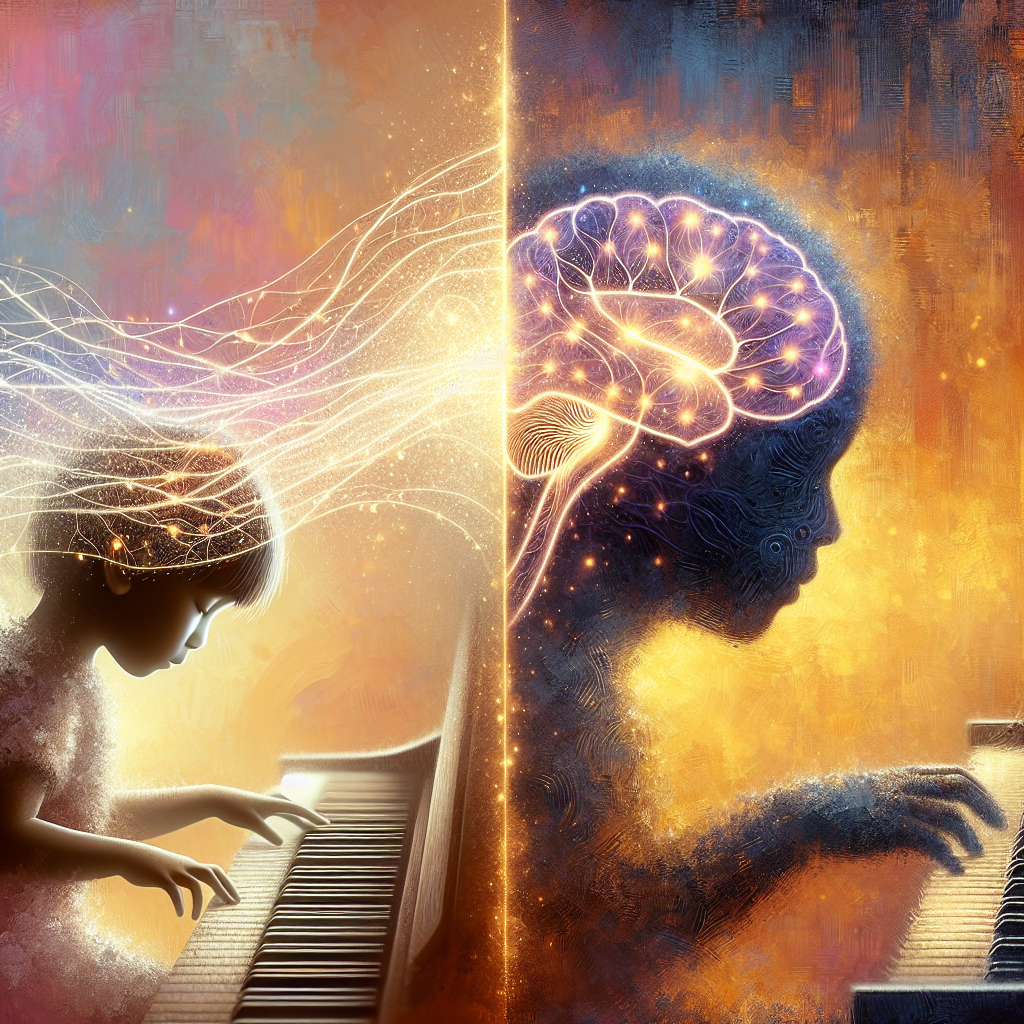
New skills feel clumsy at first, yet steady practice turns shaky steps into habits. Behind the scenes, your brain reshapes itself so tasks run smoother next time. Kids and adults alike can rewire—grown-ups may just need added patience.
Wiring and Rewiring: Synapses and Spines
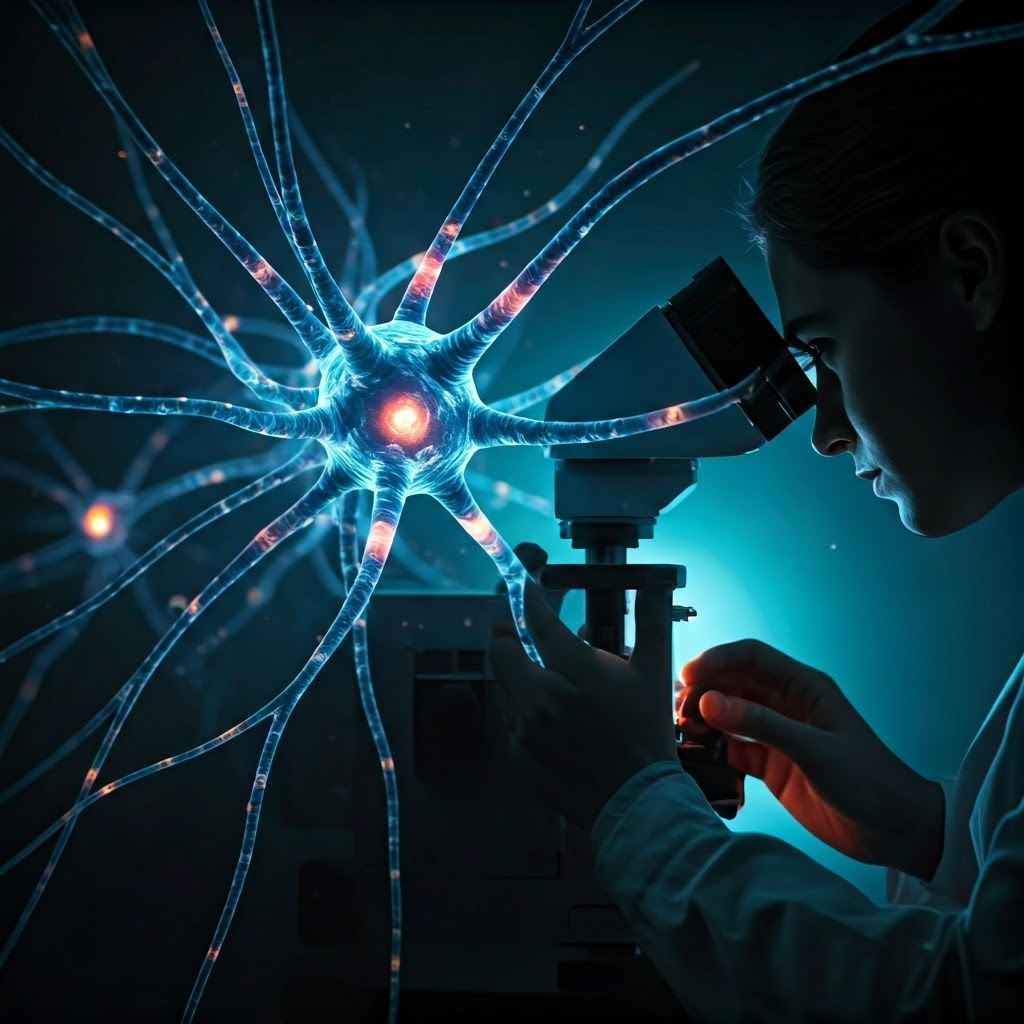
Zoom in and you’ll find tiny junctions called synapses where neurons trade information. Learning sparks new links, while neglect lets old ones fade—a dance scientists name synaptogenesis.

Even closer, small bumps called dendritic spines dot each neuron branch. Practice makes spines sprout, enlarge, and stabilize, strengthening the network. Helpful spines persist; idle ones shrink, keeping the system efficient.

Think of piano lessons. Early sessions feel awkward, yet every repetition thickens the neural web behind each finger pattern. Over time the right roads widen, and your hands glide almost automatically.
Myelin: The Brain’s Speed Booster
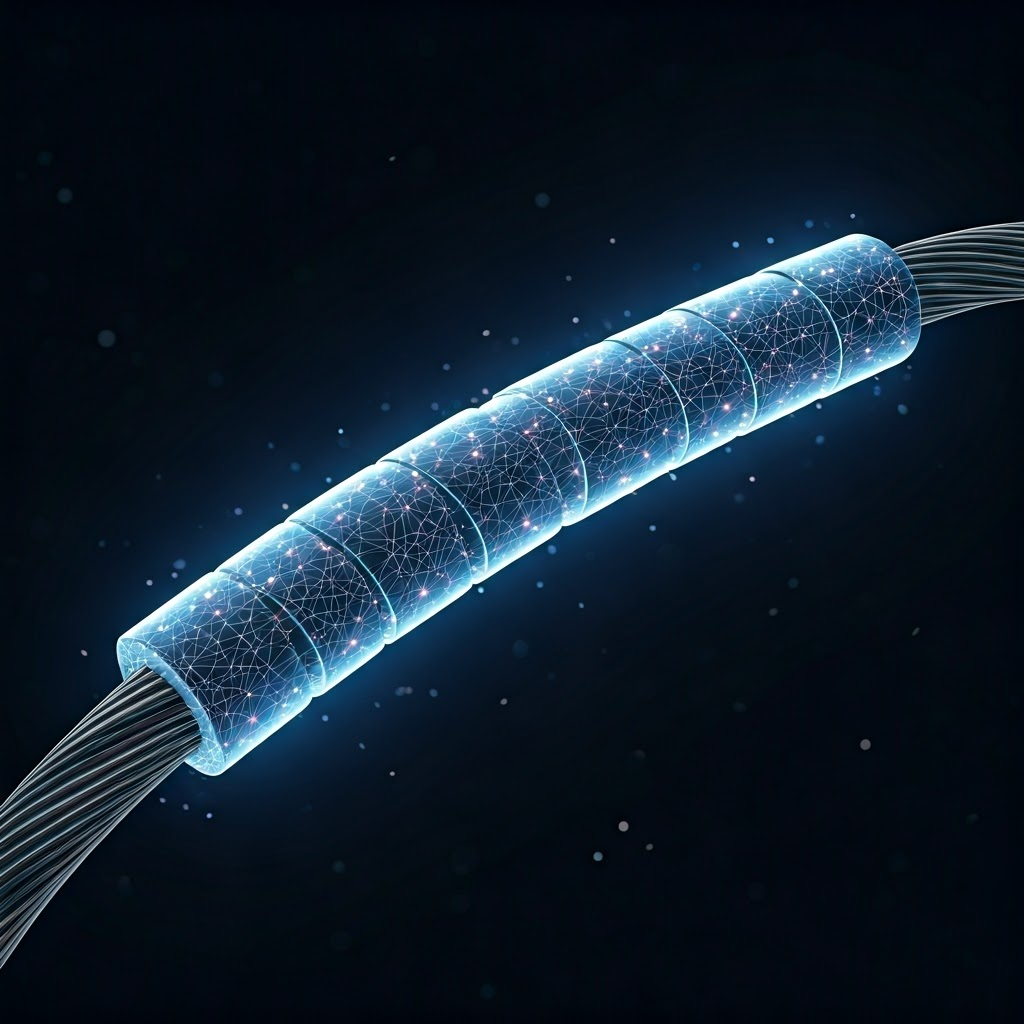
Another key player is myelin—a fatty sheath that insulates neuron arms so signals race ahead with less drag. Pathways grow through practice, but myelin brings real speed and precision.

Performance expert Anders Ericsson showed that deliberate practice—pushing limits and fixing errors—drives myelin growth. Elite athletes, musicians, and strategists all boast denser myelin where they need it most, letting signals fly like racecars on clear highways.

London Taxi Drivers and the Map in Your Head
London cabbies master “The Knowledge,” memorizing every lane and landmark. Brain scans revealed their hippocampus, vital for navigation, actually enlarges with years on the road—then shrinks back after retirement. Practice doesn’t just refine skills; it reshapes brain real estate.

Why This Matters for You
Feeling clumsy means change is underway. Each practice session sparks fresh synapses, sturdier spines, and thicker myelin. With persistence, the task becomes easier because your brain has remodeled itself. So when you tackle a new hobby, picture rough roads smoothing under your steps—you’re actively building a better brain.
