13 min read  •  11 min listen

Plastic & Adaptive

How Your Brain Rewires, Recovers, and Stays Sharp

Plastic & Adaptive

AI-Generated

April 28, 2025

Your brain is always changing, even when you think it’s set in its ways. Discover how your mind rewires itself, adapts to new skills, and bounces back from setbacks. Get the real story behind brain training, recovery, and the science that keeps your mind sharp.


How Your Brain Stays Flexible
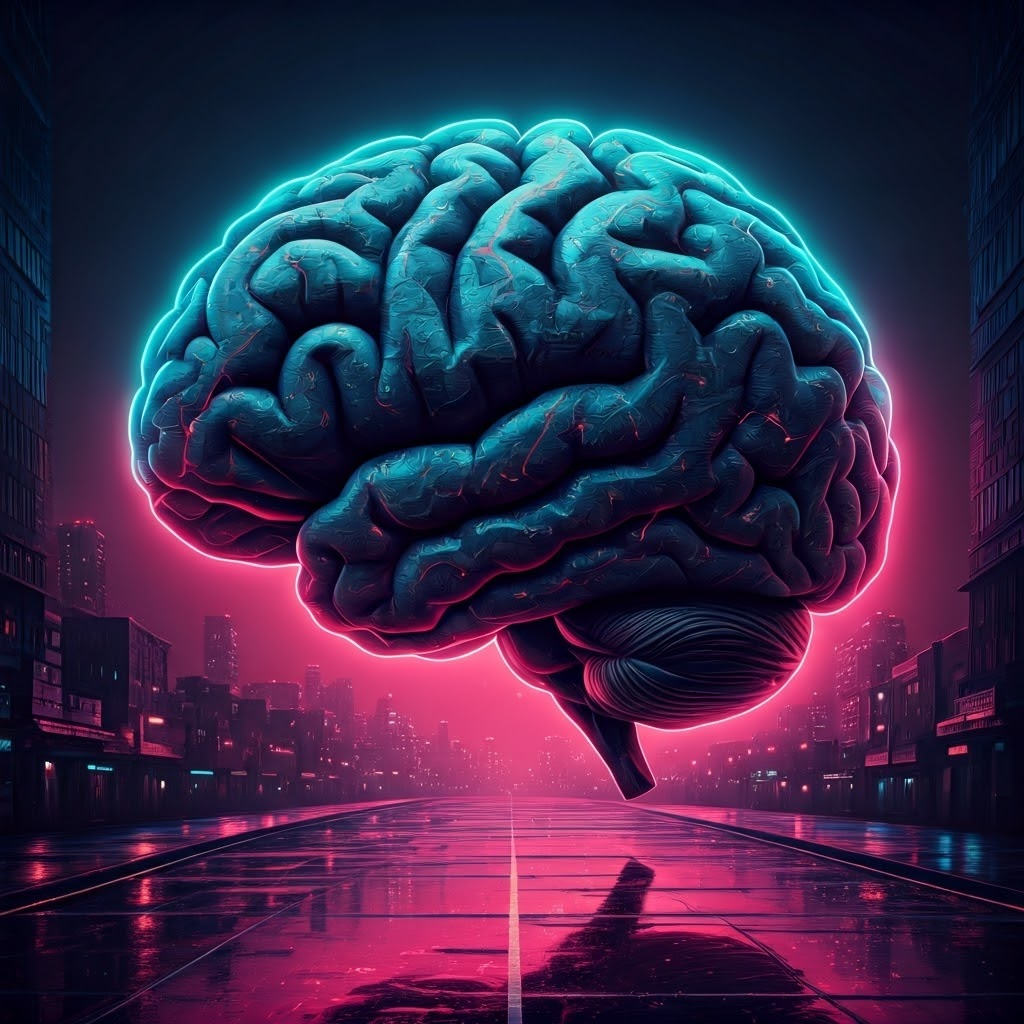
Neon cyber-punk brain imagined as a glowing city map, roads and traffic symbolizing ever-changing neural paths.

What Plasticity Really Means

Your brain is always adjusting. Each memory, shortcut, or misplaced key prompts fresh wiring—this ongoing flexibility is called plasticity.

Plasticity lets you ride a bike, learn Spanish, or play piano. Scientists see new neural links grow, just as busy streets gain lanes. Stop practicing, and unused links fade, saving energy for skills you still use.

This same power supports recovery. When injury strikes, healthy areas often step in, like a detour after a roadblock. Even on calm days your brain quietly balances old and new connections, keeping you ready for change.

Pastel 3-D figure juggling neuron-like spheres, showing skill growth through new neural links.

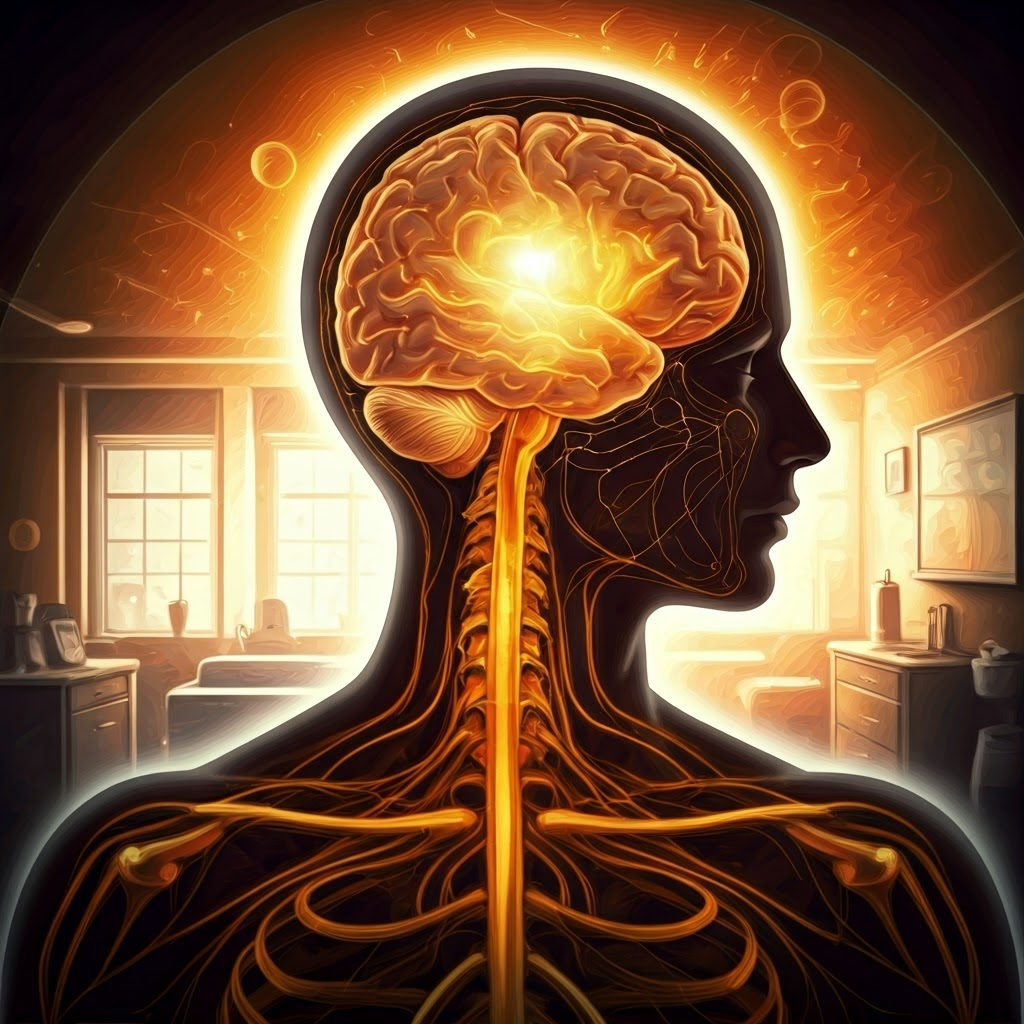
Warm pastel scene of a glowing brain healing among hospital and home symbols, hinting at neural repair.

Structural vs. Functional: Two Ways to Change

Structural plasticity reshapes the brain’s physical network. London taxi drivers, who memorize a maze of streets, grow thicker hippocampi—proof that experience can enlarge memory hubs.

Woodcut-style art of a taxi driver beside a head with an enlarged hippocampus, linking navigation to brain growth.

Functional plasticity reroutes existing circuits. After a stroke, new regions may handle speech, like traffic flowing through alternate roads. Children excel at this; if vision in one eye is lost, other senses quickly strengthen.

Glitch collage of neural circuits rerouting around a damaged zone, symbolizing quick functional adaptation.

Both strategies often team up. Learn knitting, bounce back from a sprain, or adjust to new glasses—your brain mixes fresh links with clever reroutes to keep skills sharp.
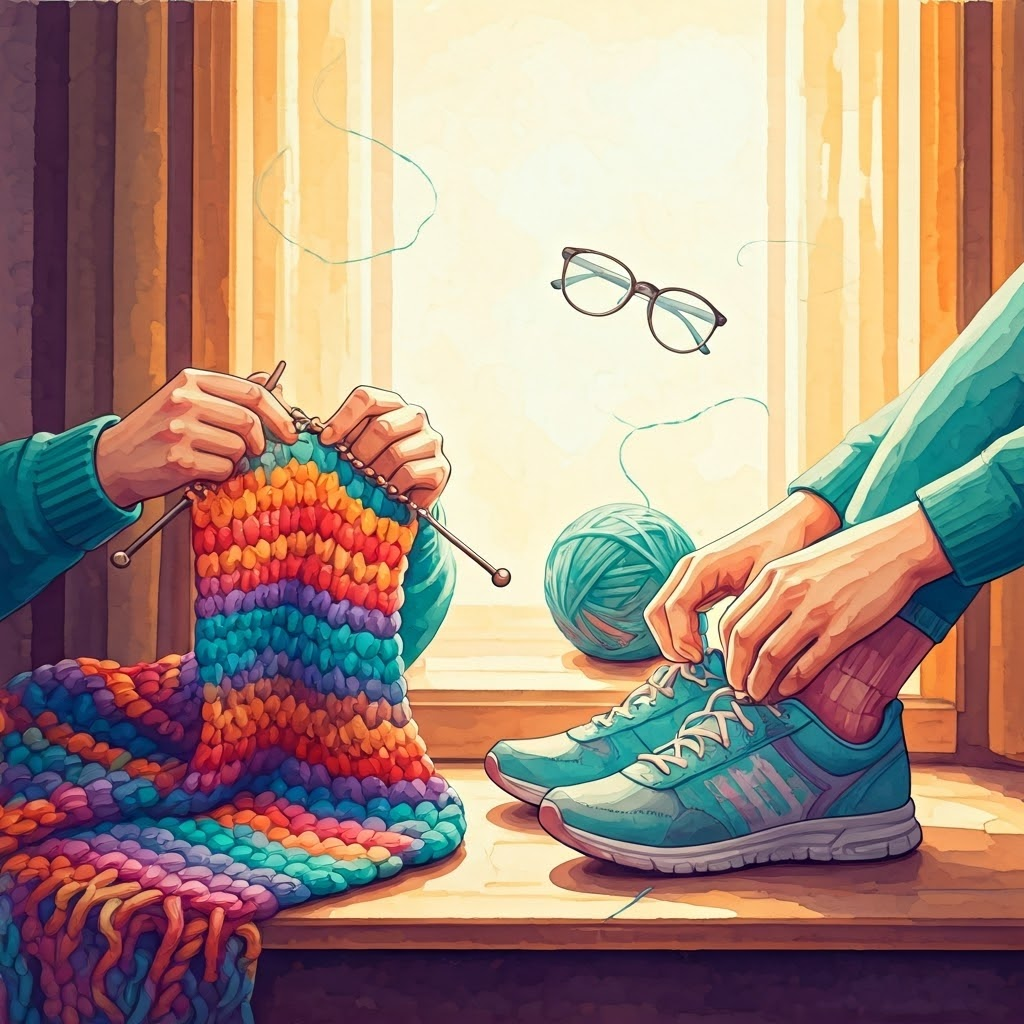
Cozy watercolor of knitting hands, laced with faint neural lines, showing everyday learning and adaptation.

Timing Is Everything: Critical Periods and Sensitive Windows

Early life brings critical periods when learning rockets ahead. Babies can decode any language, but by age eight they favor native sounds; adults feel the difference when rolling Spanish R’s.

Gouache painting of children speaking many languages, colors fading with age, illustrating early language ease.

Vision follows suit. Hubel and Wiesel found that covering a kitten’s eye early leaves it forever weak, even after uncovering. Still, sensitive windows stay open later for skills like music or sports—progress is slower, not shut.

Realistic painting of a kitten with one eye covered, sunlight hinting at missed visual development.

Debates persist on where critical ends and sensitive begins, yet the core remains: timing molds your capacity to change. Early exposure is easiest, but determined practice keeps doors ajar.
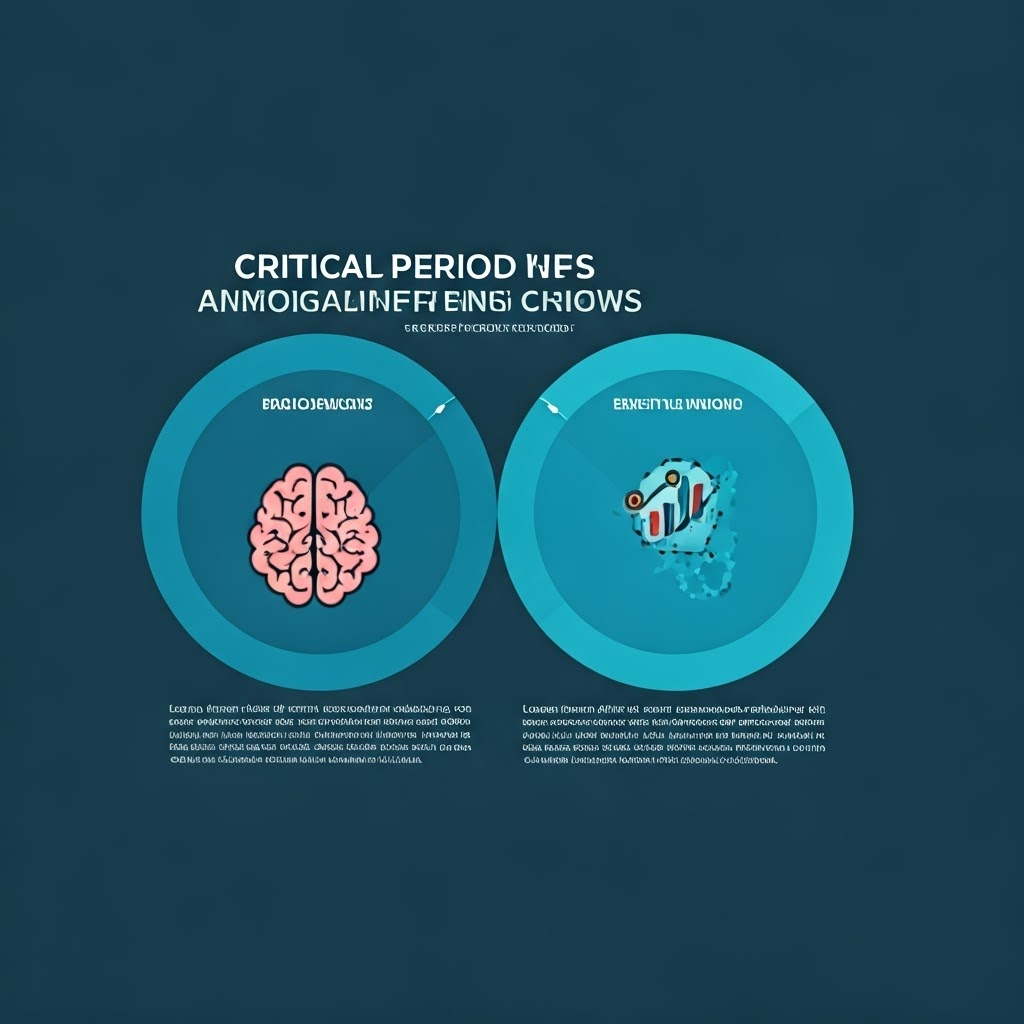
Flat infographic of overlapping circles for critical periods and sensitive windows, clock and brain icons inside.

What Plasticity Means for Everyday Life

Plasticity powers daily resilience. Job loss, new careers, or concussion recovery all tap the same flexible wiring. Even if aging slows the pace, change never stops.

Each hobby, book, or friendship adds fresh connections. When life shifts—through illness or loss—your brain forges new paths. Stay curious, stay active, give yourself time, and you’ll keep that flexibility for years.
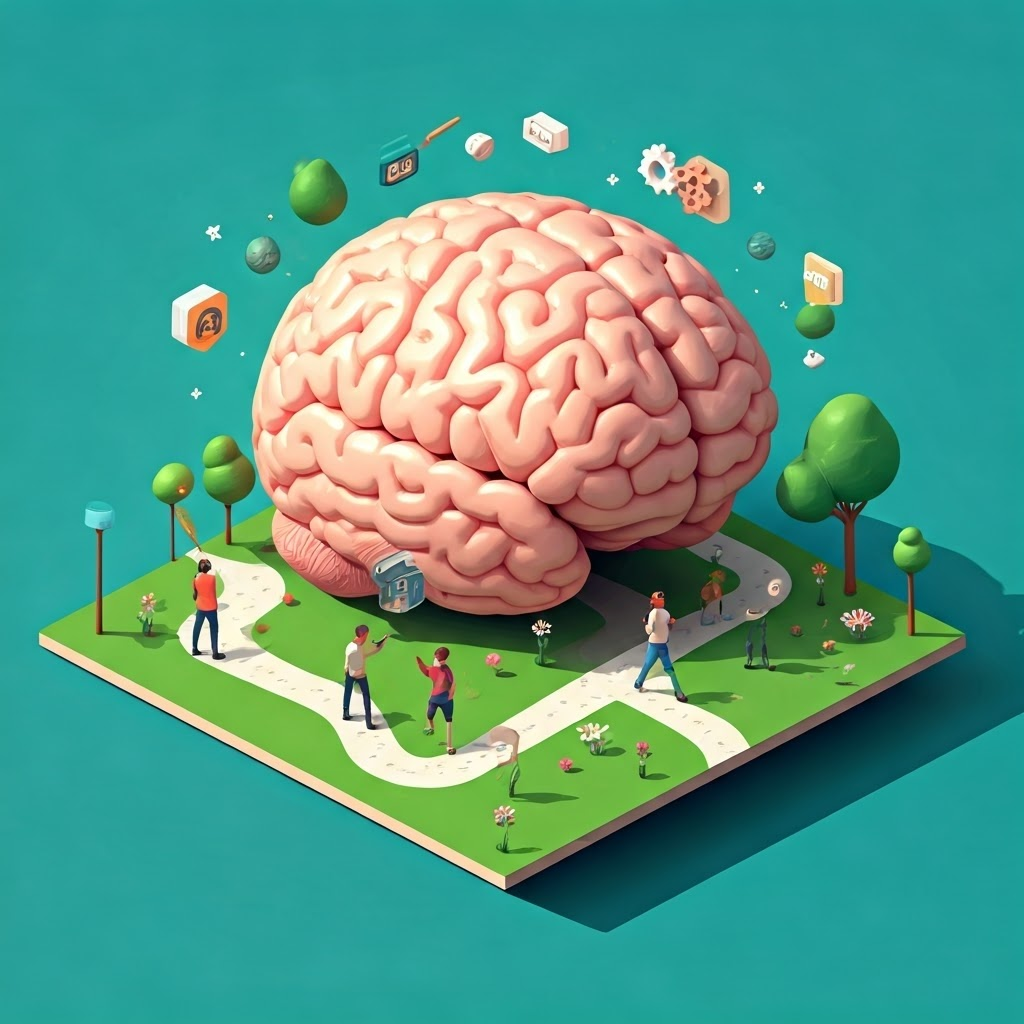
Isometric brain-shaped park where people read, play, and explore, symbolizing lifelong neural growth.

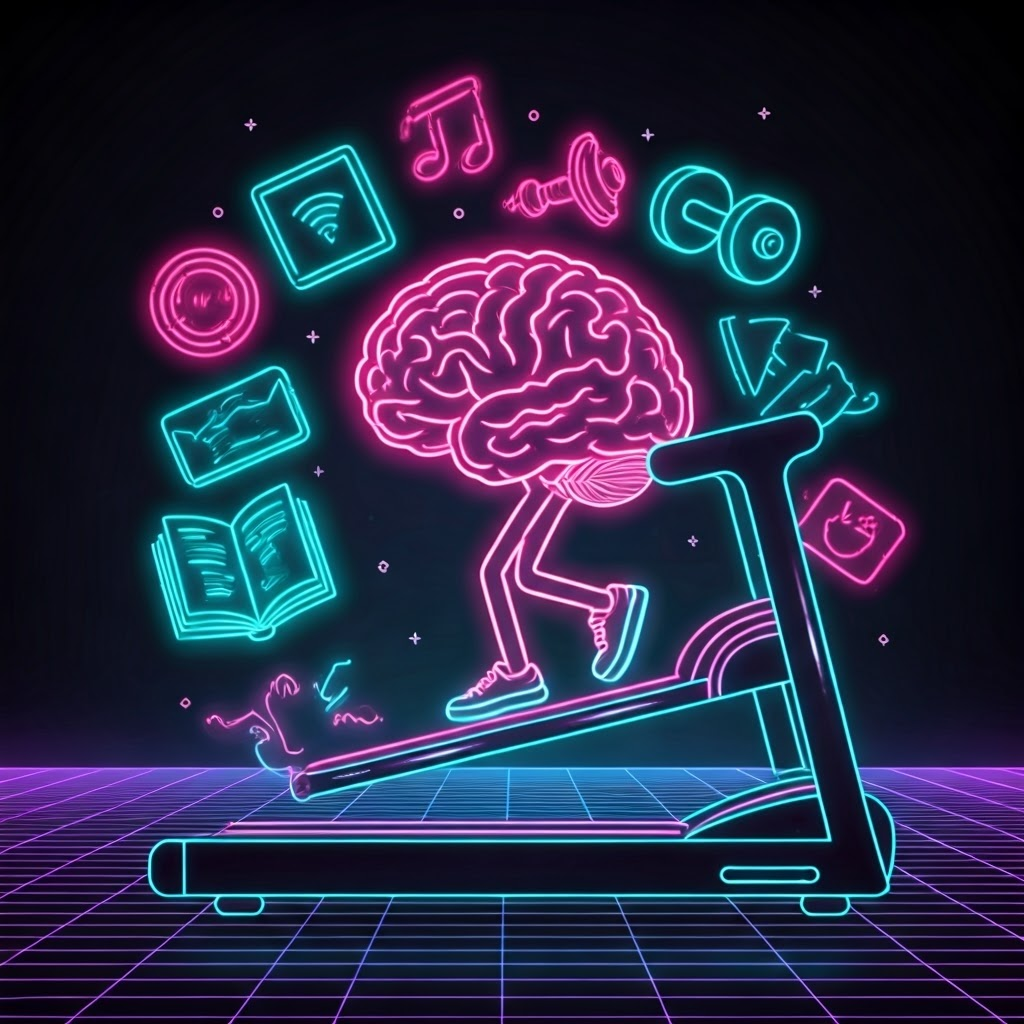
Retro neon brain jogging on a treadmill amid books and dumbbells, illustrating everyday choices shaping the mind.


Tome Genius

The Human Brain: Structure & Function

Part 9

Tome Genius

Cookie Consent Preference Center

When you visit any of our websites, it may store or retrieve information on your browser, mostly in the form of cookies. This information might be about you, your preferences, or your device and is mostly used to make the site work as you expect it to. The information does not usually directly identify you, but it can give you a more personalized experience. Because we respect your right to privacy, you can choose not to allow some types of cookies. Click on the different category headings to find out more and manage your preferences. Please note, blocking some types of cookies may impact your experience of the site and the services we are able to offer. Privacy Policy.
Manage consent preferences
Strictly necessary cookies
Performance cookies
Functional cookies
Targeting cookies

By clicking “Accept all cookies”, you agree Tome Genius can store cookies on your device and disclose information in accordance with our Privacy Policy.

00:00
