
When Death Came to Town: The Arrival and Spread
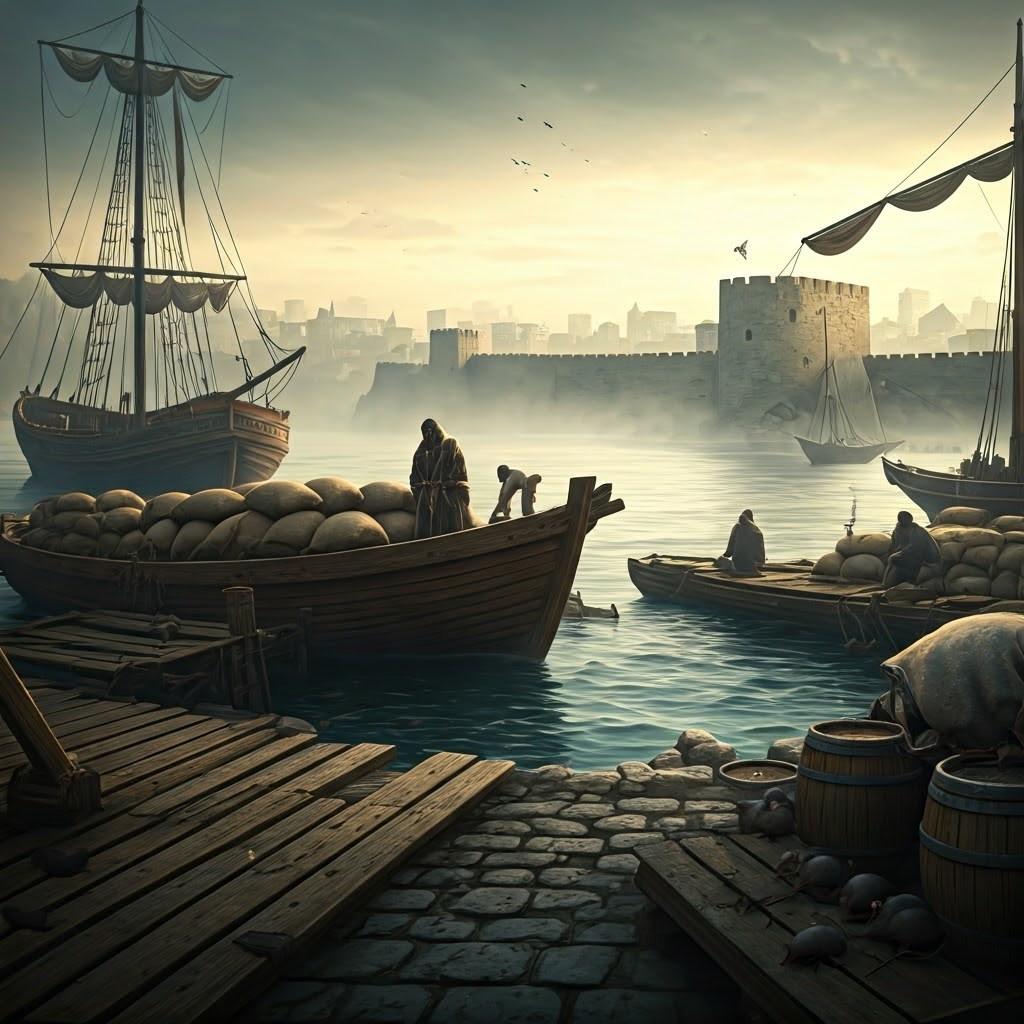
A Ship from the East
Picture the year 1347 in the busy port of Kaffa. Merchants whisper about Genoese traders who drop dead overnight while a siege rages outside their walls. Mongol forces fling infected bodies over the defenses, yet no one knows a tiny bacterium travels inside fleas and rats. The siege ends, survivors board ships, and the unseen threat sails west.
Trade routes act like living arteries. Each vessel that leaves Crimea carries silks, spices— and rats. Fleas hop from fur to skin with one quick bite, starting chains of infection that spread faster than any messenger can warn. Within weeks, new ports feel the same silent invasion.
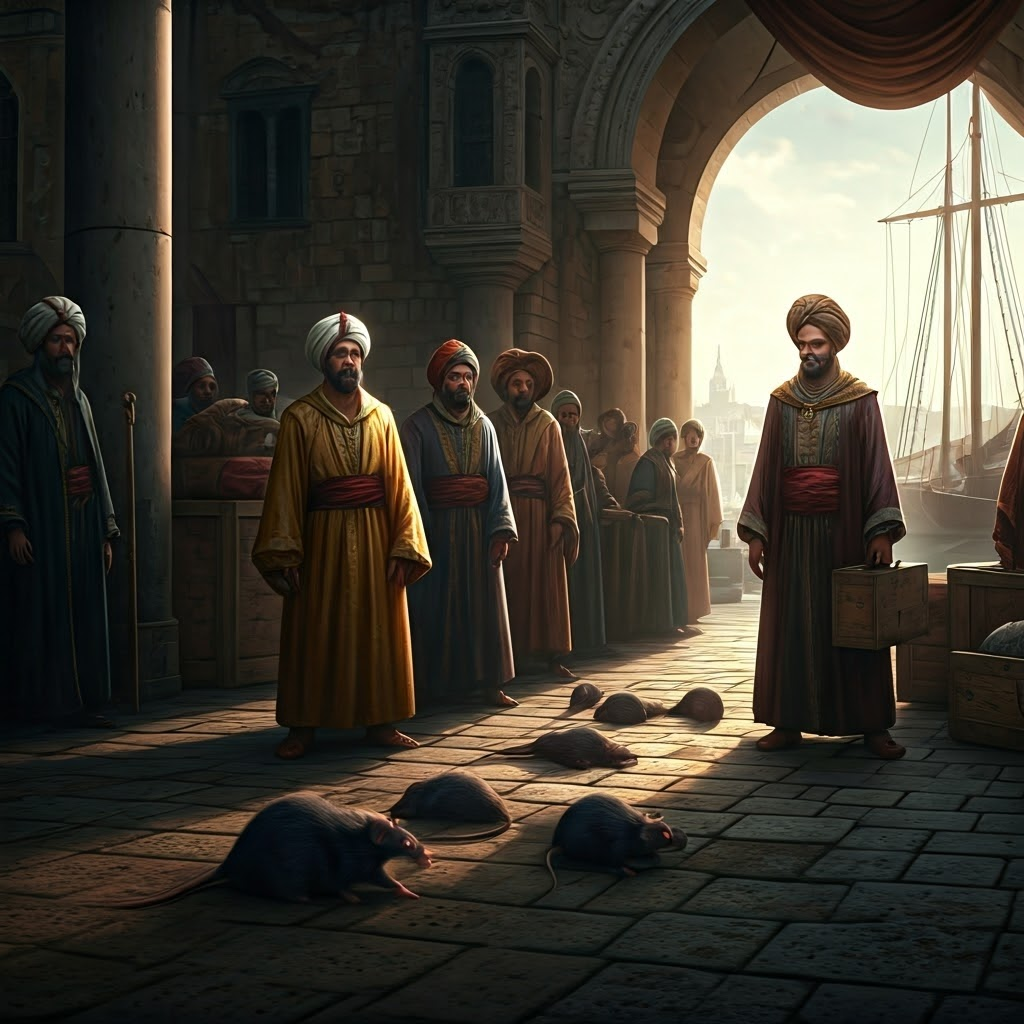
Ships dock in Constantinople, Messina, Genoa, and finally Florence. Goods tumble onto wharves. Rats follow. Dockworkers, priests, and wealthy traders all fall in turn. A man might load barrels at dawn and lie dead by sunset. Historian Monica Green says the plague spread “as if the world had caught fire at both ends at once.”
Port cities absorb the first shock, yet inland towns soon echo their fate. Roads teem with refugees who unwittingly carry disease. By winter, the illness touches nearly every corner of Europe, erasing old borders with frightening speed.
Counting the Lost
Numbers tell only part of the tragedy, yet they are stark. Modern scholars estimate Europe loses 30–50 % of its people in just four years. If eighty million lived before the outbreak, up to forty million die. Picture every other house on your street standing empty—doors ajar, silence inside.
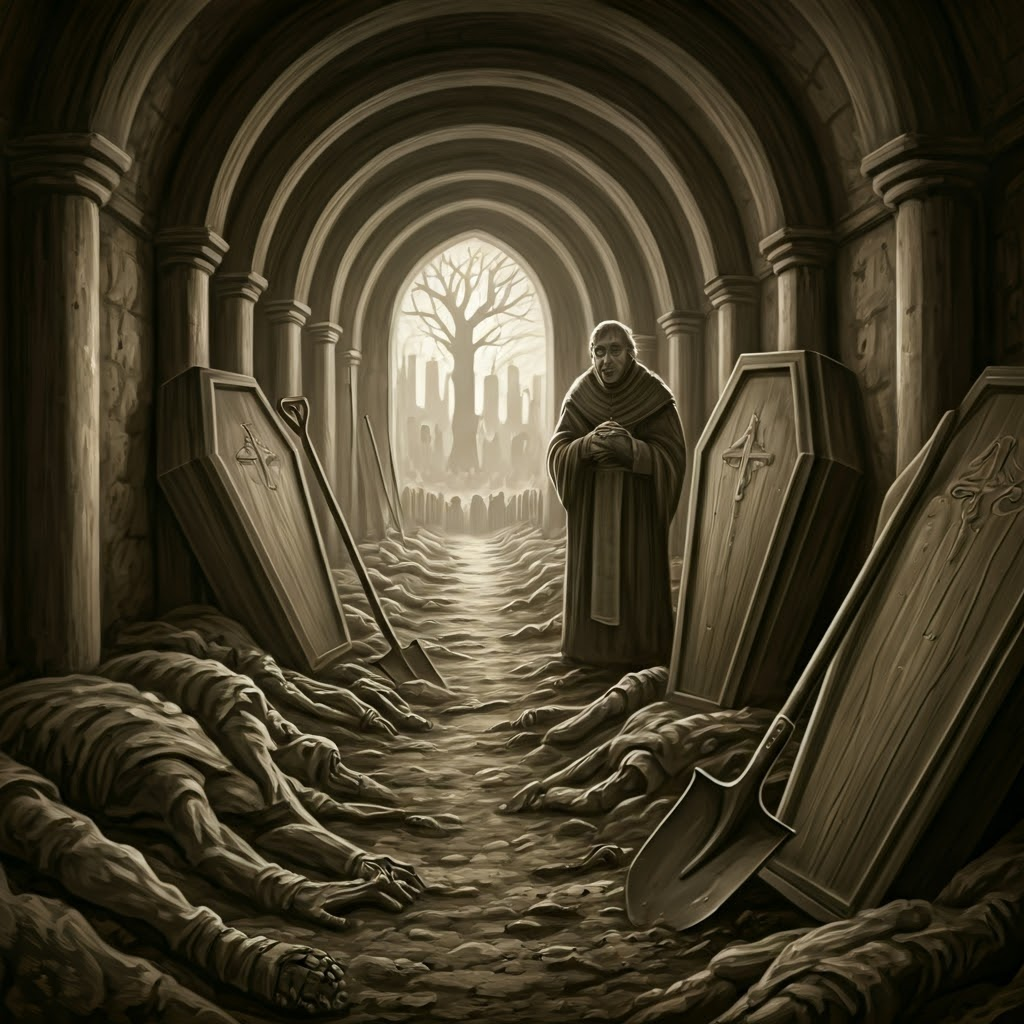
Records from towns like Givry list hundreds buried in a single month, sometimes leaving only a handful alive. Fields lie untilled because farmers are gone. Church bells toll so often that even the clergy collapse from exhaustion or illness. When graveyards overflow, bodies rest in abandoned homes or hurried mass pits.
Panic and Prayer
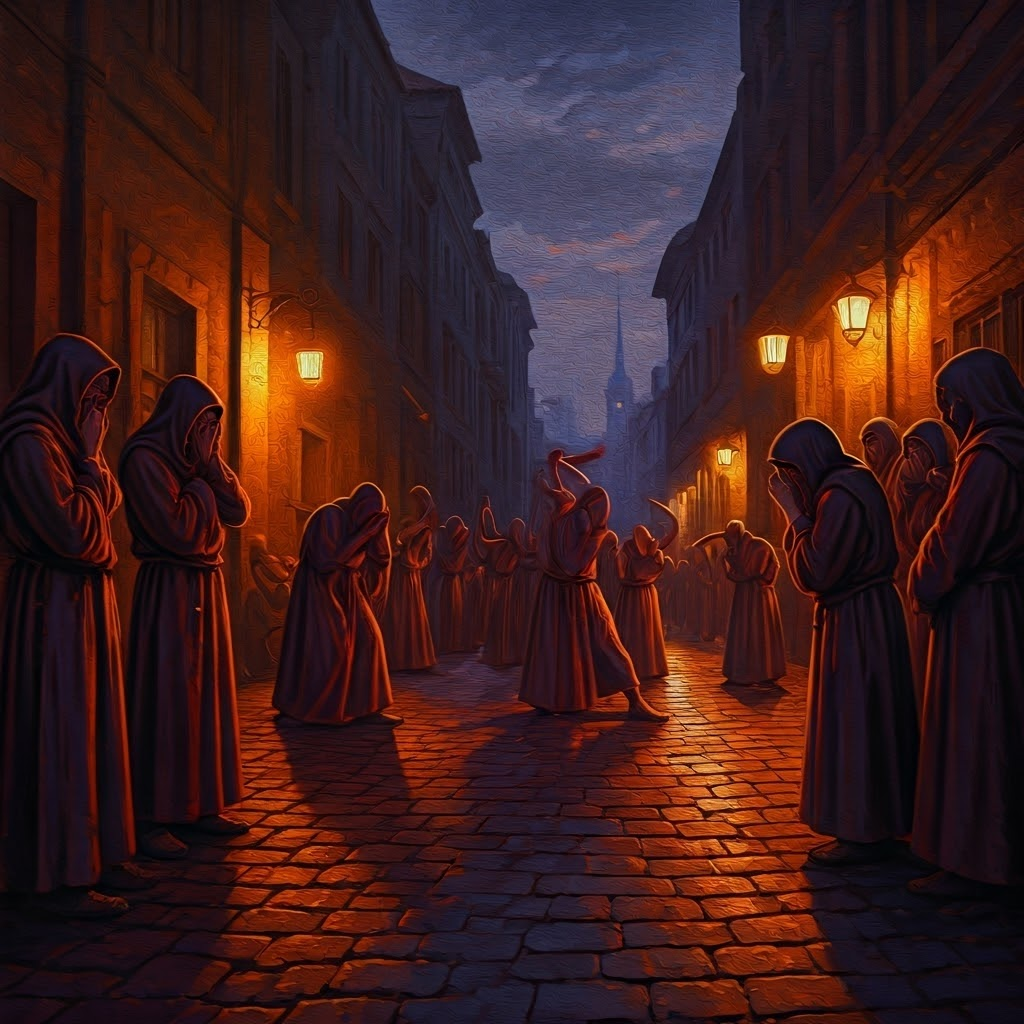
Faced with sudden death, communities seek meaning. Processions wind through streets, candles flickering while voices chant pleas for mercy. Some believers become flagellants, roaming from town to town and striking their own backs to atone for collective sin. Crowds watch, weeping or cheering, desperate for any sign of relief.
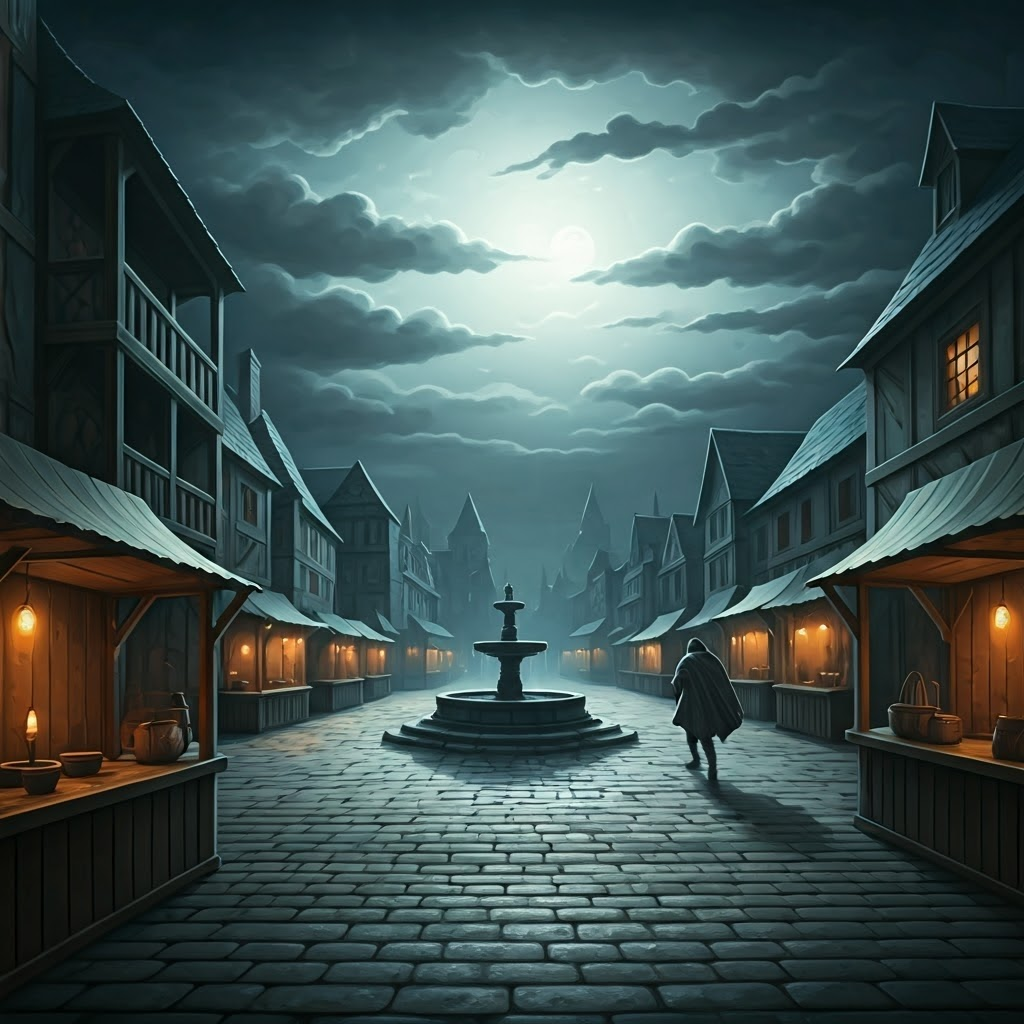
Suspicion turns outward. Outsiders, from Jews to wandering beggars, become easy targets for blame. Others light fires to cleanse “bad air,” wear fragrant herbs, or flee to lonely hillsides. Travelers like Ibn Battuta describe cities suddenly silent, markets closed, and streets devoid of life. Writer Boccaccio records families splintering under the weight of fear.
The Black Death is more than a disease; it is a force that shakes faith, rewrites social bonds, and makes survival itself feel uncertain. In Philip Ziegler’s words, it becomes a turning point that “rattles the bones of society,” leaving Europe to reckon with life, death, and everything believed in between.
