17 min read  •  9 min listen

Path Planning Primer

How Robots Really Find Their Way (and Don’t Crash Into Stuff)

Path Planning Primer

AI-Generated

April 28, 2025

Ever wondered how robots find their way through a maze of obstacles? This tome shows you the secrets behind smart path planning, from the basics to clever tricks used by the pros. Get ready to see how robots really think about getting from here to there.


Getting the Lay of the Land: Maps, Obstacles, and the Space Between
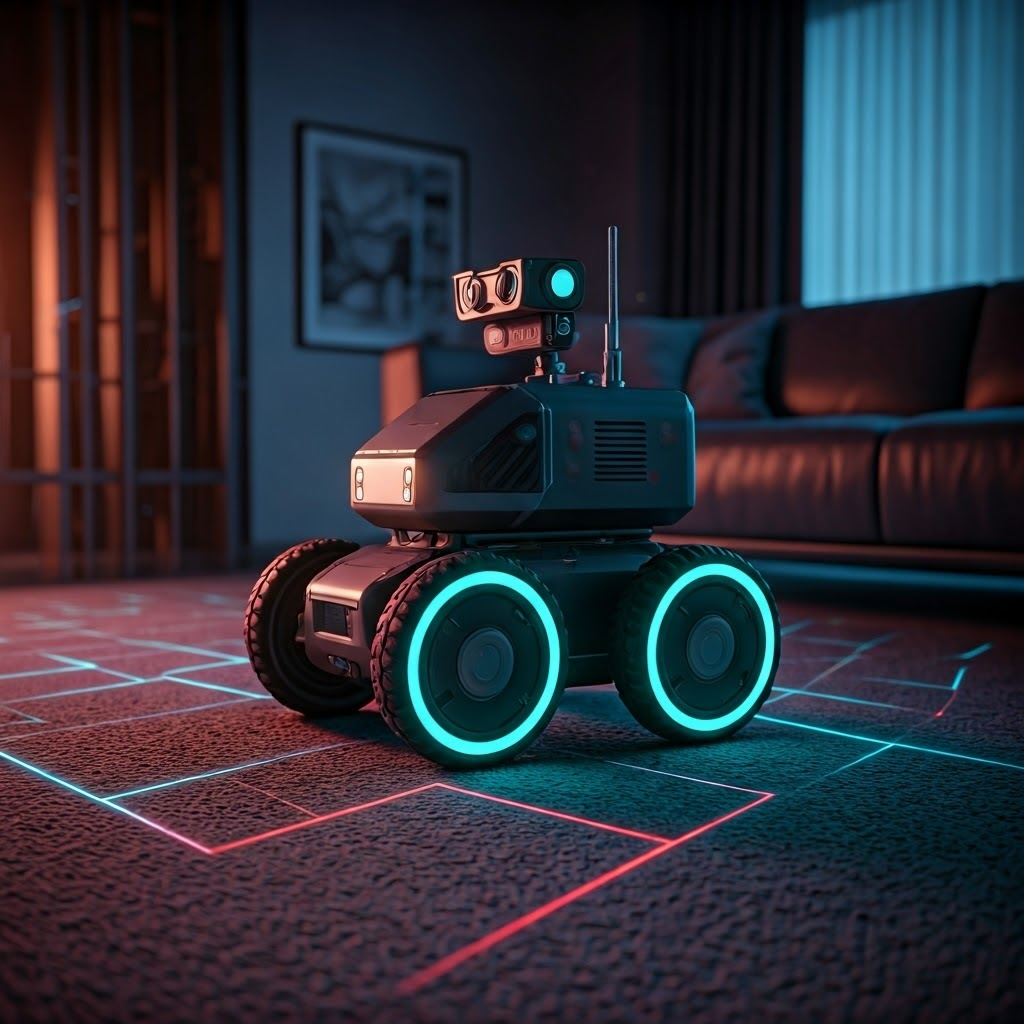
Sleek wheeled robot scans a modern living room, overlaid with a glowing grid that blends real and virtual mapping for precise navigation insight

How Robots See the World

When you ask a robot to move, it must first “see” the room. Instead of looking like we do, it builds a small map from sensor data. Think of walking blindfolded, touching objects as you go. The robot gathers similar clues, then sketches a simple grid of empty, blocked, or unknown spots.

This grid may look rough, yet it lets the robot plan with math, not guesses. The internal map often misses details or holds outdated info, so the robot pauses to update its belief. Those brief stops are the system catching up with reality.

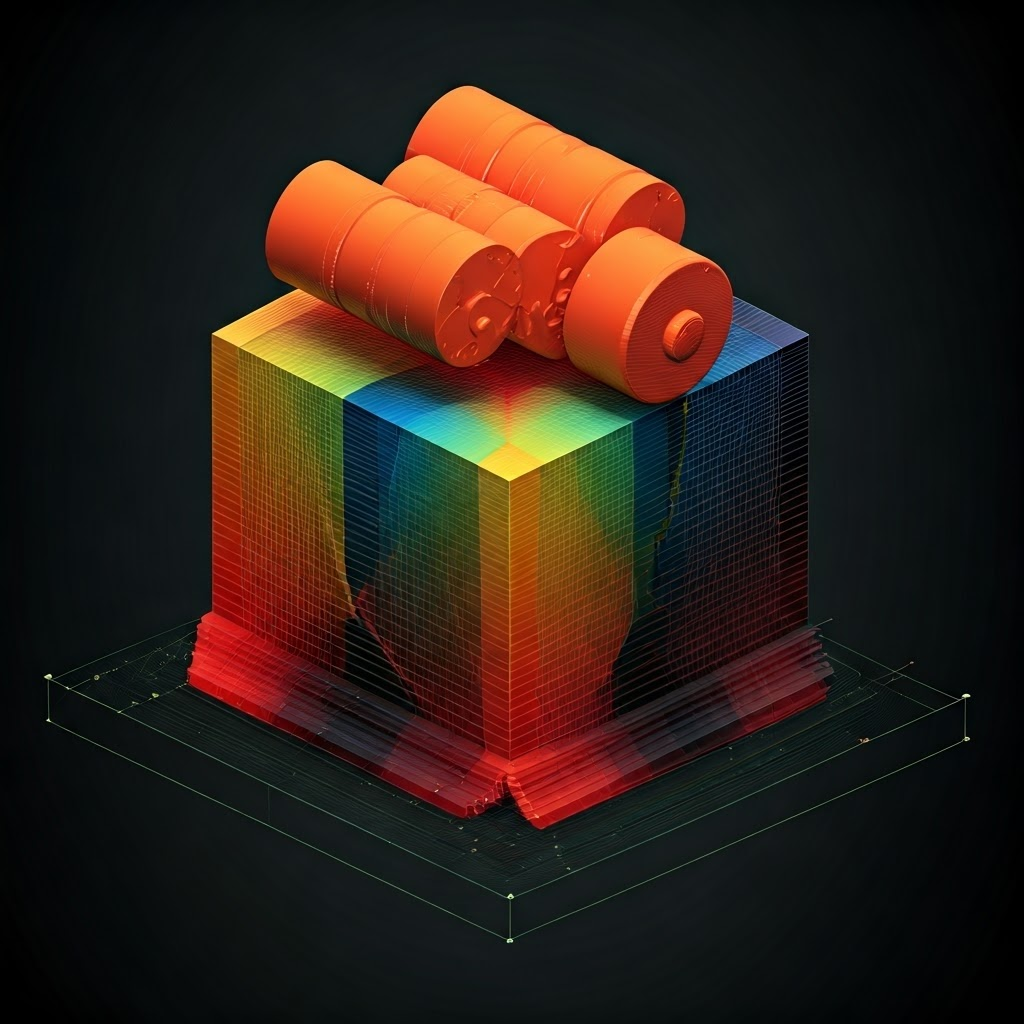
Translucent cell grid overlays a cluttered workshop floor, color-coded from blue to red to show changing odds that each cell is occupied

An occupancy grid assigns a probability to every cell, slowly sharpening the picture despite noisy sensors. It mirrors how your mind fills a foggy scene—one careful step at a time.
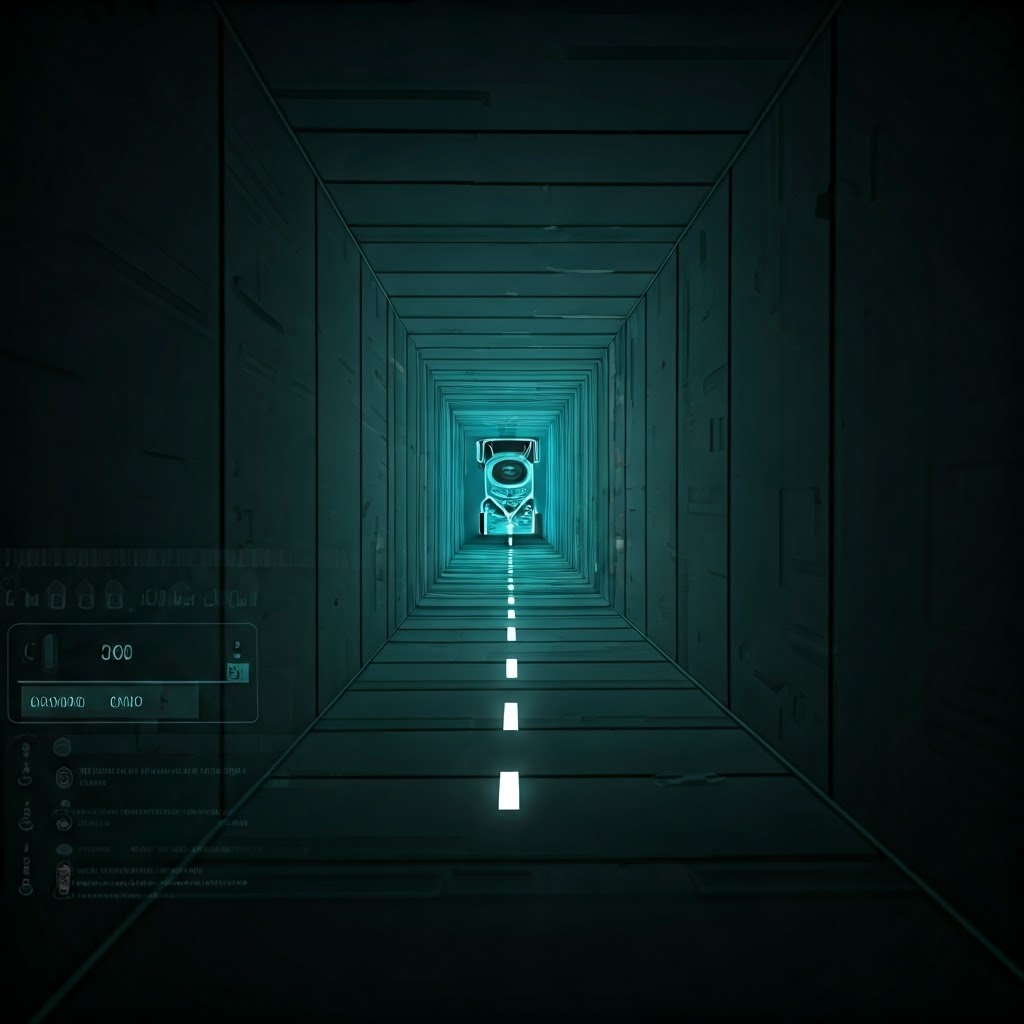
Top-down hallway view where walls shrink by the robot’s radius, showing its point-like center gliding through widened free space

Configuration Space: The Robot’s Playground

A map alone is not enough. The robot also needs rules for its own shape and motion. Configuration space (C-space) captures every position and orientation as one point—(x,y)(x, y)(x,y) for a simple rover, or (x,y,θ)(x, y, \theta)(x,y,θ) for a car.

Colorful high-dimensional plot where each axis is a joint angle, with safe zones glowing and forbidden volumes shaded deep red

In C-space, collision areas turn into forbidden regions, while the rest becomes free space. Parking a car then reduces to tracing a line through that safe volume.
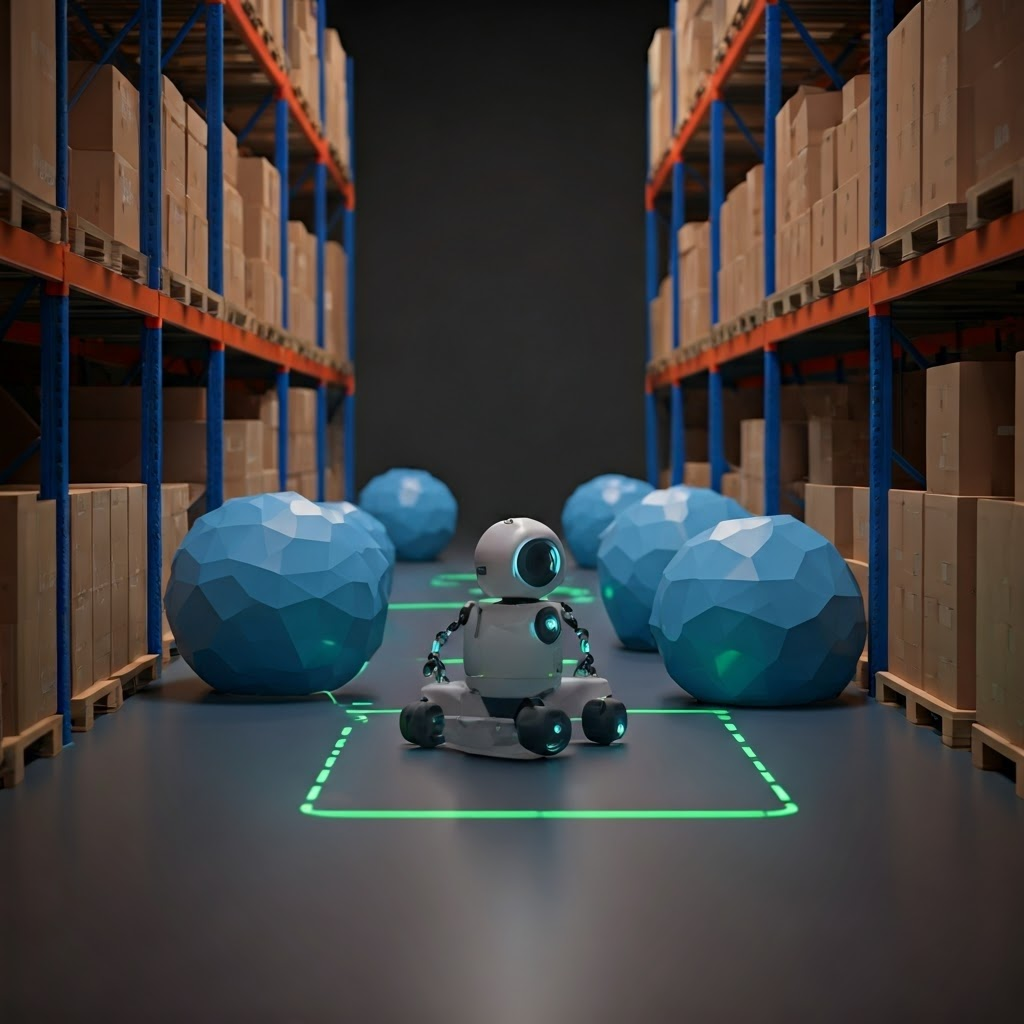
Round robot rolls past enlarged, puffy obstacle shapes in a warehouse aisle, its planned green path curving through clear gaps

Obstacle Inflation: Giving Robots Some Breathing Room

Sensors lag, wheels slip, and people drop bags. To cope, planners use obstacle inflation—they fatten every obstacle by a safety margin, then treat the robot’s center as a point that must stay outside these expanded blobs.

If your robot is 0.5 m wide, you might add 0.25 m around each object. The margin absorbs small errors, so even if the robot drifts, it stays clear. Too little inflation risks crashes; too much makes the robot timid. Tuning it is part science, part art.

Helpful home robot threads through a messy living room, its route snaking around softly glowing buffer outlines that protect furniture

Obstacle inflation appears in robot vacuums, warehouse movers, and more. Together with maps and configuration space, it forms the quiet logic that lets real robots travel safely through our always-messy world.


Tome Genius

Robotics: Design & Control Systems

Part 7

Tome Genius

Cookie Consent Preference Center

When you visit any of our websites, it may store or retrieve information on your browser, mostly in the form of cookies. This information might be about you, your preferences, or your device and is mostly used to make the site work as you expect it to. The information does not usually directly identify you, but it can give you a more personalized experience. Because we respect your right to privacy, you can choose not to allow some types of cookies. Click on the different category headings to find out more and manage your preferences. Please note, blocking some types of cookies may impact your experience of the site and the services we are able to offer. Privacy Policy.
Manage consent preferences
Strictly necessary cookies
Performance cookies
Functional cookies
Targeting cookies

By clicking “Accept all cookies”, you agree Tome Genius can store cookies on your device and disclose information in accordance with our Privacy Policy.

00:00