
How We Found Our Place: From Earth-Centered to Sun-Centered
For centuries people believed Earth stayed still while everything else revolved around us. The sky seemed to confirm the idea, so the geocentric story felt right.
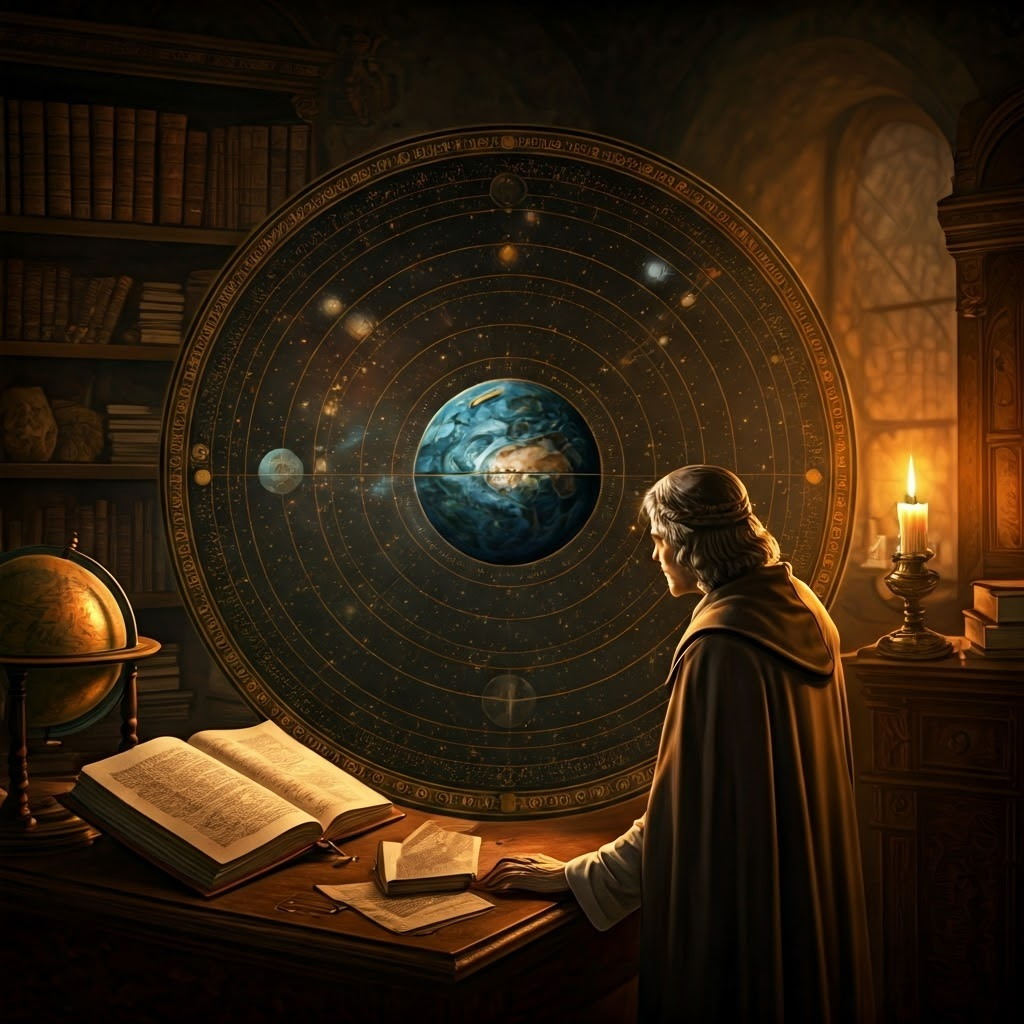
The Old Idea: Earth at the Center
Night after night the Sun rose, crossed the sky, and set. Stars and planets traced steady paths. Daily life felt local, and Earth looked like the obvious center. This simple appearance anchored the ancient viewpoint.
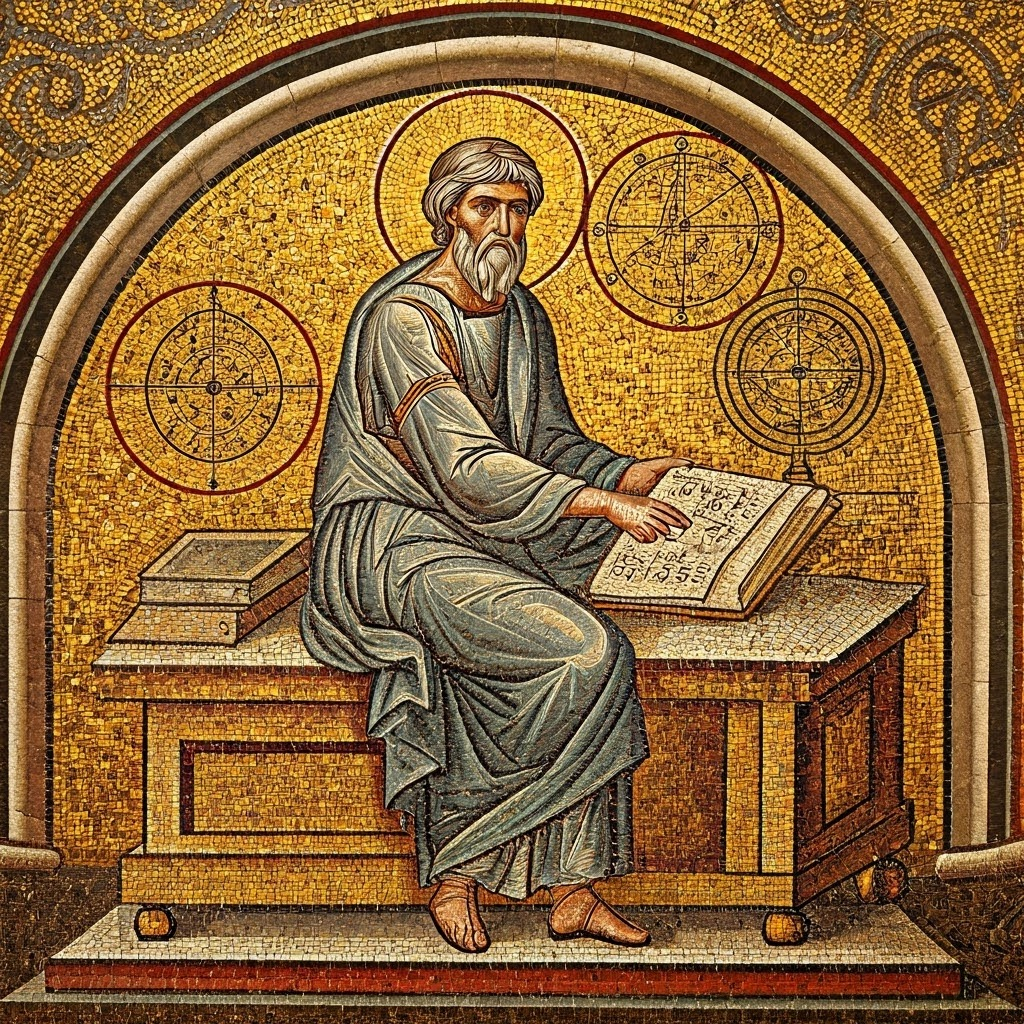
Ptolemy formalized that picture around 150 AD. He described planets on epicycles riding larger circles around Earth. The math fit observations and solved tricky retrograde loops, so his intricate but dependable model guided scholars for centuries.
The Old Idea: Earth at the Center
Geocentrism shaped religion, art, and science for 1,400 years. People saw themselves at the universe’s hub. Yet odd, zigzag planetary motions hinted that something in the cherished framework was off.
A Sun-Centered Shakeup
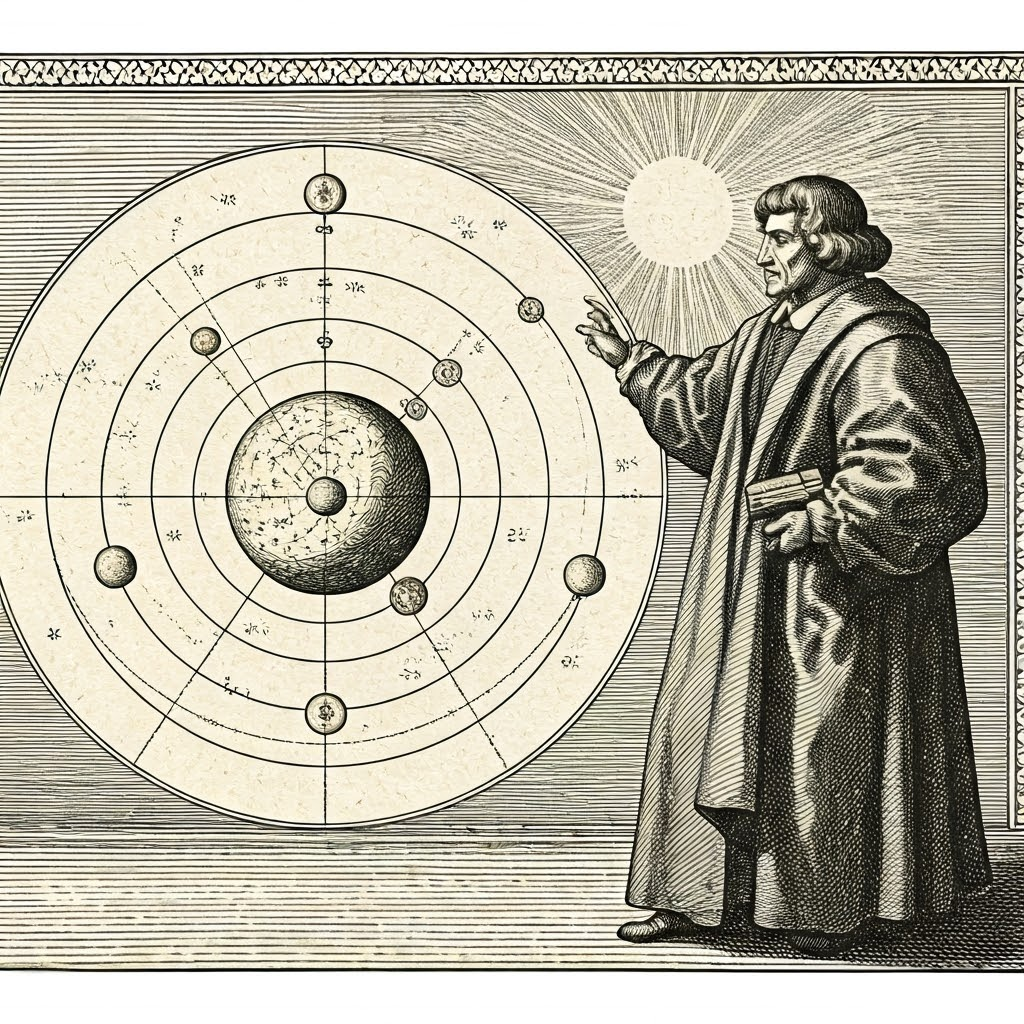
In the early 1500s Nicolaus Copernicus asked a bold question: what if the Sun sat in the middle? His heliocentric layout placed Earth among the other planets. The idea looked cleaner and promised simpler explanations.
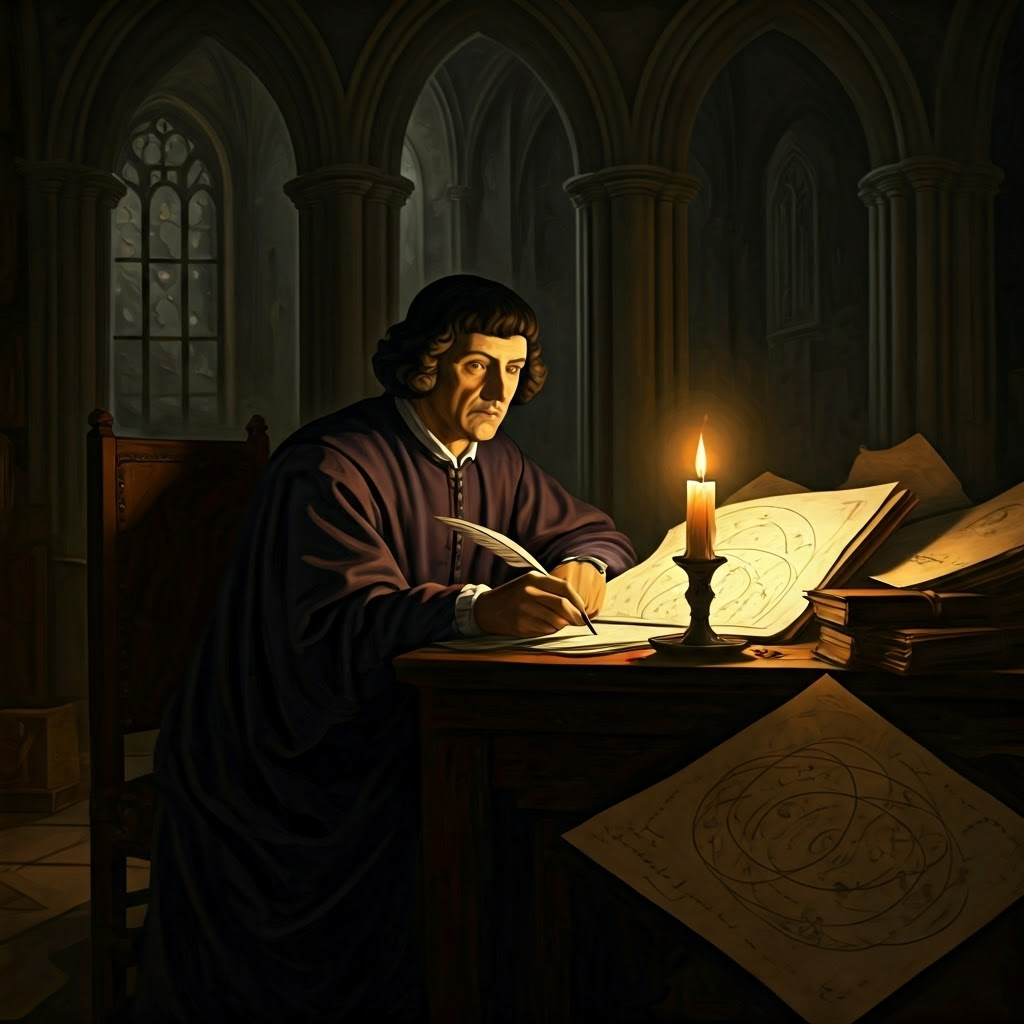
Copernicus released his book in 1543. He waited because challenging tradition felt risky. Still, the book stirred debate and planted a resilient seed.
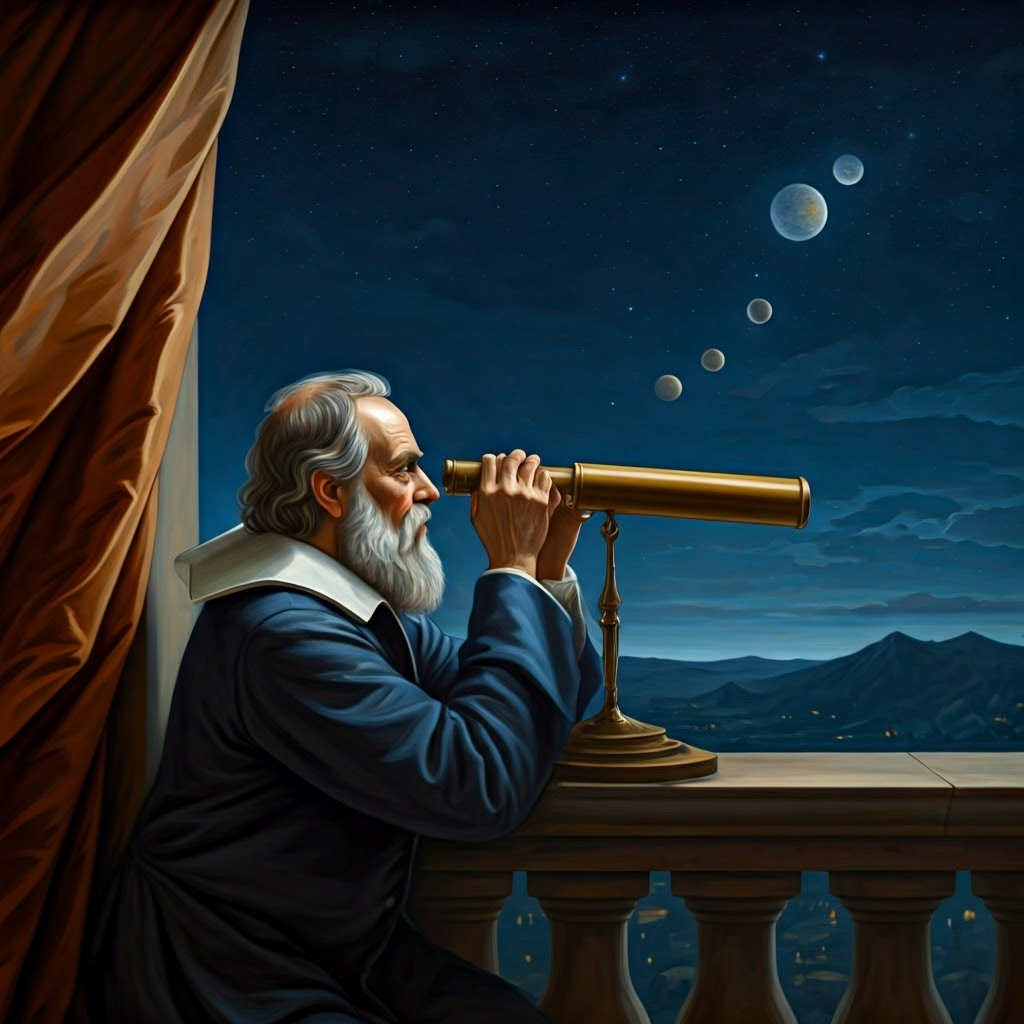
Galileo’s telescope changed talk into proof in 1609. He spotted four moons circling Jupiter and phases of Venus. These clear sights showed that not everything orbits Earth. Observation backed the daring proposal.
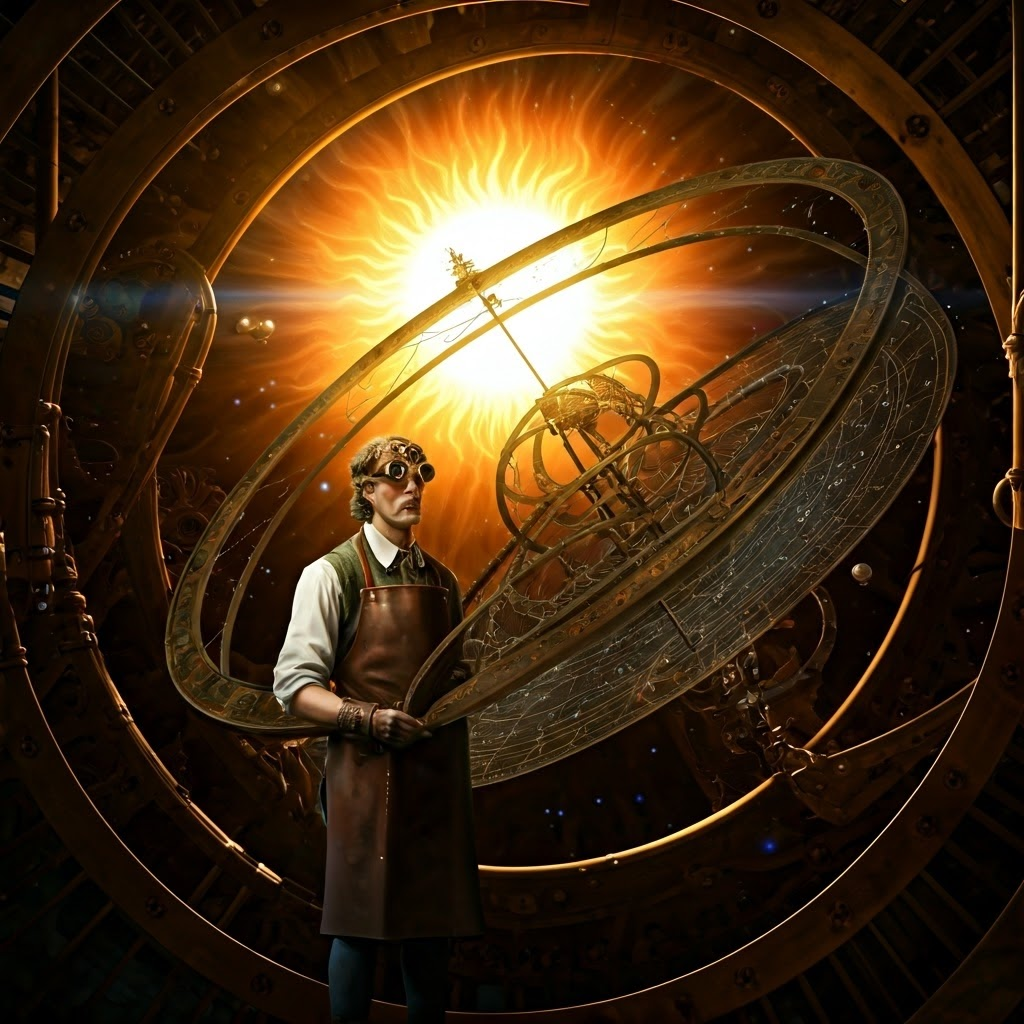
Johannes Kepler refined the idea with Tycho Brahe’s data. He found that planets move in ellipses, not circles. This single shift made positions line up with reality, giving the heliocentric view strong precision.
Resistance lingered, yet each new fact eroded doubt. The accumulating evidence slowly tipped minds toward the Sun-centered truth.
Proof in the Planets
Galileo saw mountains on the Moon and spots on the Sun. Imperfections proved the heavens weren’t flawless crystal spheres. Telescopes joined math to build convincing evidence.
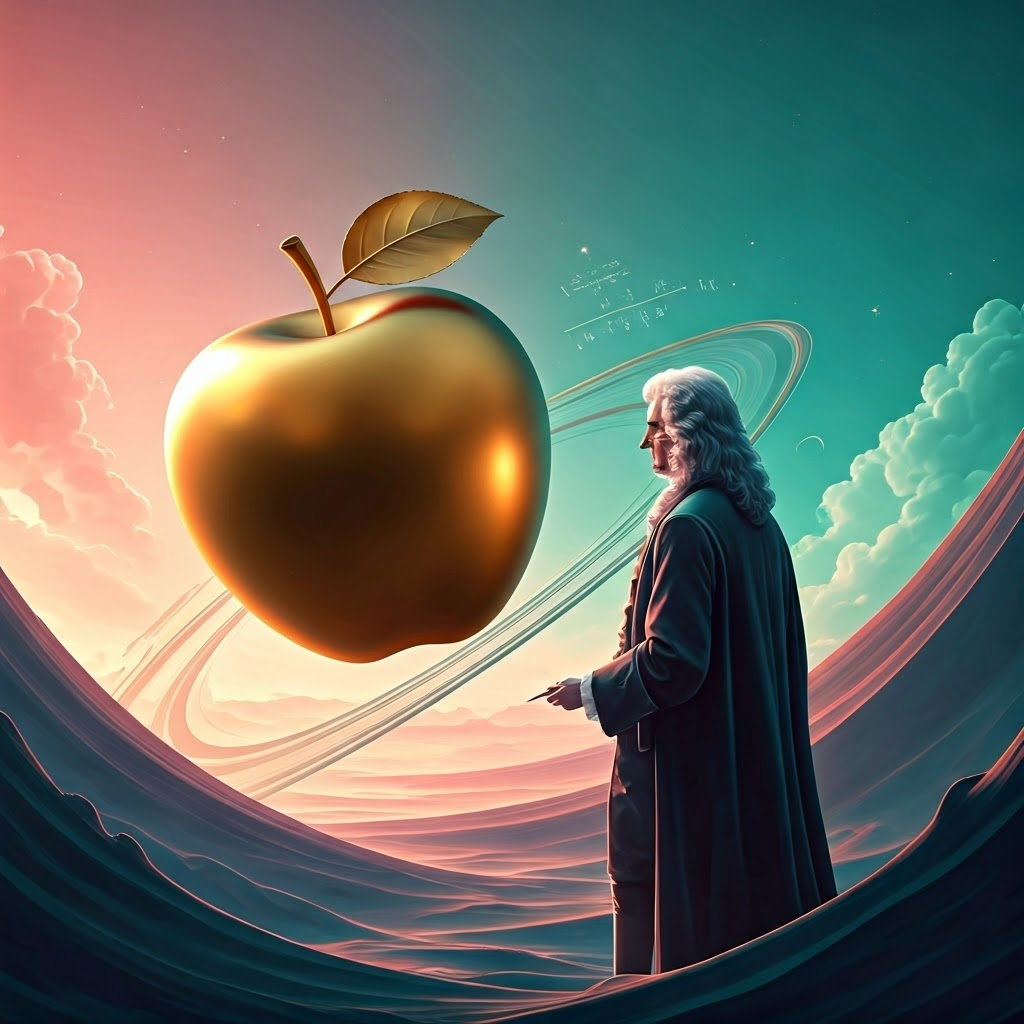
Kepler’s three laws described how planets move. Isaac Newton asked why. His universal gravity——showed the same force guides apples and planets. One elegant principle united sky and Earth.
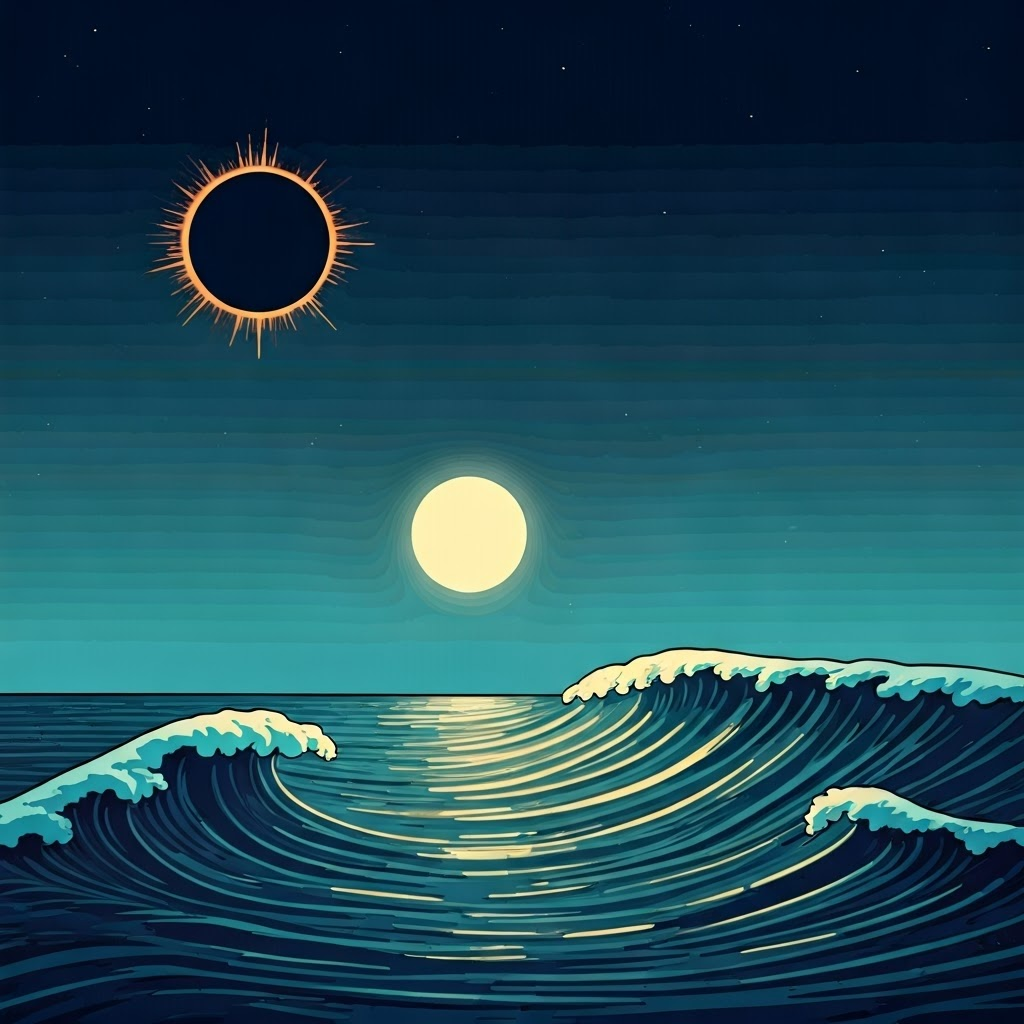
With gravity in hand, scientists predicted tides, eclipses, and satellite paths. The heliocentric model kept proving itself through reliable forecasts.
Why It Matters: Our Changing Perspective
Learning Earth is not the center shifted human self-image. It encouraged doubt, testing, and revision—habits that define modern science.
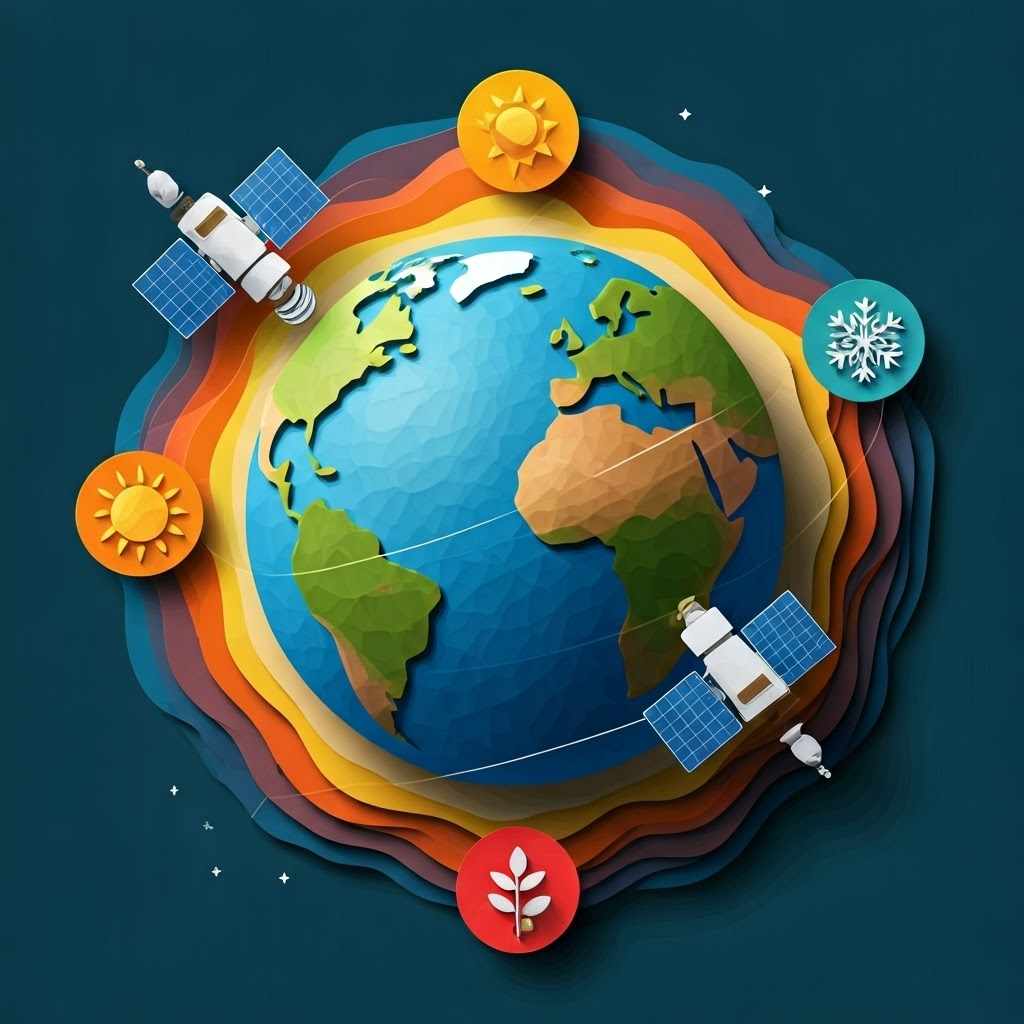
Today heliocentrism guides GPS, climate studies, and space missions. The journey reminds us to keep questioning and let observable facts lead the way.
