
Campfires, Stars, and the First Questions
When the World Was Full of Spirits
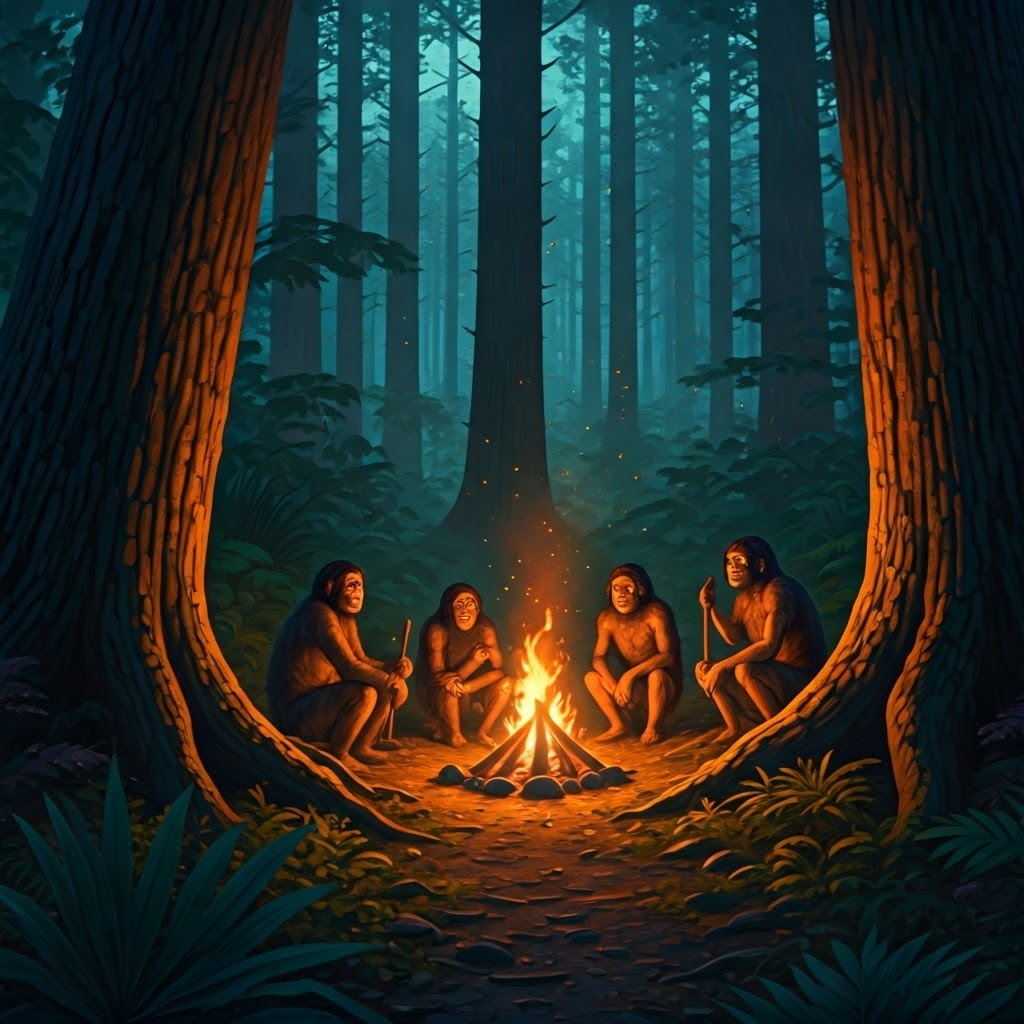
Picture a small group huddled around a fire tens of thousands of years ago. The flames push back the dark. Outside, shadows move and animals watch. Every rumble of thunder feels personal. In that setting, people sensed the world was alive with spirits.
This view is called animism. It holds that every rock, tree, river, and creature carries its own force. Living close to nature, people treated a river like kin—thanking it or asking for help—because their survival depended on it.
Daily life blended into rituals. You talked to the moon, apologized to a hunted deer, or sang after harvests. Modern habits like knocking on wood echo those early practices.
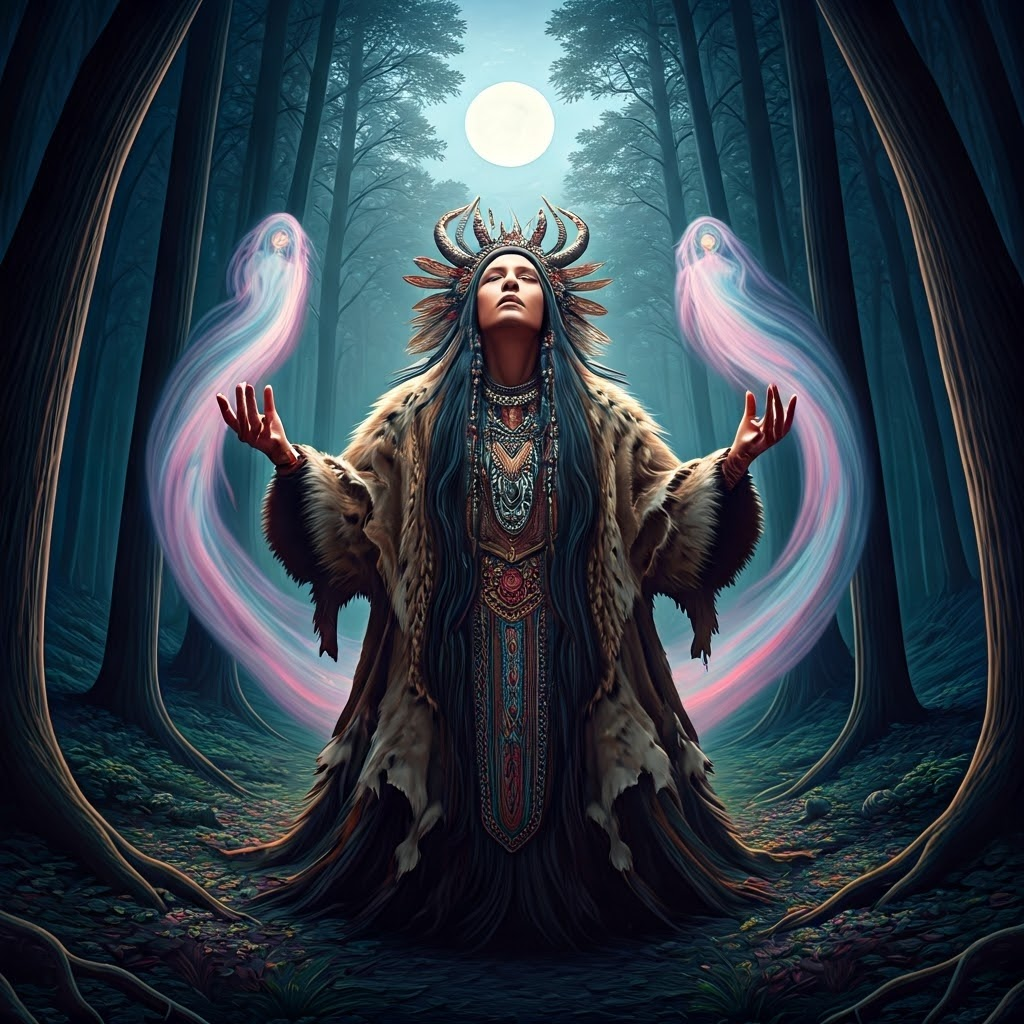
Some individuals became shamans—specialists who seemed able to enter trances, read dreams, or heal sickness by speaking with the spirit world.
Anthropologists describe shamans as masters of ecstasy. Communities trusted their guidance. When a shaman said a spirit wanted a new hunting ground, people moved. That trust marked early religious leadership.
Seeing the world as spirited turns life into dialogue. Offerings kept forces balanced. Animism still thrives today—from Amazonian forests to Japan’s Shinto shrines.
Burials, Art, and the First Sacred Spaces
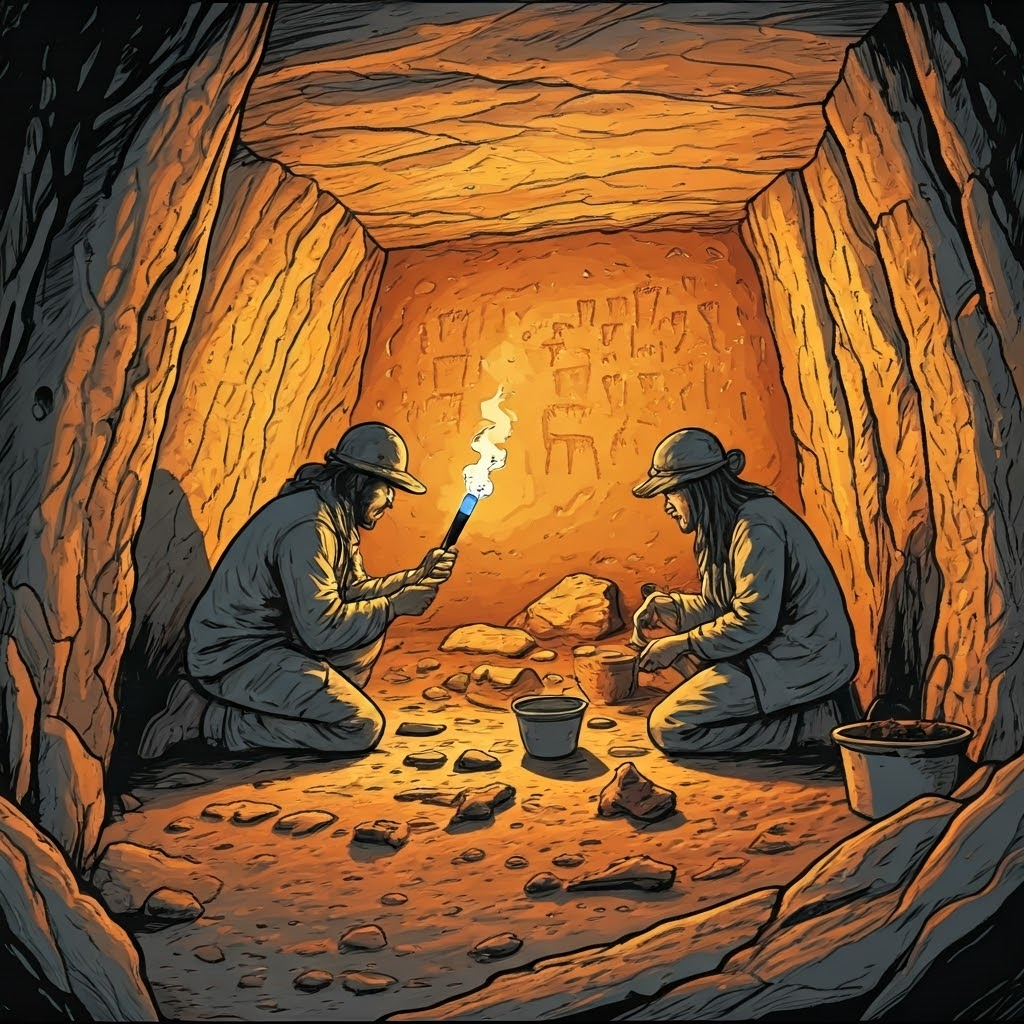
Ancient graves reveal belief in an afterlife and the birth of sacred space. Symbolic burials at Qafzeh Cave, 100,000 years old, include tools and red ochre—signs the dead might need these items beyond this world.
Placing gifts with bodies differs from simple disposal. It shows people already wondered what comes after death.
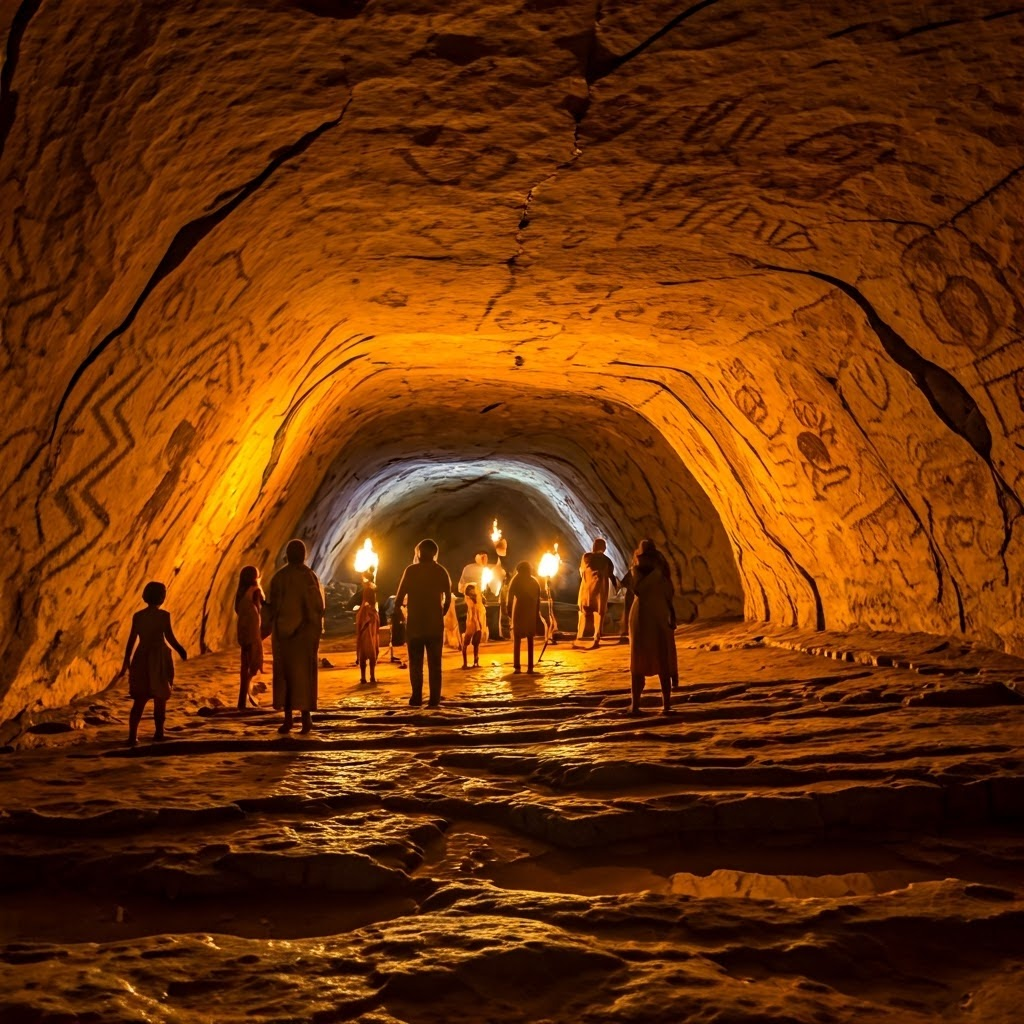
Cave art at Lascaux and Altamira signals deeper meaning. Explorers ventured into complete darkness to paint animals, symbols, and handprints—likely part of ceremonies rather than decoration.
Drawing a bison might enact sympathetic magic, helping hunters find real bison. Caves became theaters for spiritual experiences guided by shamans.
People later built larger monuments. Göbekli Tepe’s 11,000-year-old stone circles served no domestic need but hosted gatherings and rites, foreshadowing today’s temples and churches.
From Myths to Meaning
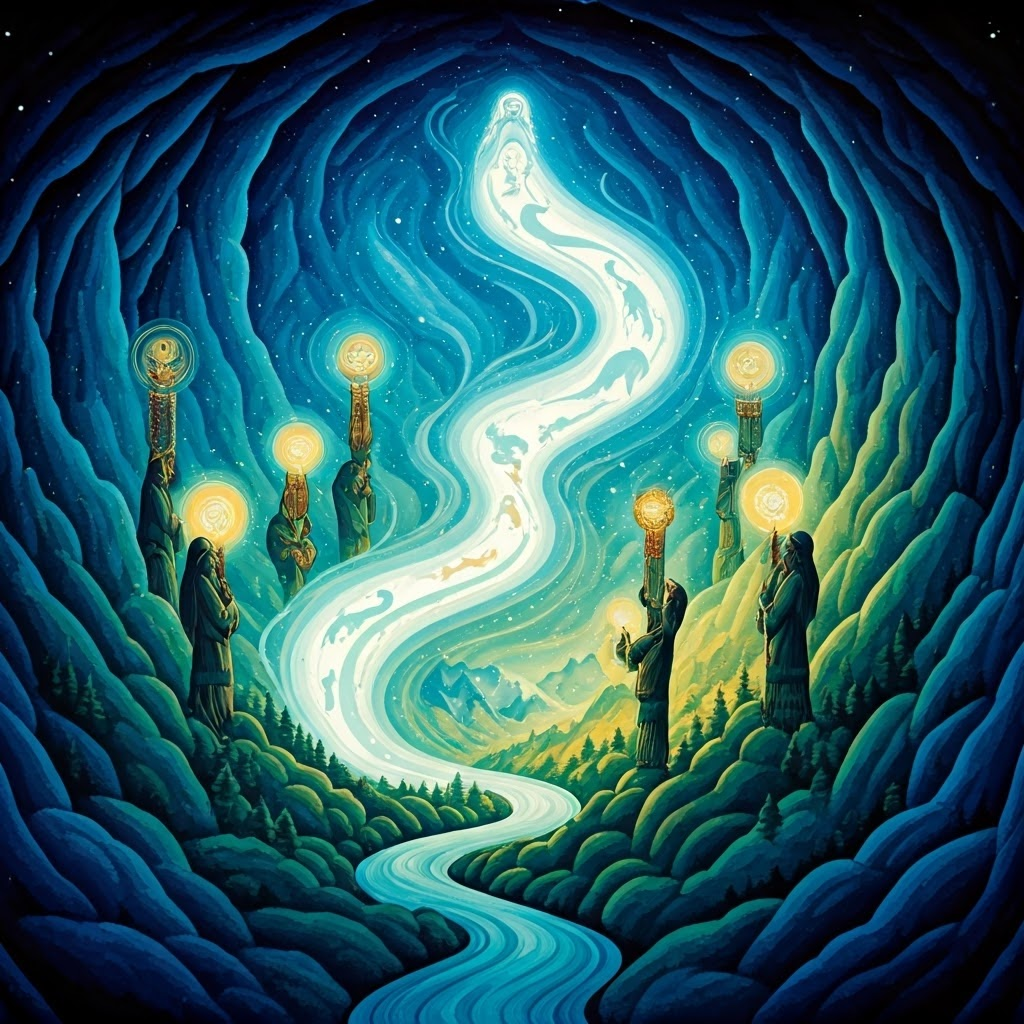
Cultures crafted myths to explain sunrise, storms, and death. These tales guided behavior and linked listeners to larger forces.
Aboriginal Dreamtime, trickster legends in the Americas, and Mesopotamian flood stories show how varied stories tackled similar questions across the globe.
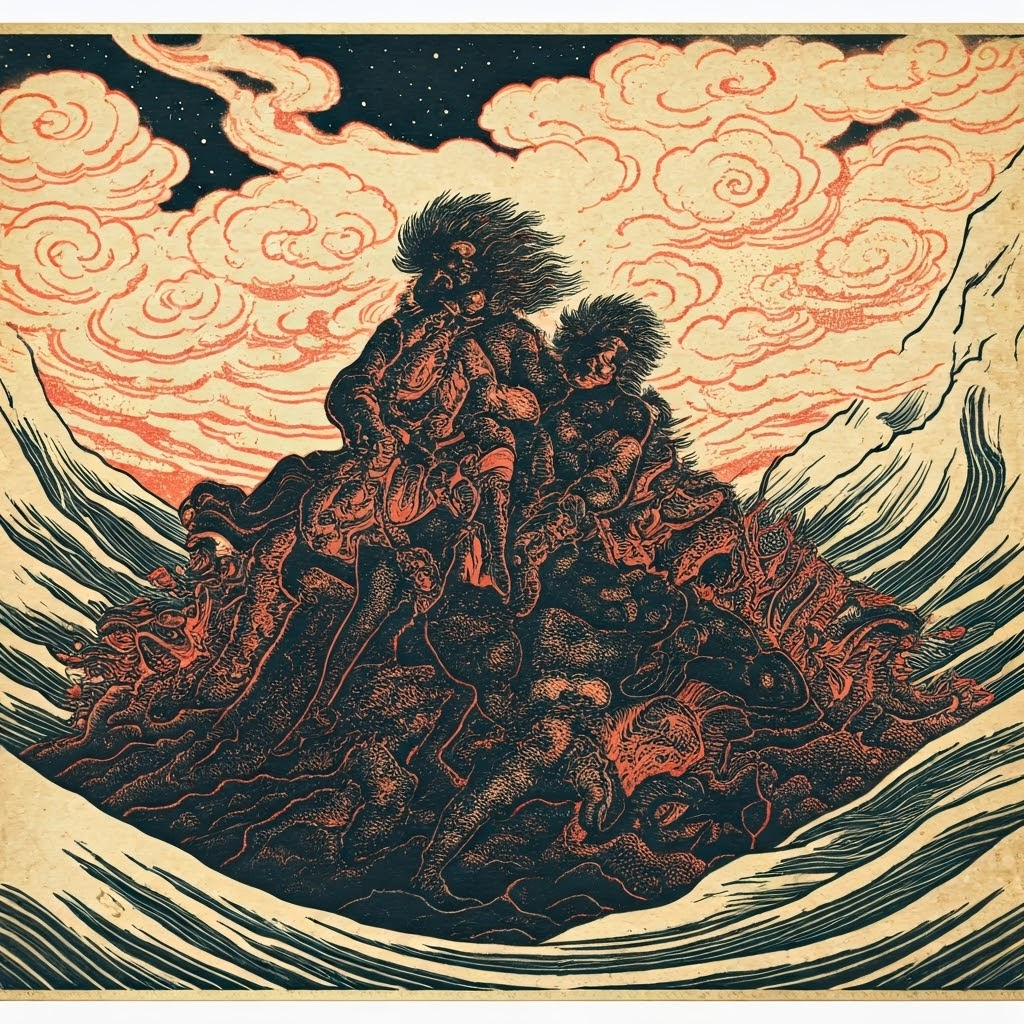
Shared myths offered order, comfort, and identity. Repeated around fires or carved in stone, they forged shared values.
As societies grew, stories formed the spine of organized faiths. Greek, Chinese, and other narratives still influence modern rites, holidays, and symbols.
The Seeds That Still Grow
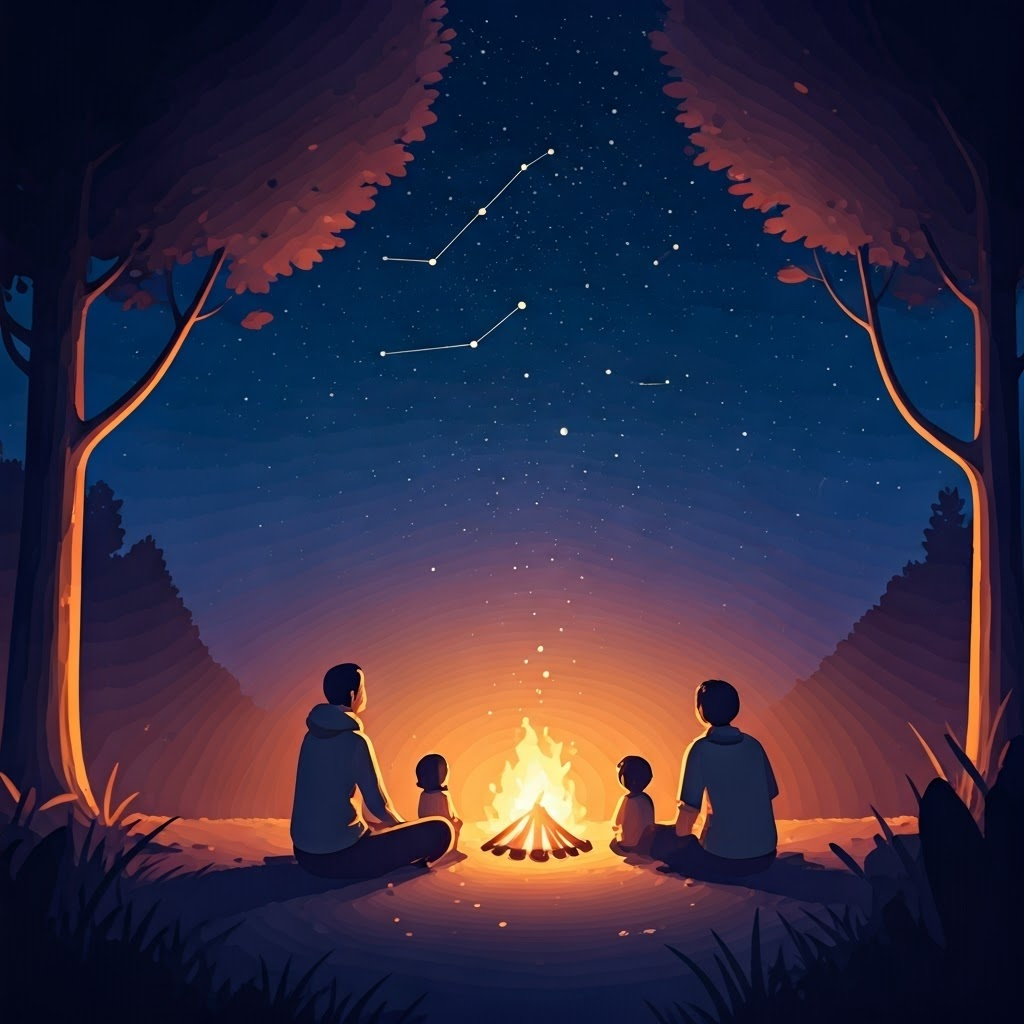
The same wonder that flickered in ancient campfires lives on when we gaze at the stars, honor ancestors, or soothe a child with a story. Early spiritual ideas were creative answers to life’s biggest questions—and they still shape what makes us human.
