
Foundations Under the Sky
Opening Snapshot
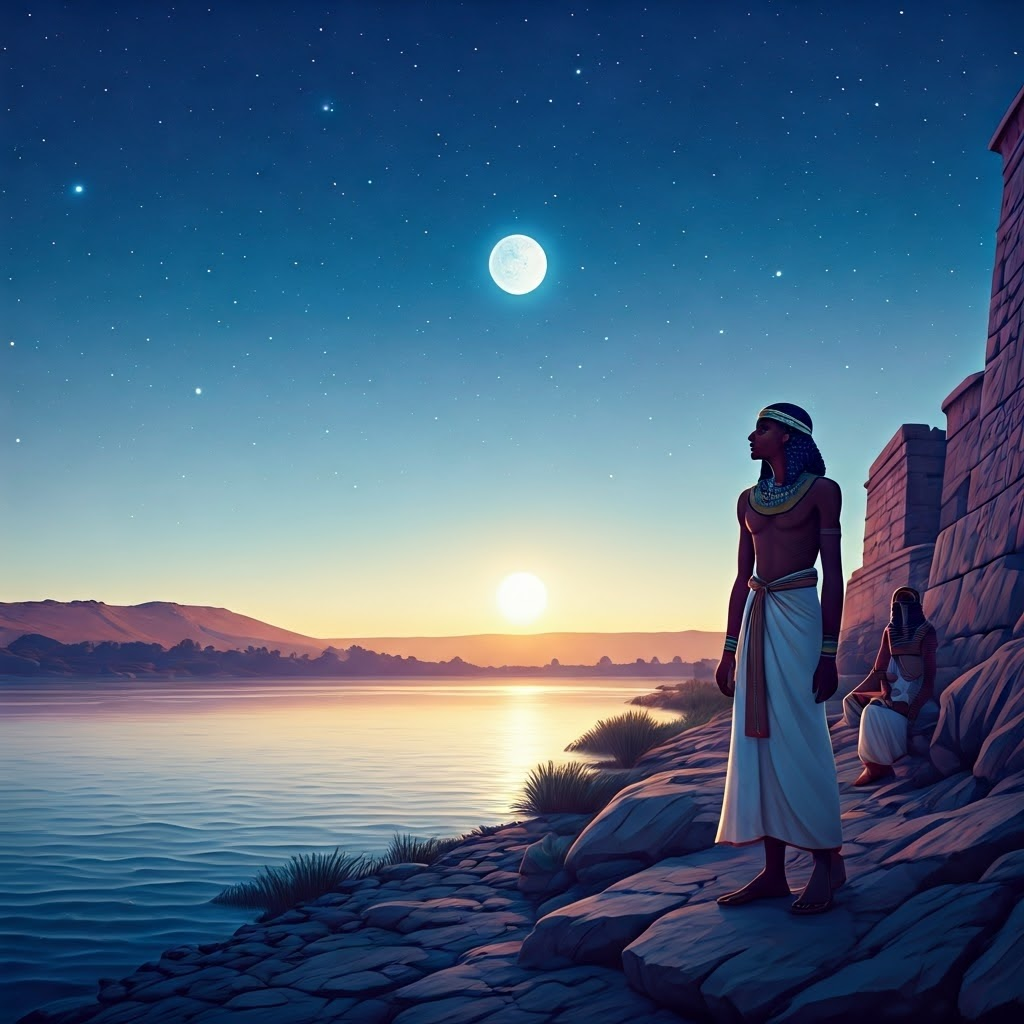
Imagine standing on the banks of the Nile thousands of years ago, far from city lights or any form of modern technology. Above you, a sky brimming with stars reflects on the calm water.
Each evening, the moon rises slowly, shifting shape and position as days pass. You see patterns: stars crossing the sky, the river's floods, and the sun's path. You can't explain them yet, but you notice they repeat in steady loops.
These early sparks of wonder led to humanity's first steps toward science. Rather than accept the world as a mystery, people began to watch carefully. They searched for cycles and reasons, inching closer to the dawn of observation.
Myth and Early Observations
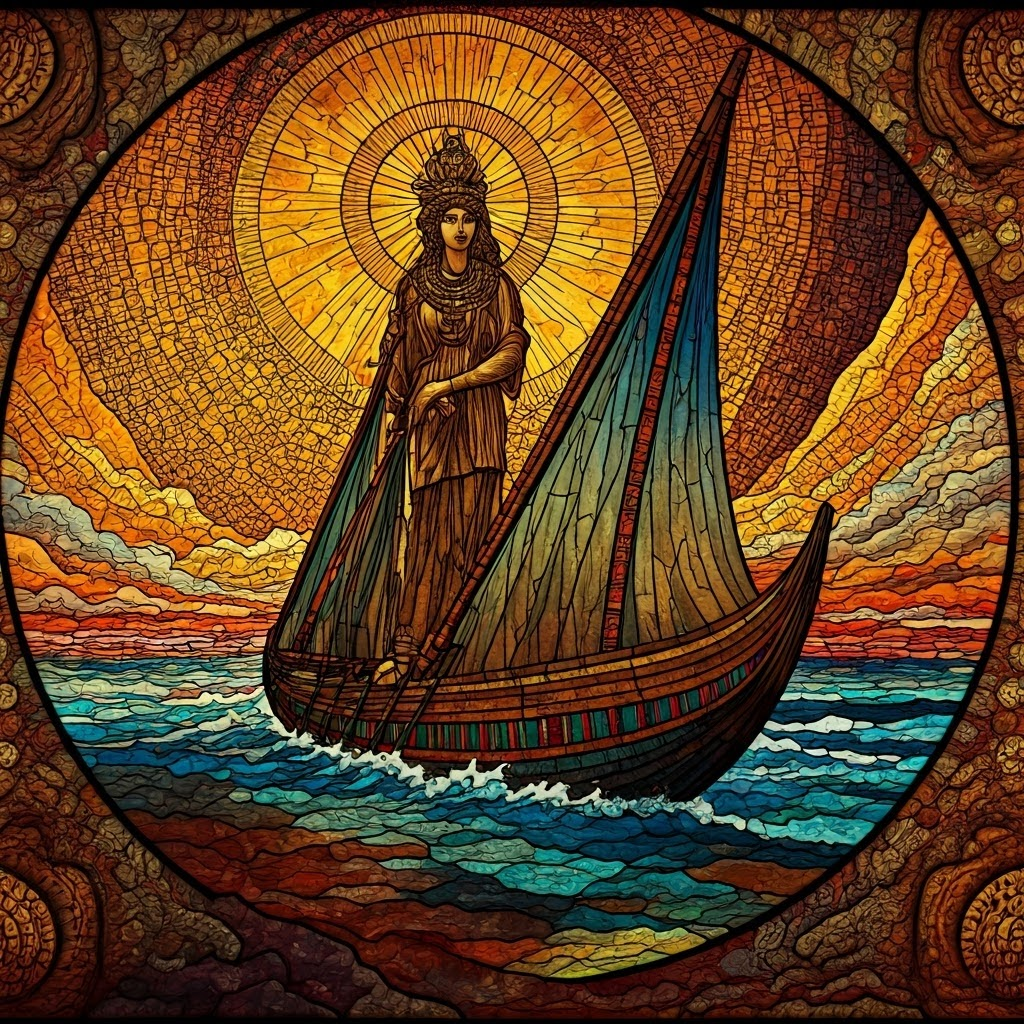
Early civilizations lacked telescopes or textbooks, but they had stories. In Mesopotamia, the bright planet Venus was linked to the goddess Inanna, tied to love and war. Egyptians spoke of Ra, the sun god, sailing across the sky each day.
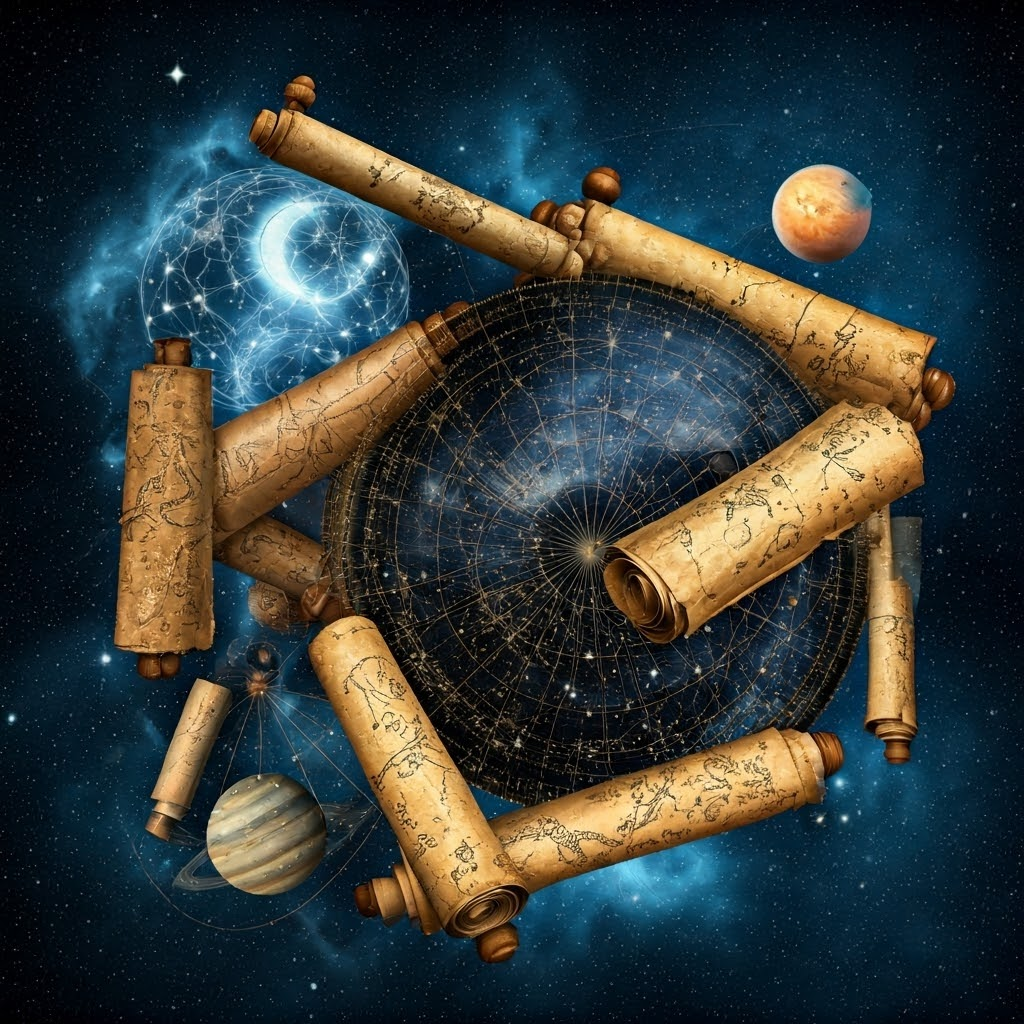
These tales explained events like eclipses or floods. Yet change was on the horizon. Alongside myths, observers started logging patterns on clay tablets. Babylonians noted planetary movements, star charts, and lunar eclipses with painstaking detail.
Egyptians tracked the Nile's flooding to predict planting seasons. Although religion still guided much thinking, the practice of careful watching pushed humanity closer to true exploration. This habit of recording details would shape our path forward.
Myth and Early Observations
This blend of myth and observation shows the start of science: people tested ideas and recorded results. Myths served as hypotheses, offering explanations that observation could prove or disprove. Slowly, the line between belief and reality became a bridge of curiosity.
Primitive Medical Notes
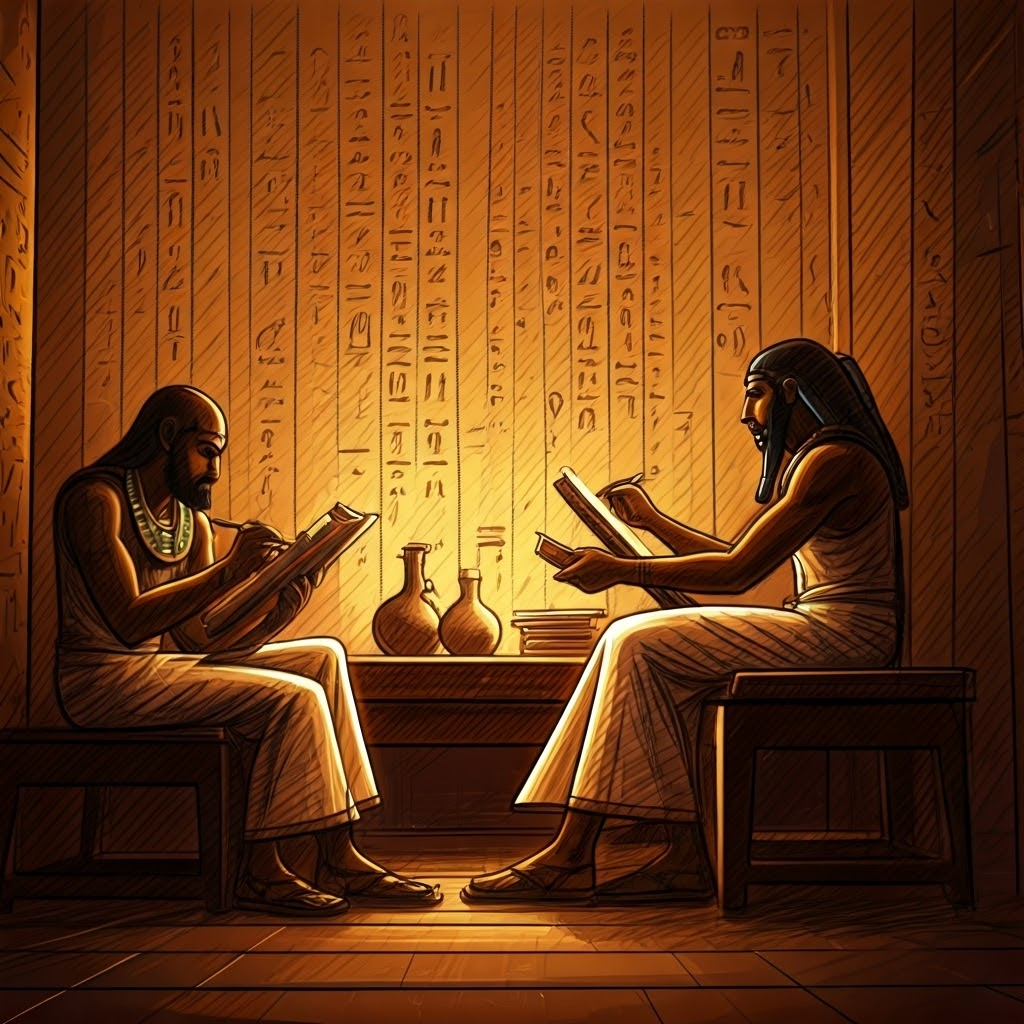
As people watched the skies, they also examined the body. Egyptian doctors wrote notes on papyrus, describing illnesses and remedies. The Edwin Smith Papyrus detailed basic treatments for wounds and broken bones. It included practical observation of pulse, fever, and injuries.

Just as early astronomy blended myth and data, so did medicine. A headache might come from a spirit's anger or the scorching sun. Treatments mixed prayers, rituals, and honey for wounds. Their notes linked cause and result, building small steps toward rational methods.
These records nudged thinking away from pure superstition and toward structured inquiry. Though primitive, they opened the door to structured inquiry. Their curiosity formed the foundation of what we recognize as medical science today.

A Sky We Still Share
After thousands of years, it's humbling to realize we see the same stars and moon as ancient cultures. We've moved beyond myths of gods and spirits into deep telescopic views of galaxies. We found nature's laws in sky records and notes on human health.
Yet mystery remains vast. Whether you're on the Nile or in a modern backyard, curiosity still shines. The universe keeps unveiling new questions. Under this endless sky, we share a timeless wonder that links us to ancient stargazers and healers alike.
