
The Many Paths: Mysticism Across Traditions

Mysticism invites a direct, personal meeting with the sacred—a feeling so vivid you forget yourself for a moment.
These flashes might come in a hushed forest, a soaring song, or an ordinary scene suddenly glowing with meaning.
Mystics chase that fullness daily, aiming to make it a settled way of life.
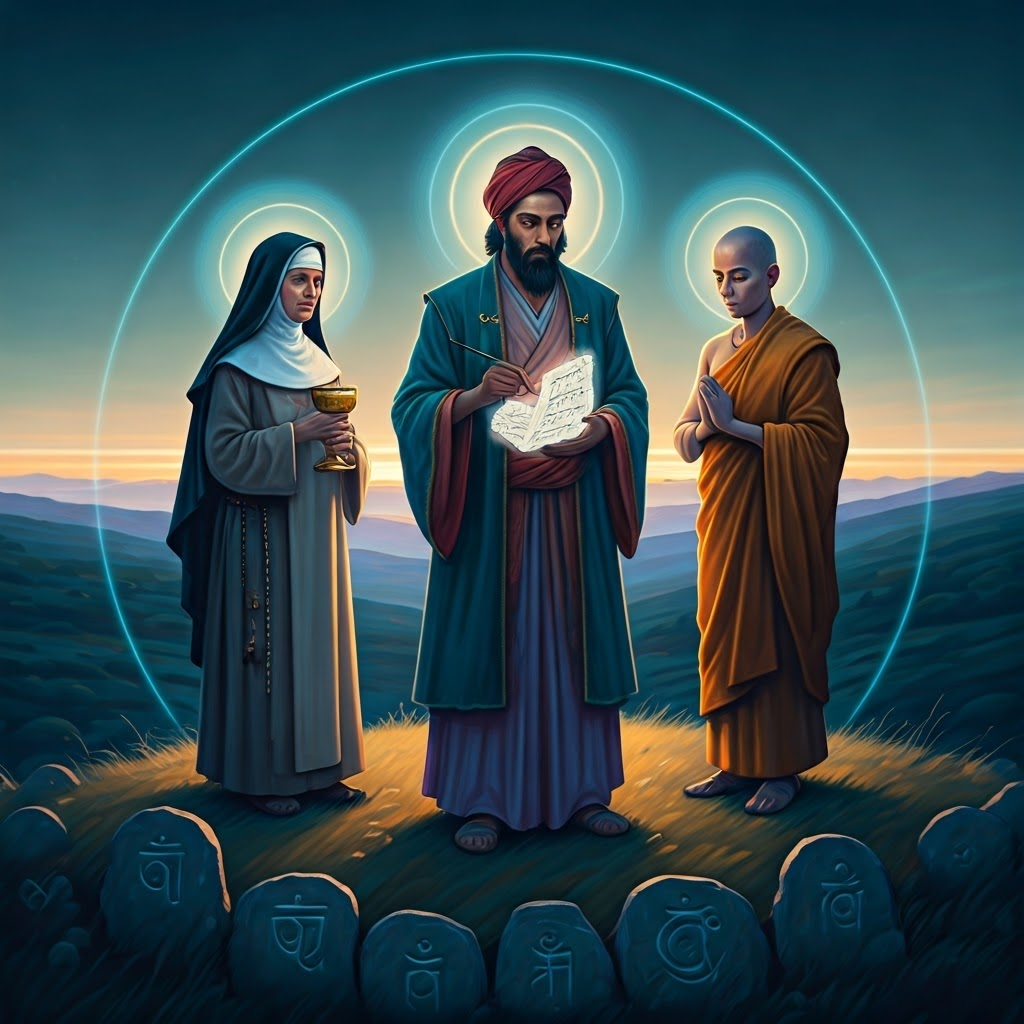
Every major religion has figures who look beneath the surface for deeper connection.
Christian Teresa of Ávila spoke of the soul blending with God like water into wine.
Sufi poet Rumi framed love as a pathway into God’s presence.
Zen masters teach that even sweeping a floor can reveal enlightenment when you are fully awake.

People seek mystical states to escape the thin routine of daily life and taste unity or boundless joy.
Some describe the self dissolving like a drop in the sea.
Others feel time vanish in crisp presence.
Traditions offer tools—prayer, song, silence—so these moments come by choice, not chance.
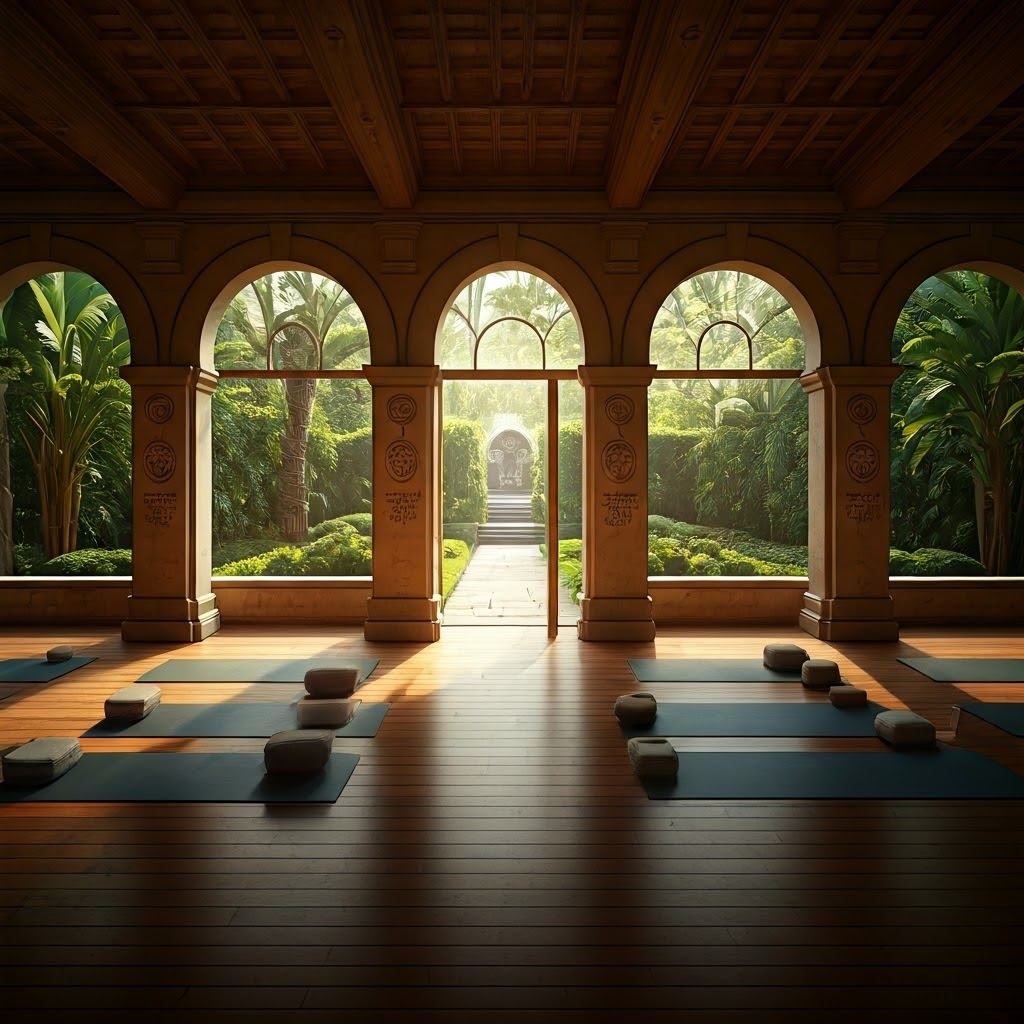
Hindu Yogic Paths: Bhakti, Jnana, Raja
In Hinduism, yoga means more than stretching; it names whole paths toward union with the divine or deepest self.
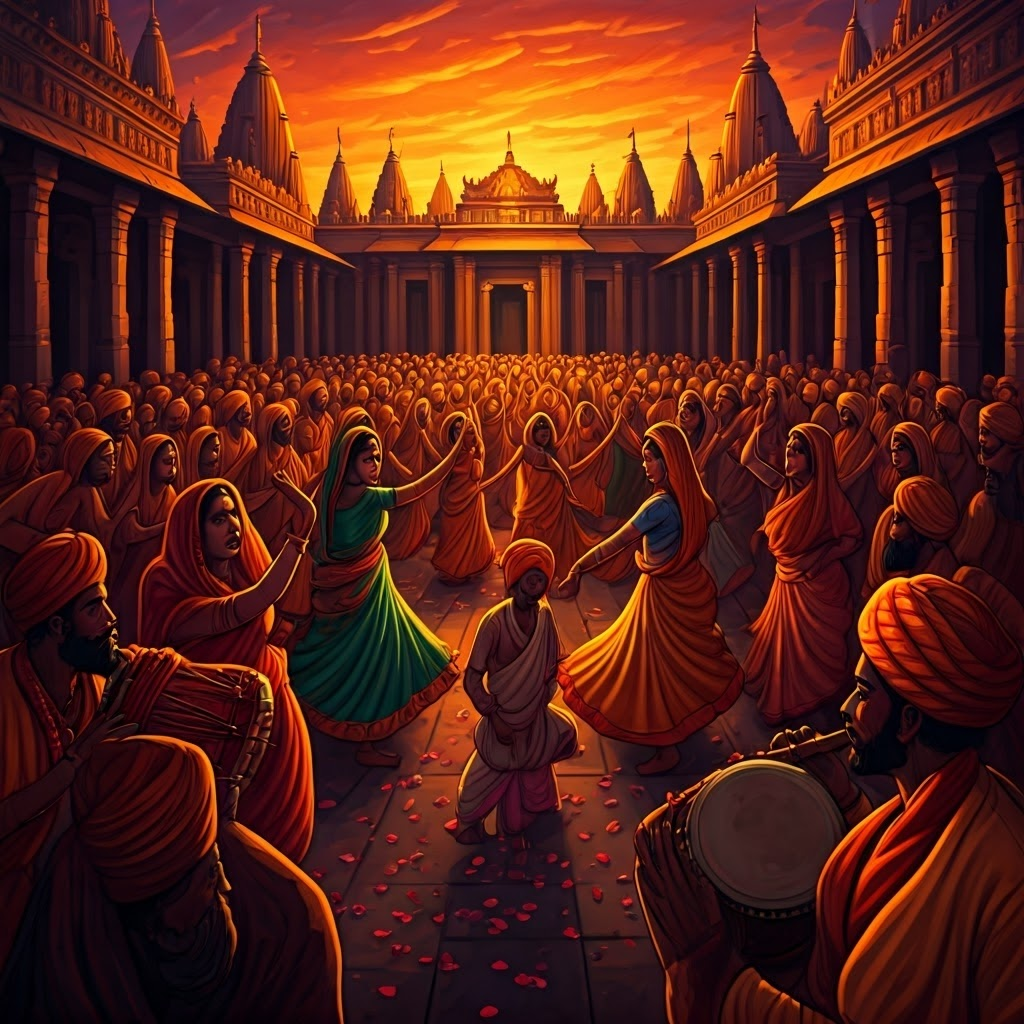
Bhakti yoga channels raw feeling into song, ritual, and daily acts offered in love, hoping emotion melts the ego.

Jnana yoga turns the mind inward with probing questions like Who am I?
Texts such as the Upanishads guide seekers to realize their shared essence with all existence.
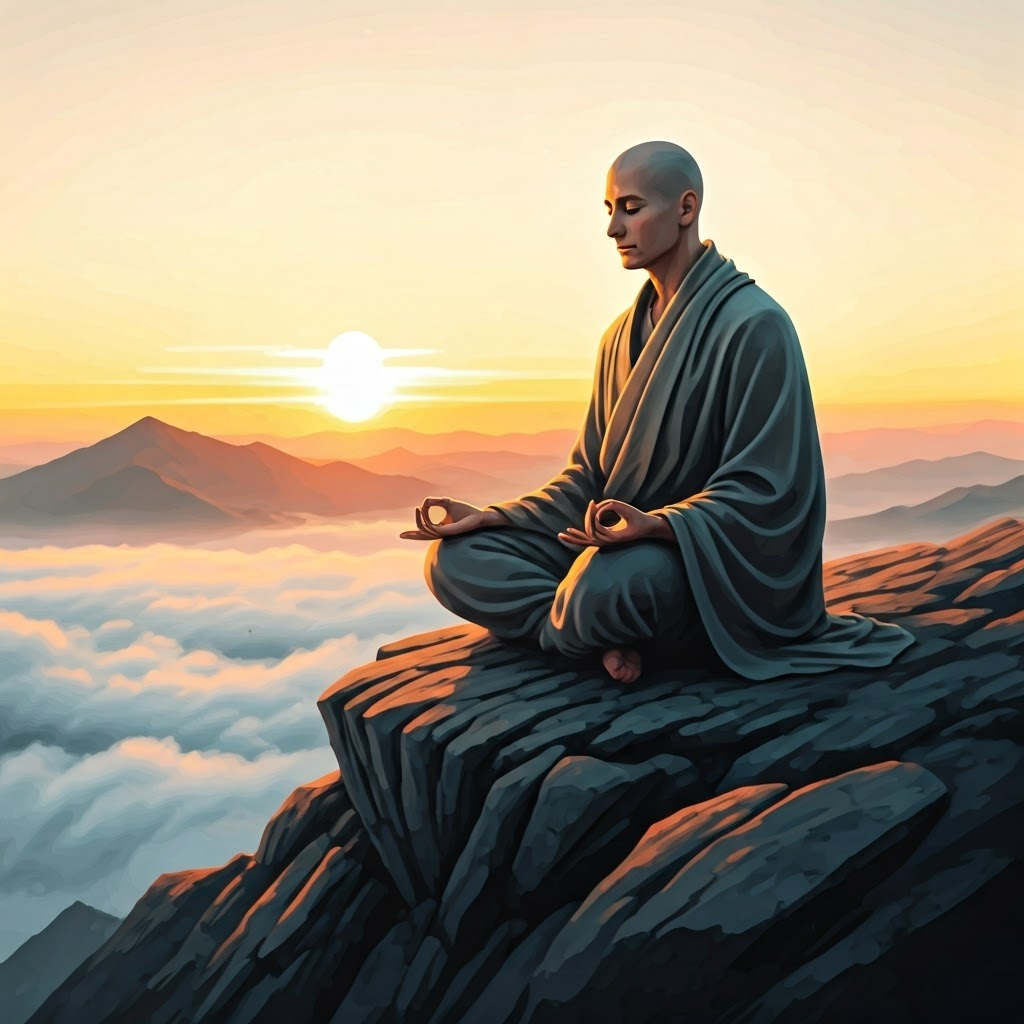
Raja yoga trains attention through posture, breath, and stillness until it rests in clear, absorbed samadhi.
Even five calm minutes hint at the centuries-old promise of total unity.

Buddhist Mysticism: Zen and Tibetan Visualization
Zen offers a stripped-down route: sit, breathe, notice—nothing extra.

A key practice is zazen, “just sitting,” where thoughts drift by like clouds while attention stays on the present moment.
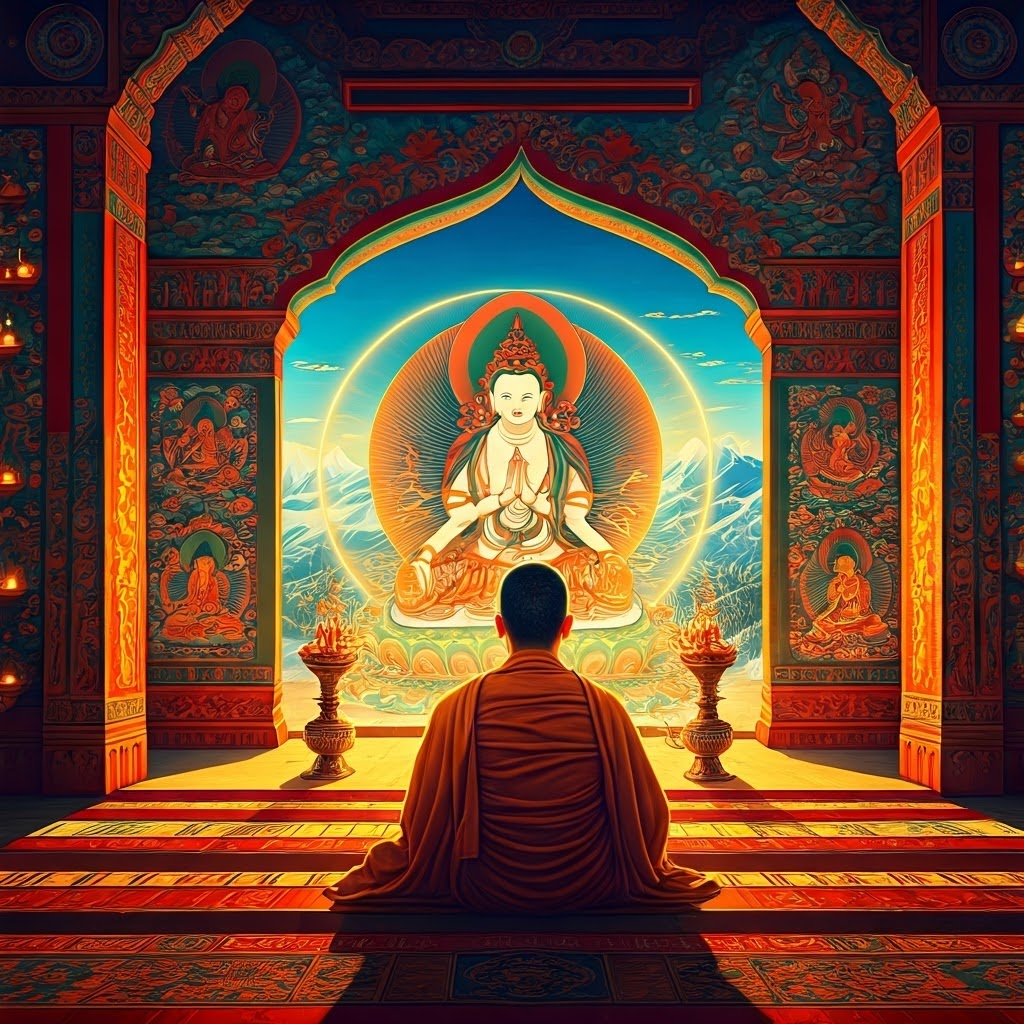
Tibetan Buddhism takes the opposite tack—rich visualizations and mantras reshape the mind until practitioner and deity feel one.
Both paths aim to refine awareness, differing only in artistic palette.

Jewish Mysticism: Kabbalah and Hasidic Joy
Kabbalah maps divine energy through the sefirot, inviting seekers to experience that flowing light firsthand via letters and symbols.
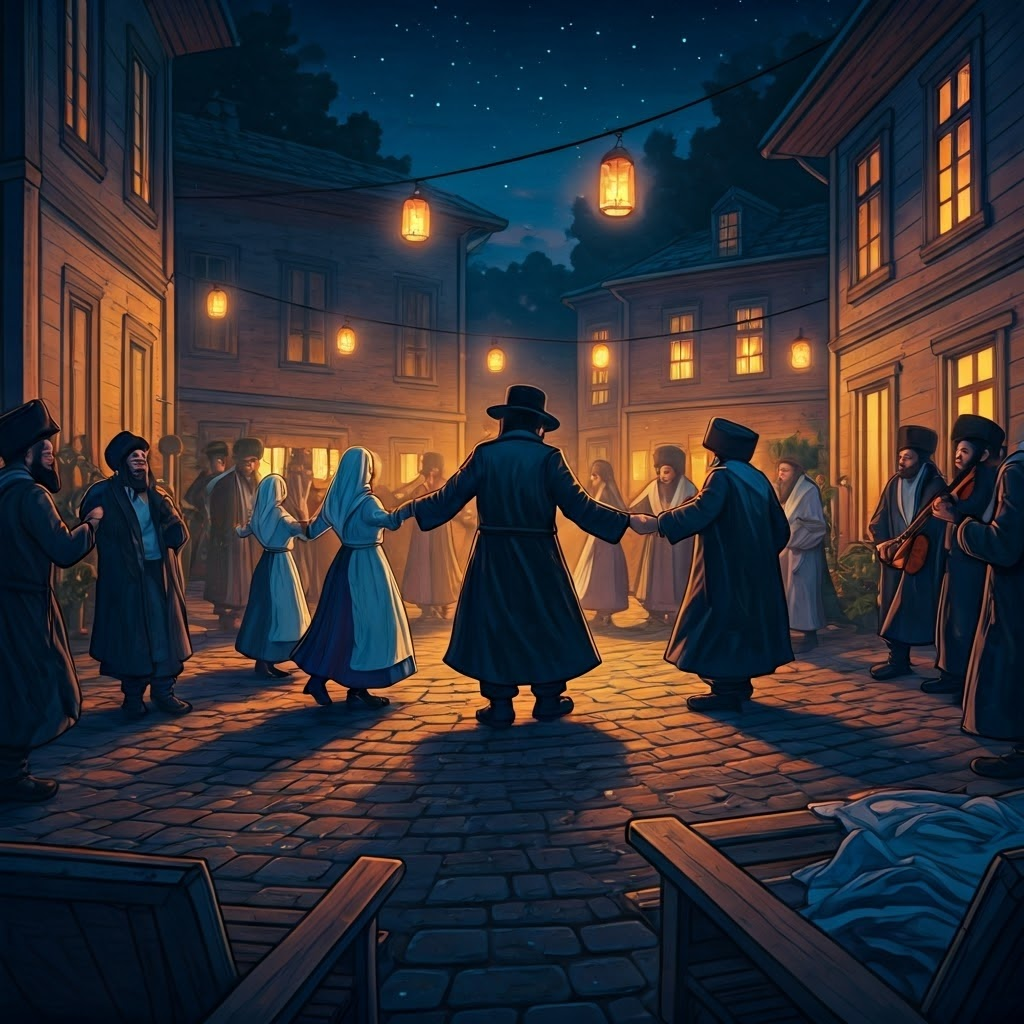
Hasidic Judaism translates mysticism into singing, dancing, and stories that spark joyful presence in everyday moments.
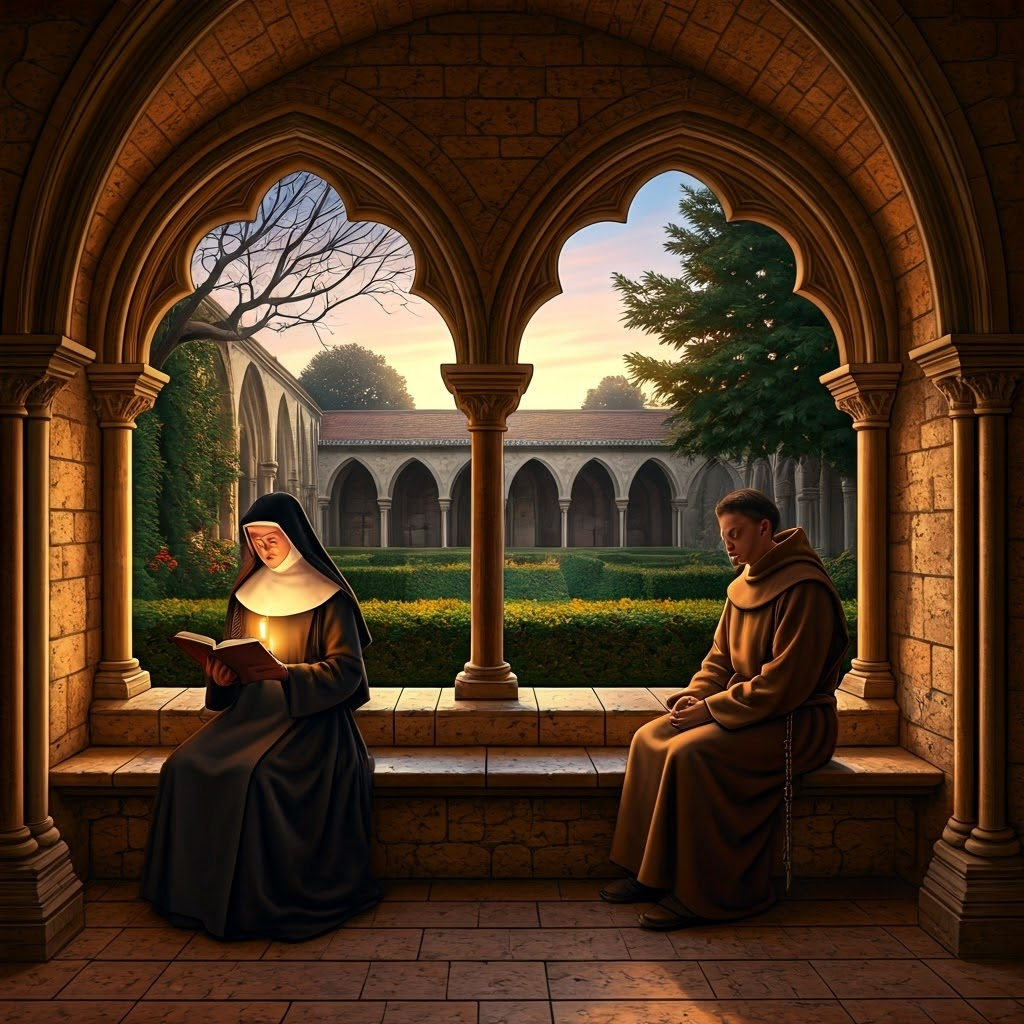
Christian Mystics: Teresa of Ávila and Meister Eckhart
Teresa of Ávila wrote of inner castles reached by silence and sincere self-honesty, describing a love so deep it eclipses awareness.
Meister Eckhart preached that the eye with which you see God is the eye God uses to see you, pointing to nondual union available to anyone who looks within.
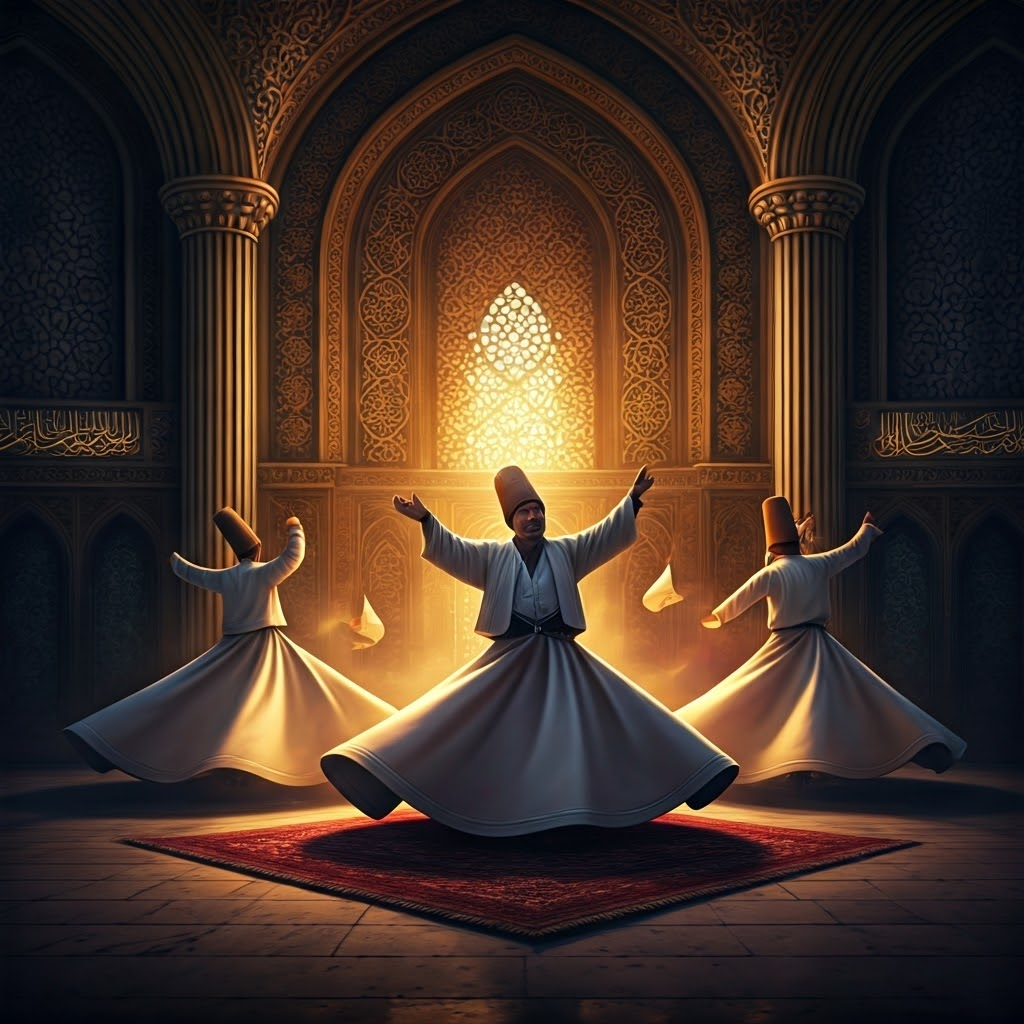
Islamic Sufism: Rumi and Al-Hallaj
Sufism centers on the heart. Through poetry, music, and dhikr, seekers lose the small self in divine love.
Rumi’s verses echo with longing, while Al-Hallaj’s bold “I am the Truth” shows a self dissolved into God.
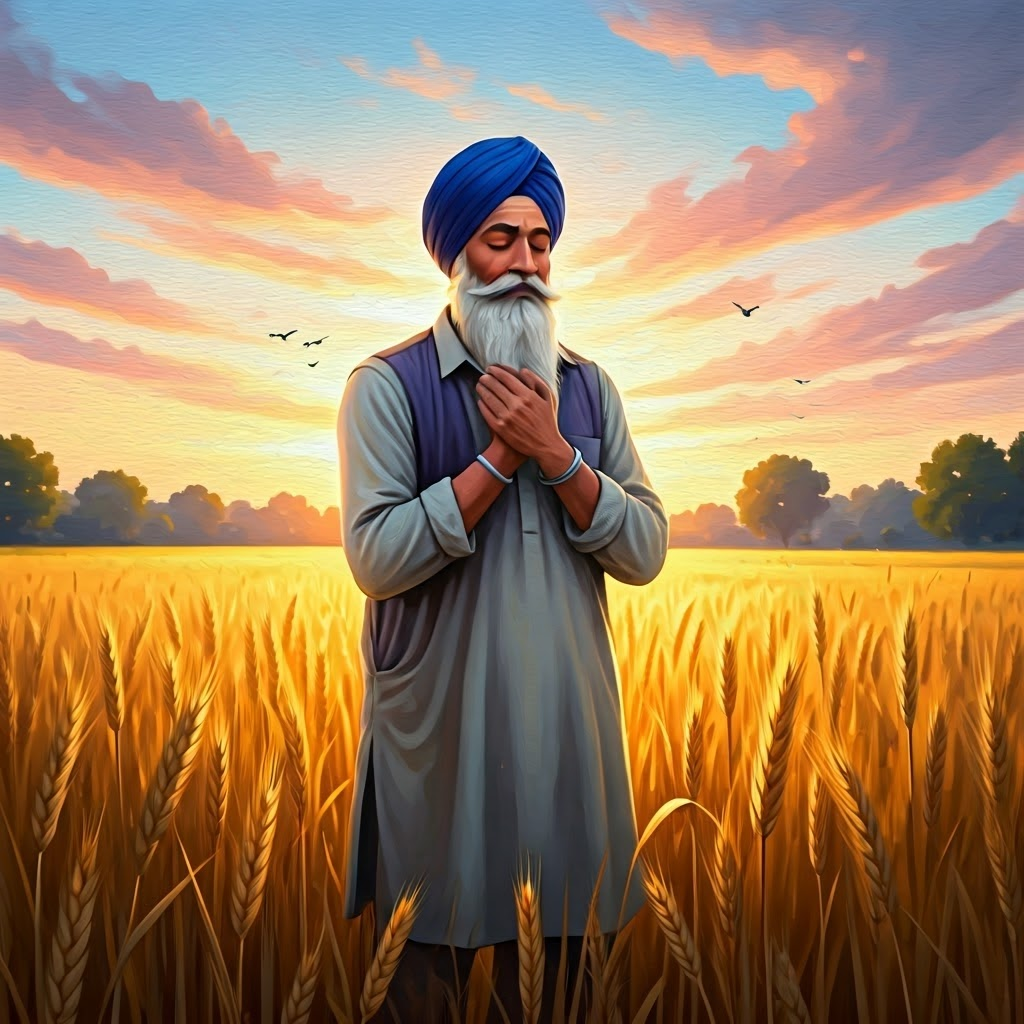
Sikh Naam Simran: Remembering the Name
Sikhs weave the divine name through daily tasks, keeping awareness bright whether plowing fields or sharing meals.
Guru Nanak urged work, share, remember—stay awake inside ordinary life, not apart from it.
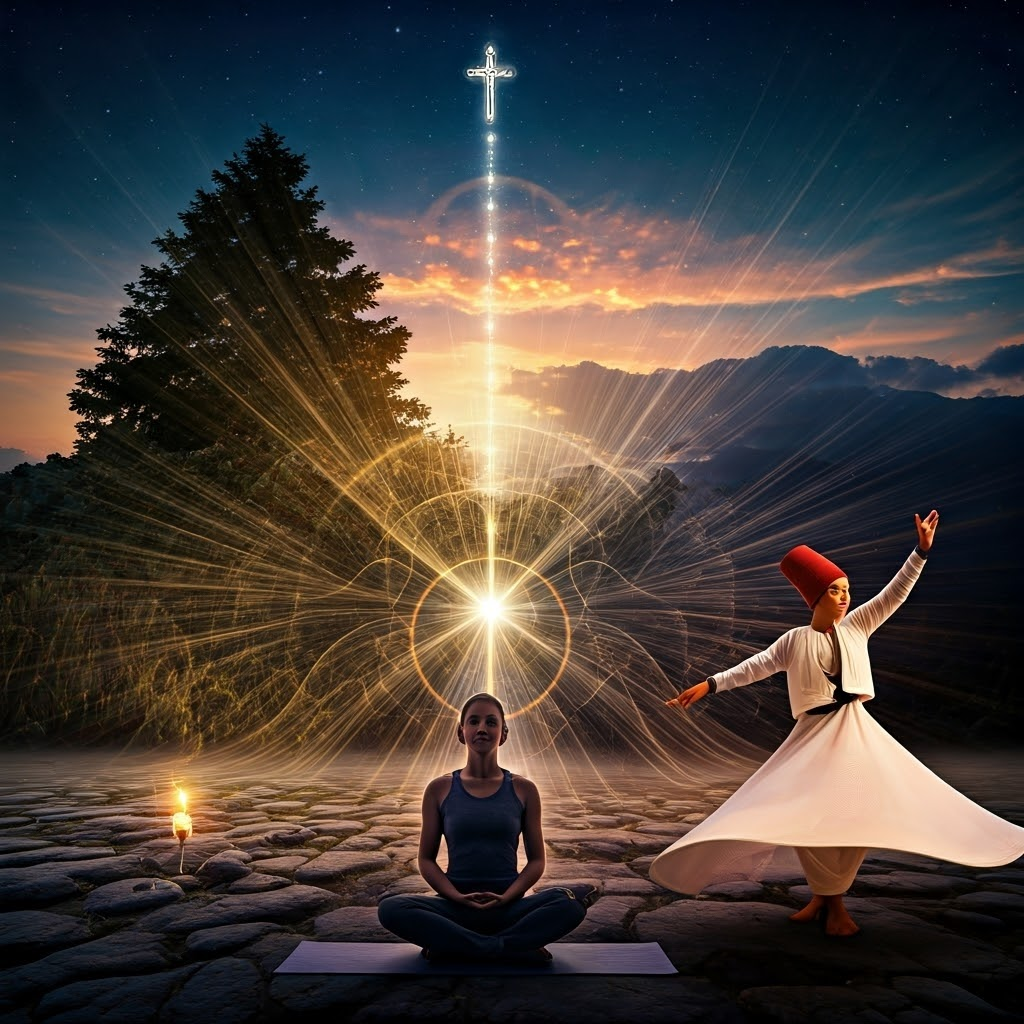
Common Threads and Local Flavors
Across cultures, mystics seek deeper meaning beyond routine.
Methods differ—song, silence, spinning—but the longing is universal: connection, insight, peace.
The stories and symbols vary, yet the human hunger for transformation runs through every path and right into modern life.
