
From Thought to Action: The Brain’s Game Plan
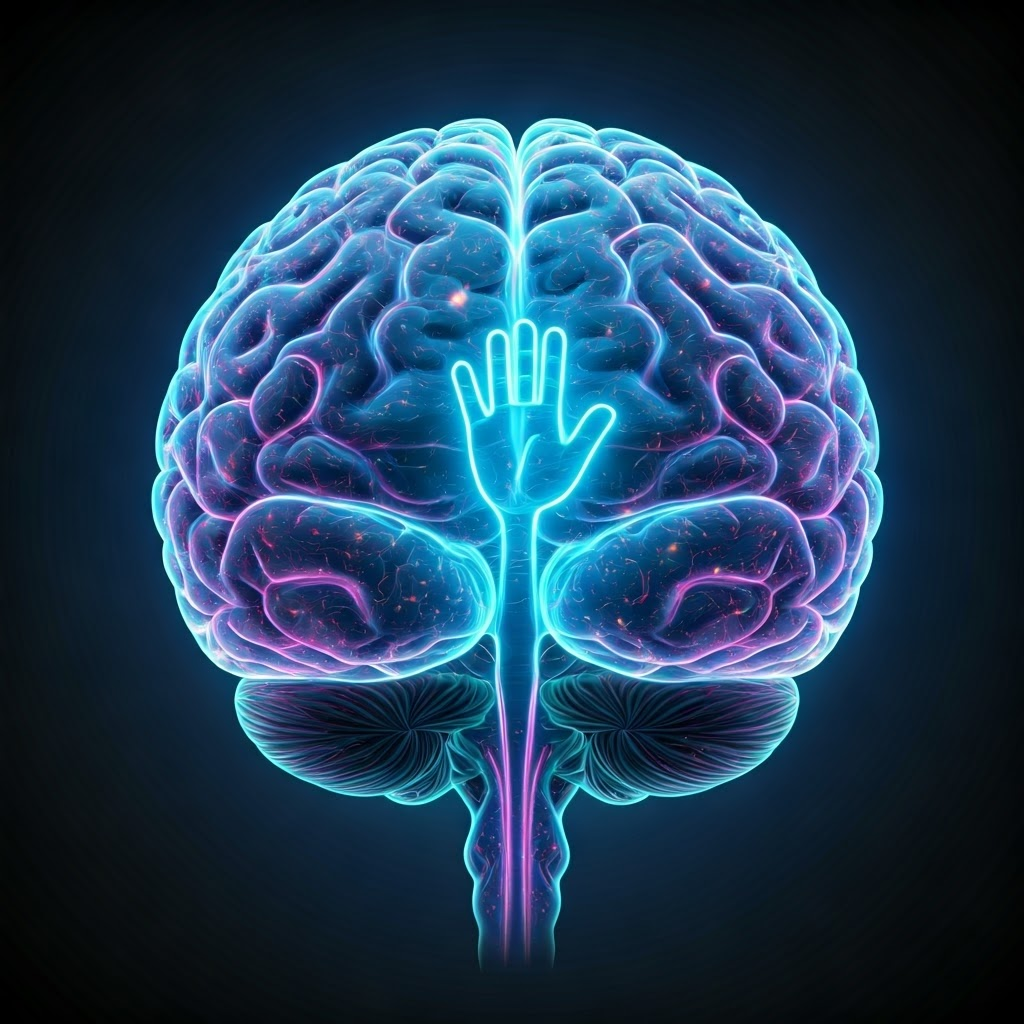
Every time you decide to move, your brain jumps into action. Intention sparks in the primary motor cortex. This strip sits like a headband across the top of your brain. It sends sharp orders to the exact muscles you need.
Your brain checks with other regions before you move. It asks, “Is this safe, useful, and timed right?” That review keeps you from knocking over your coffee—unless you are half-asleep.
The wiring is precise. A tiny stroke in this zone can block one finger yet leave speech intact. That tight map lets you twitch a finger or leap from a chair at will.
The Team: Premotor and Supplementary Motor Areas
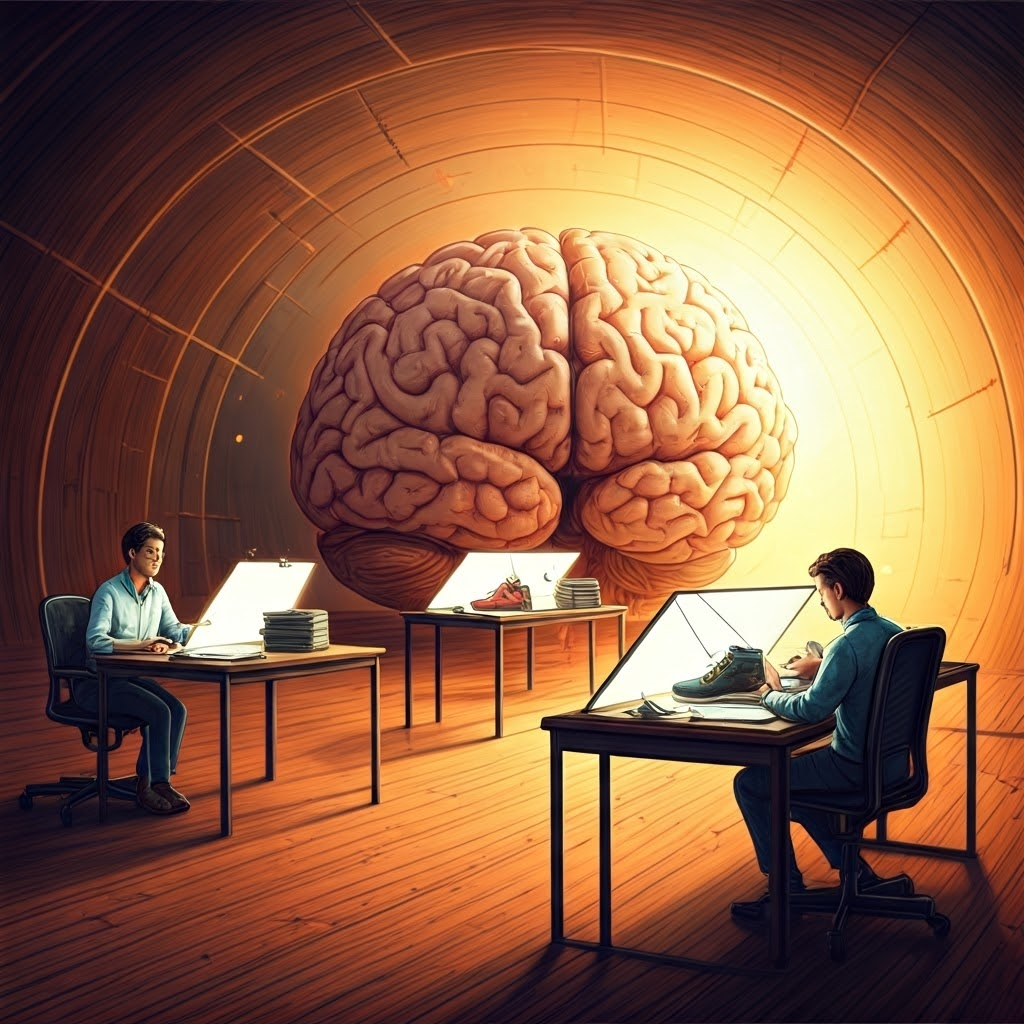
Smooth moves need solid planning. The premotor cortex and the supplementary motor area (SMA) act like project managers. They rehearse and sequence actions before the motor cortex fires.
The premotor cortex picks how and where to move, using cues from your eyes and ears. See a basketball flying at you? It helps you duck or catch.

The SMA strings learned steps into smooth routines. After practice, it lets you play a melody or type a password without thinking.
When you learn a new dance, you must focus. Both areas stay busy. With repetition, the SMA stores the pattern, and the move feels effortless.
Sending the Signal: From Brain to Muscle
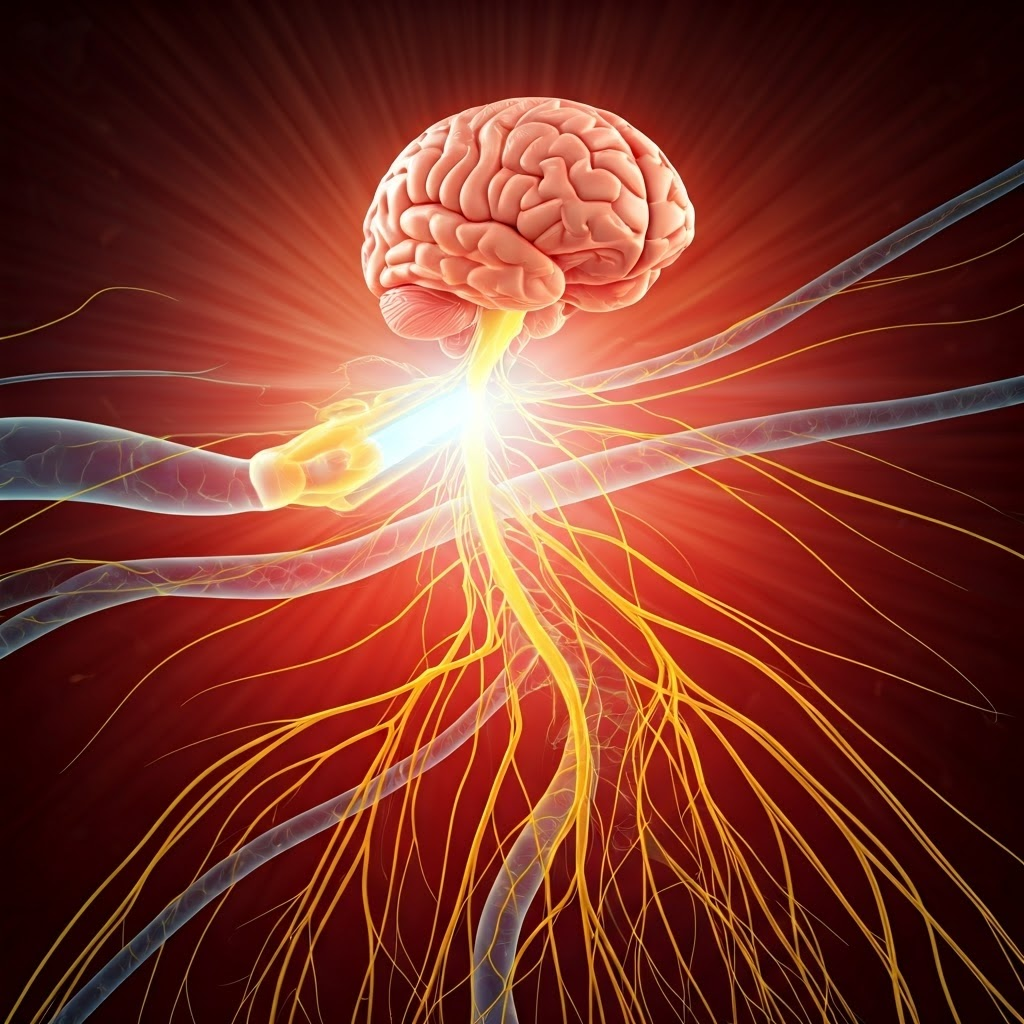
A plan becomes action only when a signal races down the right path. Axons carry electrical impulses from the motor cortex through the spinal cord at highway speeds.

Motor neurons finish the relay. Each one and its muscle fibers form a motor unit. Fine tasks use small units; powerful moves recruit large ones.
The signal releases acetylcholine, and muscle fibers slide, creating force. To lift something heavy, the brain lights up more units at once. For light work, it fires only a few.
How It All Comes Together
Pick up a cup, and hundreds of muscles act in sync. Intent, planning, and execution merge in milliseconds. You sip without spilling, unaware of the tight teamwork inside your head. That seamless flow—from thought to action—shows the quiet brilliance of your brain.
