
Meet the Movers: Motors and Actuators Demystified
What Makes a Motor Tick?
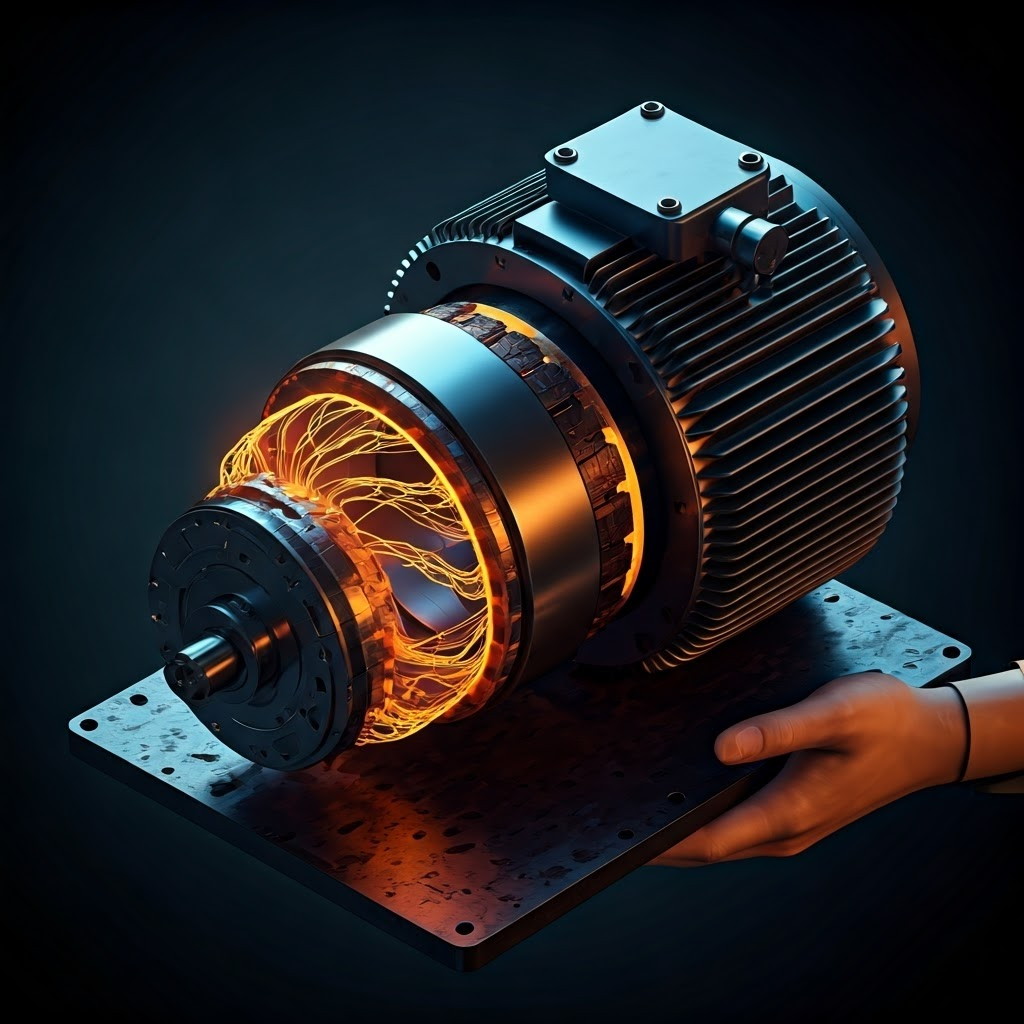
A motor turns electricity into motion. Current flows through tightly wound coils and makes temporary magnets. These new magnets push against permanent ones and spin the shaft. The spinning part is the rotor, and the still part is the stator. Clever timing of the current keeps everything turning smoothly.
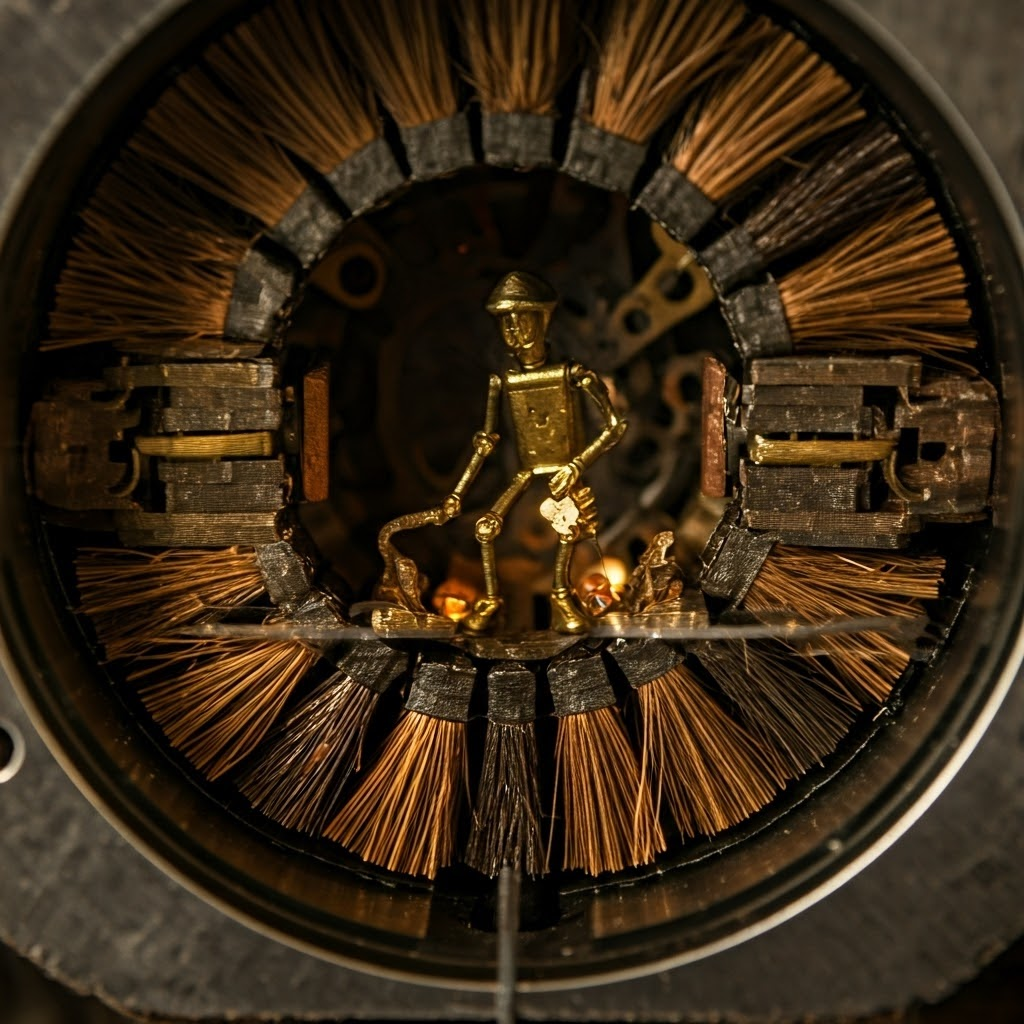
A brushed DC design uses a commutator—metal rings that flip current at the right moment—plus carbon brushes that press against them. The brushes slowly wear down like shoe soles. Brushless designs replace them with electronics. Stepper versions add strict timing so the shaft moves in neat steps.
DC, Stepper, and Brushless: The Big Three
A DC motor keeps things simple. Apply voltage and it spins faster as the voltage rises. You find them in fans, toys, and conveyor belts. They need extra parts if you want them to stop at exact spots because they naturally just keep turning.
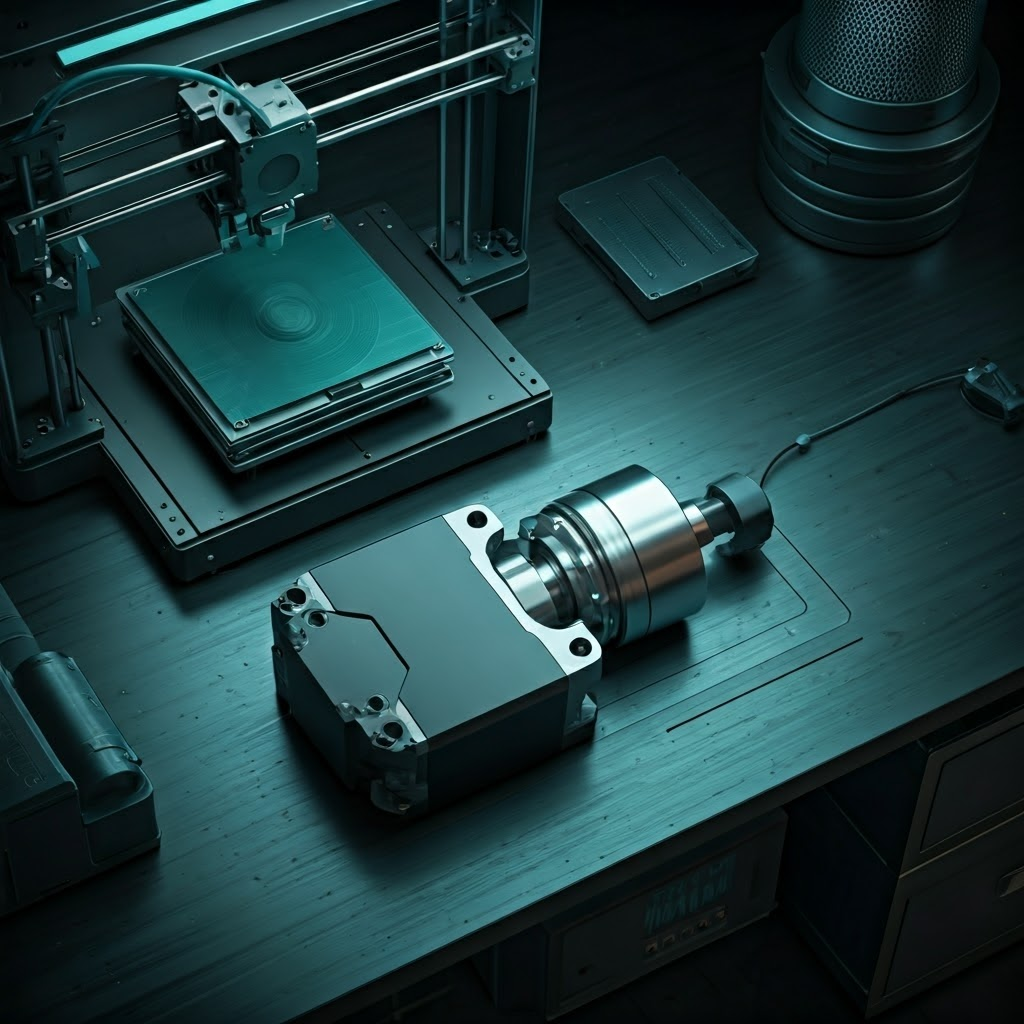
A stepper moves in fixed angles, often 1.8° per step. Send pulses and it clicks forward, perfect for 3D printers and CNC rigs. Push it too hard and it may skip steps, losing its place like a dancer missing a beat.

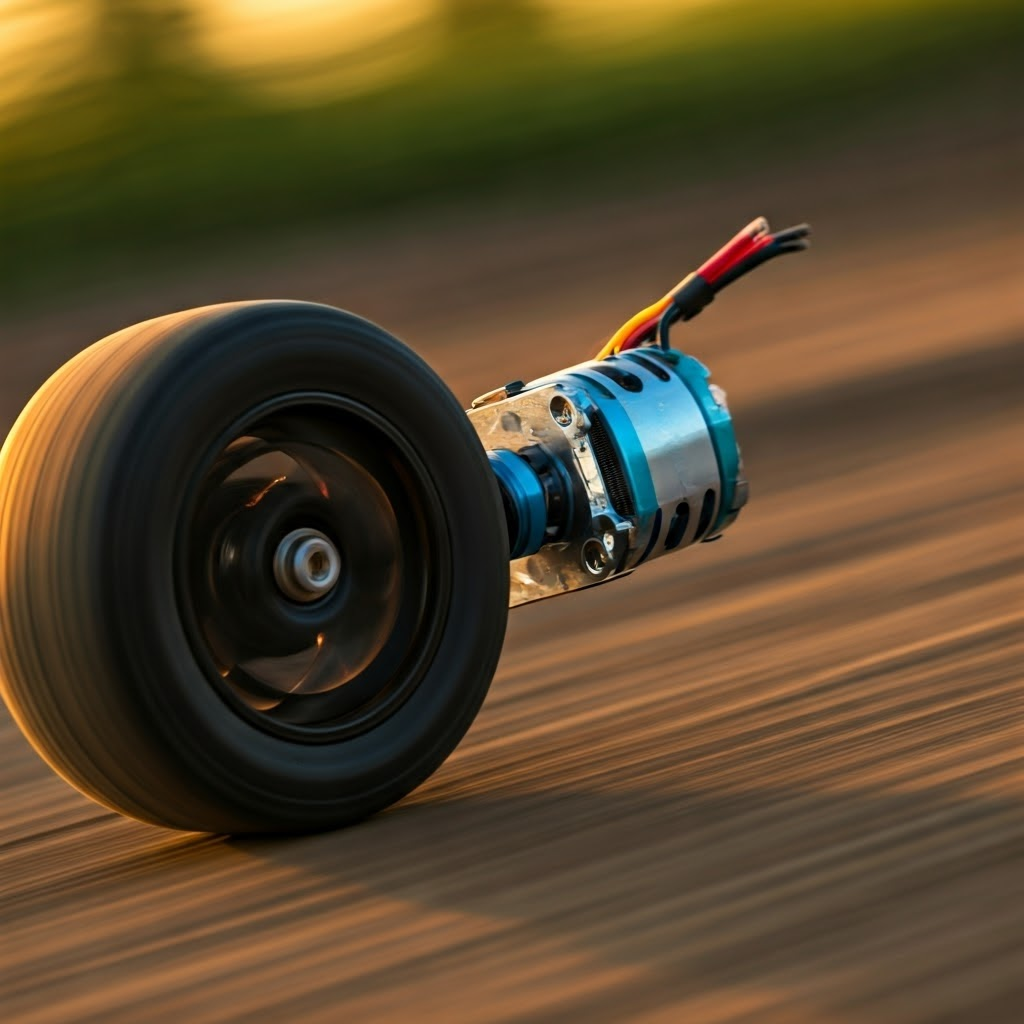
A brushless motor swaps brushes for electronics, so it runs quietly and lasts longer. Drones, e-skateboards, and fast robots love them. They need an ESC controller, which adds cost and setup.
Picture a spectrum: DC wins on ease, steppers on precision, brushless on efficiency. Choose the one that suits your project goal.

Servos, Gearmotors, and Linear Actuators: The Specialists
A servo adds gears, a position sensor, and control logic to a small motor. Send a command, and it turns to a set angle—then holds it. Hobby servos steer RC cars, flap robot wings, and aim sensors. Overload them and they jitter or weaken.
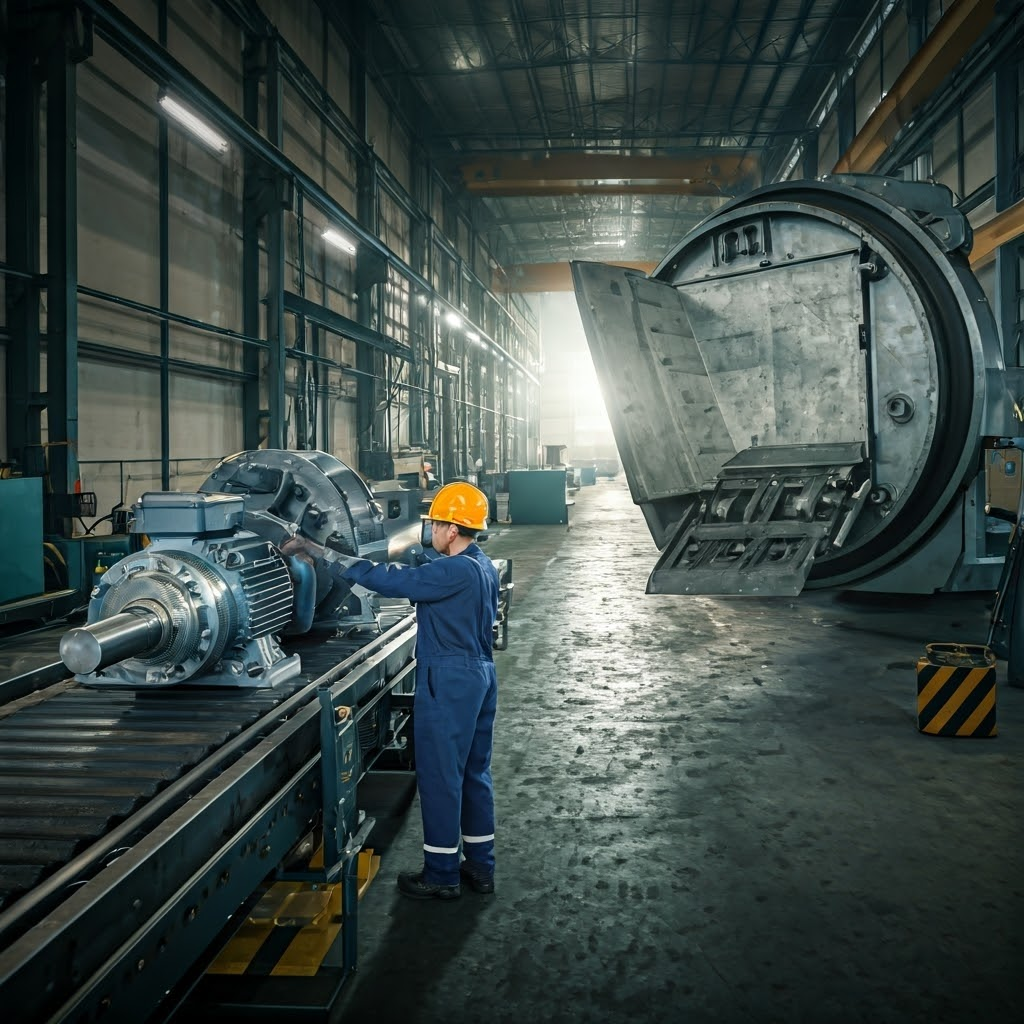
A gearmotor pairs a motor with reduction gears. The trade-off is speed for torque, like shifting a bike into low gear to climb a hill. They power robot wheels, locks, and heavy doors when sheer strength matters.
A linear actuator converts rotation into straight motion, often with a lead screw that pushes or pulls a rod. Car windows, hospital beds, and robot hatches rely on this in-and-out movement.
Use these specialists when plain rotation will not do. Swap in a gearmotor or servo and your robot arm stops drooping. Choose a linear actuator when you need a push instead of a spin.

How to Choose Wisely
Start with your need—speed, precision, force, or straight travel. Wheels often use DC gearmotors. Drawing heads prefer steppers. Small arms like servos. Mix types when it helps, but match each one with the correct controller and voltage.
Motors and actuators are the muscles of every robot. Learn their quirks and you will pick the right mover every time—whether you need smooth and steady, strong and slow, fast and free, or precise and repeatable.
