
From Ruins to Scriptoriums: The Monastic Revolution
After Rome: Picking Up the Pieces
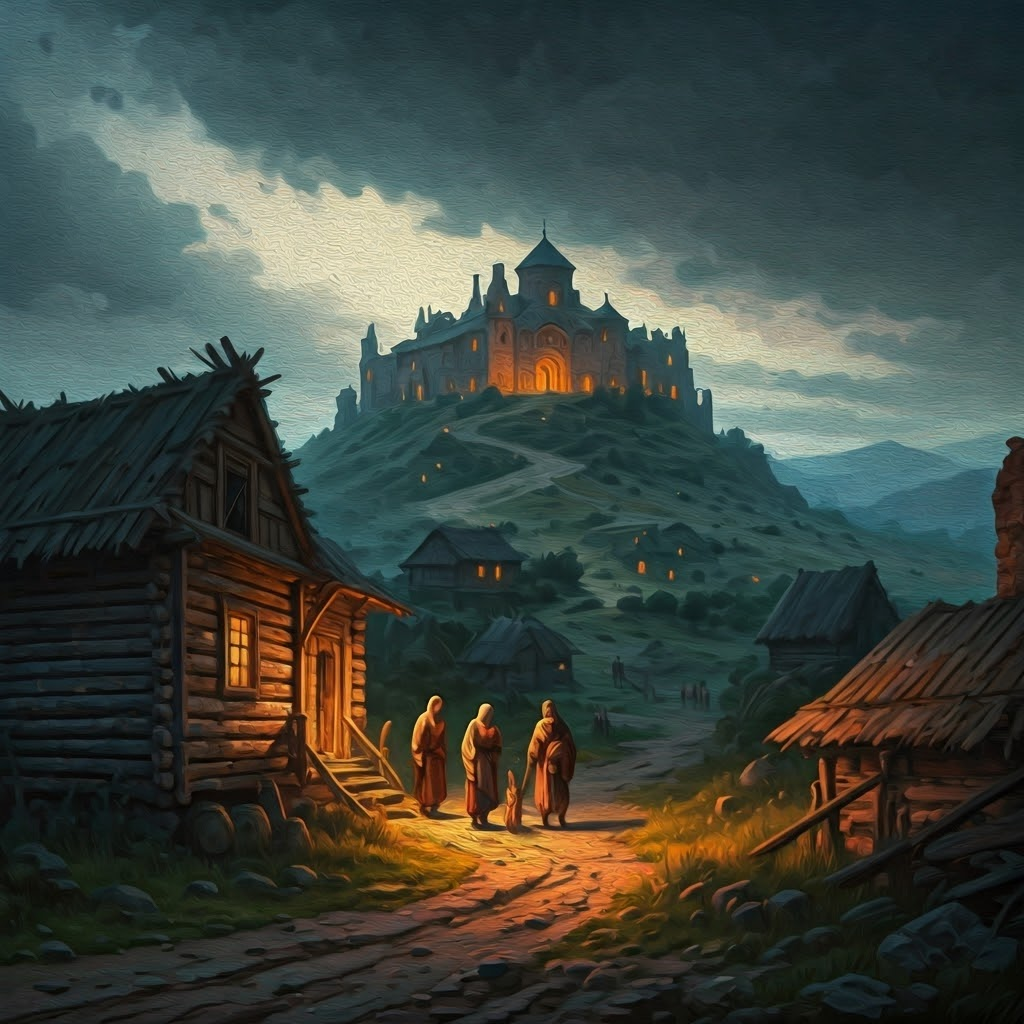
When the Western Roman Empire fell, familiar systems—roads, laws, and schools—collapsed. Europe splintered into scattered villages hemmed in by forests and fear. Chaos replaced order.
Invaders roamed, and trade all but vanished. Without Rome’s protection, people needed fresh sources of security, learning, and hope. Monasteries answered that call.
Picture a stone monastery rising above the uncertainty. It offered food, shelter, and guidance. Over time, rulers and peasants alike trusted these communities. Monastic order slowly replaced Rome’s lost routines, planting a new social rhythm.
Monks, Quills, and Candlelight
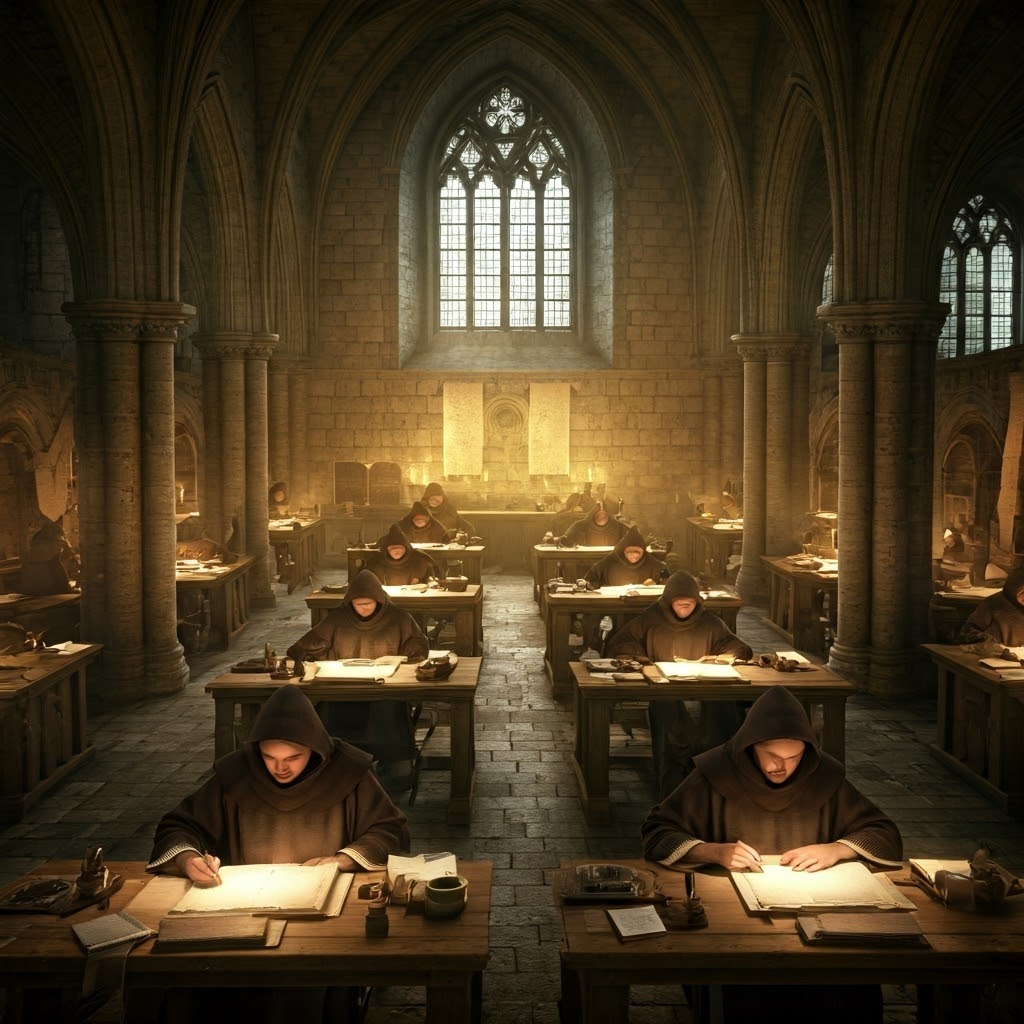
Step into a scriptorium alive with quill scratches and dim candlelight. A robed monk bends over parchment for hours, copying each word with care.
Parchment cost dearly, and every drop of ink counted. Goose-feather quills and hand-mixed pigments—sometimes crushed beetles or minerals—made each page a labor of love.
Illuminated letters gleamed with gold and bright blue. The decoration wasn’t mere beauty; it turned writing into something sacred. These slow, steady efforts preserved the wisdom of Greece and Rome for future generations.
The Book of Kells: Art as Theology
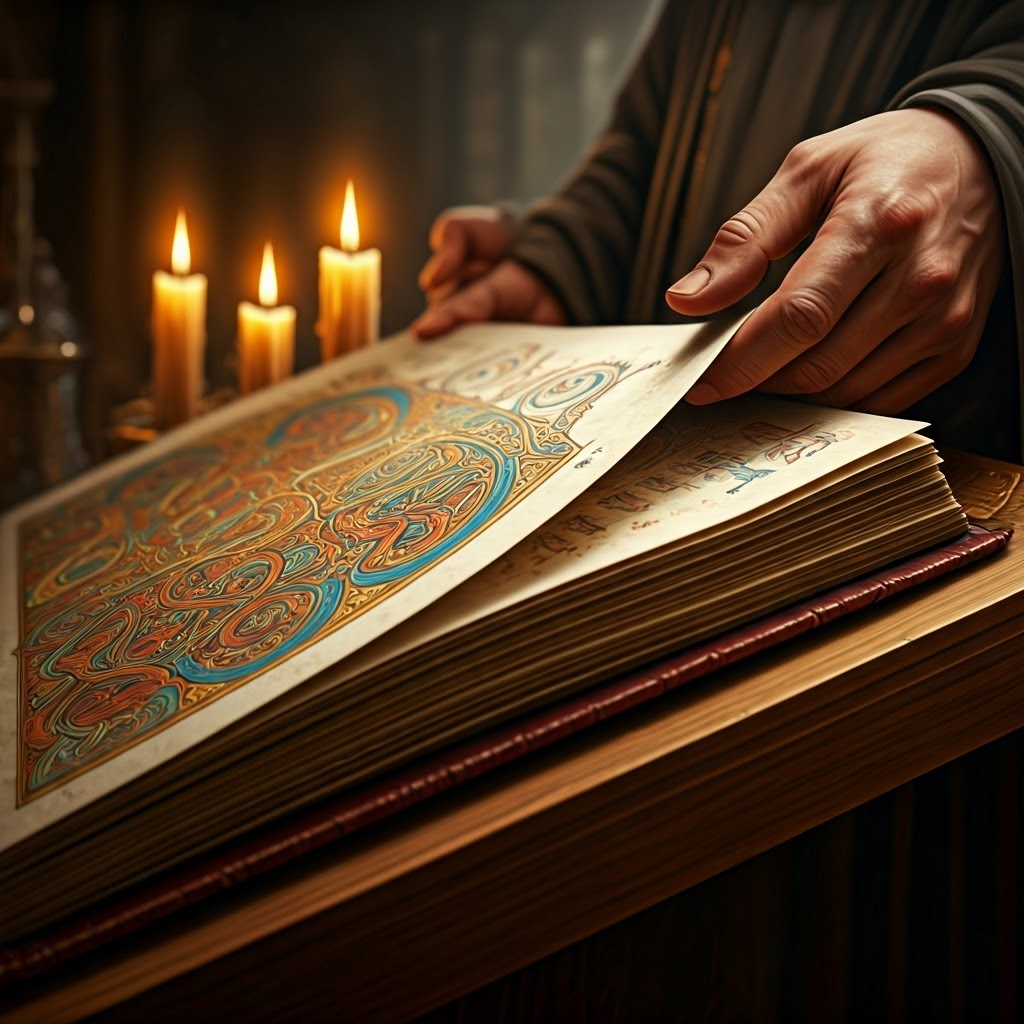
Open the Book of Kells and a riot of color greets you—angels, animals, and twisting vines. Each image delivers theology for viewers who could not read Latin.
Carpet pages invite quiet meditation, while the glowing Chi-Rho page proclaims Christ’s presence. Visual storytelling made faith tangible to kings, monks, and farmers alike.
Monastic Networks: Power Beyond the Cloister
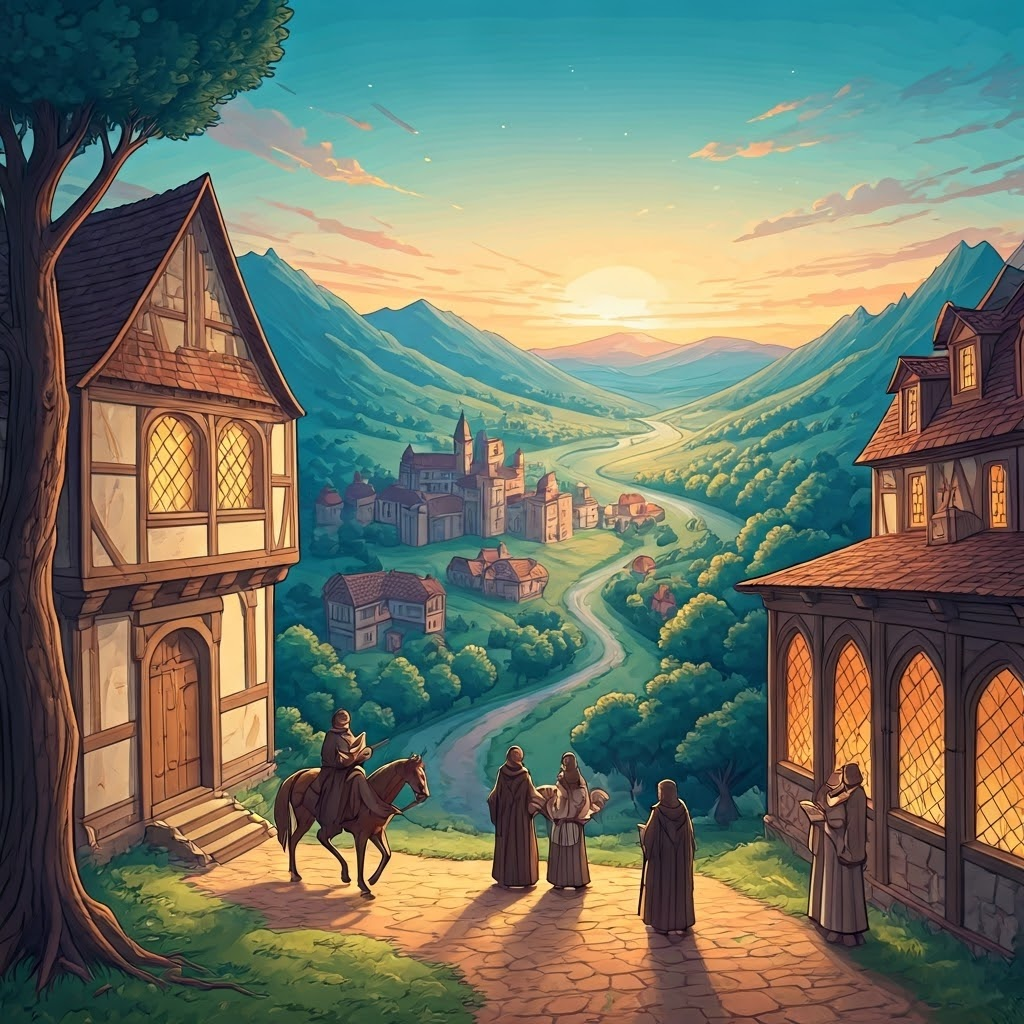
Monks were never fully secluded. Letters, students, and ideas flowed between houses, forming a vast network. These links founded towns and sometimes entire cities.
Great centers like Cluny advised emperors and shaped church law. English sites such as Lindisfarne shone as beacons of study. The Rule of Benedict—pray and work—spread across Europe, touching daily life far beyond monastery walls.
Monastic schools taught nobles and commoners, keeping learning alive. Scribes left us books, music, and poetry that still influence culture. In the so-called “dark” ages, the quiet hum of quills and the glow of gold leaf carried Europe toward a new order—one page at a time.
