Meet the Building Blocks: What’s Really in Your Food?
Atoms, Bonds, and the Kitchen Table
Think of your favorite snack—toast, mousse, anything. Beneath every bite sit tiny atoms, the basic pieces of matter that join to form food.
Atoms rarely stay solo. They share electrons to create covalent bonds—imagine two kids gripping the same jump rope—forming stable molecules that give ingredients their character.
Every kitchen ingredient is a cluster of molecules held together by these bonds. When you cook, you guide countless micro-reactions that shift textures, colors, and flavors.
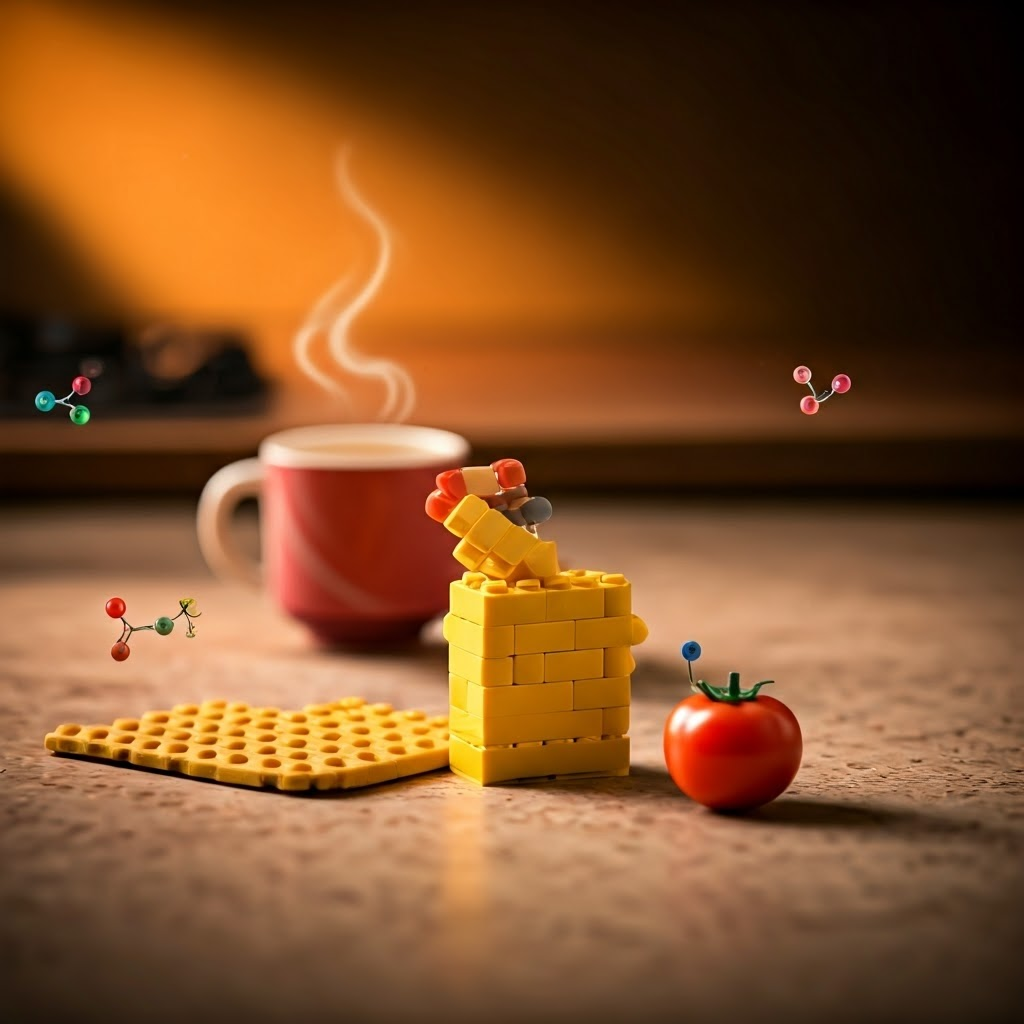
Picture atoms as LEGO bricks. Click a few together and you build castles—or in food terms, crackers or tomatoes. That structure decides if something dissolves, browns, or crisps.
Boiling an egg feels simple, yet you’re reorganizing bonds so whites set and yolks thicken. Salting pasta or melting cheese triggers similar quiet dramas at the molecular level.
Proteins: The Shape-Shifters
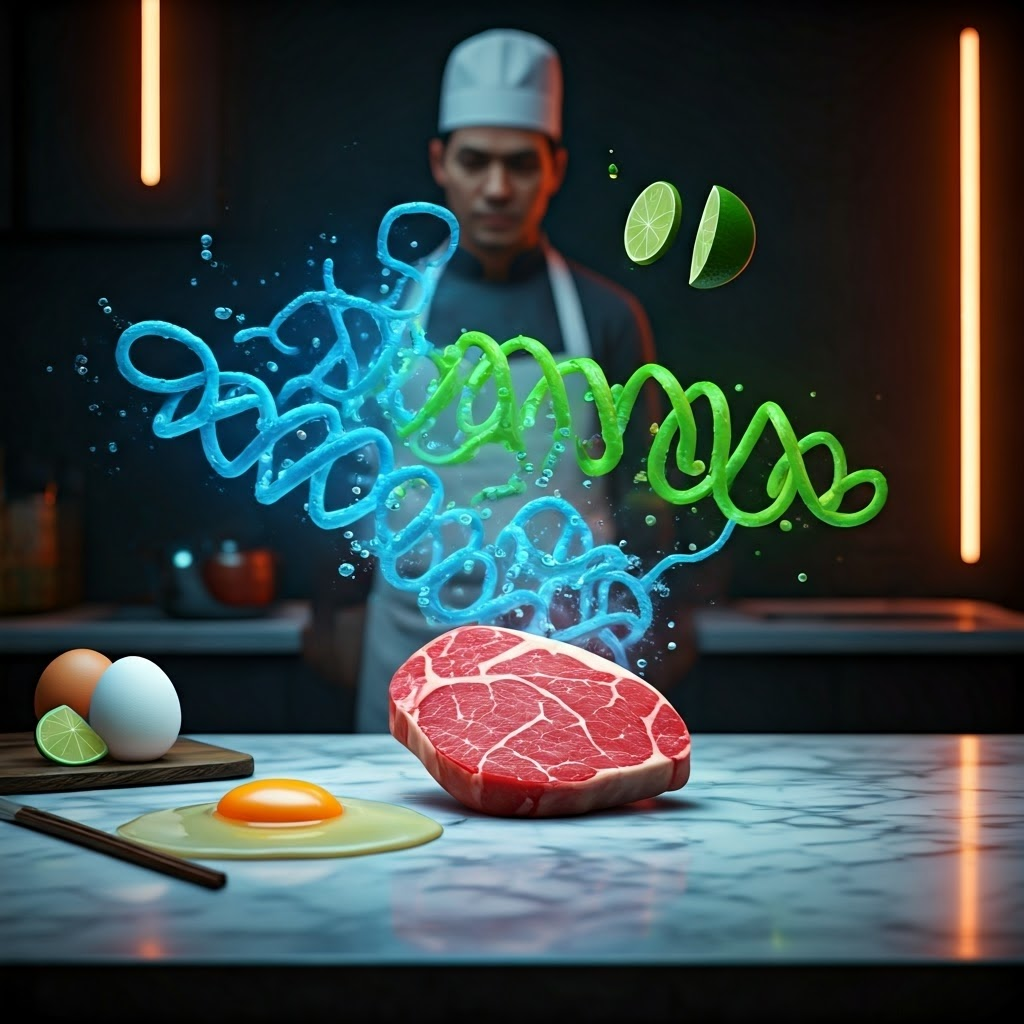
Proteins are long amino-acid chains that fold into intricate shapes, shaping how steak chews or yogurt feels.
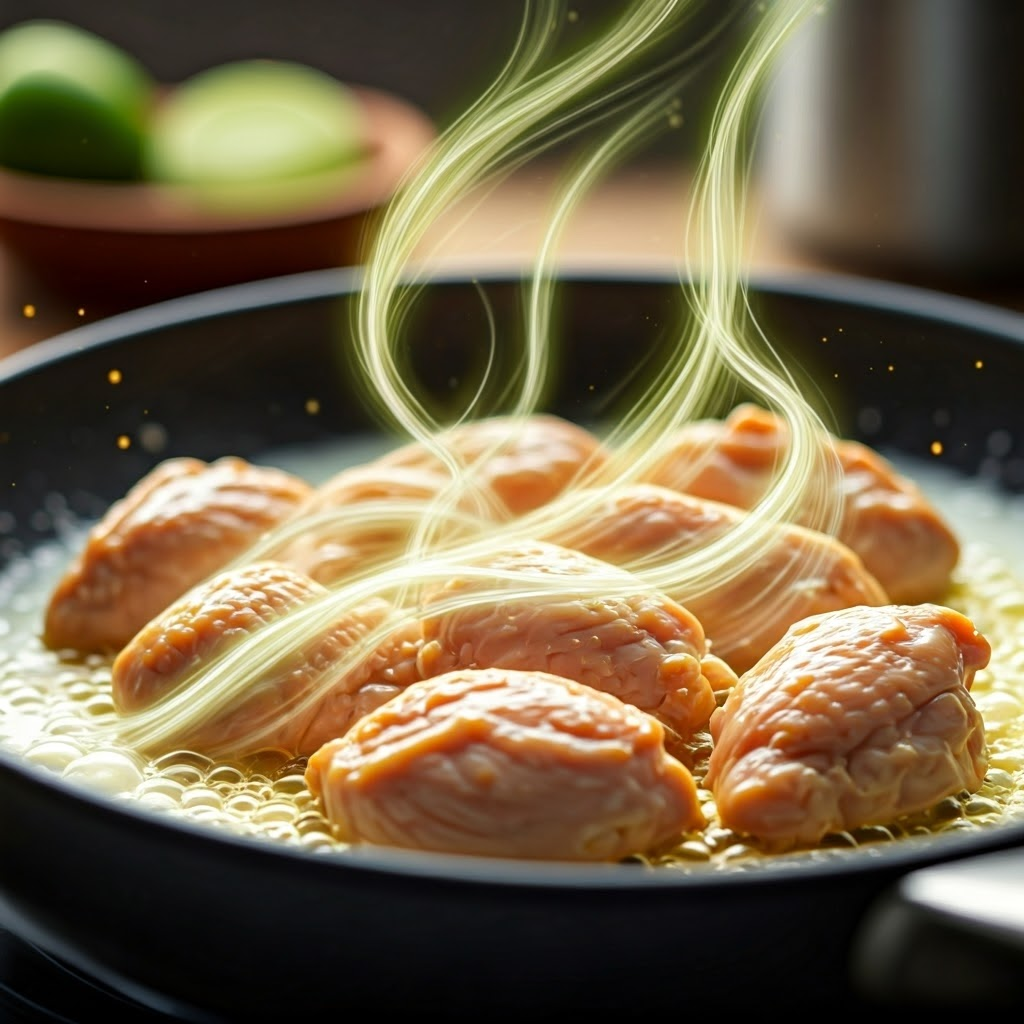
Heat, acid, or salt can unfold these chains in denaturation. Cook chicken and proteins untwist, stick together, and turn the meat firm and white.
Curdling milk for cheese or lime-marinating fish for ceviche uses the same trick—changing protein shape without always adding heat.
Carbohydrates: From Starch to Sugar
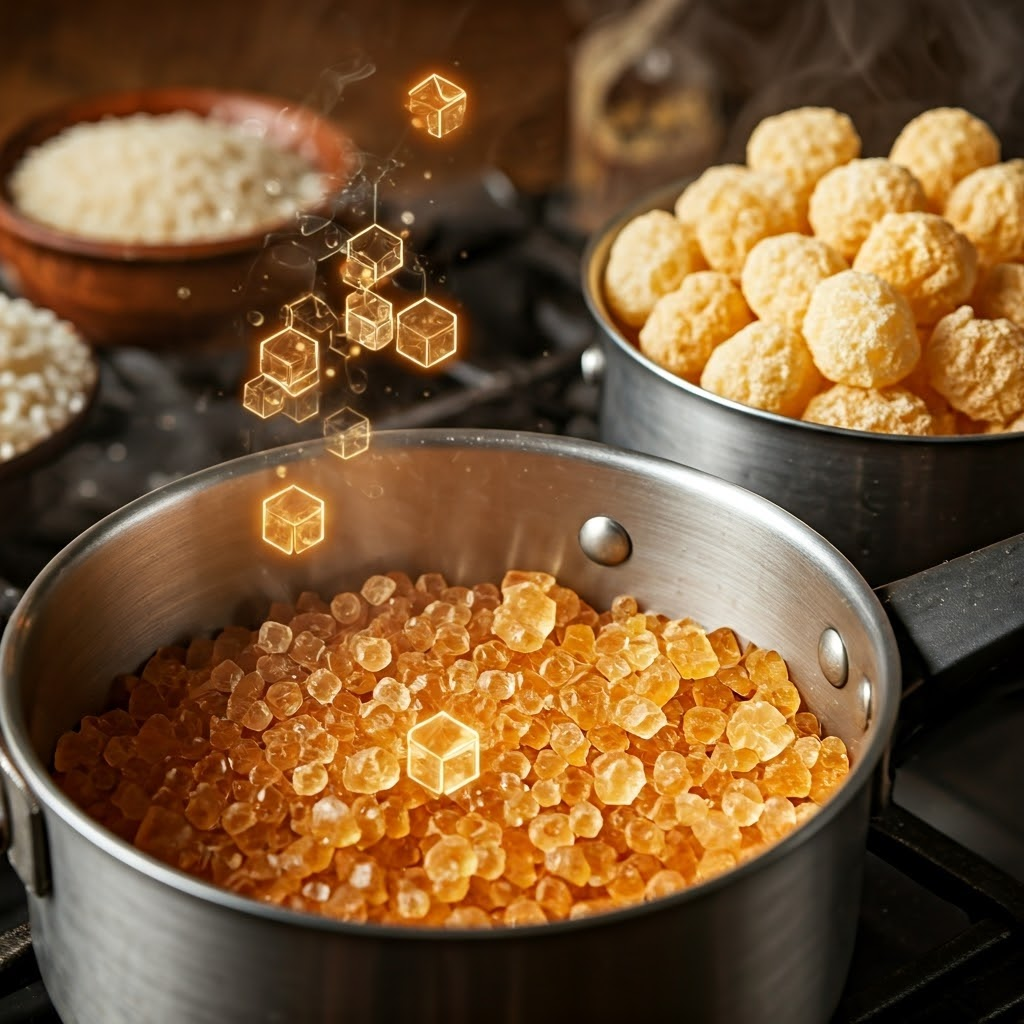
Carbohydrates fuel us. Sugars are short, sweet molecules like glucose that caramelize cookies and power cells.
Starches are long sugar chains. Heat them with water and they swell—gelatinization—thickening sauces or making rice fluffy.
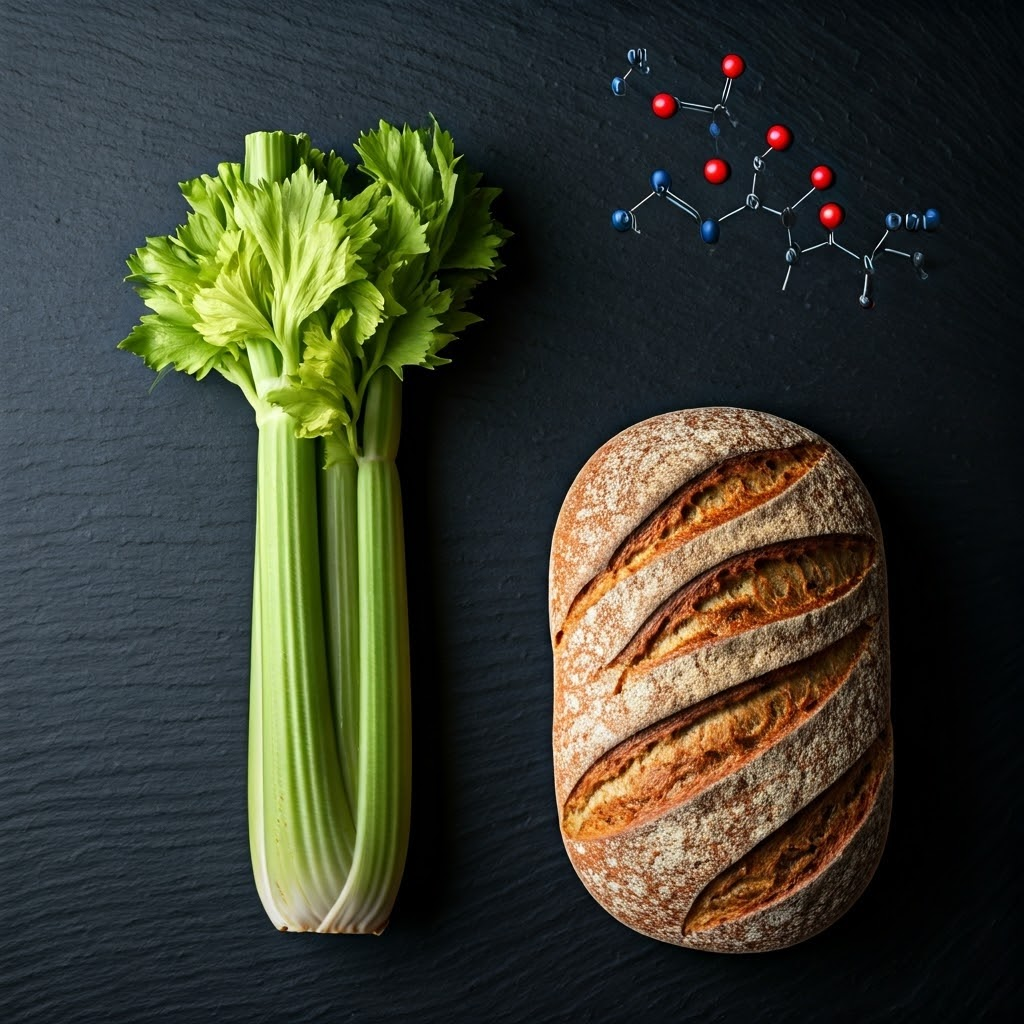
Cellulose is also a carbohydrate, but its rigid links resist digestion. That toughness keeps celery crisp and adds gut-friendly fiber.
In bread, starches trap water and air for a soft crumb, while crusty edges form when starch and sugar caramelize under heat.
Fats: The Smooth Operators
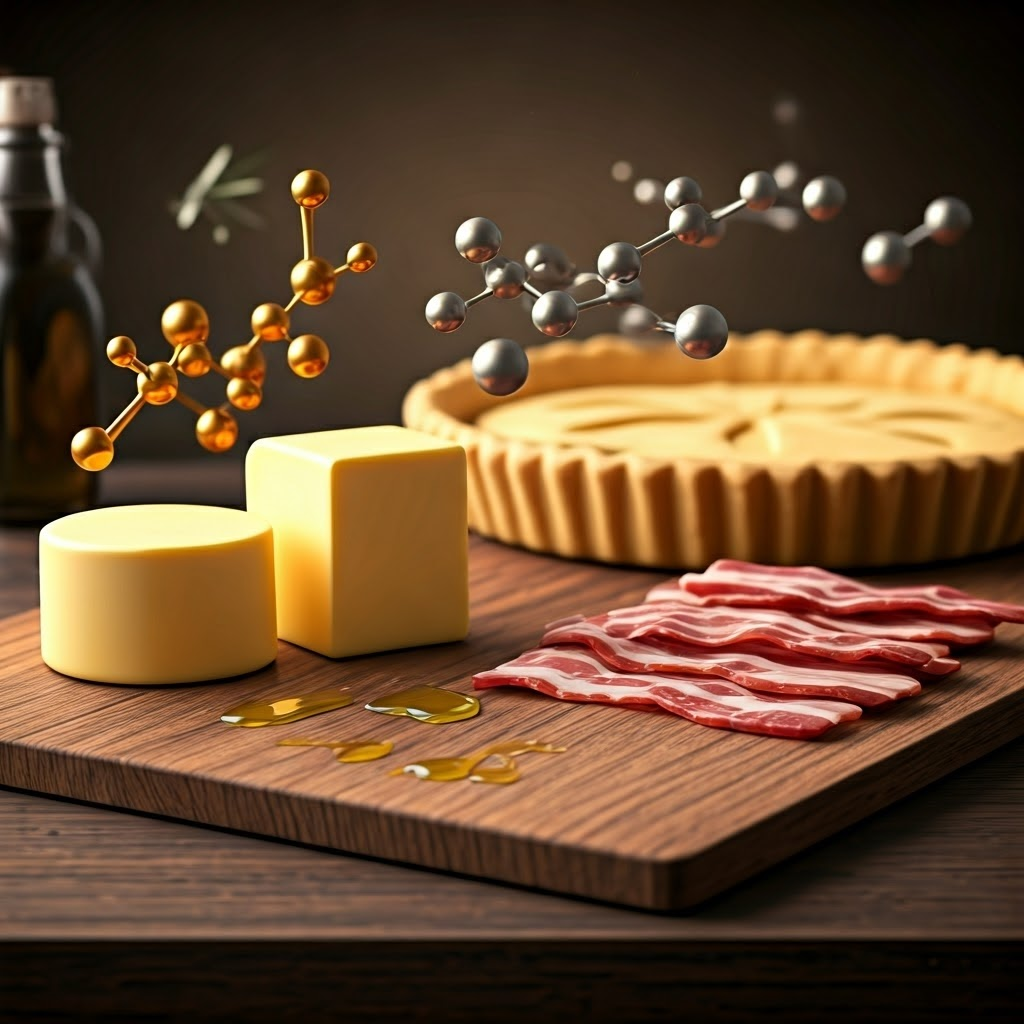
Fats enrich flavor and mouthfeel. Each molecule has a glycerol spine plus three fatty acids.
Saturated fats pack tightly, staying solid like butter. Unsaturated fats have bends that keep them fluid, as in olive oil.
Water and Minerals: The Unsung Heroes
Water makes produce juicy and dough elastic. Its polar shape lets it dissolve salt, sugars, and more—vital hydration chemistry.
High water activity speeds spoilage; drying or salting foods lowers it, extending shelf life while changing texture.
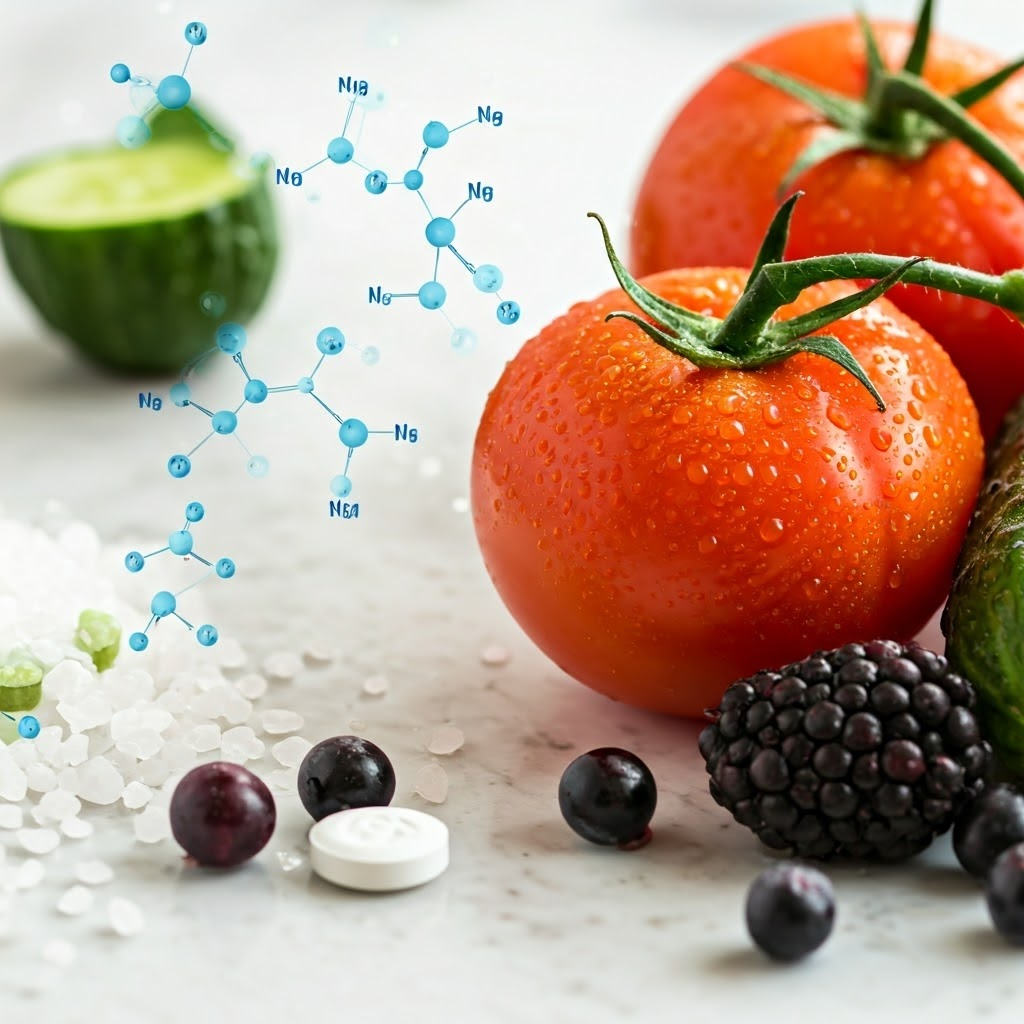
Minerals are tiny yet potent. Sodium chloride sharpens flavor and steadies proteins and starches. Calcium binds milk proteins into cheese, while iron deepens beef’s color and boosts nutrition.