
Shattered Mirrors: Seeing the World in Pieces
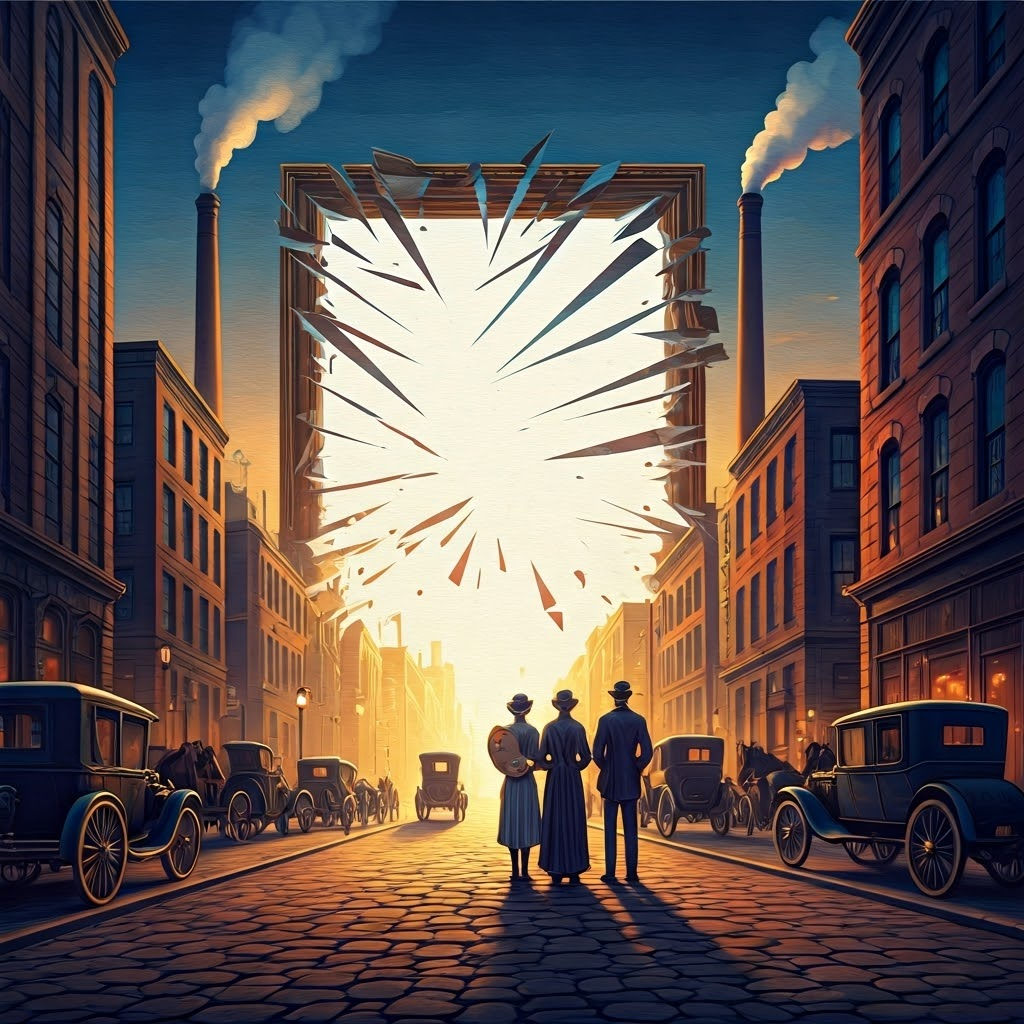
Why Break the Frame?
Cities swelled, machines roared, and new science rewrote old certainties. The familiar rules of art and story felt cramped, so modern creators searched for wider space.
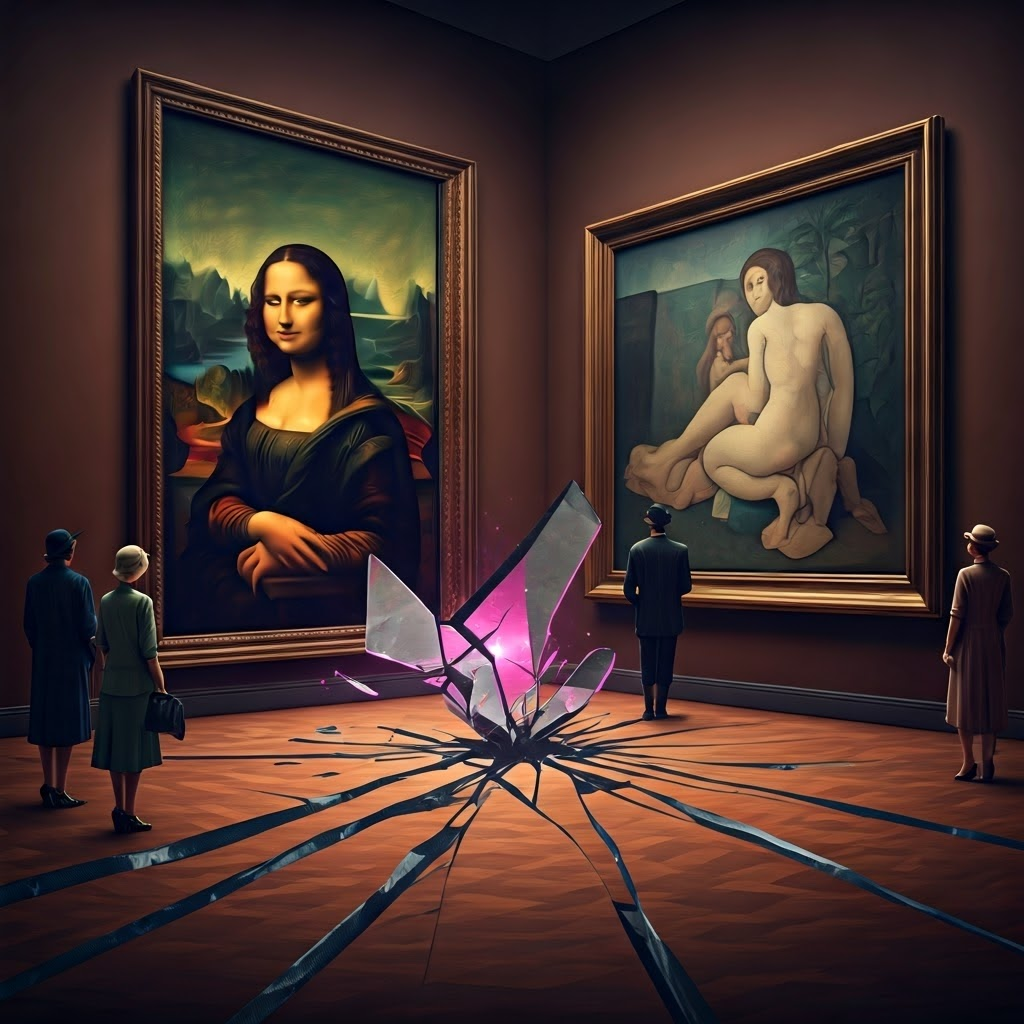
A classic painting like da Vinci’s Mona Lisa looks calm and balanced. Place it beside Picasso’s jagged Les Demoiselles d’Avignon, and harmony shatters. This contrast shows fragmentation—breaking images to reveal a messier truth.
Writers mirrored this shift. Rather than neat plots, they offered scattered thoughts or dove into a single restless mind. The style met a world that felt out of control.
Picasso’s Cubes and Woolf’s Streams
Cubism, shaped by Picasso and Braque, slices a subject into sharp planes so you see every angle at once. The viewer must piece together multiple viewpoints.
Picasso’s Portrait of Ambroise Vollard stacks color blocks that hint at a face, then lose it. The canvas invites you to work, to build meaning from fragments.
Virginia Woolf used words the way Cubists used shapes. In Mrs Dalloway, thoughts ripple from one mind to another. This stream of consciousness feels like real thinking—layered, quick, and unfinished.
She offers experience, not tidy answers. The reader wanders through emotion and memory, sensing life’s uneven flow.
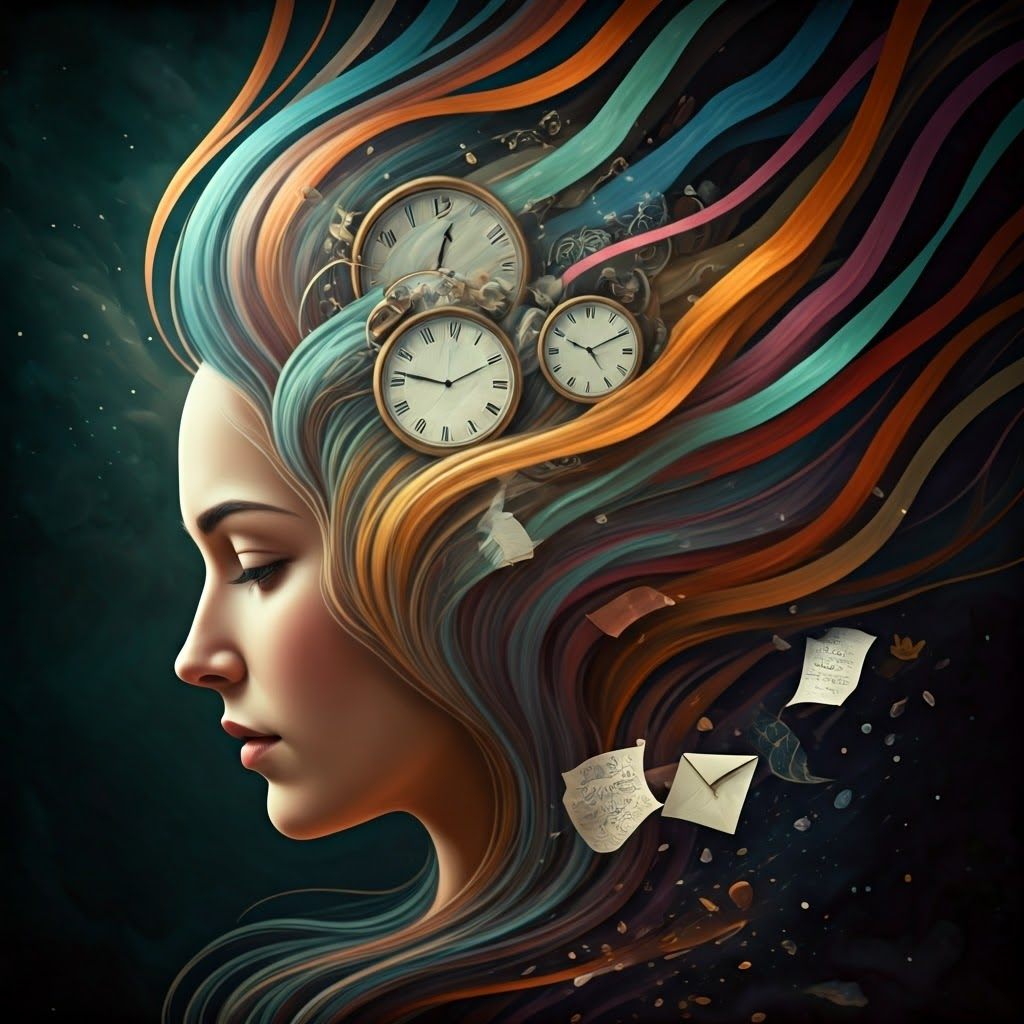
These artists broke forms to show how life truly feels—shattered, uncertain, and half-seen.
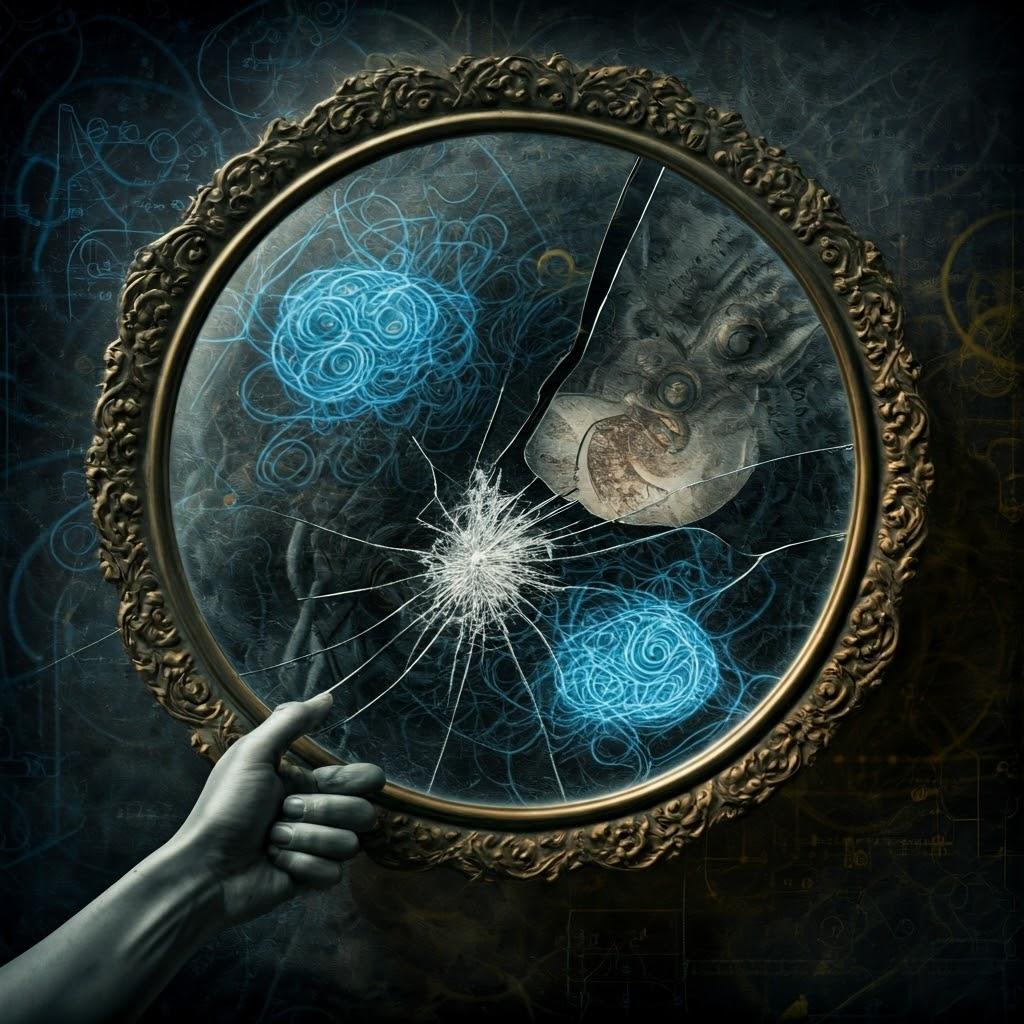
The Unreliable Narrator and Shifting Realities
As the world grew stranger, writers questioned truth itself. An unreliable narrator—like in Ford Madox Ford’s The Good Soldier—admits confusion, forcing readers to decide what’s real.
T. S. Eliot’s The Waste Land layers voices and languages until certainty collapses. The technique matches a culture rocked by Freud’s hidden mind and Einstein’s flexible time.
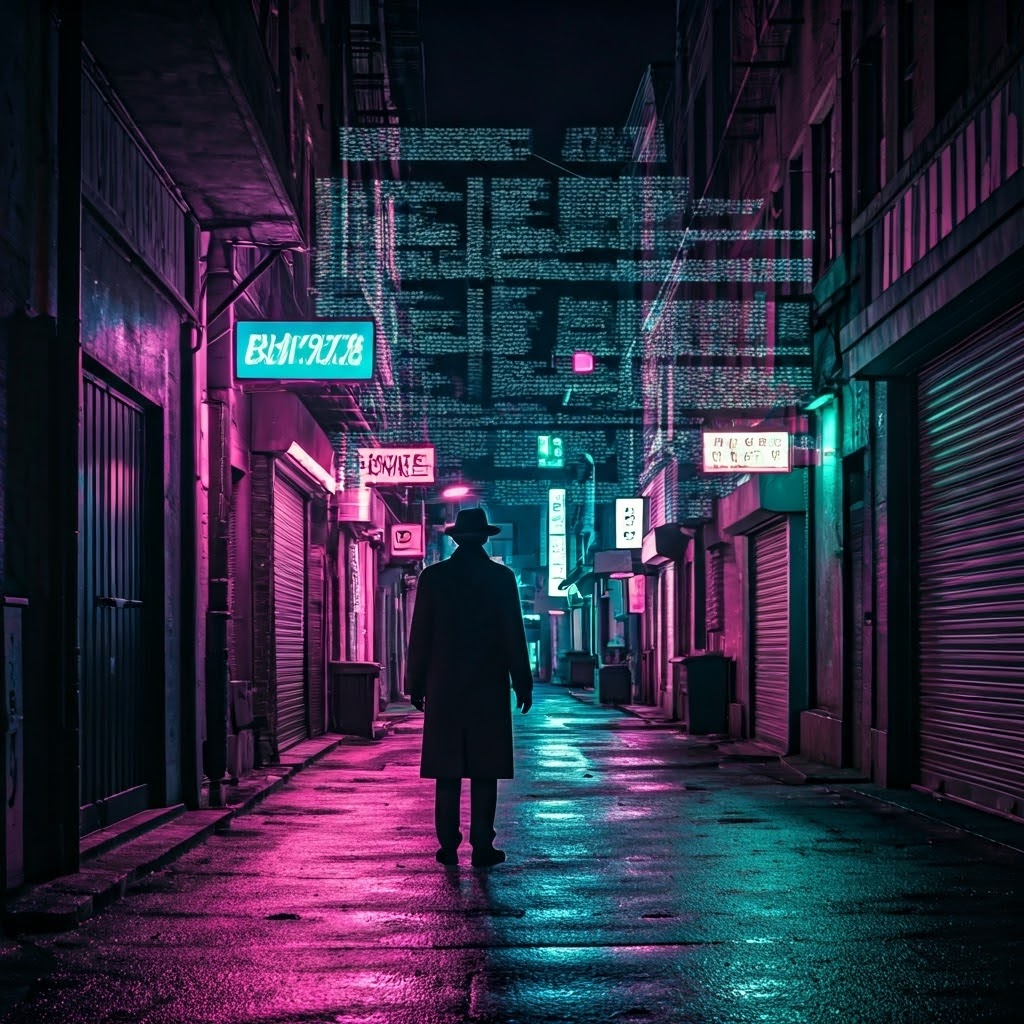
When narrators mislead or falter, readers question everything. Doubt becomes the honest way to see a fragmented world full of layers.
Living With Fragments
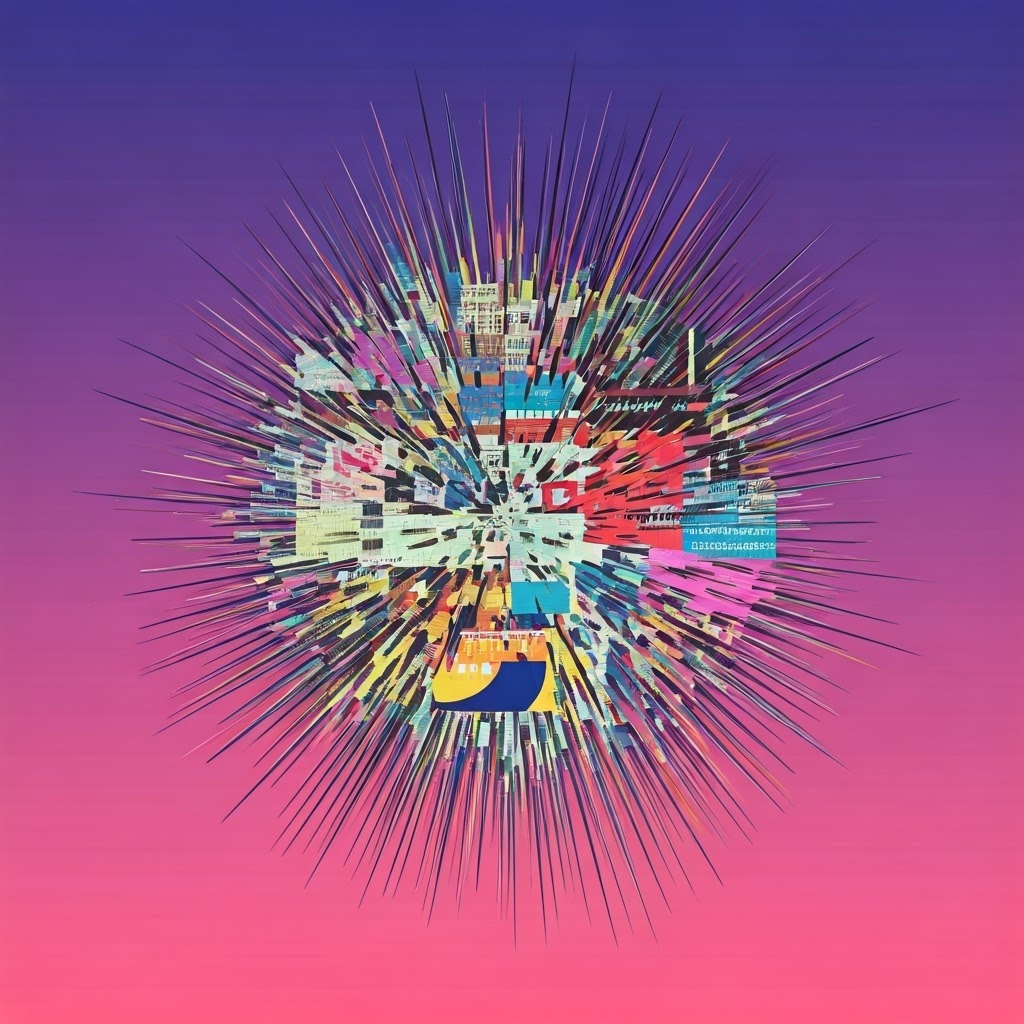
Once you view life in pieces, returning to tidy frames feels impossible. Modernism looked strange, yet it matched how many people genuinely felt—pulled apart by rapid change.
We still live with fragmentation: films shuffle timelines, songs splice genres, and feeds mix news with memes. Breaking things apart remains a truthful way to show what it’s like to be alive.
