
Shaking the Foundations: How Traditions Change
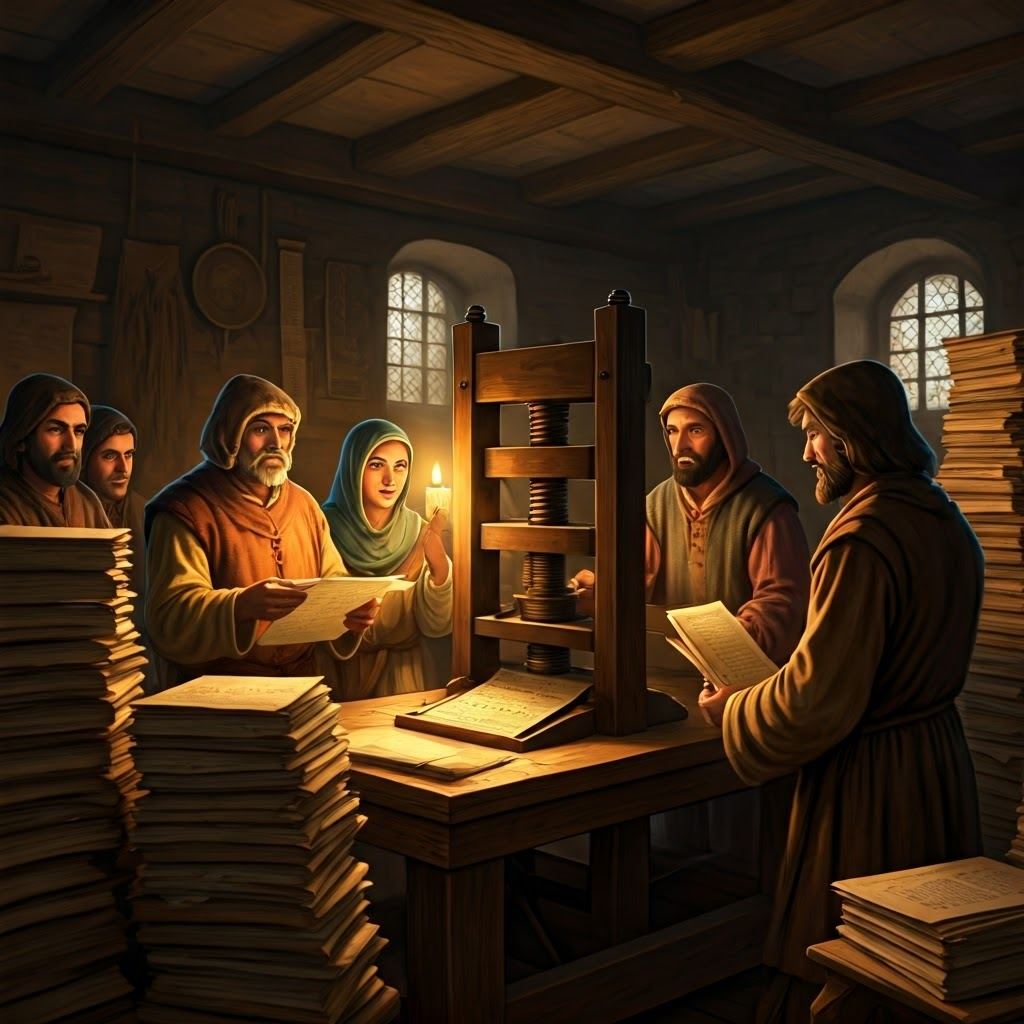
Tradition looks solid, yet history shows it is flexible. In every era, fresh inventions, new philosophies, and outside contacts push believers to adapt. Customs bend—sometimes they crack—then re-form in shapes that fit the moment.
When Old Ways Meet New Ideas
In Christianity, the 1400s printing press opened the Bible to ordinary readers. Access stirred questions and calls for reform. Believers no longer relied only on priests. One new tool changed how millions understood faith.
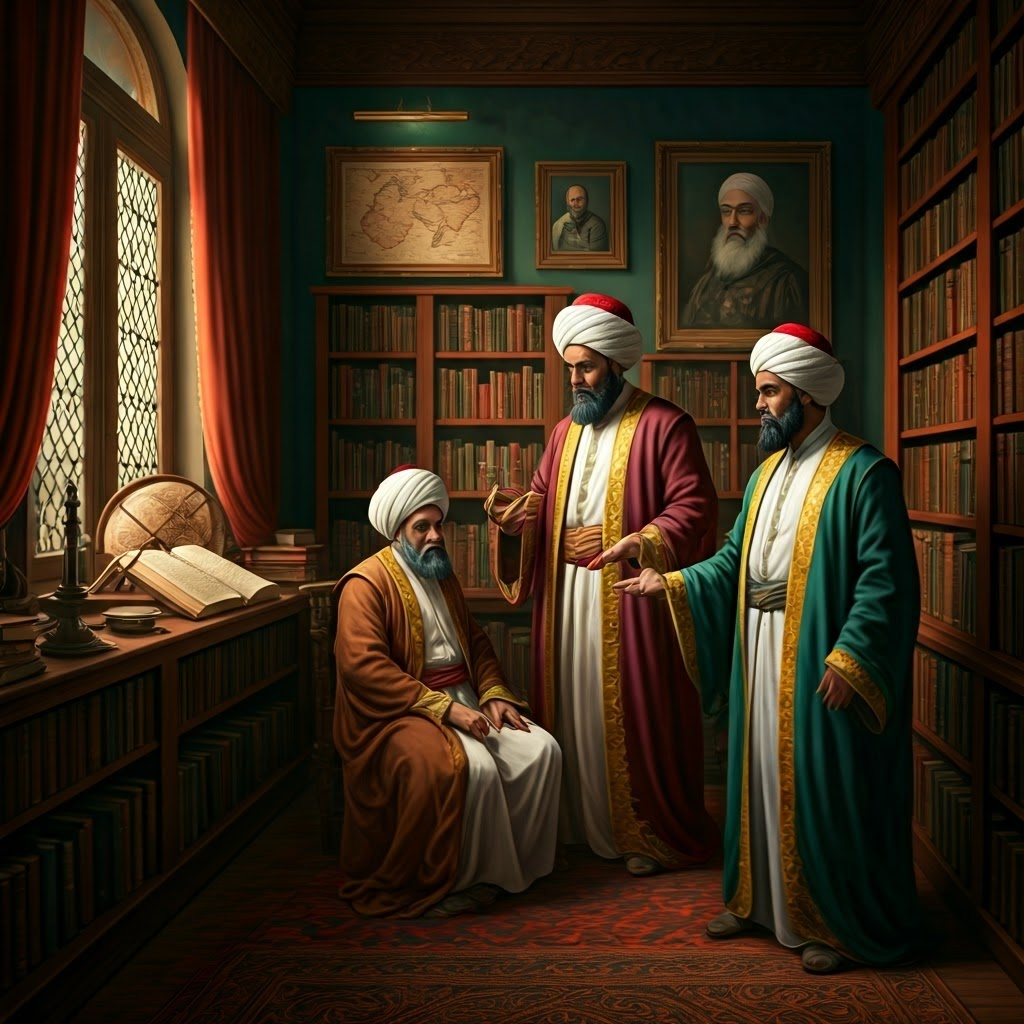
Islam faced similar tests when European powers arrived in the 1800s. Some leaders welcomed Western science and politics. Others urged a stricter return to religious law. The debate shaped schools, courts, and daily life across the Muslim world.
Judaism also wrestled with change during Europe’s Enlightenment. As legal barriers fell, many Jews sought broader education and public roles. Resistance was strong, yet new streams of Jewish identity emerged, blending heritage with modern culture.
Change often starts when insiders feel old forms no longer fit—or when outsiders bring new challenges. Sparks can come from one voice or slow social pressure, but religions keep moving with the world around them.
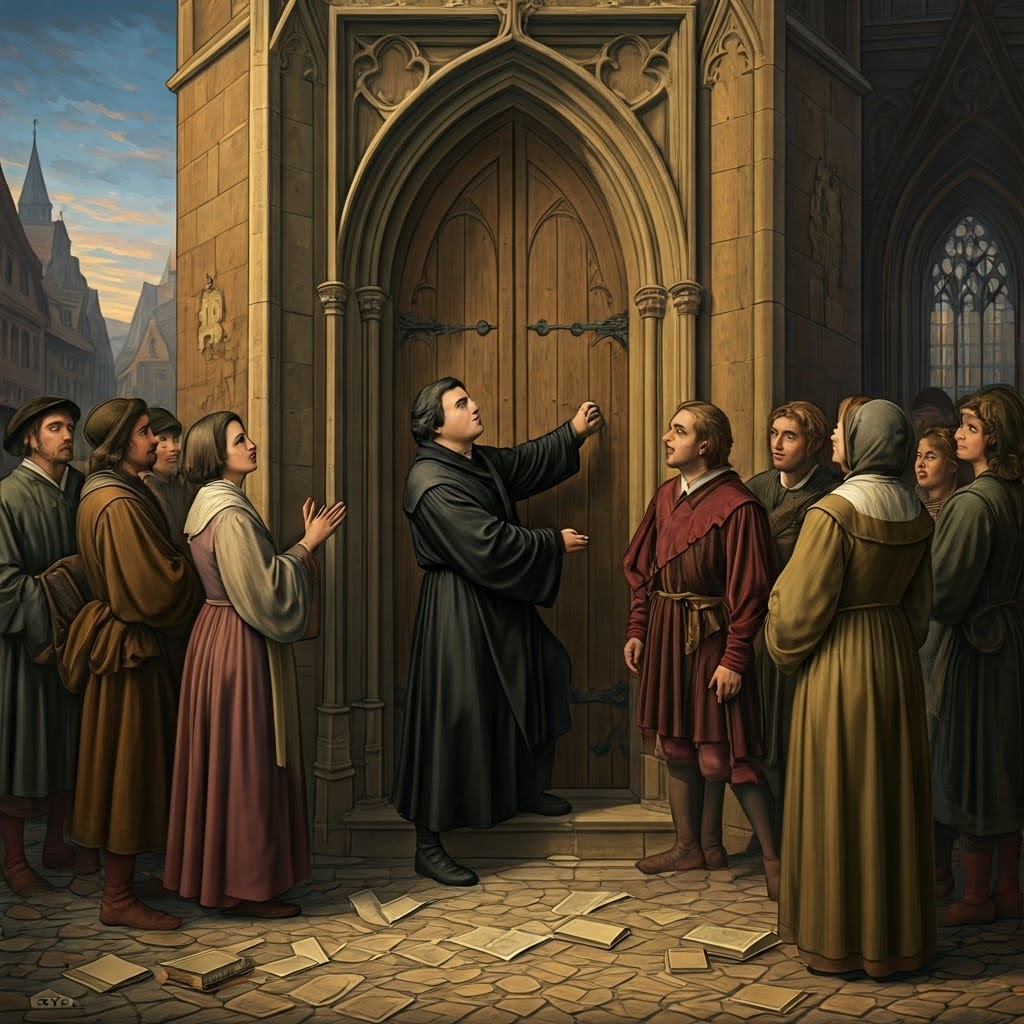
The Protestant Reformation: Breaking and Remaking
In 1517, Luther protested indulgence sales by posting 95 Theses in Wittenberg. The printing press spread his words fast. Readers challenged Latin services and clerical power, demanding scripture in local tongues.
New churches—Lutheran, Calvinist, Anglican—formed. Wars flared over belief. Education grew as people learned to read the Bible. Power shifted from distant popes to local rulers, then to individuals. Questioning authority in faith reshaped politics and culture.
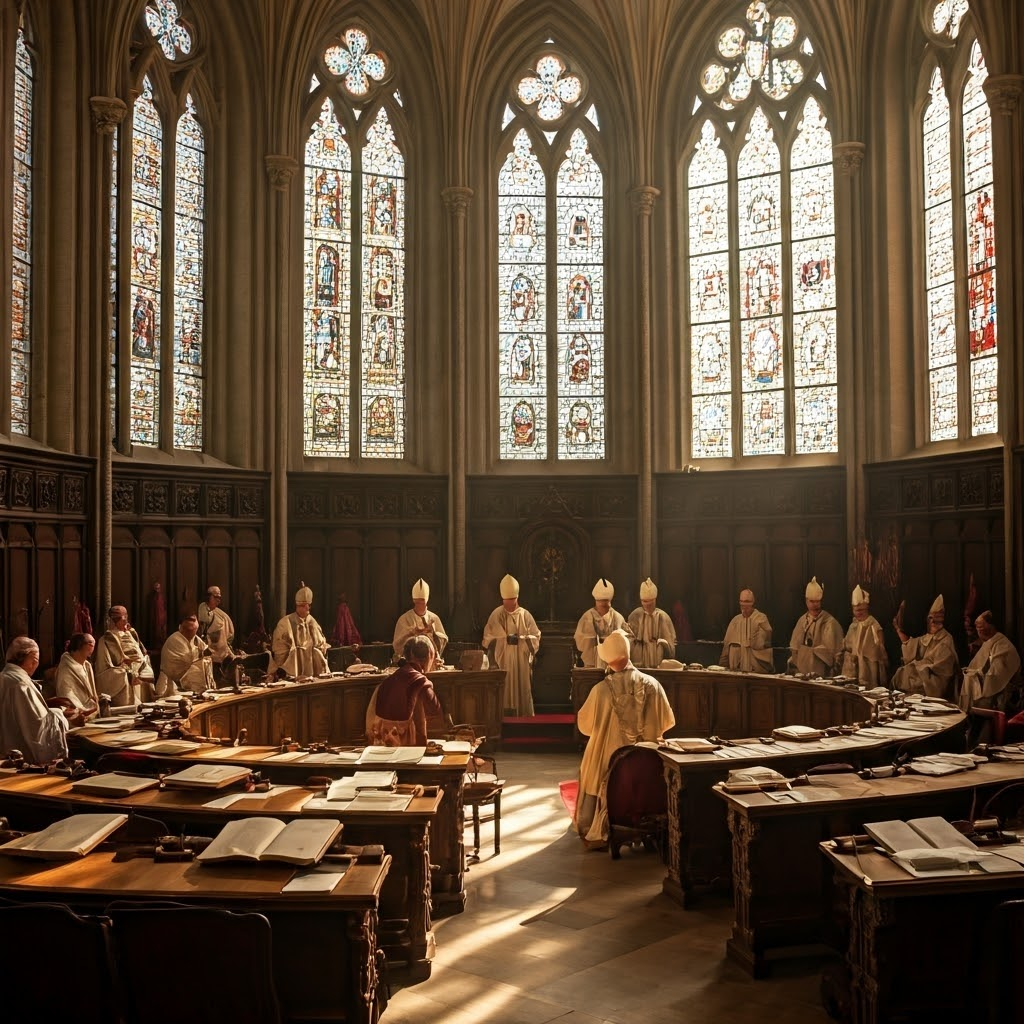
Vatican II: Updating the Old Guard
By the 1960s, many Catholics felt church rituals were frozen. Science, civil rights, and post-war realities pressed for change. Pope John XXIII convened Vatican II to “open the windows” and reconsider practice.
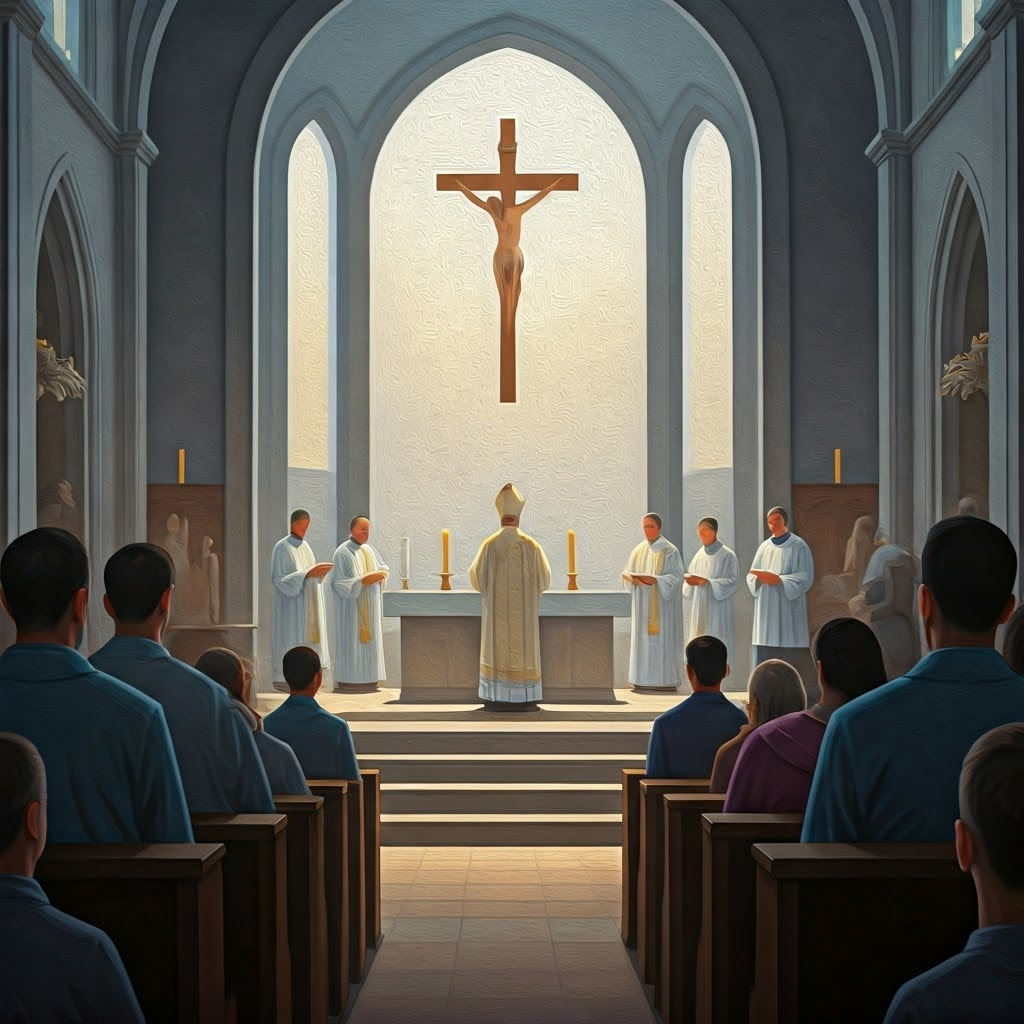
After four years, the council allowed local languages in Mass, encouraged lay participation, and promoted dialogue with other faiths. Some welcomed the fresh air; others feared loss of tradition. The conversation continues today.

Islamic Modernism and Fundamentalism: Two Roads
Muslim thinkers split on how to meet modernity. Modernists like Muhammad Abduh embraced science and education, citing Islam’s golden age as proof faith can fuel progress.
Fundamentalists, including Wahhabi followers and later the Muslim Brotherhood, insisted on returning to early practices. They viewed Western ideas as threats. The two visions still vie over schools, laws, and public life.
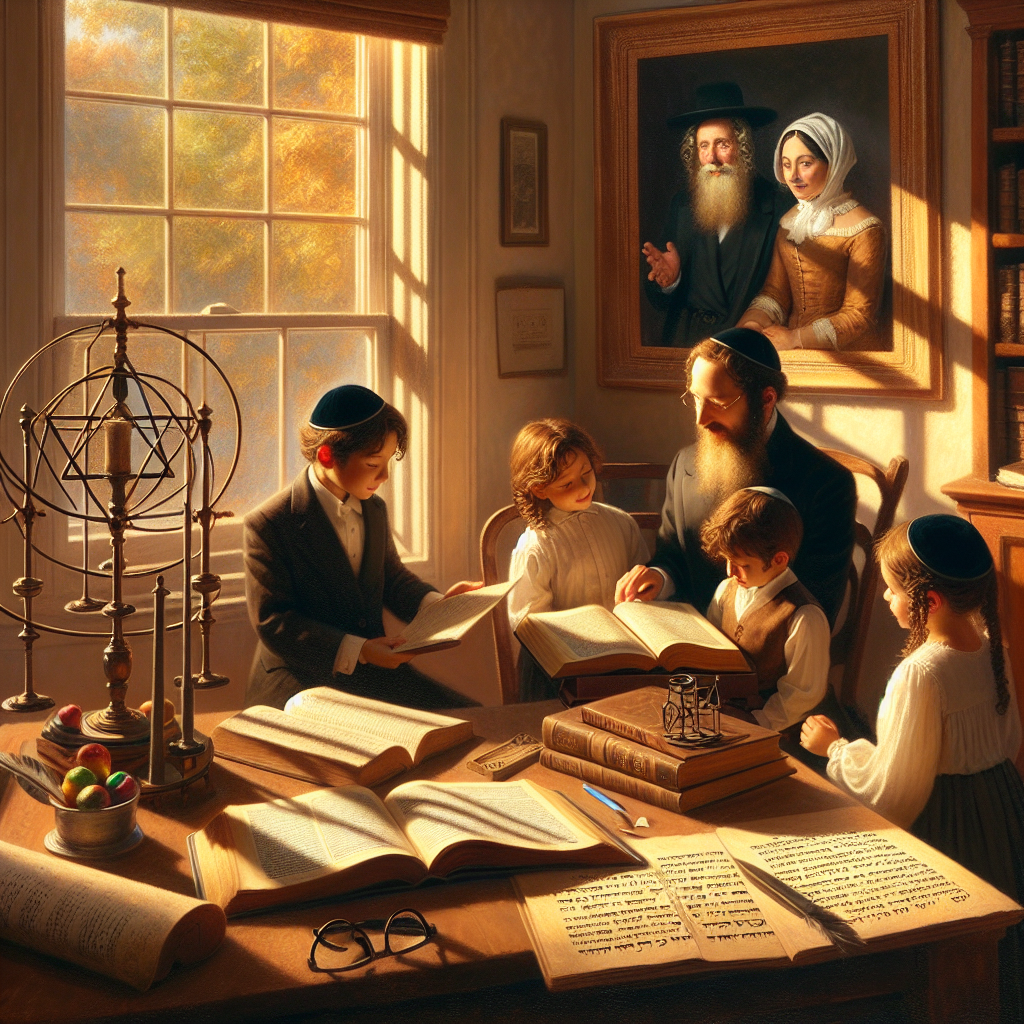
Jewish Haskalah: The Light of Reason
Starting in the late 1700s, philosopher Moses Mendelssohn urged Jews to enter wider culture while keeping faith. He translated the Bible into German and promoted secular studies. The Haskalah sparked Reform and Conservative movements that blend tradition with modern life.
Faith, Flux, and You
Religion never stands still. Each attempt to freeze belief meets a new question or idea. That tension creates living traditions, helping people find shared meaning even as the world spins. Next time you spot a custom changing, remember—adapting is how faith stays alive.
