
Powering Change: Clean Energy and Electrification

Why Energy Matters Most
When you plug in your phone you often rely on energy from coal oil or natural gas. Burning these fuels releases carbon dioxide, which traps heat and raises global temperatures.
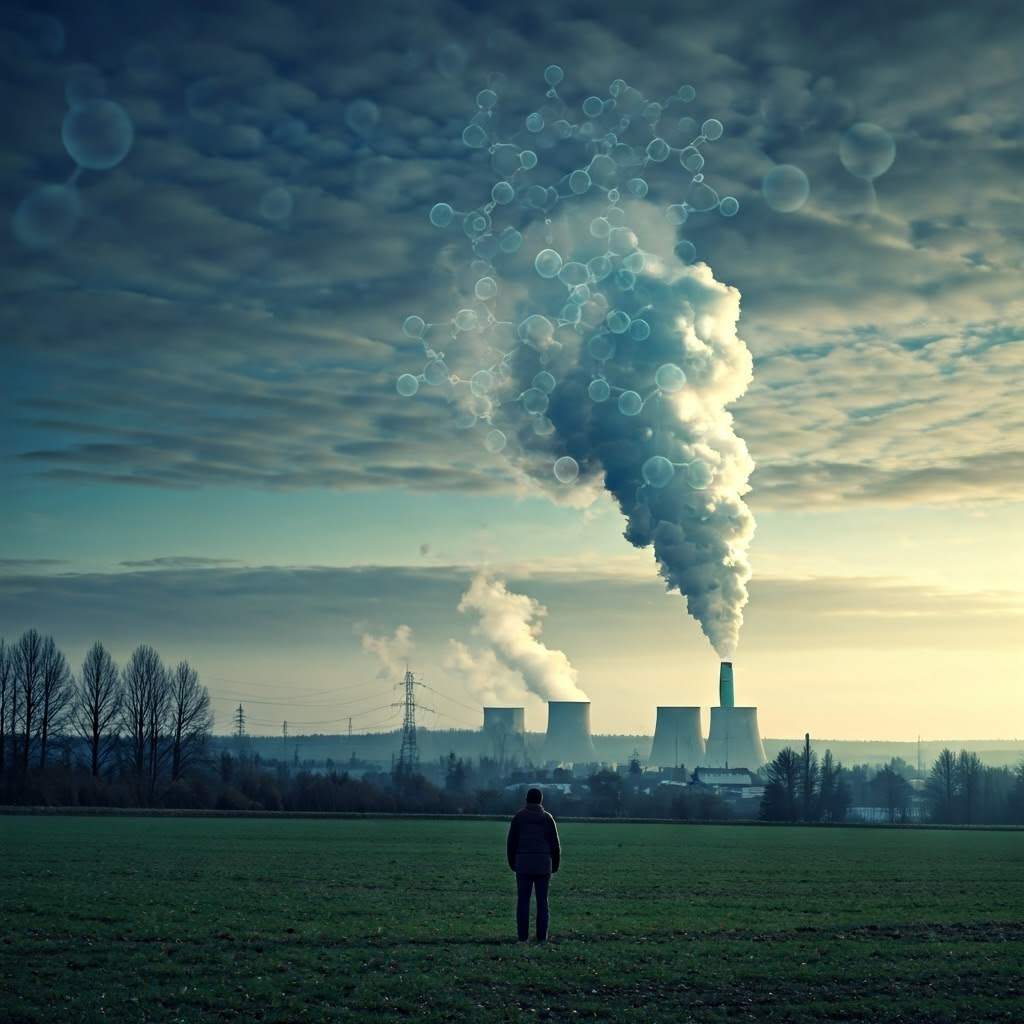
These gases drive most global warming. In the United States about three-quarters of emissions come from energy use. Picture every plume of smoke adding another invisible layer of CO₂ overhead.
The buildup is steady. Each year the world adds over 36 billion metric tons of CO₂, mainly from fossil fuels. Changing how we power everything is therefore the key to fixing climate change.
Clean Energy Options: What Works and Why
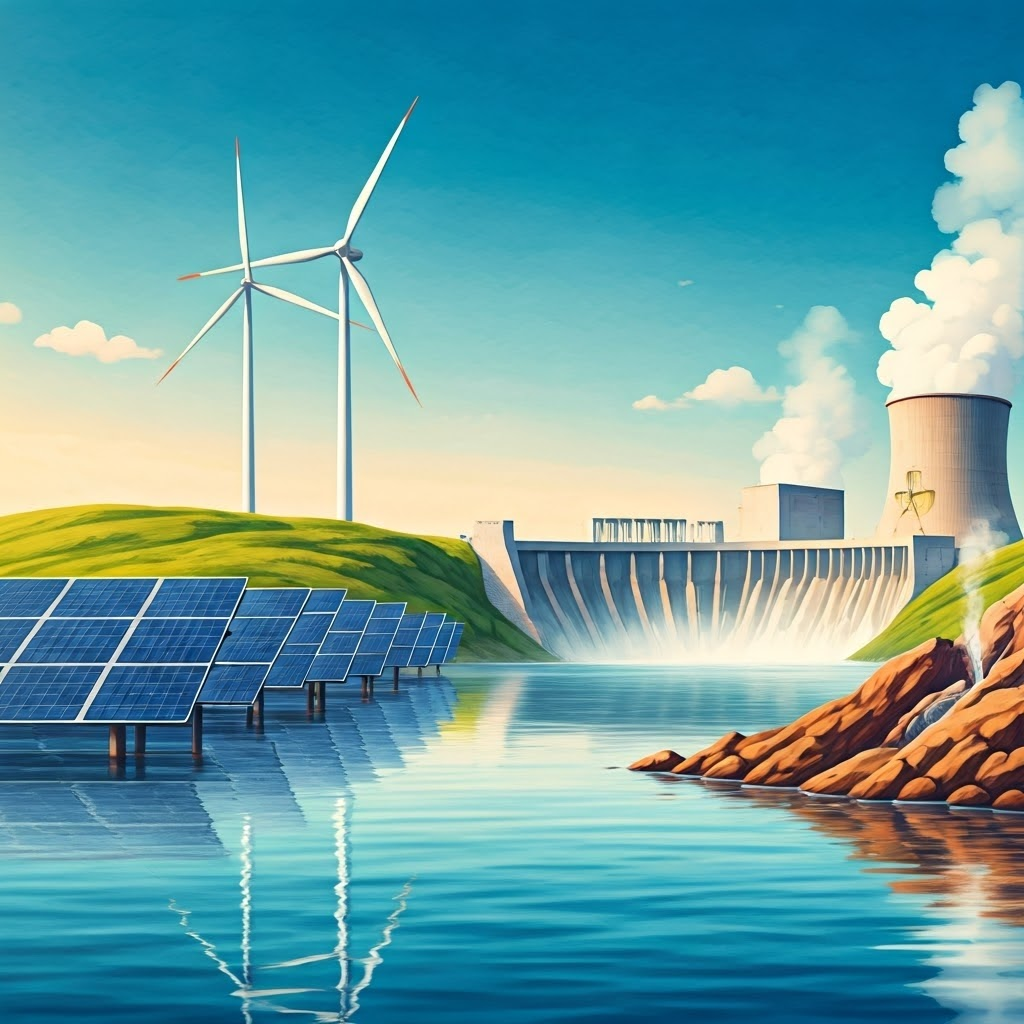
Switching to clean energy means using sources that add little or no CO₂. Solar and wind lead the charge, but several others play vital roles.

Solar
Solar panels turn sunlight straight into electricity. Prices have fallen nearly 90 percent since 2010, making solar widely affordable. Output drops at night or on cloudy days, yet cheaper batteries now smooth those gaps so solar keeps gaining ground.
Wind
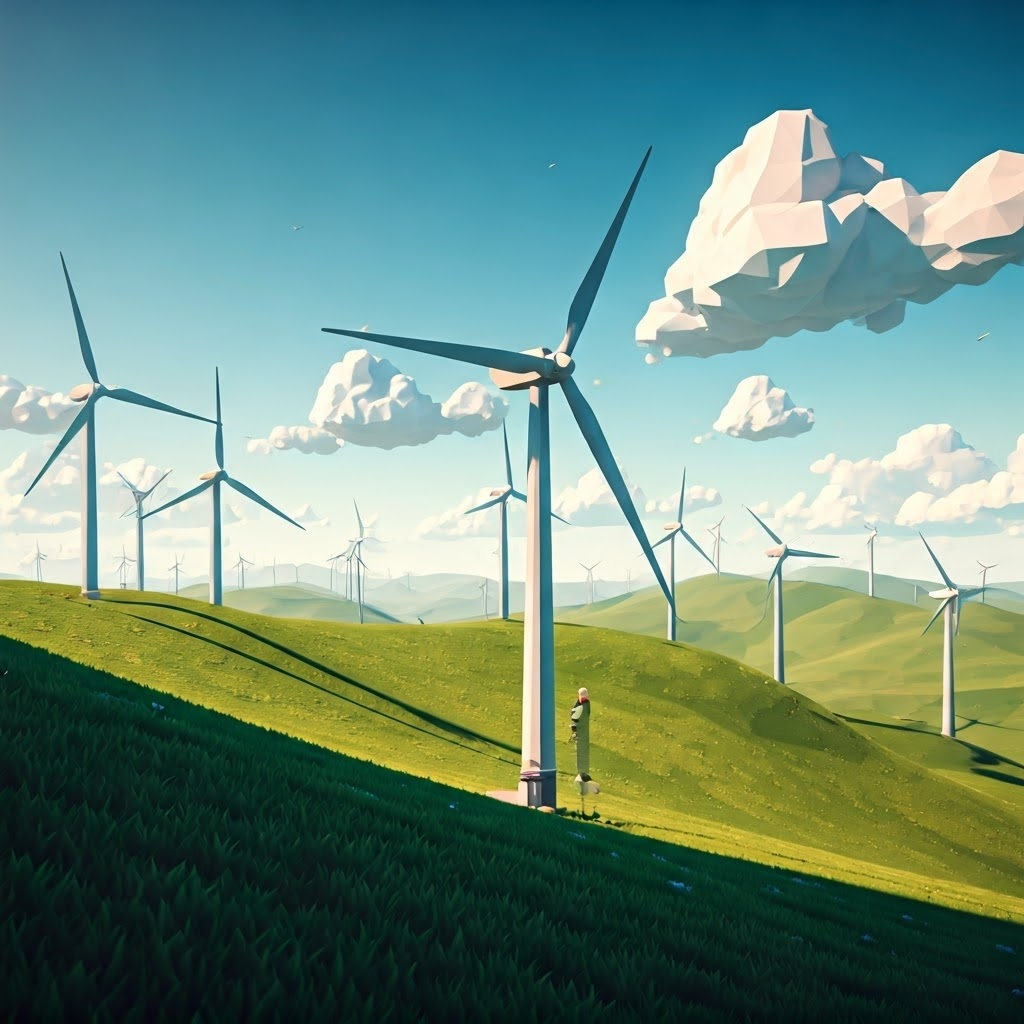
Wind turbines capture moving air to make power. Some regions already get over 40 percent of their electricity from wind. Because breezes vary, batteries and smarter grids balance highs and lows, keeping supply reliable.

Hydro
Hydropower uses falling water to spin turbines. It supplies most electricity in Norway and parts of Canada. Large dams can harm ecosystems, so new projects focus on sites where benefits clearly outweigh costs.
Nuclear
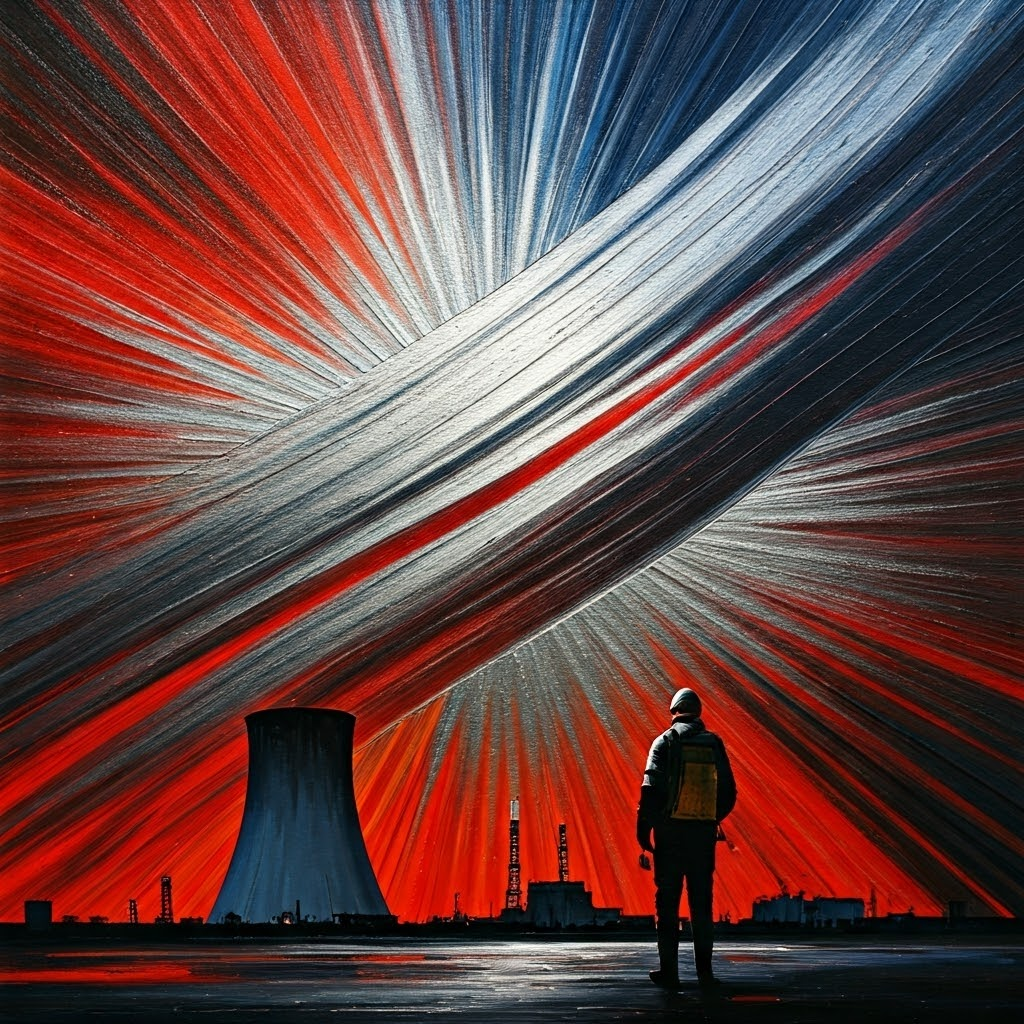
Nuclear plants split atoms to generate heat and electricity around the clock. France shows how this ultra-low-carbon source can power a nation. Concerns remain over waste, accidents, and high construction costs, yet nuclear still provides a significant clean supply.
Geothermal and Mixing Sources
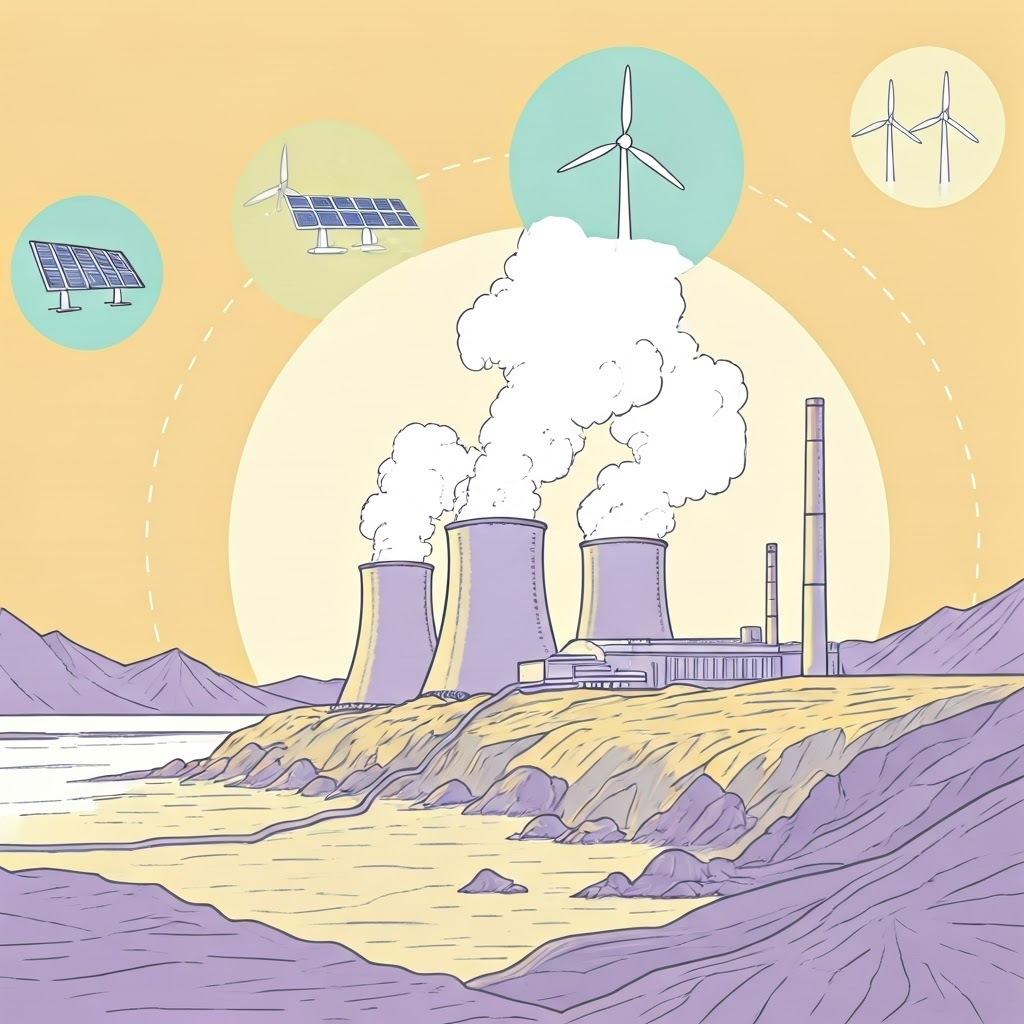
Geothermal taps constant heat from deep rock. It works best in volcanic zones like Iceland or Nevada, offering reliable 24-hour power. Blending geothermal, hydro, or nuclear with plentiful sun and wind creates a balanced, resilient energy mix.

Electrifying Everything: From Cars to Homes
Many daily machines still burn gasoline, diesel, or natural gas. Replacing them with electric versions—and powering those with clean electricity—slashes emissions.
Electric cars are a clear example. Norway proves the model: most new cars sold there are electric, and city air is cleaner as a result.

At home you can swap gas furnaces for heat pumps and use induction stoves. Heat pumps move heat with much less energy than burning fuel, while induction cooking is faster and produces no indoor pollution.

Putting It All Together: The Power Grid Puzzle
The transition needs a smarter power grid. Large batteries store daytime solar for evening use, and pumped-hydro stations act like giant water batteries.
Digital controls in smart grids shift demand to periods when clean power is abundant. More wires and substations will move electricity from rural wind and solar farms to city users—forming the backbone of a clean future.
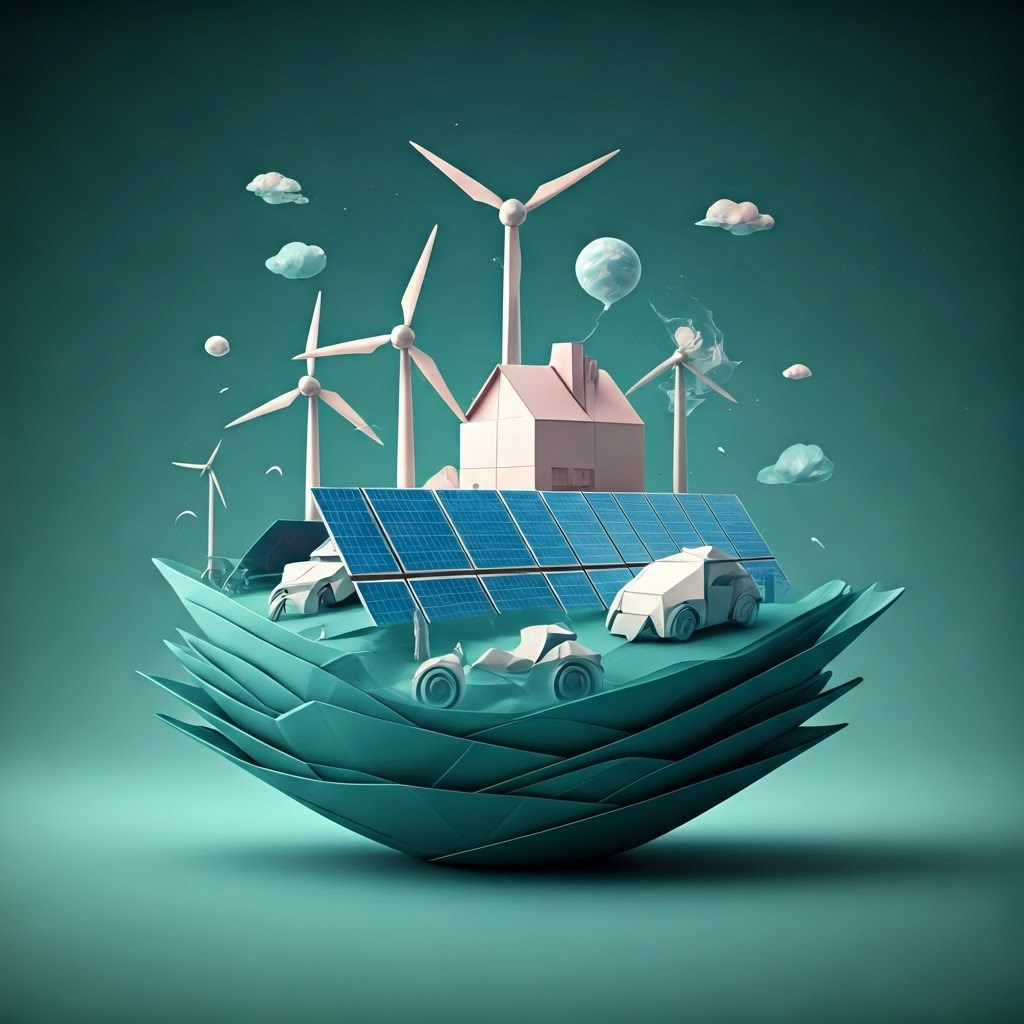
Each new solar panel heat pump or electric vehicle feeds a positive loop: as clean energy grows, everything plugged into the grid gets cleaner too.
The Path Forward
Cutting your carbon footprint starts with using less energy and choosing electric options whenever possible. Ask your utility about clean power, install rooftop solar if you can, and support policies that expand smart, renewable grids.
Every watt of clean electricity replaces one from fossil fuels. Multiplied by millions of people, this approach offers our most powerful tool to slow and eventually stop global warming—using technologies already at hand.
